Year: 1985
Runtime: 120 mins
Language: Malayalam
Director: P. Padmarajan
Thinkalazhcha Nalla Divasam (1985), a Malayalam drama by Padmarajan, stars Mammootty, Kaviyoor Ponnamma, Karamana Janardanan Nair and Srividya. It follows two brothers who gather families for mother’s 60th birthday at the family home, but tension erupts when the younger brother plans to sell the house and move her to an old‑age home.
Warning: spoilers below!
Haven’t seen Thinkalazhcha Nalla Divasam yet? This summary contains major spoilers. Bookmark the page, watch the movie, and come back for the full breakdown. If you're ready, scroll on and relive the story!
Explore the full timeline and setting of Thinkalazhcha Nalla Divasam (1985). Follow every major event in chronological order and see how the environment shapes the story, characters, and dramatic tension.
Last updated: October 04, 2025 at 13:09
Meet the key characters of Thinkalazhcha Nalla Divasam (1985), with detailed profiles, motivations, and roles in the plot. Understand their emotional journeys and what they reveal about the film’s deeper themes.
Last updated: October 04, 2025 at 13:09
Explore the central themes of Thinkalazhcha Nalla Divasam (1985), from psychological, social, and emotional dimensions to philosophical messages. Understand what the film is really saying beneath the surface.
Last updated: October 04, 2025 at 13:09
Browse frequently asked questions about Thinkalazhcha Nalla Divasam (1985) focused on characters, relationships, themes, symbols, setting, and story context. This movie info FAQ gives spoiler-aware explanations for character arcs, world details, and thematic interpretation so readers can better understand what the film is really about.
The film takes place mainly in a spacious ancestral house in Kerala, which serves as the emotional core of the story. Additional scenes occur in Mumbai where Narayanankutty works, and in Bangalore where Gopan and Bindu plan to buy a flat. The Middle East also features through Gopan's employment and extended family connections.
The film is set in the late 20th century during a period of significant Gulf migration and rapid urbanization in India. This era was marked by increasing cross-continental work opportunities, rising material ambitions, and shifting social norms as families grappled with modernization.
The central theme explores materialism versus family values, as the youngest son Gopan pushes to sell the ancestral family home to fund a Bangalore flat. This conflict pits financial security and modern aspirations against the sentimental value of heritage and family bonds, critiquing how wealth can erode traditional family connections.
The film examines caste through Kunju, an old servant from a lower caste who achieved prosperity through Middle East work. His rise challenges the family's traditional hierarchy and exposes lingering caste-based prejudices, particularly in Narayanankutty's superiority complex despite modernization.
Migration, particularly Gulf work, is a major driving force in the narrative. Many family members work abroad in the Middle East, and the prospect of selling the ancestral home is tied to securing an overseas future. This migration creates generational rifts and fundamentally alters the meaning of home for the family.
The film probes how society values the elderly when wealth and prestige are at stake. The matriarch Janakikutty's frailty and the family's decision to move her to an old age home crystallize the moral conflict. Her passing becomes a turning point that forces the family to confront their priorities and responsibilities.
Gopan is the youngest son of Janakikutty, working in the Middle East, who prioritizes material security over family legacy. He pushes to sell the ancestral house to fund a Bangalore flat, though he later wrestles with guilt after his mother's death and ultimately decides to stay in the family home to honor her memory.
Janakikutty is the heart of the household, portrayed by Kaviyoor Ponnamma, who deeply loves the ancestral home and the memories it holds. She is profoundly affected by talk of selling the house and ultimately chooses to move to an old age home before passing away, symbolizing the tragedy of losing one's roots.
Narayanankutty is the elder son and a central government servant in Mumbai. He harbors envy of his brother's prosperity and maintains a lingering caste-based superiority. His resistance to selling the house stems from insecurity and fear of losing his status within the family hierarchy.
Kunju is the old servant of the father, from a lower caste, who achieved financial security with four sons working in the Middle East. His offer to buy the property sparks the central family clash, raising questions about who deserves the house and what it represents socially and culturally.
Ambika is Narayanankutty's wife, a modern and status-conscious figure who pushes for selling the property to secure a comfortable future. While she worries about Amma's safety, she acts as a catalyst in the central conflict between tradition and material ambition.
The film contrasts rural and urban settings through pastoral scenes of cows, ponds, and village routines in Kerala against the urban ambitions of family members in Mumbai and Bangalore. This tension highlights the clash between tradition as a sustaining force and the constraints it may place on new possibilities.
Discover curated groups of movies connected by mood, themes, and story style. Browse collections built around emotion, atmosphere, and narrative focus to easily find films that match what you feel like watching right now.
Stories where a family gathering unearths simmering resentments and moral dilemmas.This collection features movies like Thinkalazhcha Nalla Divasam, focusing on slow-paced family dramas where emotional tension erupts during a gathering. If you liked the oppressive mood and moral conflicts in the family home, you'll find similar stories of fractured relationships and difficult choices here.
The narrative typically involves family members converging at a significant location, often a childhood home. What begins as a celebratory or dutiful occasion gradually unravels as long-held secrets, financial pressures, and clashing values come to the surface, forcing characters to confront painful truths about themselves and their relationships.
Movies are grouped here for their shared focus on domestic tension, a melancholic tone, and a slow-burn pacing that mimics the real-time unease of a fraught family event. They explore the universal themes of duty, legacy, and the emotional cost of progress.

Character journeys where a selfish act leads to profound regret and a search for atonement.If the theme of guilt and the search for redemption in Thinkalazhcha Nalla Divasam resonated with you, explore these similar movies. This list features character arcs centered on remorse and atonement, often culminating in a bittersweet conclusion that acknowledges the pain caused while offering a glimmer of personal change.
The story follows a character who commits a transgression, typically against a loved one, and must grapple with the severe emotional consequences. The plot is less about external action and more about an internal moral crisis, leading to a pivotal moment of realization and an attempt to make amends, resulting in a conclusion that is healing but shadowed by loss.
These films are connected by their heavy emotional weight and focus on the psychology of guilt. They share a melancholic tone and a narrative structure that prioritizes a character's internal struggle and moral awakening over fast-paced plot twists, making them introspective and somber experiences.
Don't stop at just watching - explore Thinkalazhcha Nalla Divasam in full detail. From the complete plot summary and scene-by-scene timeline to character breakdowns, thematic analysis, and a deep dive into the ending - every page helps you truly understand what Thinkalazhcha Nalla Divasam is all about. Plus, discover what's next after the movie.
Read a complete plot summary of Thinkalazhcha Nalla Divasam, including all key story points, character arcs, and turning points. This in-depth recap is ideal for understanding the narrative structure or reviewing what happened in the movie.
Track the full timeline of Thinkalazhcha Nalla Divasam with every major event arranged chronologically. Perfect for decoding non-linear storytelling, flashbacks, or parallel narratives with a clear scene-by-scene breakdown.
Discover movies like Thinkalazhcha Nalla Divasam that share similar genres, themes, and storytelling elements. Whether you’re drawn to the atmosphere, character arcs, or plot structure, these curated recommendations will help you explore more films you’ll love.
Thinkalazhcha Nalla Divasam (1985) Plot Summary & Movie Recap
Thinkalazhcha Nalla Divasam (1985) Scene-by-Scene Movie Timeline
Thinkalazhcha Nalla Divasam (1985) Spoiler-Free Summary & Key Flow
Movies Like Thinkalazhcha Nalla Divasam – Similar Titles You’ll Enjoy
Thilakkam (2003) Complete Plot Breakdown
Thanmathra (2005) Full Movie Breakdown
Sandhesam (1991) Complete Plot Breakdown
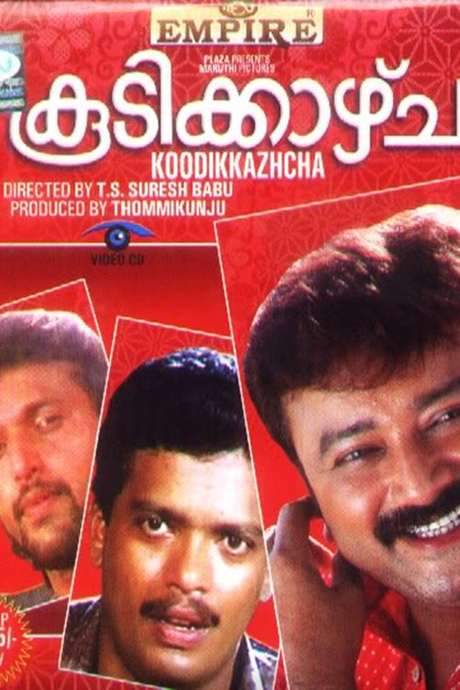
Koodikazhcha (1991) Complete Plot Breakdown
Aalkkoottathil Thaniye (1984) Spoiler-Packed Plot Recap
Koodum Thedi (1985) Film Overview & Timeline
Odaruthammava Aalariyam (1984) Full Movie Breakdown
Nokkethadhoorathu Kannum Nattu (1984) Full Movie Breakdown
Aattakalasham (1983) Film Overview & Timeline
Thinkalazhcha Nishchayam (2021) Spoiler-Packed Plot Recap
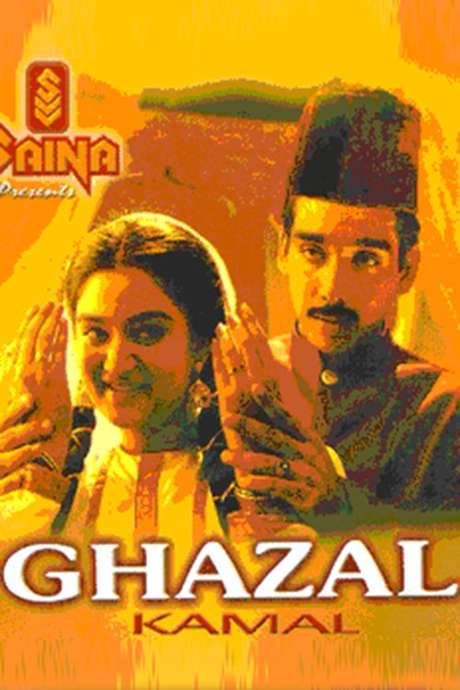
Ghazal (1993) Story Summary & Characters
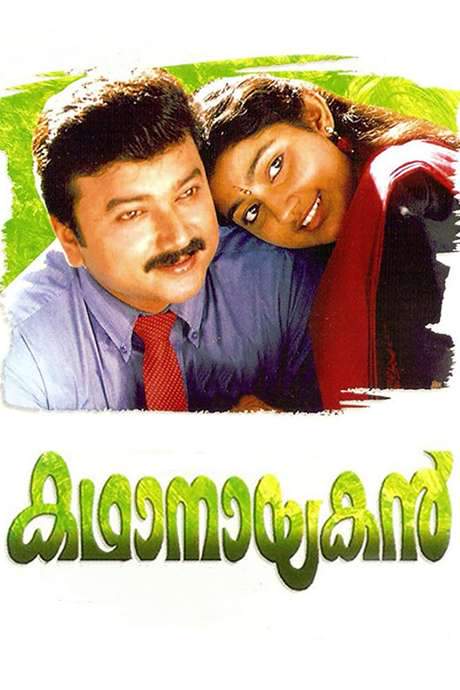
Kadhanayakan (1997) Story Summary & Characters
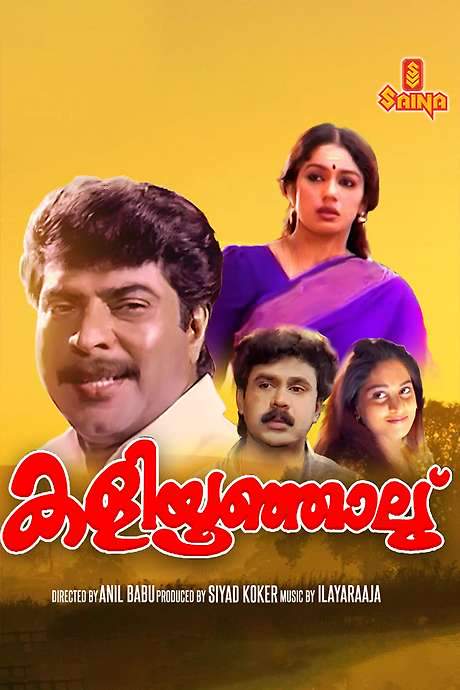
Kaliyoonjal (1997) Full Movie Breakdown
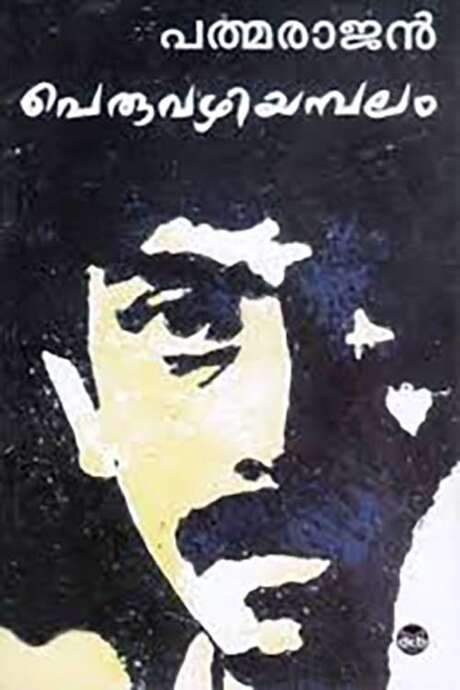
Peruvazhiyambalam (1979) Complete Plot Breakdown
Parvathy Parinayam (1995) Spoiler-Packed Plot Recap