Plot Explained Spoilers guaranteed!
Plot Explained

Browse by genre

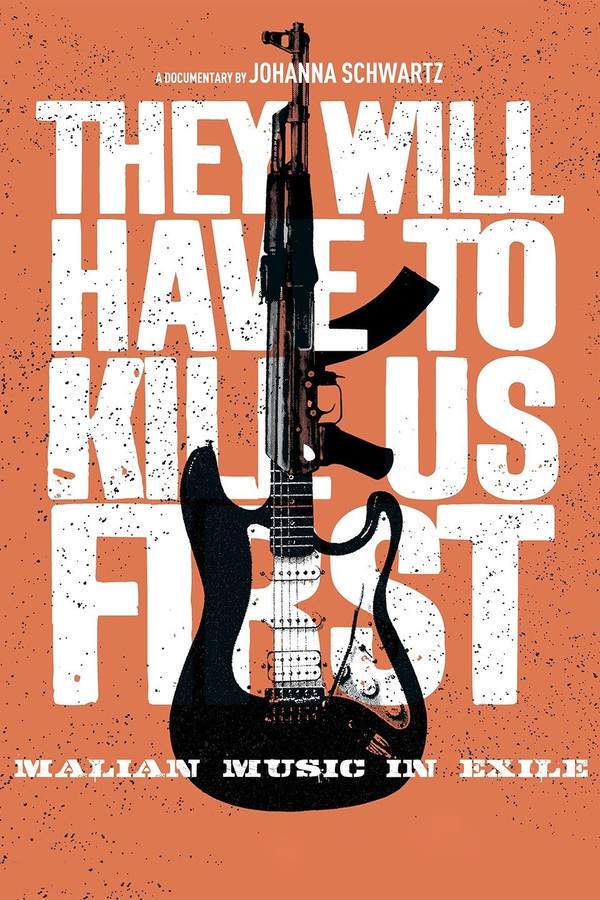
They Will Have to Kill Us First (2016) movie poster

Characters & Themes

They Will Have to Kill Us First (2016) Characters, Setting & Themes Explained

Release, runtime and language
2016 · 105 min · French
Loading streaming availability…
Directed by
Johanna Schwartz

In Timbuktu, Mali, a group of musicians risk everything to resist the oppressive silence imposed by Islamic fundamentalists who have outlawed music. United by their love of melody and harmony, they secretly plan a defiant concert, determined to bring joy back to their community despite the severe consequences they face. Their courage embodies a powerful stand against cultural suppression.

On this page (7)
  1. 1 Where to watch
  2. 2 Characters explained (5)
  3. 3 Where & when it takes place
  4. 4 Themes & meaning (2)
  5. 5 Character & meaning questions
  6. 6 Movie threads
  7. 7 Every angle
Loading streaming availability…

5 main characters · contains spoilers

They Will Have to Kill Us First Characters Explained: Who Is Who

The main characters of They Will Have to Kill Us First (2016), heroes and villains: what drives them, how they change over the course of the story and what each of them reveals about the film's bigger ideas.

  • Khaira Arby

    Khaira Arby is a prominent Malian musician known for her powerful voice and passionate songs that reflect the rich cultural tapestry of Mali. She embodies the strength and resilience of the musicians battling against censorship and the ban on music, using her artistry to inspire hope and resistance.

    • 🎤 Musician
    • 🌍 Cultural Icon
  • Fadimata Disco Walet Oumar

    Fadimata Disco Walet Oumar, also known as Disco, is a celebrated Malian artist who signifies the spirit of the Touareg culture. Her determination to continue making music amidst adversity highlights the struggle for artistic freedom and represents the voice of women in a male-dominated industry.

    • 🎶 Musician
    • 👩‍🎤 Trailblazer
  • Amkoullel

    Amkoullel is a Malian superstar known for blending traditional sounds with contemporary music. His ability to connect with audiences through powerful lyrics makes him a vital voice in the fight for cultural expression in Mali during times of repression.

    • 🌟 Superstar
    • 🎸 Innovator
  • Moussa Sidi

    Moussa Sidi, a talented musician from Mali, plays a crucial role in the narrative of resistance and cultural revival. His music serves as a beacon of hope for many Malians affected by the conflict, and his journey exemplifies the struggles faced by artists.

    • 🎶 Artist
    • 🌍 Advocate
  • Songhoy Blues

    Songhoy Blues is a rising band known for their dynamic fusion of traditional Malian music with modern influences. Their emergence represents a new wave of musicians who are reclaiming their voices and cultural identity in the face of adversity.

    • 🎸 Band
    • 🆕 Emerging Talent

Last updated: May 04, 2025 at 18:46

Was this helpful?

Setting

Where and When Does They Will Have to Kill Us First Take Place?

The setting of They Will Have to Kill Us First (2016): the year and time period, the places and locations, and how they shape the characters, the mood and the tension of the story.

Time period

2012

The movie takes place in 2012, a tumultuous time for Mali when Islamic extremists seized control of the north and imposed strict interpretations of sharia law. During this period, the ban on music represented a wider struggle against cultural suppression and highlighted the resilience of artists dedicated to their heritage.

Location

Mali, Timbuktu

Mali is a West African country known for its rich musical traditions and vibrant culture. The city of Timbuktu, once a thriving center of trade and learning, is particularly noted for its historical architecture and as a cultural beacon of music and arts, which has faced severe challenges due to conflict.

  • 🌍 Country
  • 🎶 Cultural Hub

Last updated: May 04, 2025 at 18:46

Was this helpful?

2 major themes

They Will Have to Kill Us First Meaning: Themes & Message Explained

What is They Will Have to Kill Us First (2016) really about? The emotional, social and philosophical themes the film keeps returning to, its symbolism and the message beneath the surface.

  • Cultural Resistance

    The theme of cultural resistance runs throughout the film as musicians stand against the oppressive regime attempting to silence them. Their fight to reclaim music as a right reflects the broader struggle for identity and heritage amidst violence and tyranny. This theme illustrates how art can serve as a powerful tool for resilience and change.

  • Struggle

    The movie portrays the struggle of Malian musicians who are forced into hiding or exile while battling against the extreme measures taken by jihadists. Their perseverance in the face of brutal oppression emphasizes the depths of their commitment to their craft and the lengths they will go to restore their cultural practices.

Last updated: May 04, 2025 at 18:46

Was this helpful?

Character & theme questions

They Will Have to Kill Us First Characters & Meaning: Your Questions Answered

The questions people ask about They Will Have to Kill Us First (2016): who the characters really are, their relationships, what the symbols mean, where it takes place and what the movie is really about. Each answer contains spoilers.

Q1

Where is the movie set?

The documentary takes place in Timbuktu, a historic city in Mali, West Africa. Timbuktu has long been renowned as a cultural center of music and arts, making it a symbolically significant location for a story about musical resistance.

  • timbuktu
  • mali
  • setting
  • location
  • west africa
Q2

When does the movie take place?

The film is set in 2012, during a period when Islamic extremists controlled northern Mali and imposed strict sharia law. This was a tumultuous year when music was outlawed and musicians faced severe threats for practicing their art.

  • 2012
  • mali
  • sharia law
  • islamic extremists
  • time period
Q3

Why was music banned in Mali?

Islamic extremist groups who seized control of northern Mali in 2012 banned music as part of their strict interpretation of sharia law. They viewed musical performance as unIslamic and systematically targeted musicians, forcing many into hiding or exile.

  • music ban
  • sharia
  • islamic extremists
  • censorship
  • mali
Q4

What is the main theme of the movie?

The central theme is cultural resistance, the filmmakers explore how Malian musicians bravely stood against an oppressive regime that attempted to silence them. Their fight to reclaim music as a fundamental right illustrates how art can serve as a powerful tool for resilience and cultural preservation.

  • cultural resistance
  • themes
  • oppression
  • art
  • identity
Q5

Who is Khaira Arby?

Khaira Arby is a prominent Malian singer known for her powerful voice and passionate songs that celebrate Mali's rich cultural heritage. She became a symbol of resistance against the music ban, using her artistry to inspire hope and courage among her people.

  • khaira arby
  • singer
  • musician
  • resistance
  • voice
Q6

Who is Fadimata Disco Walet Oumar?

Fadimata Disco Walet Oumar, known as Disco, is a celebrated Touareg artist and one of the few female voices in Malian music. Her determination to continue creating music despite the dangers represents both the struggle for artistic freedom and the role of women in a traditionally male-dominated cultural scene.

  • fadimata disco
  • touareg
  • female artist
  • women in music
Q7

What is Songhoy Blues?

Songhoy Blues is a rising Malian band that blends traditional Tuareg music with modern influences. Their formation and emergence during the period of extremist rule represents a new generation of musicians reclaiming their voices and cultural identity through contemporary sounds.

  • songhoy blues
  • band
  • tuareg music
  • modern music
  • new generation
Q8

What do the musicians accomplish in the documentary?

Despite facing threats of torture and execution, the musicians organize and perform a defiant concert, bringing joy back to their community. Their successful resistance and public celebration of music represents a triumphant act of cultural revival against those who sought to suppress their heritage.

  • concert
  • resistance
  • triumph
  • cultural revival
  • defiance

Movie threads

More Movies Like They Will Have to Kill Us First, by Mood & Story

Curated lists built around what makes They Will Have to Kill Us First tick: the same mood, the same kind of story or the same emotional payoff. Each list explains why these movies belong together.

Stories of artistic defiance like in They Will Have to Kill Us First

Stories where creative expression becomes a courageous act of defiance against oppression. If you were moved by the courageous musicians in 'They Will Have to Kill Us First', you'll find similar powerful tales here. This collection features movies where art, music, and culture become powerful tools of resistance against oppressive forces, celebrating the unbreakable human spirit and the fight for cultural survival.

  • defiant
  • courageous
  • uplifting
  • tense
  • resilient
  • oppressive
  • Tone: hopeful, tense, defiant
  • Pacing: steady, purposeful
Why these movies?

The story pattern: Narratives in this thread typically follow a clear, straightforward arc: an oppressive force seeks to silence or destroy a culture, and a group of individuals uses their art as a means of defiance. The story builds steadily towards a significant act of cultural resistance, often a performance or creation, which serves as both a climax and a powerful symbol of hope and endurance.

Why they belong together: These films are grouped together because they share a core belief in the power of art to confront injustice. They blend high-stakes tension with a fundamentally hopeful tone, focusing on resilience and the triumphant act of creation even under dire circumstances. The emotional journey is heavy but concludes with a sense of uplift.
Movies with defiant hope like They Will Have to Kill Us First

Heavy, intense narratives where hope emerges from profound human resilience. Seeking more films that masterfully balance heavy themes with an uplifting spirit? If you liked the hopeful core of 'They Will Have to Kill Us First' amidst its intense setting, this selection features similar movies where courage and resilience triumph over adversity, proving that light can be found even in the darkest of times.

  • hopeful
  • resilient
  • tense
  • uplifting
  • courageous
  • emotional
  • Tone: hopeful, heavy, resilient
  • Pacing: steady, character-driven
Why these movies?

The story pattern: The narrative pattern involves characters facing extreme adversity, often within a bleak or oppressive setting. The story delves into the hardships and dangers they endure, creating a high-intensity, emotionally heavy atmosphere. However, the central focus remains on their active resistance and resilience, leading to an ending that, while possibly bittersweet, is fundamentally hopeful and affirming.

Why they belong together: These movies are united by their specific emotional mix: they are intensely stressful and deal with heavy themes, yet their dominant tone is not bleak but hopeful. This creates a unique and powerful viewing experience where the optimism feels earned and profound, resonating with anyone who believes in the power of endurance.

Every angle

They Will Have to Kill Us First (2016) Explained: Plot, Timeline & Characters

Everything about They Will Have to Kill Us First in one place: what happens in the plot summary, the timeline in chronological order, the characters and meaning and a spoiler-free summary. What's After the Movie adds the cast, box office and post-credit scenes.

Coming soon on iOS and Android

The Plot Explained Movie Summary App

Plot summaries, endings explained and timelines on your phone. Catch up on any movie in minutes, save your favorites and never miss a twist again.

Be the first to know when we launch. Your email stays private, always.

Learn more about the app