Plot Explained Spoilers guaranteed!
Plot Explained

Browse by genre

The Conspirators (1969) movie poster

Characters & Themes

The Conspirators (1969) Characters, Setting & Themes Explained

Release, runtime and language
1969 · 124 mins · Italian
Loading streaming availability…
Directed by
Luigi Magni
Starring
Claudia Cardinale, Ugo Tognazzi, Alberto Sordi, Britt Ekland, Nino Manfredi, Robert Hossein

In Rome, 1825, Bishop Rivarola and Colonel Nardoni lead the crackdown on a rising liberal revolution. Meanwhile, humble shoemaker Cornacchia learns that the liberal activist Filippo Spada is acting as a spy and plans to betray his fellow revolutionaries, setting off a dangerous web of intrigue.

On this page (8)
  1. 1 Where to watch
  2. 2 Characters explained (9)
  3. 3 Where & when it takes place
  4. 4 Themes & meaning (3)
  5. 5 Character & meaning questions
  6. 6 Movie threads
  7. 7 Movies like The Conspirators
  8. 8 Every angle
Loading streaming availability…

9 main characters · contains spoilers

The Conspirators Characters Explained: Who Is Who

The main characters of The Conspirators (1969), heroes and villains: what drives them, how they change over the course of the story and what each of them reveals about the film's bigger ideas.

  • Giuditta Di Castro

    played by Claudia Cardinale

    Cornacchia's Jewish workshop assistant who becomes entangled in romance and politics. She wrestles with divided loyalties as she watches conspirators risk everything, while her own feelings shift between Montanari and Targhini. Her awareness of hidden truths adds emotional depth to the unfolding drama.

    • 💞 Love triangle
    • 🕊️ Loyalty and secrets
    • 🧭 Identity
  • Cardinal Agostino Rivarola

    played by Ugo Tognazzi

    The Pontifical Guard commander who oversees the crackdown on the conspiracy. He is pragmatic, unyielding, and ready to use manipulation and swift justice to maintain order. His authority drives the central conflict and the fate of the conspirators.

    • 👑 Authority
    • ⚖️ Justice
    • 🗝️ Power
  • Leonida Montanari

    played by Robert Hossein

    A doctor and the head of the conspirators, Montanari is driven by idealism and a willingness to take radical action. He orchestrates bold moves, including an assassination attempt, yet remains haunted by the consequences. His leadership is tempered by a personal longing that complicates his mission.

    • 🧭 Idealism
    • 🔪 Violence
    • 🕊️ Sacrifice
  • Cornacchia

    played by Nino Manfredi

    A shoemaker by trade who doubles as Pasquino's authorial alter ego. He hides his intelligence and uses wit to navigate danger, even as he plans to save his fellow conspirators. His love for Giuditta and willingness to sacrifice reveal a complex, self-aware character.

    • 🧵 Artisan
    • 🕵️ Deception
    • ❤️ Love
  • Angelo Targhini

    played by Renaud Verley

    A newcomer from the Duchy of Modena who becomes entangled in the conspiracy and in Giuditta's affections. He is both a catalyst for action and a symbol of outsider influence within Rome's political landscape. His eventual fate underscores the high stakes of rebellion.

    • 🧭 Outsider
    • 💔 Love
    • ⚔️ Conspiracy
  • Bellachioma

    played by Pippo Franco

    Cornacchia's disciple who helps spread Pasquino's satirical poems. He acts as a bridge between the conspirators and the outside world, using wit to expose risk and resilience. His role highlights the ordinary people's involvement in the revolutionary mood.

    • 🗣️ Messenger
    • 🧩 Plot
    • 😄 Loyal
  • The Friar

    played by Alberto Sordi

    An idealistic cleric who pleads for salvation and tries to delay the executions in the name of spiritual mercy. He clashes with the secularized drive for swift justice, offering a counterpoint to the harsh world of politics.

    • 🙏 Faith
    • ⏳ Mercy
    • 🕊️ Redemption
  • Captain Nardoni

    played by Enrico Maria Salerno

    Commander of the Pontifical Guard who handles arrests and enforces the state’s punitive measures. He embodies the organizational force behind the crackdown and the cold efficiency of law enforcement in a volatile capital.

    • ⚔️ Military authority
    • 🚔 Law enforcement
    • 🗝️ Secrecy
  • Prince Filippo Spada

    played by Franco Abbina

    A Carbonari associate targeted by the conspirators' plot. He survives the attempted murder and reports the attackers, illustrating how personal safety and public exposure intersect in a climate of political espionage. His alliance with higher powers adds tension to the downfall of the movement.

    • 🎖️ Nobility
    • 🕊️ Secret alliances
    • 🗡️ Betrayal

Last updated: October 04, 2025 at 17:55

Was this helpful?

Setting

Where and When Does The Conspirators Take Place?

The setting of The Conspirators (1969): the year and time period, the places and locations, and how they shape the characters, the mood and the tension of the story.

Time period

1825

Set in the year 1825, a period steeped in post-Napoleonic realignments and clandestine Carbonari activity. The era is defined by authoritarian oversight, censorship, and dangerous political games. Tensions rise as promises of rebellion clash with the authorities' resolve to maintain order.

Location

Rome, Castel Sant'Angelo, Piazza del Popolo

The story unfolds in Rome during the early 19th century, when the Papal States exert strict control and secret revolutionary currents simmer beneath the surface. Castel Sant'Angelo serves as the central fortress and prison where conspirators await judgment. Piazza del Popolo becomes a public stage for the upheaval and crowd reactions surrounding the conspirators' fate.

  • 🏛️ Historic setting
  • 🕰️ Papal States
  • 🗺️ Political tension

Last updated: October 04, 2025 at 17:55

Was this helpful?

3 major themes

The Conspirators Meaning: Themes & Message Explained

What is The Conspirators (1969) really about? The emotional, social and philosophical themes the film keeps returning to, its symbolism and the message beneath the surface.

  • Power & Oppression

    The state wields lethal authority to quell dissent, using executions as a tool to deter rebellion. Rivarola represents unyielding institutional power, while the conspirators expose the human cost of oppressive rule. The looming threat of the guillotine casts a shadow over every choice.

  • Love & Betrayal

    A web of loyalties forms as Giuditta's affections shift between Montanari and Targhini. Romantic feelings collide with political danger, complicating allegiances within the conspiracy. Personal betrayals intertwine with public peril, amplifying the drama.

  • Duty vs Mercy

    The friar embodies a dream of absolution and mercy, striving to delay executions in the name of salvation. The cardinal answers to duty and order, resisting mercy when it conflicts with state interests. This clash scrutinizes whether mercy can prevail over formal justice.

Last updated: October 04, 2025 at 17:55

Was this helpful?

Character & theme questions

The Conspirators Characters & Meaning: Your Questions Answered

The questions people ask about The Conspirators (1969): who the characters really are, their relationships, what the symbols mean, where it takes place and what the movie is really about. Each answer contains spoilers.

Q1

Where is The Conspirators set?

The film takes place in Rome during 1825, when the Papal States ruled with strict control. Key locations include Castel Sant'Angelo, the fortress-prison where conspirators await judgment, and Piazza del Popolo, which serves as a public stage for the upheaval surrounding the conspirators' fate.

  • rome
  • papal states
  • castel sant'angelo
  • piazza del popolo
  • 1825
Q2

What time period does the movie depict?

The story is set in 1825, a period defined by post-Napoleonic realignments and secret Carbonari revolutionary activity. This era was marked by authoritarian oversight, censorship, and dangerous political games as promises of rebellion clashed with the Papal authorities' resolve to maintain order.

  • 1825
  • papal states
  • carbonari
  • post-napoleonic
  • early 19th century
Q3

What are the main themes of The Conspirators?

The film explores three central themes: Power and Oppression, as the state uses lethal authority and executions to quell dissent; Love and Betrayal, where romantic feelings collide with political danger and personal betrayals intertwine with public peril; and Duty vs Mercy, examining whether spiritual mercy can prevail over the secular demand for swift state justice.

  • power
  • oppression
  • love
  • betrayal
  • duty
  • mercy
  • revolution
  • politics
Q4

Who is Cardinal Rivarola in the story?

Cardinal Agostino Rivarola is the Pontifical Guard commander who leads the crackdown on the liberal conspiracy. He is portrayed as pragmatic and unyielding, using manipulation and swift justice to maintain order. His authority drives the central conflict and determines the fate of the conspirators.

  • cardinal rivarola
  • pontifical guard
  • authority
  • crackdown
  • antagonist
Q5

Who is Cornacchia in the film?

Cornacchia is a humble shoemaker who also acts as the authorial alter ego of Pasquino, the famous satirical voice of Roman citizens. He hides his intelligence and uses wit to navigate danger while planning to save his fellow conspirators. His love for Giuditta and willingness to sacrifice reveal a complex, self-aware character caught in the revolutionary tide.

  • cornacchia
  • shoemaker
  • pasquino
  • satire
  • rome
  • conspiracy
Q6

What is Giuditta Di Castro's role in the story?

Giuditta Di Castro is Cornacchia's Jewish workshop assistant who becomes entangled in both romance and politics. She wrestles with divided loyalties as she watches conspirators risk everything, while her feelings shift between Montanari and Targhini. Her awareness of hidden truths adds emotional depth to the unfolding political drama.

  • giuditta
  • cornacchia
  • love
  • betrayal
  • revolution
  • conspirators
Q7

Who leads the conspiracy in the film?

Leonida Montanari, a doctor, serves as the head of the conspirators. He is driven by idealism and a willingness to take radical action, including orchestrating an assassination attempt. Angelo Targhini, a newcomer from the Duchy of Modena, becomes entangled in both the conspiracy and Giuditta's affections, acting as both a catalyst for action and a symbol of outsider influence within Rome's political landscape.

  • montanari
  • targhini
  • conspirators
  • carbonari
  • doctor
  • leader
Q8

What role does the Friar play in the movie?

The Friar represents an idealistic cleric who pleads for salvation and tries to delay the executions in the name of spiritual mercy. He clashes with the secularized drive for swift justice embodied by Cardinal Rivarola, offering a moral counterpoint to the harsh political world and scrutinizing whether mercy can truly prevail over formal justice.

  • friar
  • mercy
  • executions
  • cardinal rivarola
  • justice
  • salvation
Q9

Does the revolution succeed in The Conspirators?

The revolution fails. The film has a unequivocally sad ending where the main conspirators are executed, and idealism is crushed. The narrative maintains a dark tone reflecting themes of political betrayal and religious hypocrisy, with the state wielding lethal authority to deter rebellion and the revolutionary cause ending in tragic failure.

  • revolution
  • execution
  • ending
  • failed
  • tragedy
  • carbonari
Q10

What is Pasquino's role in the story?

Pasquino refers to the historical tradition of posting satirical poems and comments on a statue in Rome, used as a form of political critique. Cornacchia serves as Pasquino's authorial alter ego, using wit and satire to navigate danger and expose the resilience of ordinary people against authoritarian rule. Bellachioma, Cornacchia's disciple, helps spread these satirical poems, acting as a bridge between the conspirators and the outside world.

  • pasquino
  • satire
  • poetry
  • revolution
  • rome
  • criticism
Q11

What is the tone and style of The Conspirators?

The film blends drama and comedy within a historical context. It maintains a dark tone due to themes of political betrayal, religious hypocrisy, and a cynical outcome. The pacing is steady, moving logically from discovery to conspiracy to execution without rapid shifts. While the stakes are life-and-death, the narrative maintains a procedural, almost fatalistic pace rather than constant high-stakes action.

  • drama
  • comedy
  • historical
  • dark tone
  • pacing
  • style

Movie threads

More Movies Like The Conspirators, by Mood & Story

Curated lists built around what makes The Conspirators tick: the same mood, the same kind of story or the same emotional payoff. Each list explains why these movies belong together.

Fatalistic historical conspiracies like in The Conspirators

Stories where idealistic revolutions are crushed by cynical political machinations. If you liked the doomed political intrigue of The Conspirators, explore more movies like it. These historical dramas feature similar tales of failed revolutions, bleak endings, and a steady, fatalistic pacing that builds towards tragic outcomes.

  • political intrigue
  • melancholic
  • fatalistic
  • tense
  • grim
  • historical
  • Tone: dark, fatalistic, melancholic
  • Pacing: steady, procedural
Why these movies?

The story pattern: The narrative follows a group of revolutionaries or conspirators whose idealism is systematically dismantled by a more powerful, cynical establishment. The plot often involves a key betrayal or discovery that sets the collapse in motion, leading to an execution or defeat that underscores the futility of the struggle.

Why they belong together: These movies are grouped by their shared dark tone, steady pacing, and focus on the inevitable failure of political idealism. They create a coherent experience of melancholic tension and tragic historical drama.
Movies about unwitting pawns in a conspiracy like The Conspirators

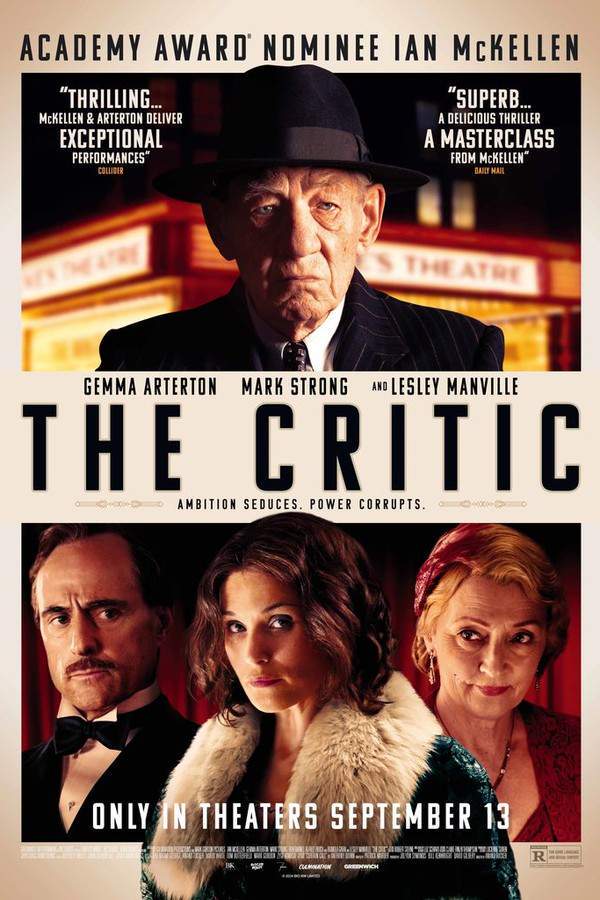
Ordinary people pulled into high-stakes political schemes with personal costs. For viewers who enjoyed The Conspirators' theme of a shoemaker caught in a revolution, this list finds similar movies about common people thrust into political intrigue. These films share a medium emotional weight and explore the personal toll of being a pawn in a dangerous game.

  • moral compromise
  • tense
  • tragic
  • fatalistic
  • political
  • personal sacrifice
  • Tone: grim, tense, tragic
  • Pacing: steady, character-driven
Why these movies?

The story pattern: The narrative centers on a low-status character who stumbles upon or is forced into a conspiracy. Their initial neutrality or simple life is destroyed as they are manipulated by opposing factions, leading to a personal tragedy that underscores the collateral damage of political power struggles.

Why they belong together: These films share the core character arc of an ordinary individual becoming a tool in a larger conflict, resulting in a sad ending and a medium emotional weight. The connection lies in the focus on personal doom within a grand political narrative.

If you liked this

Movies Like The Conspirators

Similar movies to The Conspirators: the same genre, themes or kind of story. Each one comes with its own plot summary, timeline and ending explained.

Browse all movie summaries

Every angle

The Conspirators (1969) Explained: Plot, Timeline & Characters

Everything about The Conspirators in one place: what happens in the plot summary, the timeline in chronological order, the characters and meaning and a spoiler-free summary. What's After the Movie adds the cast, box office and post-credit scenes.

Coming soon on iOS and Android

The Plot Explained Movie Summary App

Plot summaries, endings explained and timelines on your phone. Catch up on any movie in minutes, save your favorites and never miss a twist again.

Be the first to know when we launch. Your email stays private, always.

Learn more about the app