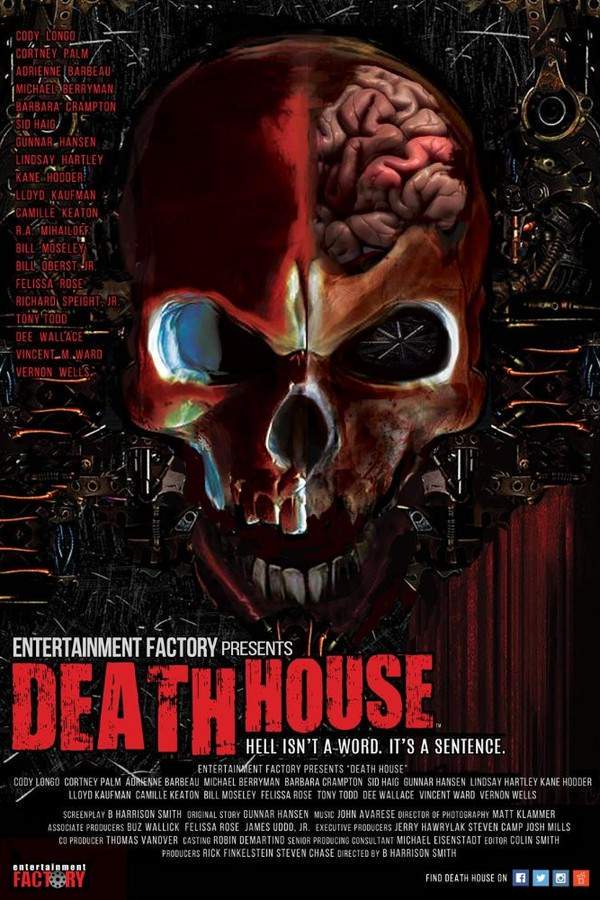
The film sinks the audience into a nightmarish atmosphere centered on Alley Oates, a depressed psychic whose involvement in a grisly child-murder case drags her and her detective partner, Jersey Callum, toward a fortress-like mortuary that looms with silent, unsettling secrets. The setting itself feels like a character—cold corridors, metal doors, and a sense that the walls are listening to what happened inside long before the shutters ever opened.
Within this claustrophobic space, the morgue’s owner, Chen, becomes the focal point of the mystery as he faces murder charges and insists on a shocking revelation: the three mummified corpses are not children at all, but ancient demons known as kyoshi. According to his troubling claim, a centuries-old curse keeps these creatures alive, and they demand human flesh as their sustenance—a dark appetite that Chen has fed for years, shaping the fate of everyone who crosses their path. The tension escalates as Chen is jailed, and the dormant horrors begin to awaken, their hunger driving them to break free from the mortuary’s cold grip and hunt the living.
The survivors—Oates and Callum among them—must improvise under pressure, using whatever means are available to confront the demonic threat. The danger is amplified by the demons’ ability to inhabit the bodies of the living, turning trusted figures into vessels of horror. Among the possessed is Mrs. Poopinplatz, a morgue attendant, along with her poodle, who are transformed into grotesque, weaponized embodiments of the demons’ craving. The haunting atmosphere intensifies as the staff, trapped behind closing doors and thinning air, scramble to outwit a force that blurs the lines between folklore and a present-day nightmare.
The narration threads through the story, guiding viewers with a steady, clinical cadence that contrasts with the escalating dread on screen. The film leans into a methodical, eerie rhythm: the clatter of instruments, the whisper of watchers in dim hallways, and the creeping realization that what begins as a routine investigation has all the markings of something almost ancient and inexorable. As Oates and Callum push forward, they confront the kyoshi’s manipulations and race to uncover a means to halt the curse before more lives are consumed by the dark hunger that now saturates the mortuary’s walls.
In the end, the tension remains taut and unrelenting, a testament to the ways fear can insinuate itself into the most ordinary of places. The story stays true to its core—a fight against a supernatural appetite that has wormed its way into human spaces—and leaves the characters to weigh the cost of survival against the cost of confronting ages-old terror that refused to stay buried. The film closes with a lingering sense that some places preserve their horrors just beneath the surface, ready to rise again whenever the moment is right.