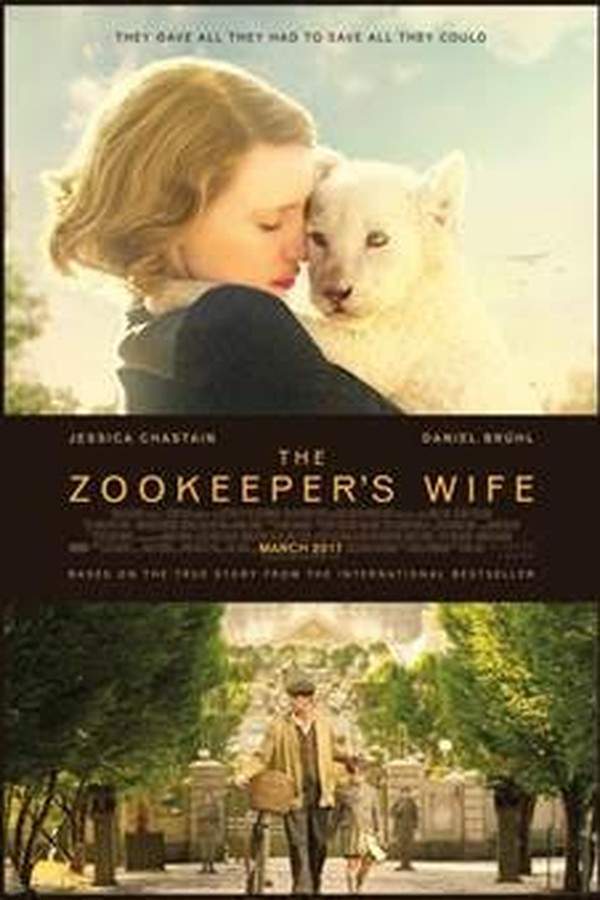
The Zookeeper's Wife

The Zookeeper's Wife

Year: 2017

Runtime: 127 min

Language: English

Director: Niki Caro

BiographyDramaHistoryWar

In 1939 Poland, Antonina and Jan Żabiński, keepers of a Warsaw zoo, face a harrowing ordeal when Nazi forces invade. As the world descends into war, they find themselves in a precarious position, using the zoo as a refuge for Jews and secretly aiding the Polish Resistance. Antonina's bravery and quick thinking become crucial as she risks her family’s safety to protect those in need, demonstrating extraordinary compassion amidst unimaginable cruelty.

Where to Watch The Zookeeper's Wife?

Find where to stream, rent, or buy The Zookeeper's Wife (2017) in the US with current JustWatch availability, up-to-date pricing, and platform listings for subscription, rental, and digital purchase options.

Warning: spoilers below!

Haven’t seen The Zookeeper's Wife yet? This summary contains major spoilers. Bookmark the page, watch the movie, and come back for the full breakdown. If you're ready, scroll on and relive the story!

Timeline – The Zookeeper's Wife (2017)

Trace every key event in The Zookeeper's Wife (2017) with our detailed, chronological timeline. Perfect for unpacking nonlinear stories, spotting hidden connections, and understanding how each scene builds toward the film’s climax. Whether you're revisiting or decoding for the first time, this timeline gives you the full picture.

1

The Opening of the Zoo

In the 1930s, Dr. Jan Żabiński took charge of Warsaw's largest zoo, where he worked alongside his wife Antonina. Their collaborative efforts not only showcased their commitment to animal conservation but also reflected their strong partnership during a time of growing unrest in Europe.

Warsaw Zoo
2

The Invasion Begins

On September 1, 1939, the aerial bombardment of Warsaw marked the beginning of the Invasion of Poland. Amidst the chaos and destruction, Jan and Antonina managed a daring escape with their son Ryszard, setting the stage for their subsequent acts of courage.

September 1, 1939 Warsaw
3

Dr. Lutz Heck Arrives

Dr. Lutz Heck, the head of the Berlin Zoo, arrived in Warsaw under the guise of a professional collaborator. However, it soon became clear that his intentions were nefarious, as he sought to eliminate the Żabińskis' animals under the pretense of relocation.

Warsaw
4

Sheltering Jewish Friends

As the war escalated, Jan and Antonina were approached by their Jewish friends, Maurycy Fraenkel and Magda Gross, who sought refuge from the horrors of the Ghetto. The Żabińskis courageously transformed their zoo into a sanctuary, providing safety for those fleeing persecution.

Warsaw Zoo
5

Creating the Pig Farm

To protect those they sheltered and mislead the occupying forces, the Żabińskis devised a plan to convert the zoo into a pig farm. Surprisingly, Heck accepted this proposition, believing it would help him in his ambitions to breed an aurochs.

Warsaw Zoo
6

Jan's Disguise in the Ghetto

Jan ventured into the Ghetto under the guise of collecting garbage to rescue people trapped in dire circumstances. He used trucks to transport these individuals to the zoo, providing them with temporary safety amidst the chaos.

Warsaw Ghetto
7

Concealed Underground Network

The Żabiński home became a complex of hidden tunnels and chambers, ensuring the safety of those in hiding. As Antonina played calming piano melodies at night, it signified to the concealed individuals that it was safe to emerge.

Warsaw Zoo
8

Tragic Moment with Janusz Korczak

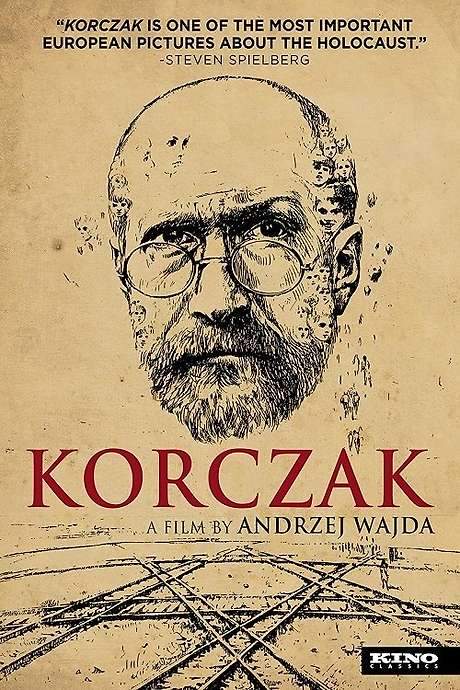
In 1942, tragedy struck as the Germans began transporting Jews to death camps. Jan's heart sank when Janusz Korczak, the head of a children's orphanage, refused to abandon his charges, leading to a harrowing moment for Jan as he was forced to assist in the loading of terrified children into cattle cars.

1942 Warsaw
9

Tensions with Heck

As Heck's inappropriate feelings for Antonina grew, the harmony within the Żabiński household began to fray. The pressures of war and Heck's increasing presence created a volatile situation, putting the sanctuary they had built at risk.

Early 1943 Warsaw
10

The Warsaw Uprising

When the Warsaw Uprising erupted, Jan grappled with the urge to fight for his homeland while longing to be reunited with his wife. The dynamic between Antonina and Heck intensified, with their lives hanging in the balance during this critical moment in history.

August 1944 Warsaw
11

Heck's Interrogation

Heck unexpectedly visited the Żabiński home, questioning young Ryszard about his parents' whereabouts. Ryszard displayed remarkable bravery, defiantly rebuking Heck's inquiries, thereby defusing the tension but heightening the risk of exposure.

Warsaw
12

Antonina's Despair

By January 1945, with the promise of peace on the horizon, Antonina's anxiety sharpens regarding Jan's safety. Her desperation to connect with Heck leads to a brutal confrontation, fracturing her spirit as she mourns the loss of innocence and safety.

January 1945 Warsaw
13

Reconstruction Begins

In the months following the Nazi surrender, Warsaw began to reclaim its strength. Antonina returned to the ravaged zoo, accompanied by Jerzyk, the devoted keeper, eager to restore the sanctuary where they had sheltered so many.

May 1945 Warsaw Zoo
14

A Defiant Reunion

Jan returned home after surviving a prison camp, reuniting with Antonina, who had endured so much in his absence. In a poignant act of defiance, they painted Stars of David on the zoo's cages as a symbol of resilience and hope.

Warsaw Zoo
15

Recognition for Bravery

The Żabińskis were honored by Yad Vashem for their selfless efforts, which helped save over 300 Jewish lives from persecution. Their legacy became a symbol of human dignity and moral courage amidst the horrors of war.

Israel

Last updated: November 22, 2024 at 14:35

Was this helpful?

The Zookeeper's Wife (2017) Timeline Questions Answered – Chronology FAQ

Find frequently asked questions about the The Zookeeper's Wife (2017) timeline, including chronological order, nonlinear jumps, cause-and-effect links, and scene sequence clarifications. This timeline FAQ helps explain when key events happen, how moments connect, and why the story unfolds in that specific order.

Q1

Why was Jan forced to help load children onto the trains?

A.

In 1942, when Germans began transporting Jews to death camps, Jan encountered Janusz Korczak at the loading station. Despite Jan's desperate plea for Korczak to flee, the orphanage head refused to abandon the children. Jan was then forcibly conscripted by the Germans to assist in loading the terrified children onto cattle cars, an act of brutal coercion that left him emotionally shattered.

Earlier in the war, Jan's role as a garbage collector in the Ghetto had already placed him in dangerous proximity to Nazi operations.

janusz korczakchildrencattle carsdeath camps1942
Q2

Why did Antonina go to Heck in January 1945?

A.

By January 1945, with the war nearing its end but Jan still missing in a prison camp, Antonina became desperate to learn his fate. She made a desperate approach to Heck, hoping he might have information about Jan. The encounter turned violent and brutal, leaving Antonina emotionally devastated and forcing her hidden guests to flee in panic.

Heck's inappropriate romantic attention toward Antonina had been growing since early 1943, creating tension in the household.

antoninaheckjan 1945desperationconfrontation
Q3

Why did Heck agree to the pig farm plan?

A.

The Żabińskis proposed converting their abandoned zoo into a pig farm to explain why they needed food and supplies, which would justify their activities rescuing people from the Ghetto. Heck accepted because he saw an opportunity, he wanted to breed aurochs, an extinct wild cattle, as a symbol of Nazi supremacy. The pig farm would provide cover and resources for his ambitious breeding project.

Heck's arrival was motivated by his professional interest in rare animals, particularly those with symbolic significance to the Nazi ideology.

heckpig farmaurochszoodeception
Q4

How did the zoo transform into a hidden refuge?

A.

Jan entered the Warsaw Ghetto daily under the guise of collecting garbage, secretly transporting hidden people in his truck back to the zoo. Their home was redesigned with concealed tunnels and chambers. At night, Antonina played her piano to signal those in hiding that it was safe to emerge; during daylight, everyone remained completely concealed.

The Żabińskis had already sheltered their Jewish friends Maurycy Fraenkel and Magda Gross early in the war, establishing the zoo as a safe haven.

ghettounderground tunnelspiano signalsanctuaryresistance
Q5

What happened to Janusz Korczak at the station?

A.

Janusz Korczak was a renowned educator who headed a Jewish children's orphanage. When Jan implored him to escape during the 1942 transport, Korczak refused, declaring he could not abandon his children. He walked willingly into the cattle car with his orphans, and both he and the children were deported to Treblinka, where they perished.

Korczak's reputation for selfless devotion to children had been established throughout the war.

janusz korczakorphanagetreblinkachildrendeportation
Q6

Why did the Żabińskis paint Stars of David on the zoo cages after the war?

A.

When Jan returned from the prison camp in 1945 and reunited with Antonina, they painted Stars of David on the zoo cages as a powerful symbol of defiance and remembrance. The stars honored the Jewish people they had saved and represented their moral victory over Nazi persecution, transforming the cages from symbols of animal captivity into memorials of human survival.

The zoo had served as a sanctuary for over 300 Jewish lives throughout the Nazi occupation.

stars of davidcagesdefiancememoryreunion
Q7

How did Heck's suspicion endanger the family?

A.

Heck's growing romantic obsession with Antonina created dangerous complications. In early 1943, his inappropriate feelings and increasing suspicions about the Żabińskis' activities strained the household. Later, in 1944, Heck arrived at their home demanding to know where Jan and Antonina were, questioning young Ryszard, who defiantly responded "Hitler is kaput!", a moment that could have exposed their entire operation.

Heck's arrival in Warsaw was initially framed as professional collaboration but quickly revealed his true, threatening nature.

hecksuspicionryszardriskinterrogation
Q8

What was the purpose of Antonina's piano playing at night?

A.

Antonina used her piano playing as a carefully designed signal system. The calming melodies told those hidden in the underground chambers that it was safe to come out and move around, receive food, or rest. During daylight hours, everyone remained completely hidden and silent to avoid detection by German inspectors or neighbors.

This system developed after the zoo was converted into the pig farm, allowing the Żabińskis to maintain their deception while secretly sheltering people.

pianosignalnighthiddensafety
Q9

How many Jewish people did the Żabińskis save?

A.

The Żabińskis saved over 300 Jewish lives through their underground network at the Warsaw Zoo. Using the pig farm as cover, Jan's garbage-collecting missions into the Ghetto, and the hidden tunnels in their home, they managed to shelter and transport hundreds of people to safety throughout the war.

Their operation began when Jewish friends Maurycy Fraenkel and Magda Gross first asked for refuge.

300savedjewsrescueyad vashem
Q10

What happened to Dr. Lutz Heck after the war?

A.

While the Żabińskis were honored by Yad Vashem for their heroism, Heck's fate was sealed by the Allied bombings of Berlin. His Berlin Zoo, including the prized aurochs enclosure he had hoped to use for his Nazi breeding program, was destroyed by bombs. The zoo that represented his ambitions lay in ruins.

Heck's obsession with breeding aurochs as a symbol of Nazi ideology had motivated his acceptance of the pig farm plan.

heckberlin zooaurochsbombingdestruction
Mobile App Preview

Coming soon on iOS and Android

The Plot Explained Mobile App

From blockbusters to hidden gems - dive into movie stories anytime, anywhere. Save your favorites, discover plots faster, and never miss a twist again.

Sign up to be the first to know when we launch. Your email stays private, always.

Explore Movie Threads

Discover curated groups of movies connected by mood, themes, and story style. Browse collections built around emotion, atmosphere, and narrative focus to easily find films that match what you feel like watching right now.

Moral Courage Dramas Like The Zookeeper's Wife

Stories of ordinary people risking everything to uphold their humanity during wartime.If you were moved by the bravery in The Zookeeper's Wife, explore these similar movies about ordinary people showing extraordinary moral fiber during wartime. These films share the themes of resistance, sacrifice, and protecting the vulnerable against overwhelming odds, offering heavy, impactful historical stories.

courageoussombertenseharrowingresilientoppressiveanxious

Narrative Summary

The narrative pattern follows protagonists who are thrust into a dark historical period, forcing them to make continuous, dangerous choices to help those being persecuted. The journey is one of escalating risk and tension, testing their resolve, relationships, and very survival, often culminating in a bittersweet resolution that acknowledges the cost of their bravery.

Why These Movies?

Movies are grouped here based on their profound emotional weight, dark historical settings, and central theme of altruistic resistance. They share a steady, methodical pacing that allows the gravity of the situation to sink in, creating a cohesive experience of somber, courageous storytelling.

Bittersweet Survival Stories Like The Zookeeper's Wife

Stories where survival is achieved, but at a profound and lasting emotional cost.For viewers seeking movies similar to The Zookeeper's Wife that explore the heavy cost of survival. These films feature harrowing journeys through historical events like war or persecution, ending on a note that is both hopeful for the future and deeply sorrowful for the past.

harrowingsombertraumaticresilientanxiousbittersweetheavy

Narrative Summary

The narrative arc is defined by a journey through a devastating historical event, focusing on the psychological and emotional toll of survival. The plot builds tension through life-or-death stakes, leading to an ending that validates the characters' resilience but also emphasizes the profound scars and losses they carry forward, leaving a lasting impact on the viewer.

Why These Movies?

These films are grouped by their shared combination of a high-intensity, harrowing plot based on true events, a fundamentally dark tone, and a conclusively bittersweet ending. They create a coherent vibe of somber reflection on the price of making it through history's darkest chapters.

Unlock the Full Story of The Zookeeper's Wife

Don't stop at just watching - explore The Zookeeper's Wife in full detail. From the complete plot summary and scene-by-scene timeline to character breakdowns, thematic analysis, and a deep dive into the ending - every page helps you truly understand what The Zookeeper's Wife is all about. Plus, discover what's next after the movie.

The Zookeeper's Wife Summary

Read a complete plot summary of The Zookeeper's Wife, including all key story points, character arcs, and turning points. This in-depth recap is ideal for understanding the narrative structure or reviewing what happened in the movie.

The Zookeeper's Wife Summary

Characters, Settings & Themes in The Zookeeper's Wife

Discover the characters, locations, and core themes that shape The Zookeeper's Wife. Get insights into symbolic elements, setting significance, and deeper narrative meaning - ideal for thematic analysis and movie breakdowns.

Characters, Settings & Themes in The Zookeeper's Wife

The Zookeeper's Wife Spoiler-Free Summary

Get a quick, spoiler-free overview of The Zookeeper's Wife that covers the main plot points and key details without revealing any major twists or spoilers. Perfect for those who want to know what to expect before diving in.

The Zookeeper's Wife Spoiler-Free Summary

More About The Zookeeper's Wife

Visit What's After the Movie to explore more about The Zookeeper's Wife: box office results, cast and crew info, production details, post-credit scenes, and external links - all in one place for movie fans and researchers.

More About The Zookeeper's Wife

Similar Movies to The Zookeeper's Wife

Discover movies like The Zookeeper's Wife that share similar genres, themes, and storytelling elements. Whether you’re drawn to the atmosphere, character arcs, or plot structure, these curated recommendations will help you explore more films you’ll love.