The Young Poisoner’s Handbook

The Young Poisoner’s Handbook

Year: 1995

Runtime: 99 mins

Language: English

Director: Benjamin Ross

CrimeComedyDrama

Graham Young is a teenage outsider in 1960s London who despises his stepmother and is fascinated by chemistry. He channels both feelings into a calculated plan to poison her slowly. After her death he is convicted, sentenced to a psychiatric hospital, and an idealistic doctor believes he can be rehabilitated, and the story raises moral questions.

Warning: spoilers below!

Haven’t seen The Young Poisoner’s Handbook yet? This summary contains major spoilers. Bookmark the page, watch the movie, and come back for the full breakdown. If you're ready, scroll on and relive the story!

Timeline & Setting – The Young Poisoner’s Handbook (1995)

Explore the full timeline and setting of The Young Poisoner’s Handbook (1995). Follow every major event in chronological order and see how the environment shapes the story, characters, and dramatic tension.

Time period

1950s–1960s

Set in postwar Britain, the narrative situates a teenage crisis in a era of limited psychological understanding and evolving forensic methods. The late 1950s into the early 1960s provide the backdrop for Graham Young’s formative years, his crimes, and subsequent confinement. This period reflects social attitudes toward psychiatry, punishment, and rehabilitation that shape the story’s framing.

Location

Neasden, London, Psychiatric hospital, Prison, Camera factory

The story begins in Neasden, a London suburb, before moving through institutional spaces that shape Graham's life. It traverses a domestic home, a psychiatric hospital where treatment attempts occur, a factory where the poisonings resume, and the prison system that confines him. These settings highlight the journey from adolescence to criminal adulthood and the institutions involved in attempts at rehabilitation and punishment.

🏙️ London suburb 🧪 Chemistry 🏥 Psychiatric care 🏭 Industrial setting

Last Updated: October 04, 2025 at 17:47

Main Characters – The Young Poisoner’s Handbook (1995)

Meet the key characters of The Young Poisoner’s Handbook (1995), with detailed profiles, motivations, and roles in the plot. Understand their emotional journeys and what they reveal about the film’s deeper themes.

Graham Young (Hugh O'Conor)

Graham is portrayed as highly intelligent and chillingly methodical, with a precocious talent for chemistry and a growing fixation on death. His charm masks a dangerous compulsion to poison, revealed through escalating acts in school, at home, and in the workplace. He combines intellectual prowess with a chilling absence of empathy, making him an unreliable and dangerous protagonist. The character navigates manipulation, secrecy, and a chilling pursuit of control over others’ lives.

🧠 Genius 🧪 Chemist 😈 Psychopath

Dr. Ernest Zeigler (Antony Sher)

Dr. Zeigler is the psychiatrist who attempts to rehabilitate Graham after his initial confinement. He is drawn into Graham’s calculated demeanor, discerning the gaps between Graham’s presented persona and his true intentions. The dynamic explores the tensions between belief in rehabilitation and suspicion of deception within clinical care. His approach embodies the era's confidence in psychoanalytic methods to reform criminal behavior.

🧠 Psychology 🩺 Psychiatry 😈 Manipulative

Dr. Triefus (Malcolm Sinclair)

Dr. Triefus appears as a medical authority within the hospital setting, representing institutional assessment and the boundaries of medical ethics. He interacts with Graham in the clinical environment, contributing to the portrayal of the system's attempts to manage dangerous minds. The character embodies the procedural aspects of diagnosis, treatment, and the friction between care and control.

🧠 Medicine 😶 Detachment

Last Updated: October 04, 2025 at 17:47

Major Themes – The Young Poisoner’s Handbook (1995)

Explore the central themes of The Young Poisoner’s Handbook (1995), from psychological, social, and emotional dimensions to philosophical messages. Understand what the film is really saying beneath the surface.

🧪 Obsession

Graham Young’s fixation with death and the macabre drives his actions. His high intelligence and chemistry skills amplify a dangerous curiosity about poisoning. The film traces how the lure of danger can escalate into compulsion, pushing him toward increasingly lethal experiments. This obsession anchors the narrative and reveals the line between genius and moral decline.

🎭 Deceit

Deception sits at the core of the story: Graham’s manipulation extends to borrowing dreams from a fellow prisoner and presenting a façade of reform to doctors. He maintains a calm, cooperative front while secretly engineering poison, eroding trust within families, medical professionals, and colleagues. The film shows how deceit can persist even within therapeutic and institutional settings, until exposure becomes unavoidable.

⚖️ Consequences

The narrative builds toward arrest, trial, and confinement, illustrating society's attempt to contain dangerous behavior. The hospital and prison serve as endpoints for his dangerous arc, while the doctors' efforts at rehabilitation confront the limits of treatment. The eventual outcomes—custodial sentences and self-poisoning—highlight the somber consequences of his actions and the gravity of accountability.

Last Updated: October 04, 2025 at 17:47

Mobile App Preview

Coming soon on iOS and Android

The Plot Explained Mobile App

From blockbusters to hidden gems — dive into movie stories anytime, anywhere. Save your favorites, discover plots faster, and never miss a twist again.

Sign up to be the first to know when we launch. Your email stays private — always.

Explore Movie Threads

Discover curated groups of movies connected by mood, themes, and story style. Browse collections built around emotion, atmosphere, and narrative focus to easily find films that match what you feel like watching right now.

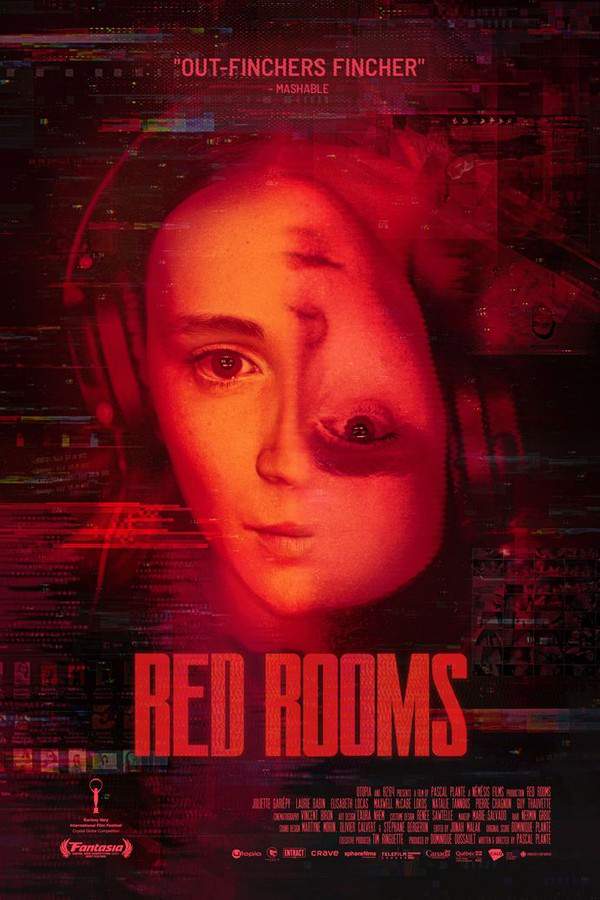
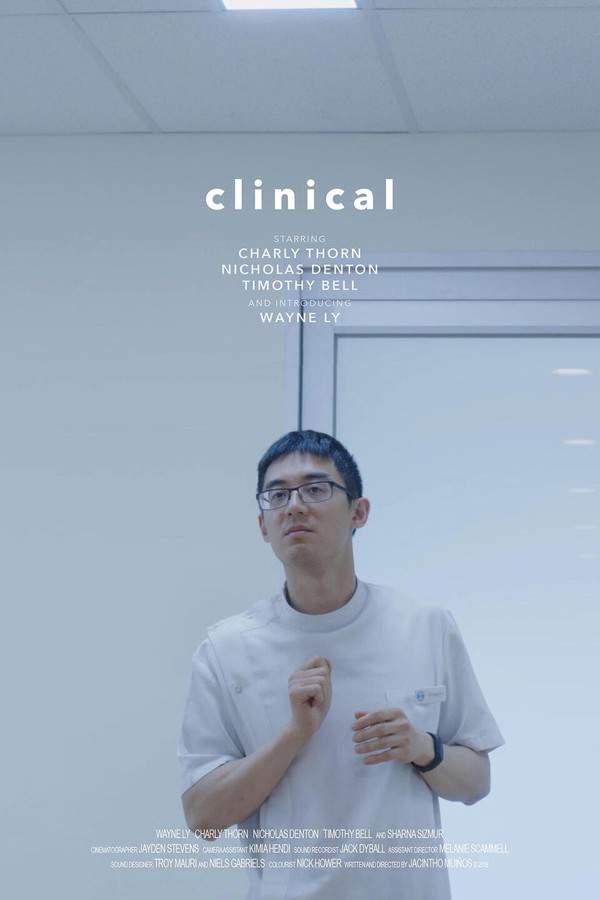
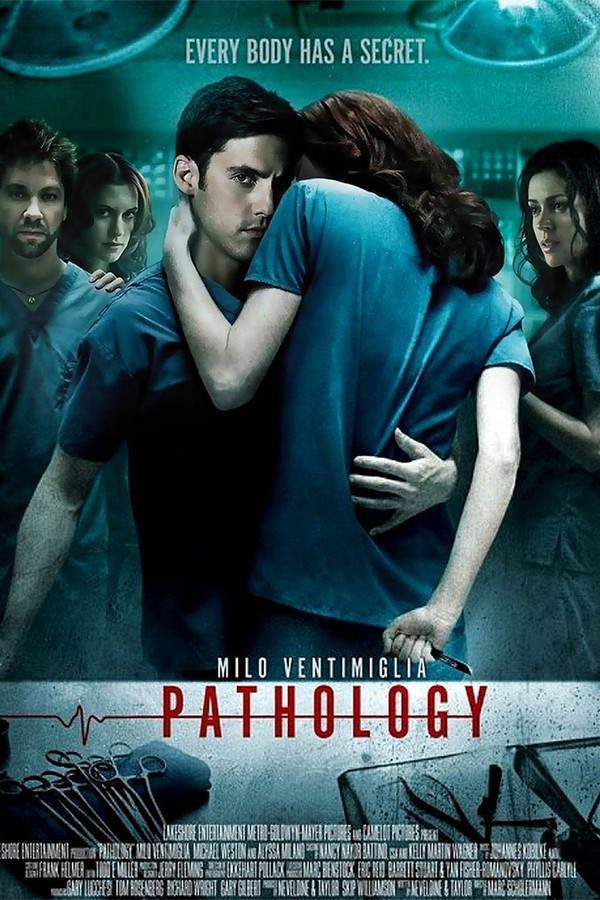
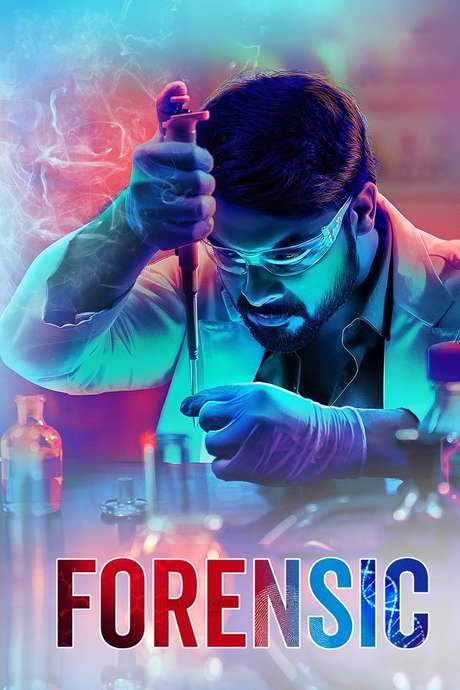
Chilling true crime stories like The Young Poisoner’s Handbook

Stories that dissect criminal psychology with a cold, unsettling precision.If you were fascinated by the cold, calculated portrayal of Graham Young, explore more movies like The Young Poisoner’s Handbook. This collection features similar true crime and psychological dramas that dissect criminal acts with a clinical, unsettling eye, focusing on the 'why' rather than the 'what'.

clinicalmorbidunsettlingpsychologicalchillingtrue crimedetachedfascinating

Narrative Summary

Narratives in this thread often follow a methodical, almost documentary-style exploration of a crime or criminal. The focus is on understanding the psychology behind the actions, frequently from a detached perspective. The plot is driven by the unraveling of a psyche rather than a traditional cat-and-mouse chase, leading to bleak or morally complex conclusions.

Why These Movies?

These films are grouped together by their shared tone of clinical detachment and their focus on morbid curiosity. They prioritize a psychological deep-dive over sensationalism, creating a specific, intellectually chilling vibe that feels more like a case study than a thriller.
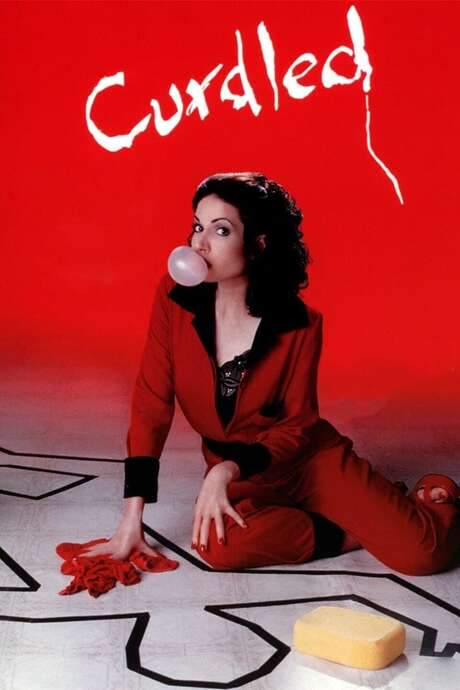
Movies about institutional failure like The Young Poisoner’s Handbook

Tales of troubled individuals and the institutions that can't save them.For viewers intrigued by the tragic cycle of Graham Young's release and re-offense, this list features movies like The Young Poisoner’s Handbook. These films explore similar themes of troubled individuals, misguided rehabilitation, and the bleak consequences when systems fail to contain or cure profound dysfunction.

bleakoppressivetragicpsychologicaldysfunctionalinstitutionalheavypessimistic

Narrative Summary

The narrative pattern follows a protagonist with severe psychological issues who interacts with a well-intentioned but ultimately ineffective system (like psychiatry or probation). The story arc is often a downward spiral, where early hopes for recovery are dashed, leading to a tragic and inevitable conclusion that questions the very possibility of redemption for certain individuals.

Why These Movies?

These movies share a core theme: the collision between profound personal dysfunction and the inability of institutional systems to manage it. They create a specific, pessimistic mood built on the failure of rehabilitation and the inevitability of a bleak outcome, making the emotional journey particularly heavy.

Unlock the Full Story of The Young Poisoner’s Handbook

Don't stop at just watching — explore The Young Poisoner’s Handbook in full detail. From the complete plot summary and scene-by-scene timeline to character breakdowns, thematic analysis, and a deep dive into the ending — every page helps you truly understand what The Young Poisoner’s Handbook is all about. Plus, discover what's next after the movie.

The Young Poisoner’s Handbook Summary

Read a complete plot summary of The Young Poisoner’s Handbook, including all key story points, character arcs, and turning points. This in-depth recap is ideal for understanding the narrative structure or reviewing what happened in the movie.

The Young Poisoner’s Handbook Summary

The Young Poisoner’s Handbook Timeline

Track the full timeline of The Young Poisoner’s Handbook with every major event arranged chronologically. Perfect for decoding non-linear storytelling, flashbacks, or parallel narratives with a clear scene-by-scene breakdown.

The Young Poisoner’s Handbook Timeline

The Young Poisoner’s Handbook Spoiler-Free Summary

Get a quick, spoiler-free overview of The Young Poisoner’s Handbook that covers the main plot points and key details without revealing any major twists or spoilers. Perfect for those who want to know what to expect before diving in.

The Young Poisoner’s Handbook Spoiler-Free Summary

More About The Young Poisoner’s Handbook

Visit What's After the Movie to explore more about The Young Poisoner’s Handbook: box office results, cast and crew info, production details, post-credit scenes, and external links — all in one place for movie fans and researchers.

More About The Young Poisoner’s Handbook

Similar Movies to The Young Poisoner’s Handbook

Discover movies like The Young Poisoner’s Handbook that share similar genres, themes, and storytelling elements. Whether you’re drawn to the atmosphere, character arcs, or plot structure, these curated recommendations will help you explore more films you’ll love.