










Plot Explained Spoilers guaranteed!
Plot Explained

Browse by genre

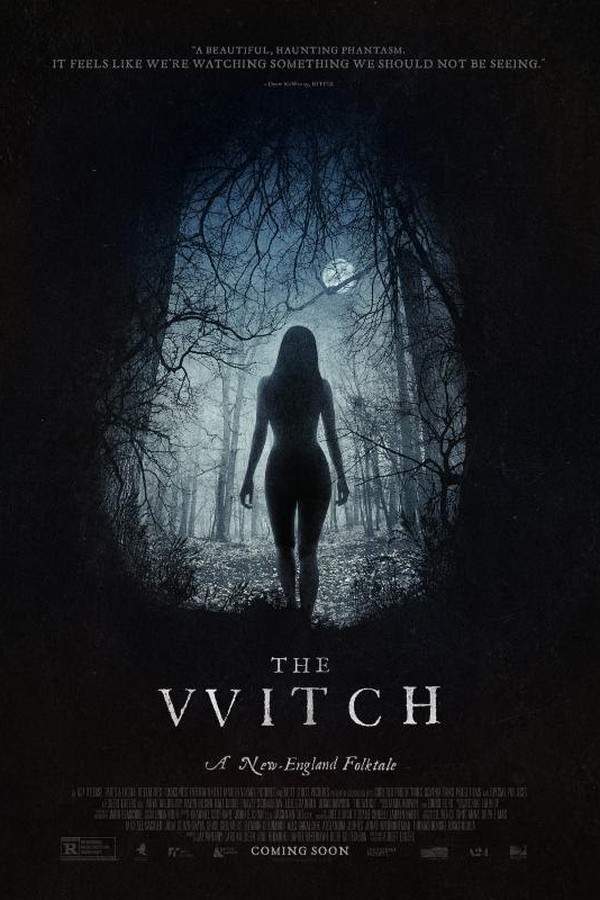
The Witch (2016) movie poster

Characters & Themes

The Witch (2016) Characters, Setting & Themes Explained

Release, runtime and language
2016 · 92 min · English
JustWatch #132 20
Directed by
Robert Eggers
Starring
Ralph Ineson, Anya Taylor-Joy, Julian Richings, Kate Dickie, Harvey Scrimshaw
Budget
$4M

In 17th-century New England, a family seeking refuge from religious persecution establishes a farm near a dense, ominous forest. As unsettling events unfold – livestock die mysteriously, crops fail, and their infant son vanishes – paranoia and dread grip the family. Fingers point towards Thomasin, a young woman, who vehemently denies any involvement in the escalating misfortunes. The family's faith and unity are tested as they confront a growing sense of evil.

On this page (8)
  1. 1 Where to watch
  2. 2 Characters explained (5)
  3. 3 Where & when it takes place
  4. 4 Themes & meaning (2)
  5. 5 Character & meaning questions
  6. 6 Movie threads
  7. 7 Movies like The Witch
  8. 8 Every angle

Where to watch

Where to Watch The Witch (2016)

Where can you watch The Witch? Stream, rent or buy it in the US, including on Amazon Prime Video, Fandango at Home Free and Plex: current JustWatch availability with up-to-date prices.

Streaming availability powered by JustWatch

5 main characters · contains spoilers

The Witch Characters Explained: Who Is Who

The main characters of The Witch (2016), heroes and villains: what drives them, how they change over the course of the story and what each of them reveals about the film's bigger ideas.

  • William

    played by Ralph Ineson

    William is the patriarch of the family, portrayed as a staunch believer who is unwilling to conform to societal expectations. He is fiercely protective of his family but struggles under the weight of his convictions, leading to desperation and tragedy. His refusal to acknowledge the influence of fear and superstition ultimately contributes to the family's doom.

    • 👨‍👩‍👧 Patriarchy
    • 🛡️ Protection
  • Thomasin

    played by Anya Taylor-Joy

    Thomasin, the eldest daughter, navigates the tumultuous waters of adolescence amidst family strife and suspicion. As she grapples with her emerging femininity and the weight of her family's accusations, she transforms from a dutiful daughter to a figure of darkness. Her character arc sharply illustrates the conflict between innocence and the allure of power.

    • 🧑‍🎤 Transformation
    • 🌌 Dark Allure
  • Katherine

    played by Kate Dickie

    Katherine embodies grief and desperation in the wake of her family's misfortunes. Her heartbreak over the loss of her infant son leads her to irrational behavior, ultimately clouding her judgment. As a mother driven by fear, she becomes increasingly dangerous and paranoid, driving a wedge between her and Thomasin.

    • 💞 Motherhood
    • 😢 Desperation
  • Caleb

    played by Harvey Scrimshaw

    Caleb represents the struggle between childhood innocence and adult fears. As he faces the shame of growing up and navigating his feelings toward Thomasin, he becomes a victim of the family's unraveling sanity. His tragic fate highlights the consequences of societal pressures on the youth.

    • 🧒 Innocence
    • 🌪️ Conflict
  • Black Phillip

    Black Phillip serves as a complex symbol of temptation and the unexplained darkness that lurks within the family. Initially a source of companionship, he ultimately embodies evil, leading Thomasin toward a path of embracing witchcraft. His character blurs the line between innocence and malevolence.

    • 🐐 Temptation
    • 🌑 Evil

Last updated: October 22, 2024 at 19:29

Was this helpful?

Setting

Where and When Does The Witch Take Place?

The setting of The Witch (2016): the year and time period, the places and locations, and how they shape the characters, the mood and the tension of the story.

Time period

1630s

The 1630s were marked by religious persecution and the search for freedom among various groups in colonial America. In this period, Puritanical values were strong, leading to an environment rife with suspicion and conflict. The societal pressures of conforming to strict beliefs often resulted in tragic outcomes for those who defied the norms.

Location

New England

The film is set in 1630s New England, a region characterized by its dense and foreboding woods that symbolize mystery and danger. This isolated rural landscape is known for its superstitions and strict religious beliefs, creating an atmosphere of tension and paranoia. The family's struggle to establish their own farm reflects the early colonial challenges faced by many during this time.

  • 🏡 New England
  • 🌲 Woods

Last updated: October 22, 2024 at 19:29

Was this helpful?

2 major themes

The Witch Meaning: Themes & Message Explained

What is The Witch (2016) really about? The emotional, social and philosophical themes the film keeps returning to, its symbolism and the message beneath the surface.

  • Witchcraft

    Witchcraft is a central theme in 'The Witch', embodying the fear of the unknown and the societal obsession with sin and morality. As the tensions within the family rise, accusations of witchcraft become a tool of scapegoating, showcasing the dangers of paranoia. The theme culminates in Thomasin's embrace of witchcraft, revealing the powerful allure of darkness amidst oppression.

  • Family Disruption

    The disintegration of family bonds under pressure is a poignant theme in the film. The loss of trust and love among family members leads to devastating consequences, ultimately resulting in tragedy. Each character's descent into fear and blame highlights how external pressures can fracture familial relationships.

Last updated: October 22, 2024 at 19:29

Was this helpful?

Character & theme questions

The Witch Characters & Meaning: Your Questions Answered

The questions people ask about The Witch (2016): who the characters really are, their relationships, what the symbols mean, where it takes place and what the movie is really about. Each answer contains spoilers.

Q1

Where is The Witch set?

The film is set in 1630s New England, on an isolated farm located at the edge of a dense, foreboding forest. This remote rural landscape represents the early colonial challenges faced by families seeking refuge from religious persecution, creating an atmosphere of isolation and vulnerability.

  • setting
  • new england
  • forest
  • farm
  • colonial america
Q2

What time period is The Witch set in?

The Witch takes place in the 1630s, during the early colonial period in America. This era was characterized by strong Puritanical values, religious persecution, and strict societal norms that created an environment ripe for suspicion and conflict.

  • 1630s
  • colonial
  • puritan
  • historical
  • new england
Q3

What does the forest represent in The Witch?

The dense woods surrounding the family's farm symbolize mystery, danger, and the unknown. The forest represents a threshold between the civilized world of Puritan order and the chaotic, supernatural realm of witchcraft and evil that threatens to consume the family.

  • forest
  • woods
  • symbolism
  • danger
  • supernatural
Q4

What are the main themes in The Witch?

The Witch explores two central themes: witchcraft and family disruption. Witchcraft embodies the fear of the unknown and the societal obsession with sin, with accusations serving as tools of scapegoating during times of paranoia. Family disruption shows how the loss of trust among family members under pressure leads to devastating tragedy.

  • witchcraft
  • family
  • themes
  • sin
  • paranoia
Q5

Who is Thomasin in The Witch?

Thomasin is the eldest daughter of the family, portrayed by Anya Taylor-Joy. She navigates family strife and suspicion while grappling with her emerging femininity. Her character arc illustrates the conflict between innocence and the allure of power, as she transforms from a dutiful daughter into a figure who embraces witchcraft.

  • thomasin
  • daughter
  • femininity
  • transformation
  • power
Q6

What does Black Phillip symbolize in The Witch?

Black Phillip, the family goat, serves as a complex symbol of temptation and unexplained darkness. Initially appearing as a source of companionship, he ultimately embodies evil and leads Thomasin toward embracing witchcraft, blurring the line between innocence and malevolence.

  • black phillip
  • goat
  • temptation
  • evil
  • symbolism
Q7

How does the Puritan setting affect The Witch?

The Puritan setting creates a world where strict religious beliefs and fear of sin dominate daily life. This environment fuels paranoia and suspicion, making the family vulnerable to accusing one another of witchcraft. The societal pressure to conform to rigid moral standards ultimately contributes to the family's destruction.

  • puritan
  • religion
  • faith
  • sin
  • religious persecution
Q8

Why does the family fall apart in The Witch?

The family deteriorates because external misfortunes, livestock deaths, crop failures, and the disappearance of their infant son, erode trust and love among family members. Paranoia and fear lead to mutual accusations, with Thomasin becoming the scapegoat, ultimately fracturing the familial bonds beyond repair.

  • family
  • trust
  • paranoia
  • accusation
  • collapse
Q9

Who is William in The Witch?

William, portrayed by Ralph Ineson, is the patriarch of the family. He is a staunch believer who refuses to conform to societal expectations and struggles under the weight of his convictions. His inability to acknowledge fear and superstition contributes to the family's doom, as his rigid faith proves inadequate against supernatural forces.

  • william
  • patriarch
  • father
  • faith
  • stubbornness
Q10

What does The Witch say about faith and fear?

The film suggests that rigid, unquestioning faith can breed paranoia and irrationality rather than provide protection. As the family's religious convictions intensify, so does their fear and susceptibility to blaming supernatural forces, ultimately leading to their destruction when faith fails to protect them.

  • faith
  • fear
  • religion
  • paranoia
  • belief
Q11

How does The Witch explore gender and oppression?

The Witch uses Thomasin's journey to explore how women in Puritan society were marginalized and vulnerable to accusation. Her transformation into a witch represents a reclamation of power in a world that scapegoated women. The film suggests that oppression can drive the oppressed toward embracing the very evil used to accuse them.

  • gender
  • oppression
  • women
  • thomasin
  • power

Movie threads

More Movies Like The Witch, by Mood & Story

Curated lists built around what makes The Witch tick: the same mood, the same kind of story or the same emotional payoff. Each list explains why these movies belong together.

Atmospheric folk horror movies like The Witch

Stories where ancient folklore and superstition manifest terrifying realities. If you liked the primal dread and folklore-based terror of The Witch, explore these movies where ancient superstitions and rural isolation breed supernatural horror. Discover similar stories of folk mythology turning into terrifying reality.

  • folk horror
  • atmospheric
  • supernatural
  • isolating
  • dreadful
  • primordial
  • Tone: dark, dreadful
  • Pacing: slow, deliberate
Why these movies?

The story pattern: These narratives typically follow individuals or families confronting supernatural forces rooted in local legend or pagan belief systems. The horror is often slow to reveal itself, intertwined with the landscape and the characters' own growing belief in the folklore, leading to a confrontation with an ancient, often inescapable, evil.

Why they belong together: Movies in this thread share a foundation in folk mythology and a setting removed from modern society, which amplifies the fear of the unknown. They prioritize atmosphere and a specific, earthy brand of supernatural horror over jump scares, creating a cohesive experience for viewers seeking this niche.

Slow burn paranoid siege movies like The Witch

Narratives where isolation breeds paranoia and fractures family bonds from within. For viewers who appreciated the slow-building paranoia and family breakdown in The Witch, this list features movies where isolation turns characters against each other. Find similar stories of psychological siege and self-destruction.

  • slow burn
  • paranoid
  • psychological
  • claustrophobic
  • family breakdown
  • isolation
  • Tone: dark, tense, paranoid
  • Pacing: slow burn
Why these movies?

The story pattern: The story arc focuses on a closed system—like a remote farm or an isolated location—where an external pressure (real or perceived) causes the group's internal dynamics to unravel. The plot is driven by escalating accusations, secrets, and a loss of faith in one another, often making the internal collapse more terrifying than the external menace.

Why they belong together: These films are grouped by their shared focus on psychological horror born from confinement and mistrust. They utilize a slow pacing to meticulously build tension from interpersonal drama and paranoia, creating a deeply unsettling experience that resonates with viewers who enjoy watching characters psychologically unravel.

If you liked this

Movies Like The Witch

Similar movies to The Witch: the same genre, themes or kind of story. Each one comes with its own plot summary, timeline and ending explained.

Browse all movie summaries

Every angle

The Witch (2016) Explained: Plot, Ending, Timeline & Characters

Everything about The Witch in one place: what happens in the plot summary, the timeline in chronological order, the characters and meaning, the ending explained and a spoiler-free summary. What's After the Movie adds the cast, box office and post-credit scenes.

Coming soon on iOS and Android

The Plot Explained Movie Summary App

Plot summaries, endings explained and timelines on your phone. Catch up on any movie in minutes, save your favorites and never miss a twist again.

Be the first to know when we launch. Your email stays private, always.

Learn more about the app