Plot Explained Spoilers guaranteed!
Plot Explained

Browse by genre

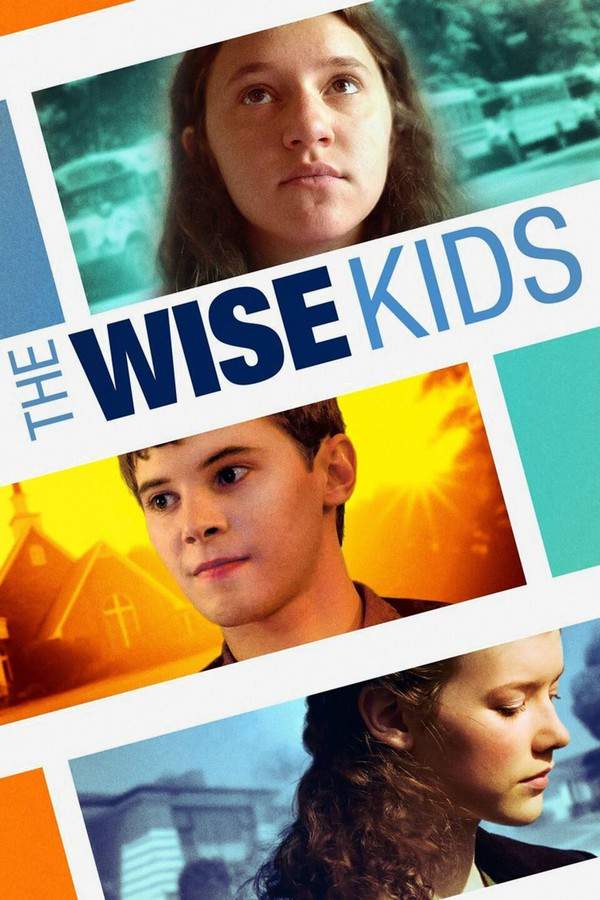
The Wise Kids (2012) movie poster

Plot Summary

The Wise Kids (2012) Plot Summary Explained

Release, runtime and language
2012 · 91 min · English
JustWatch #32,852 1
Directed by
Stephen Cone

A poignant drama set within a Charleston Baptist church, the story follows three young people on the cusp of adulthood. Brea, the pastor’s daughter, wrestles with her faith and growing doubts. Her spirited best friend, Laura, and Tim, a compassionate newcomer, offer support as he struggles to accept his true identity. Facing uncertain futures and the imperfections of their community, the friends must find a balance between personal freedom and the security of tradition.

On this page (6)
  1. 1 Where to watch
  2. 2 What happens: full plot
  3. 3 Plot questions answered
  4. 4 Movie threads
  5. 5 Movies like The Wise Kids
  6. 6 Every angle

Where to watch

Where to Watch The Wise Kids (2012)

Where can you watch The Wise Kids? Stream, rent or buy it in the US, including on Amazon Prime Video, Fawesome and Fandango at Home Free: current JustWatch availability with up-to-date prices.

Streaming availability powered by JustWatch

Full plot summary · contains spoilers

What Happens in The Wise Kids: Full Plot Summary

The whole story of The Wise Kids (2012) explained, from the opening scene to the final frame: every key event, every twist and what it all adds up to. Read it as a quick recap before the sequel, to check a scene you missed, or to finally understand what really happened.

As graduation approaches, three high school seniors—Brea, Tim, and their dear friend Laura—are caught in the whirlwind of exploring their faith, identity, and relationships. Their South Carolina Baptist church, once a sanctuary, starts revealing its fractures as they prepare to say goodbye. For Brea, the seeds of doubt regarding her beliefs take root, creating tension with the devout Laura, who remains unwavering in her faith. Meanwhile, Tim grapples with the stirring feelings of his own sexuality, challenging the stability of his long-standing friendship with Laura.

Amidst these tensions, Brea finds a kindred spirit in Cheryl, a rebellious outcast unafraid to challenge the norms. It is through her influence that Brea's disillusionment with the church's strict doctrines deepens, pushing her to look critically at the contradictions within scripture. This newfound skepticism blooms into a strong sense of independence, igniting a journey that leads her to carve out her own beliefs and pathways.

Further complicating the narrative, Elizabeth, the wife of music director Austin, struggles within her marriage, feeling a disconnect despite their seemingly perfect life. Austin's inability to connect on an intimate level has left Elizabeth in a state of frustration, prompting her to seek solace in Dylan, a married youth director, highlighting the fragile foundation of their union.

As Tim embarks on his self-discovery journey, he finds support in his father, Jerry, who, despite his initial reservations, steps up to guide his son. With his younger brother Brad still grappling with this unfolding reality, Tim seizes the chance to explore his sexuality and freedom at a dance club, surrendering to the music and passion of the moment.

With graduation nearing, Laura feels a growing chasm between herself and her friends, Tim and Brea, whose acceptance into New York University signals their departure from South Carolina. In her quest to maintain their connection, she turns to April, leading to an awkward lunch date with April's cousin, Patrick, introducing a new dynamic into her life.

In a touching climax, the trio gathers for one final celebration before embarking on their college adventures. Laura earnestly urges Brea to stay true to her faith, yet it’s evident their paths are diverging. As they bid farewell, they each face the exhilarating uncertainty of their futures, holding tight to their beliefs and the treasured memories of their friendship.

As the semester concludes, the trio—now including Patrick in Laura's life—returns home, their bond notably deeper from shared experiences. Jerry, curious about Tim's college life, suggests he should explore romance, a nod to the changing dynamics in their family. The evening unfolds with a heartfelt moment as Austin confides in Tim about his own struggles with same-sex attractions. In an atmosphere charged with mixed emotions, Tim offers comfort, turning his solid friendship into a safe harbor for Austin’s vulnerability.

The narrative culminates in a poignant scene at the church's living nativity. Here, the air filled with hope and love, Austin whispers sweet words to Elizabeth, “I love you,” to which she lovingly responds, “I love you, too.” This quiet yet profound exchange encapsulates the themes of acceptance, love, and friendship, leaving a lasting impression of the journey towards embracing one's true self.
Last updated: November 18, 2024 at 21:14

Was this helpful?

Plot questions answered

The Wise Kids Plot Explained: Your Questions Answered

The questions people ask most about The Wise Kids (2012): what happens in the confusing scenes, why the characters do what they do, the twists, hidden details and what the ending means. Each answer contains spoilers.

Q1

Why does Brea start questioning her religious beliefs?

Brea's faith begins to crumble after she befriends Cheryl, a rebellious outcast who encourages her to challenge the church's strict doctrines. Through Cheryl's influence, Brea starts recognizing contradictions within scripture and traditional beliefs, which sparks her journey toward skepticism and eventual independence from the faith she was raised in.

Foreshadowing: Early scenes show Brea listening uneasily during church services, hinting at her growing discomfort with doctrine.

  • brea
  • faith
  • doubt
  • church
  • cheryl
Q2

Why does Tim struggle with his sexuality throughout the film?

Tim grapples with discovering same-sex attractions that conflict with his upbringing in a conservative Baptist community. This internal struggle creates tension with his longtime friend Laura and leads him to seek self-acceptance. He eventually finds support from his father Jerry and takes steps to explore his identity at a dance club.

Foreshadowing: Tim's discomfort around Laura and his vague excuses about not dating hint at his deeper confusion.

  • tim
  • sexuality
  • identity
  • coming out
  • self-discovery
Q3

Why does Austin tell Tim about his same-sex attractions?

Austin, the church's music director, has been hiding his same-sex attractions while married to Elizabeth, causing strain in their marriage. He confides in Tim because he sees him as a safe person who might understand, likely recognizing something of himself in Tim. This moment of vulnerability allows Austin to finally speak his truth, and Tim responds with compassion, strengthening their bond.

Foreshadowing: Elizabeth's complaint about Austin's inability to connect intimately hints at his internal struggle.

  • austin
  • tim
  • confession
  • sexuality
  • marriage
  • secret
Q4

Why do Austin and Elizabeth reconcile at the end despite their marital problems?

Austin and Elizabeth's reconciliation comes after Austin finally opens up about his struggles with same-sex attractions. By sharing this secret with Tim, he takes the first step toward honesty. At the church's living nativity scene, a setting symbolizing hope and redemption, Austin tells Elizabeth he loves her, and she responds with acceptance. Their willingness to face the truth together allows them to move forward.

Foreshadowing: The tension between Austin and Elizabeth builds throughout the film, with Elizabeth seeking comfort in another relationship, setting up their eventual reckoning.

  • austin
  • elizabeth
  • reconciliation
  • love
  • acceptance
  • nativity
Q5

Why does Laura feel like her friends are drifting away?

Laura feels isolated because both Brea and Tim are leaving South Carolina for New York University, while she remains in their hometown. Their impending departure represents a larger divide: Brea is losing her faith and Tim is exploring his sexuality, while Laura's unwavering commitment to her beliefs creates philosophical distance. This combination makes Laura feel abandoned by the friends she's known since childhood.

Foreshadowing: Early tension between Laura and Brea over faith differences establishes the growing chasm between them.

  • laura
  • brea
  • tim
  • friendship
  • graduation
  • isolation
Q6

What role does Cheryl play in Brea's transformation?

Cheryl serves as the catalyst for Brea's break from her religious background. As a rebellious outcast unafraid to challenge norms, Cheryl shows Brea that questioning authority and doctrine is possible. Their friendship gives Brea the courage to examine contradictions in her faith, ultimately leading her to reject the strict beliefs she was raised with and pursue her own path.

Foreshadowing: Brea's initial curiosity about Cheryl's rebellious nature foreshadows her eventual rejection of church doctrine.

  • cheryl
  • brea
  • influence
  • rebellion
  • independence
Q7

Why does Tim decide to visit a dance club?

Tim visits the dance club as a way to explore his sexuality and embrace his true self in a liberat setting. Encouraged by his father Jerry, who supports his journey despite initial reservations, Tim uses this moment to surrender to the music and passion, marking a significant step in accepting his identity rather than suppressing it.

Foreshadowing: Tim's internal struggles and his growing distance from Laura hint at his need for self-exploration.

  • tim
  • dance club
  • sexuality
  • freedom
  • self-acceptance
Q8

How do the three friends' paths diverge after graduation?

After graduation, Brea and Tim leave for New York University, symbolizing their departure from their old lives and beliefs, while Laura remains in South Carolina. Their divergence represents not just physical distance but ideological separation, Brea has rejected her faith, Tim is embracing his sexuality, and Laura clings to her traditional beliefs. Yet their bond deepens through shared experiences, suggesting that true friendship can survive fundamental differences.

Foreshadowing: The final celebration before graduation shows Laura urging Brea to keep her faith, highlighting their diverging trajectories.

  • graduation
  • college
  • separation
  • friendship
  • future
Q9

Why does Elizabeth feel disconnected from Austin?

Elizabeth senses a distance in her marriage because Austin cannot connect with her on an intimate emotional level, his struggle with same-sex attractions has made him emotionally unavailable. Despite their seemingly perfect life, this disconnect leaves Elizabeth frustrated and seeking solace elsewhere, ultimately turning to Dylan, the married youth director, which highlights the fragility of their relationship.

Foreshadowing: Austin deflects intimate moments with Elizabeth early in the film, establishing the emotional gap.

  • elizabeth
  • austin
  • marriage
  • disconnect
  • emotional distance
Q10

What is the significance of Patrick entering Laura's life?

Patrick is introduced through an awkward lunch date arranged by Laura's friend April, representing Laura's attempt to find new connections as her old friendships fade. By the film's end, Patrick becomes part of Laura's life, suggesting that even as old relationships change, new ones can emerge to provide support and companionship.

Foreshadowing: Laura's loneliness and her efforts to connect with new people hint at Patrick's eventual role in her life.

  • laura
  • patrick
  • new relationship
  • friendship
  • moving on

Movie threads

More Movies Like The Wise Kids, by Mood & Story

Curated lists built around what makes The Wise Kids tick: the same mood, the same kind of story or the same emotional payoff. Each list explains why these movies belong together.

Movies about faith and identity like The Wise Kids

Stories where young adults grapple with faith and identity amidst tradition. If you enjoyed the gentle, reflective drama of The Wise Kids, this thread features similar coming-of-age stories. These movies explore characters navigating faith, doubt, and personal identity within traditional communities, offering a bittersweet and intimate viewing experience.

  • reflective
  • melancholic
  • hopeful
  • intimate
  • poignant
  • contemplative
  • Tone: bittersweet, reflective
  • Pacing: slow, character-driven
Why these movies?

The story pattern: Narratives in this thread typically center on a small group of characters on the cusp of adulthood. The primary conflict is internal, as they confront crises of faith or identity that strain their relationships with family and community. The story unfolds at a deliberate pace, focusing on conversations and emotional realizations, and concludes with a bittersweet but hopeful resolution that acknowledges both growth and loss.

Why they belong together: Movies are grouped here for their shared focus on the quiet, emotional journey of reconciling personal truth with community expectations. They share a gentle pace, a reflective mood, and a specific thematic blend of faith, doubt, and LGBTQ+ identity within a supportive yet challenging social setting.

Slow-burn character dramas like The Wise Kids

Intimate stories where personal revelations unfold with gentle pacing. Fans of The Wise Kids's gentle, character-focused approach will find more movies here with a similar vibe. These slow-burn dramas prioritize emotional depth and nuanced performances over fast-paced plots, creating a contemplative and poignant atmosphere.

  • contemplative
  • intimate
  • poignant
  • melancholic
  • reflective
  • gentle
  • Tone: bittersweet, poignant
  • Pacing: slow, deliberate
Why these movies?

The story pattern: The narrative pattern involves intertwining the lives of a few central characters as they face personal turning points. Tension arises from unspoken feelings, difficult conversations, and the quiet weight of secrets. There is no major external action; the plot is driven by emotional revelations and the gradual evolution of relationships, leading to an ending that feels earned and authentic, if not entirely happy.

Why they belong together: These films share a specific combination of slow pacing, medium emotional intensity, and a bittersweet tone. They create a cohesive viewing experience defined by their patience, their focus on internal struggles, and their ability to find hope within melancholy.

If you liked this

Movies Like The Wise Kids

Similar movies to The Wise Kids: the same genre, themes or kind of story. Each one comes with its own plot summary, timeline and ending explained.

Browse all movie summaries

Every angle

The Wise Kids (2012) Explained: Plot, Timeline & Characters

Everything about The Wise Kids in one place: what happens in the plot summary, the timeline in chronological order, the characters and meaning and a spoiler-free summary. What's After the Movie adds the cast, box office and post-credit scenes.

Coming soon on iOS and Android

The Plot Explained Movie Summary App

Plot summaries, endings explained and timelines on your phone. Catch up on any movie in minutes, save your favorites and never miss a twist again.

Be the first to know when we launch. Your email stays private, always.

Learn more about the app