Year: 2010
Runtime: 106 min
Language: English
Director: Lisa Cholodenko
Budget: $4M
Two mothers, Jules and Nic, have raised their children on a progressive, loving foundation. Their lives are upended when their teenage kids, curious about their origins, track down their biological father, a charming restaurateur named Paul. As Paul integrates into the family dynamic, unexpected connections develop, and previously unspoken truths surface, challenging everyone's understanding of love, family, and belonging.
Find where to stream, rent, or buy The Kids Are All Right (2010) in the US with current JustWatch availability, up-to-date pricing, and platform listings for subscription, rental, and digital purchase options.
Warning: spoilers below!
Haven’t seen The Kids Are All Right yet? This summary contains major spoilers. Bookmark the page, watch the movie, and come back for the full breakdown. If you're ready, scroll on and relive the story!
Read the complete plot breakdown of The Kids Are All Right (2010), including all key story events, major twists, and the ending explained in detail. Discover what really happened, and what it all means.
Nic (Annette Bening) and Jules (Julianne Moore) form a loving lesbian couple, each having welcomed a child into their lives through the same anonymous sperm donor. As an obstetrician, Nic serves as the family’s main provider and assumes a more disciplined role, while Jules, who is embarking on a new venture in landscape design after previous career setbacks, takes on a more relaxed approach in parenting. Although their family life seems harmonious at first, the romance between Nic and Jules starts to feel stagnant over time.
Their younger son, Laser, played by Josh Hutcherson, is keen to discover the identity of his biological father but must wait until he turns 18. In an act of boldness, he persuades his 18-year-old sister, Joni (Mia Wasikowska), to reach out to the sperm bank for help in meeting their biodad, Paul (Mark Ruffalo). Their initial encounter is surprisingly pleasant, with Joni captivated by Paul’s carefree, bohemian lifestyle, and he excited about being part of their lives. Despite Joni’s request for confidentiality to protect their mother’s feelings, the truth soon comes out, leading to an invite for Paul to dinner, where the atmosphere is awkward yet friendly.
During dinner, Jules mentions her landscape design business, prompting Paul to hire her for work on his garden, a decision that doesn’t sit well with Nic. As Jules begins to receive the appreciation she craves from Paul, in stark contrast to Nic’s lack of support, she soon crosses boundaries by impulsively kissing him, resulting in a passionate affair. Their relationship intensifies, and Jules begins to spend increasing amounts of time with Paul.
Tension arises when Nic feels undermined by Paul, particularly after he grants Joni freedoms she has explicitly forbidden, such as taking a motorcycle ride with him. In an attempt to rectify the growing friction, Nic suggests a dinner at Paul’s home, hoping to stabilize the situation. While the evening starts positively as Nic finds common ground with Paul through their shared love for Joni Mitchell’s music, she quickly becomes disturbed when she finds strands of Jules’s red hair in his bathroom and bedroom.
Once home, a confrontation ensues between Nic and Jules. Initially, Jules denies the affair but ultimately confesses, causing deep emotional pain for Nic. Despite Jules asserting that she’s not in love with Paul and hasn’t abandoned her identity, the home becomes increasingly tense, with Jules opting to sleep on the couch and the children feeling betrayed by both her and Paul. Paul, clearly enamored with Jules, suggests she leave Nic and move in with him, an idea Jules ultimately rejects.
On the eve of Joni’s departure for college, Paul unexpectedly appears. An angry Nic confronts him, accusing him of intruding on their family, and advises him to start his own. This confrontation forces Jules to gather her family, where she acknowledges the difficulties of marriage, tearfully admits her mistakes, and pleads for their forgiveness. The following day, the family, pointedly absent of Paul, takes Joni to college. As Nic and Jules emotionally say goodbye to Joni, sharing a gentle moment of connection, their son Laser innocently remarks that they shouldn’t split up, claiming they’re “too old” for such decisions. Jules and Nic share a laugh, and the film concludes with a poignant moment—hand in hand, they drive home together, hopeful for their future.

Last updated: November 16, 2024 at 12:22
Explore frequently asked questions about The Kids Are All Right (2010) with spoiler-rich answers covering the full plot summary, major story beats, character motivations, hidden details, and ending meaning. This movie summary FAQ helps explain confusing scenes, plot twists, and narrative decisions in clear, searchable detail.
Jules felt underappreciated at home. Nic, focused on being the responsible provider, rarely expressed admiration for Jules or her new career in landscape design. Paul offered the attention and validation Jules craved, praising her work and making her feel desired, which created an irresistible emotional connection that led to the affair.
Earlier, Jules mentions her landscape design business during dinner, hinting at her need for professional recognition.
Nic felt undermined by Paul's presence. As the family provider who had always maintained discipline, Nic resented that Paul was granting the children freedoms she had explicitly forbidden, like letting Joni ride a motorcycle. Additionally, Nic sensed Paul's romantic interest in Jules and feared losing her family to a stranger.
The tension begins during dinner when Paul shows interest in Jules' landscape work, and Nic's discomfort is visible.
During a dinner at Paul's house, Nic found strands of Jules' red hair in the bathroom and bedroom. This concrete evidence confirmed her suspicions that something more than a professional relationship existed between Jules and Paul.
Earlier, Jules spends increasingly more time at Paul's garden, raising Nic's suspicions.
Laser felt curious about his origins and identity, a common desire for children conceived through sperm donation. He had to wait until turning 18 to legally pursue this information, which made his curiosity even more pressing by the time he reached that age.
The film establishes early that Laser is eager to discover his biodad once he turns 18.
Despite the affair, Jules realized she wasn't in love with Paul and didn't want to abandon her family. When Paul suggested she move in with him, Jules rejected the idea, recognizing that her life and identity were with Nic and the children, not with Paul's bohemian lifestyle.
Jules consistently hesitates throughout the affair, showing doubt about her actions.
Before Paul entered their lives, Nic and Jules' romance had become stagnant. Nic's focus on being the provider left little room for appreciation or affection toward Jules, while Jules felt unseen and unvalued in her marriage. This emotional gap made Jules vulnerable to Paul's attention.
The opening scenes establish that their relationship lacks the passion and appreciation it once had.
Nic hoped that by befriending Paul directly, she could reduce the growing tension in her family. She wanted to find common ground and stabilize the situation before it destroyed her marriage. However, this dinner backfired when she discovered the evidence of the affair.
Earlier, Nic expresses frustration about feeling undermined by Paul's influence over the children.
As Joni prepared to leave for college, Paul arrived unexpectedly, triggering another confrontation with Nic. This prompted Jules to gather the family, admit her mistakes tearfully, and ask for forgiveness. The family then took Joni to college together, and on the drive home, Nic and Jules reconciled, walking hand in hand as a united couple.
Joni's impending departure forces the family to confront their issues before she leaves.
Paul was excited about having biological children come into his life. As a charming, free-spirited restaurateur without a family of his own, the opportunity to be a father figure to Joni and Laser represented something meaningful and fulfilling that he had never experienced before.
The initial meeting shows Paul being warm and eager to connect with the children.
Both women chose the same anonymous sperm donor so their children would be biologically related to each other. This was important to them as a family, ensuring that Joni and Laser shared genetic material despite being raised by two mothers.
The opening establishes that both children came from the same sperm donor.
Joni was already 18, the legal age to access sperm bank records, making her the only one who could legally help Laser. Although she initially felt uncertain about betraying her mothers' trust, she agreed because she understood Laser's deep desire to know his origins.
Laser persistently asks Joni to help him, emphasizing his frustration about having to wait.
Paul hired Jules to work on his garden after she mentioned her landscape design business at dinner. This professional arrangement gave Jules and Paul frequent time together, and Paul's admiration for her work created an emotional bond that quickly turned romantic.
Jules mentions her landscape design career during the initial dinner with Paul.
Discover curated groups of movies connected by mood, themes, and story style. Browse collections built around emotion, atmosphere, and narrative focus to easily find films that match what you feel like watching right now.
Stories where family warmth is tested by uncomfortable truths and emotional betrayals.Find movies like The Kids Are All Right that explore modern family dynamics with a blend of drama and comedy. These similar stories focus on love, identity, and emotional resilience, offering thoughtful and realistic portrayals of domestic life and its challenges.
Narratives in this thread typically center on a stable family unit that is disrupted by the arrival of an outsider or the revelation of a long-hidden secret. The plot follows the emotional fallout, exploring themes of identity, loyalty, and forgiveness as characters are forced to renegotiate their relationships.
These movies are grouped by their shared tone—bittersweet—and their focus on the emotional realism of family conflict. They balance warmth and discomfort, using a steady, character-driven pace to explore complex relationships without resorting to melodrama.
Character-driven journeys that question the definition of family and self.If you liked The Kids Are All Right's exploration of identity and non-traditional families, you'll appreciate these similar films. They feature characters on journeys of self-discovery that challenge and ultimately reshape their understanding of family and love.
The narrative pattern involves a protagonist or group seeking to fill a void in their understanding of themselves by connecting with their biological past. This search introduces new characters that disrupt the existing family dynamic, forcing everyone to confront difficult questions about nature versus nurture, loyalty, and what truly constitutes a family.
These films share a central thematic focus on identity formation and the complex meaning of family. They possess a medium emotional weight and a thoughtful mood, as the plot is driven by character decisions and emotional discoveries rather than external action.
Don't stop at just watching - explore The Kids Are All Right in full detail. From the complete plot summary and scene-by-scene timeline to character breakdowns, thematic analysis, and a deep dive into the ending - every page helps you truly understand what The Kids Are All Right is all about. Plus, discover what's next after the movie.
Track the full timeline of The Kids Are All Right with every major event arranged chronologically. Perfect for decoding non-linear storytelling, flashbacks, or parallel narratives with a clear scene-by-scene breakdown.
Discover the characters, locations, and core themes that shape The Kids Are All Right. Get insights into symbolic elements, setting significance, and deeper narrative meaning - ideal for thematic analysis and movie breakdowns.
Discover movies like The Kids Are All Right that share similar genres, themes, and storytelling elements. Whether you’re drawn to the atmosphere, character arcs, or plot structure, these curated recommendations will help you explore more films you’ll love.
The Kids Are All Right (2010) Scene-by-Scene Movie Timeline
The Kids Are All Right (2010) Movie Characters, Themes & Settings
The Kids Are All Right (2010) Spoiler-Free Summary & Key Flow
Movies Like The Kids Are All Right – Similar Titles You’ll Enjoy
Little Children (2006) Full Summary & Key Details
Other People's Children (2023) Story Summary & Characters
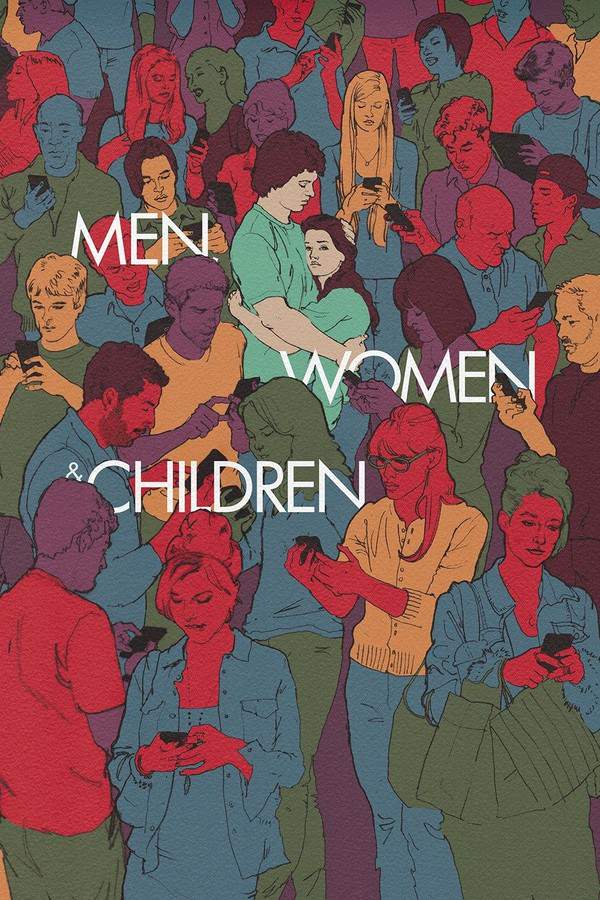
Men, Women & Children (2014) Full Movie Breakdown
Good Kids (2016) Complete Plot Breakdown
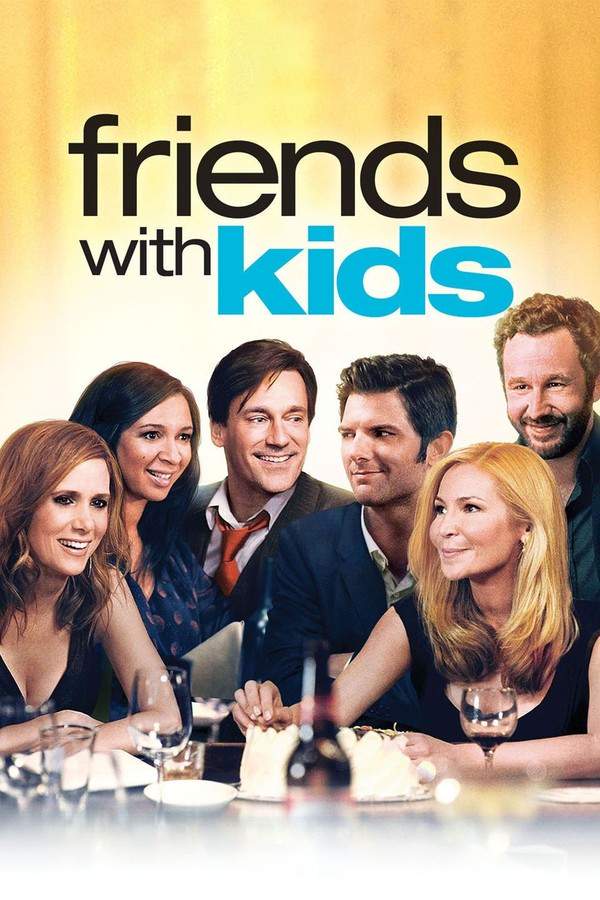
Friends with Kids (2012) Story Summary & Characters
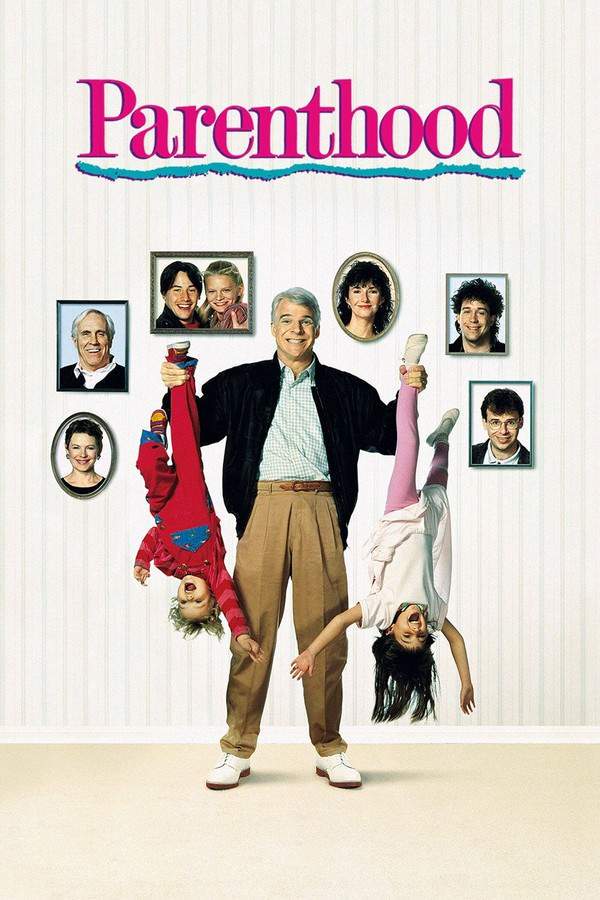
Parenthood (1989) Ending Explained & Film Insights
I Hate Kids (2019) Full Movie Breakdown
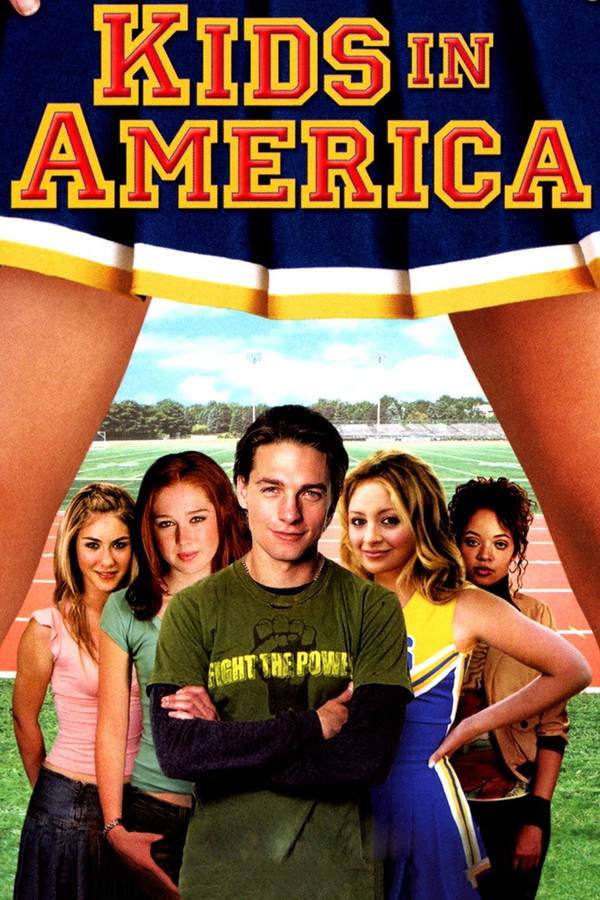
Kids in America (2005) Complete Plot Breakdown
Just Kids (2019) Complete Plot Breakdown
Life with the Kids (1990) Spoiler-Packed Plot Recap
Dad Is Gone, Mom Also (1989) Full Movie Breakdown
Kids Are Back (2020) Story Summary & Characters
Dad Is Gone, Mom Also (1989) Complete Plot Breakdown
Love of the Children (2009) Complete Plot Breakdown
Childhood’s End (1996) Spoiler-Packed Plot Recap