
The Valley of the Bees
Year: 1968
Runtime: 97 mins
Language: Czech
Director: František Vláčil
Cast out by his father, young Ondrej joins the Teutonic Knights and is raised by the strict monk Armin. After years of hardship and a wrongful punishment, he flees the Order and returns home to find his father dead. Ondrej inherits the estates and, seeking security, plans to marry his former stepmother.
Warning: spoilers below!
Haven’t seen The Valley of the Bees yet? This summary contains major spoilers. Bookmark the page, watch the movie, and come back for the full breakdown. If you're ready, scroll on and relive the story!
Timeline – The Valley of the Bees (1968)
Trace every key event in The Valley of the Bees (1968) with our detailed, chronological timeline. Perfect for unpacking nonlinear stories, spotting hidden connections, and understanding how each scene builds toward the film’s climax. Whether you're revisiting or decoding for the first time, this timeline gives you the full picture.
Last Updated: October 07, 2025 at 08:40

Explore Movie Threads
Discover curated groups of movies connected by mood, themes, and story style. Browse collections built around emotion, atmosphere, and narrative focus to easily find films that match what you feel like watching right now.
Movies about psychological torment in rigid institutions like The Valley of the Bees
Stories of individuals crushed by the weight of fanatical codes and oppressive systems.If you liked the oppressive atmosphere and psychological conflict of The Valley of the Bees, explore these movies. This list features similar stories of characters grappling with fanatical systems, whether religious orders, military regimes, or other institutions, where duty clashes violently with personal desire.
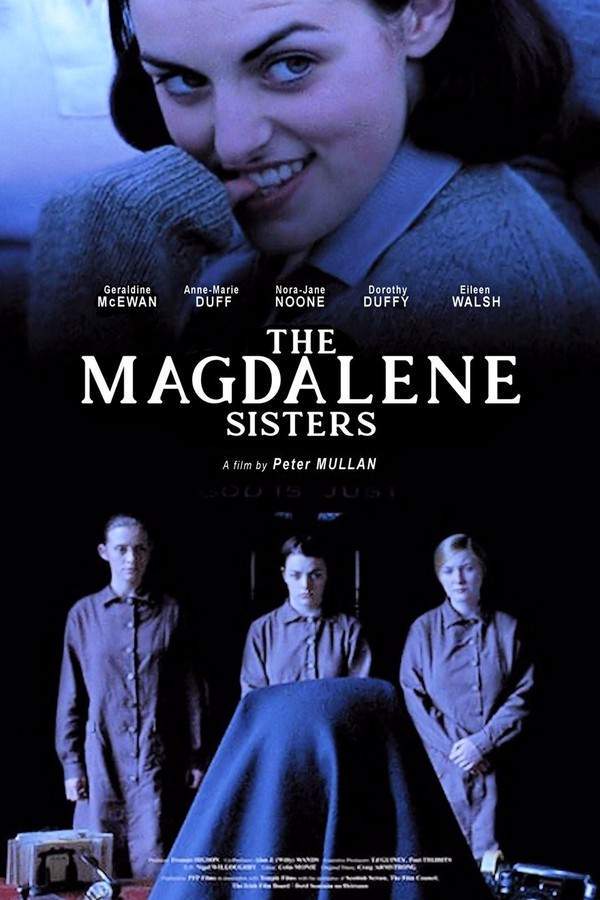





Narrative Summary
Narratives in this thread typically follow a character's induction into, suffering within, and eventual rebellion against a powerful, unforgiving institution. The arc is often tragic, depicting the destruction of the individual spirit by a system that values ideology above humanity, leading to a bleak or sad resolution.
Why These Movies?
These films are grouped by their shared focus on oppressive settings, high psychological tension, and the thematic exploration of how absolute power and dogma can break a person. They create a similarly intense, heavy, and dark viewing experience centered on institutional claustrophobia.
Fateful and brutal medieval dramas like The Valley of the Bees
Gritty historical tales where violence, codes of honor, and grief lead to tragic cycles.For viewers seeking more movies like The Valley of the Bees, this list features similar gritty medieval dramas. These films share a dark tone, high emotional weight, and a focus on the tragic consequences of violence, fanaticism, and rigid feudal codes in a historically authentic setting.
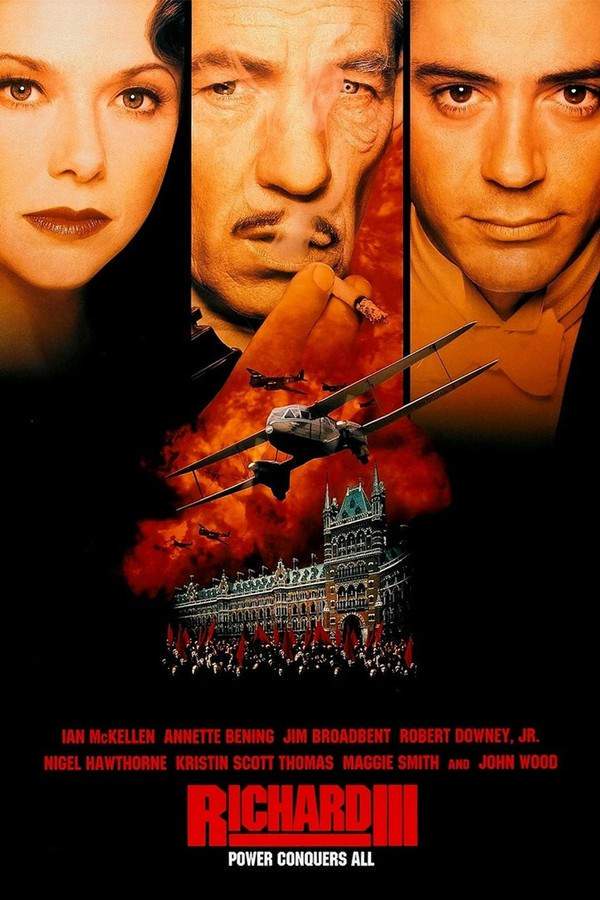
Richard III
1956
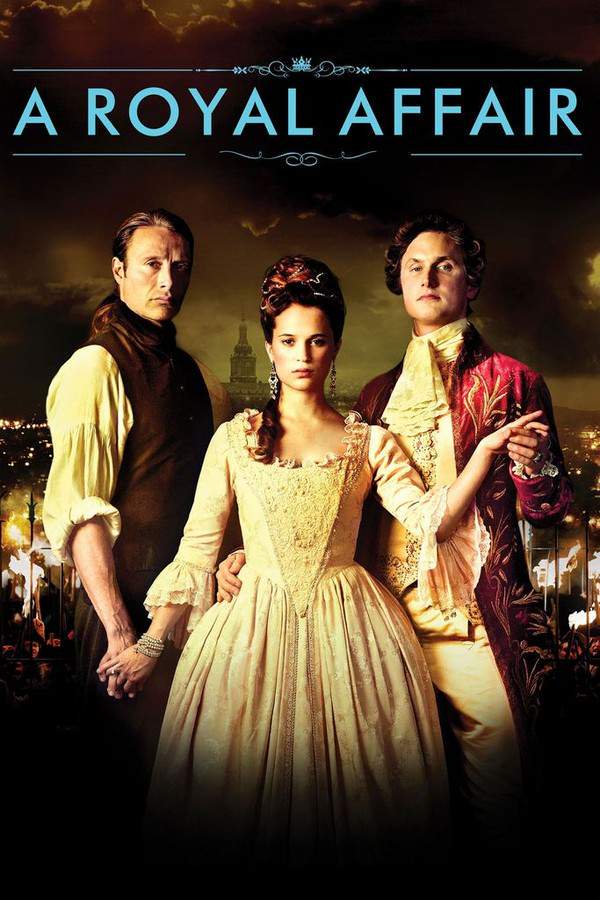
A Royal Affair
2012
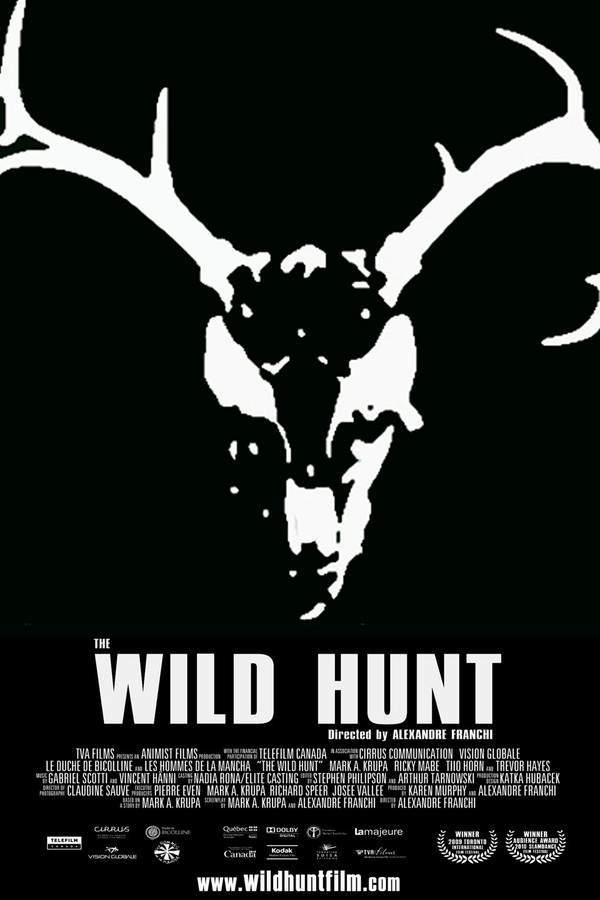
The Wild Hunt
2011
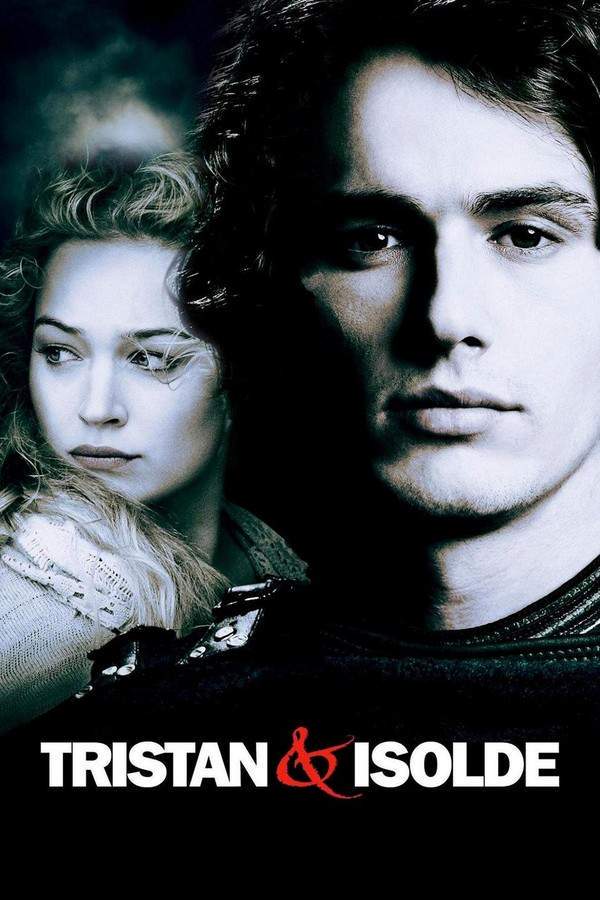
Tristan and Isolde
2006
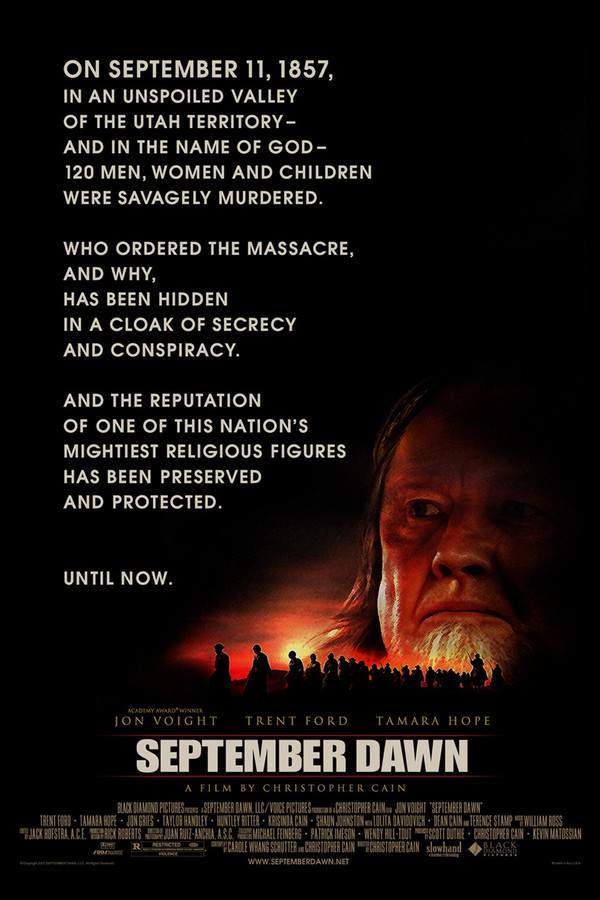
September Dawn
2007
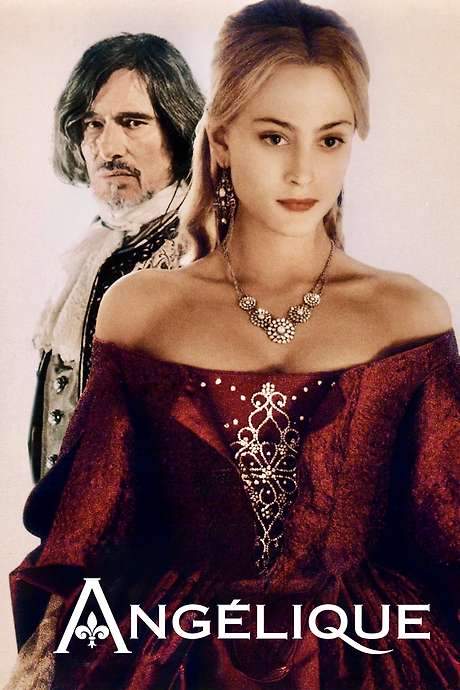
Angelique
2013

Blood Oath
1990

Blood and Sand
1941

Sodom and Gomorrah
1962

Anne of the Thousand Days
1969

Mary of Scotland
1936

A Frozen Flower
2008
The Valley of the Bees
1968

The Hunchback of Notre Dame
1939

September Dawn
2023
Narrative Summary
The narrative pattern involves a protagonist bound by the violent codes of their time, often leading them through a series of tragic events—betrayal, warfare, punishment—that reinforce a sense of grim inevitability. The journey is one of loss and grief, culminating in an ending that feels fated and sad, emphasizing the brutality of the era.
Why These Movies?
These movies are united by their specific historical setting, dark tone, and exploration of themes like cycle of violence and grief. They share a steady pacing that builds tragedy methodically, creating a coherent vibe of melancholic, brutal realism.
Unlock the Full Story of The Valley of the Bees
Don't stop at just watching — explore The Valley of the Bees in full detail. From the complete plot summary and scene-by-scene timeline to character breakdowns, thematic analysis, and a deep dive into the ending — every page helps you truly understand what The Valley of the Bees is all about. Plus, discover what's next after the movie.
The Valley of the Bees Summary
Read a complete plot summary of The Valley of the Bees, including all key story points, character arcs, and turning points. This in-depth recap is ideal for understanding the narrative structure or reviewing what happened in the movie.

Characters, Settings & Themes in The Valley of the Bees
Discover the characters, locations, and core themes that shape The Valley of the Bees. Get insights into symbolic elements, setting significance, and deeper narrative meaning — ideal for thematic analysis and movie breakdowns.


Similar Movies to The Valley of the Bees
Discover movies like The Valley of the Bees that share similar genres, themes, and storytelling elements. Whether you’re drawn to the atmosphere, character arcs, or plot structure, these curated recommendations will help you explore more films you’ll love.






Explore More About Movie The Valley of the Bees
The Valley of the Bees (1968) Plot Summary & Movie Recap
The Valley of the Bees (1968) Scene-by-Scene Movie Timeline
The Valley of the Bees (1968) Spoiler-Free Summary & Key Flow
Movies Like The Valley of the Bees – Similar Titles You’ll Enjoy
The Wild Bees (2001) Full Movie Breakdown
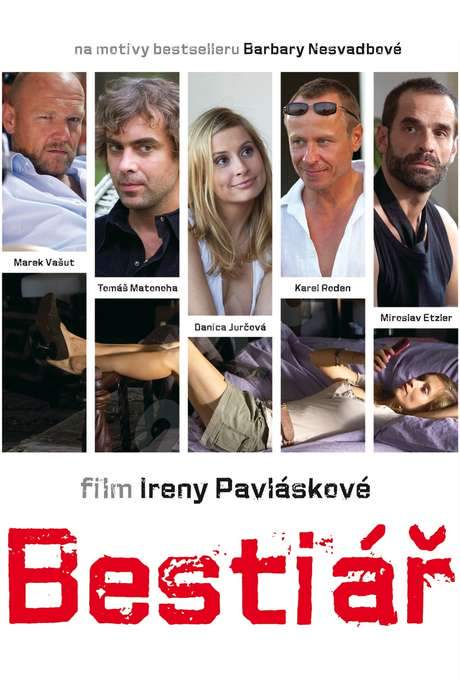
Bestiář (2007) Full Summary & Key Details
The Millennial Bee (1983) Full Movie Breakdown
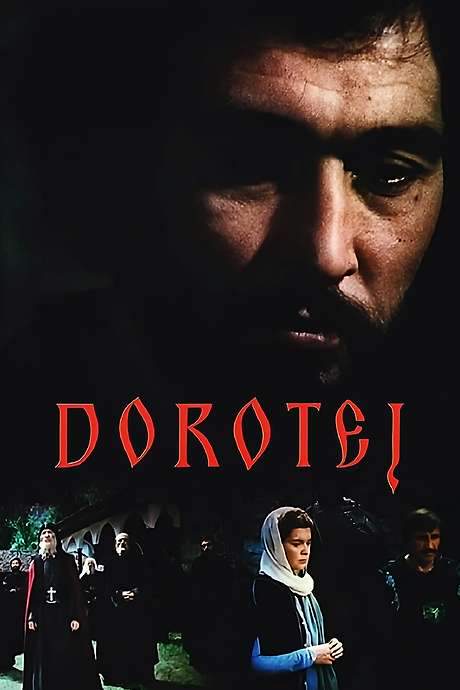
Dorotheus (1981) Movie Recap & Themes
The Beekeeper (1986) Spoiler-Packed Plot Recap
Marketa Lazarová (1967) Ending Explained & Film Insights
The Valley (1972) Movie Recap & Themes
The Priest (1978) Detailed Story Recap
Valley of Peace (1956) Film Overview & Timeline
Children of the Beehive (1948) Film Overview & Timeline
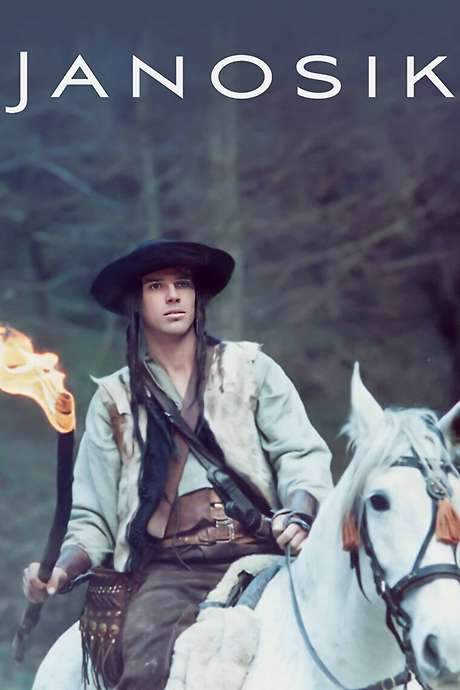
Janosik (2009) Spoiler-Packed Plot Recap
A Dim Valley (2020) Plot Summary & Ending Explained
The Watermill Princess (1994) Detailed Story Recap
A Boy (1977) Story Summary & Characters
Moritz, Dear Moritz (1978) Plot Summary & Ending Explained