
The Valley of the Bees
Year: 1968
Runtime: 97 mins
Language: Czech
Director: František Vláčil
Cast out by his father, young Ondrej joins the Teutonic Knights and is raised by the strict monk Armin. After years of hardship and a wrongful punishment, he flees the Order and returns home to find his father dead. Ondrej inherits the estates and, seeking security, plans to marry his former stepmother.
Warning: spoilers below!
Haven’t seen The Valley of the Bees yet? This summary contains major spoilers. Bookmark the page, watch the movie, and come back for the full breakdown. If you're ready, scroll on and relive the story!
The Valley of the Bees (1968) – Full Plot Summary & Ending Explained
Read the complete plot breakdown of The Valley of the Bees (1968), including all key story events, major twists, and the ending explained in detail. Discover what really happened—and what it all means.
The film is set in the 13th century, where the lord of Vlkov marries a much younger Lenora. His son Ondřej presents Lenora with live bats as a wedding gift, a gesture that enrages his father and nearly costs him his life. He prays for his son’s survival and vows to God that he will surrender Ondřej to the Teutonic Order if he lives. Miraculously, Ondřej is healed and sent to the Baltic Sea, where he joins the order and begins a journey that will test his faith, loyalty, and humanity. He befriends Armin, a seasoned warrior who becomes his mentor and protector; Armin is depicted as a devout and fanatical crusader, deeply committed to God and the crusading cause.
Meanwhile, knight Rotgier attempts to leave the order and goes on the run. Ondřej and Armin lead the pursuit, and Rotgier is eventually found, wounded his attempt to flee, and is executed for his assault on Ondřej. This sequence tightens the bond between Ondřej and Armin, but it also exposes Ondřej to a growing sense of weakness and penitence, pushing him to consider breaking away from the order himself. Ondřej ultimately decides to flee, prompting Armin to track him down.
Armin travels to Bohemia, where charcoal burners recount stories of Ondřej and the weapon he carries. He joins the burners, and when they confront Ondřej, Armin intervenes, defending the man who once saved him and forcing the would-be thieves to retreat. The fight leaves Ondřej’s sword broken, and Armin compels him to accompany him, signaling a troubling shift in their relationship. In a later moment by a brook, Armin drinks while Ondřej strikes him with a rock, knocking him unconscious and allowing Ondřej to escape.
Upon returning home, Ondřej discovers that his father has died. He assumes the family business and wrestles with remorse for his earlier actions toward Armin. A new, forbidden romance blooms as Ondřej falls in love with Lenora, and a local priest blesses their intended marriage. Yet the wedding is interrupted when Armin appears, and a tense exchange follows. The couple remains committed, but the night takes a dark turn as Armin sneaks into Lenora’s chambers and murders her. Armin is caught, and Ondřej resolves to execute him in a manner similar to Rotgier’s fate, a decision born of grief, duty, and the brutal codes that govern their world. Armin pleads with Ondřej to return to the order before his death, but the film ends with Ondřej reaffirming his return to the order, encapsulating a cycle of faith, violence, and loyalty that defines his arduous path.
Last Updated: October 07, 2025 at 08:40

Explore Movie Threads
Discover curated groups of movies connected by mood, themes, and story style. Browse collections built around emotion, atmosphere, and narrative focus to easily find films that match what you feel like watching right now.
Movies about psychological torment in rigid institutions like The Valley of the Bees
Stories of individuals crushed by the weight of fanatical codes and oppressive systems.If you liked the oppressive atmosphere and psychological conflict of The Valley of the Bees, explore these movies. This list features similar stories of characters grappling with fanatical systems, whether religious orders, military regimes, or other institutions, where duty clashes violently with personal desire.
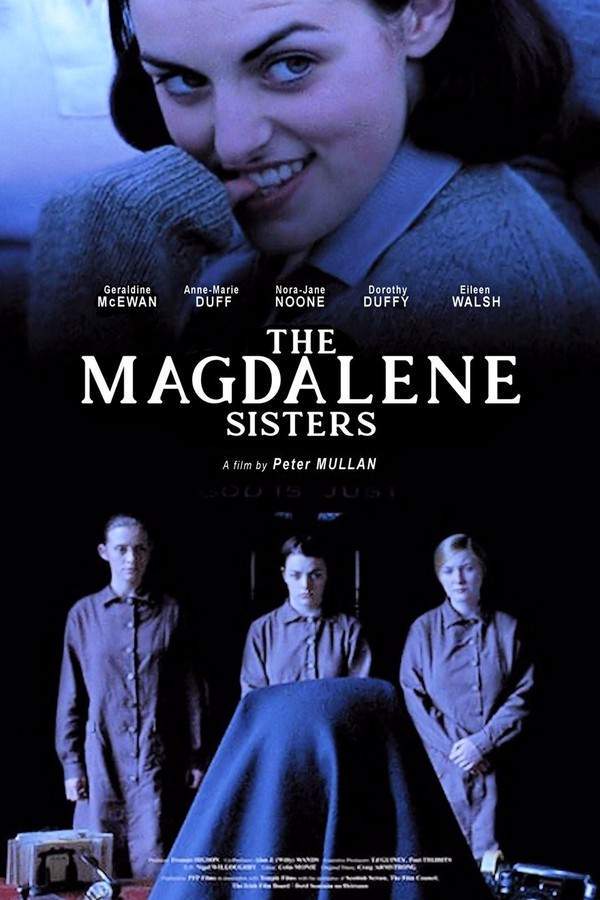





Narrative Summary
Narratives in this thread typically follow a character's induction into, suffering within, and eventual rebellion against a powerful, unforgiving institution. The arc is often tragic, depicting the destruction of the individual spirit by a system that values ideology above humanity, leading to a bleak or sad resolution.
Why These Movies?
These films are grouped by their shared focus on oppressive settings, high psychological tension, and the thematic exploration of how absolute power and dogma can break a person. They create a similarly intense, heavy, and dark viewing experience centered on institutional claustrophobia.
Fateful and brutal medieval dramas like The Valley of the Bees
Gritty historical tales where violence, codes of honor, and grief lead to tragic cycles.For viewers seeking more movies like The Valley of the Bees, this list features similar gritty medieval dramas. These films share a dark tone, high emotional weight, and a focus on the tragic consequences of violence, fanaticism, and rigid feudal codes in a historically authentic setting.
Richard III
1956
A Royal Affair
2012
The Wild Hunt
2011
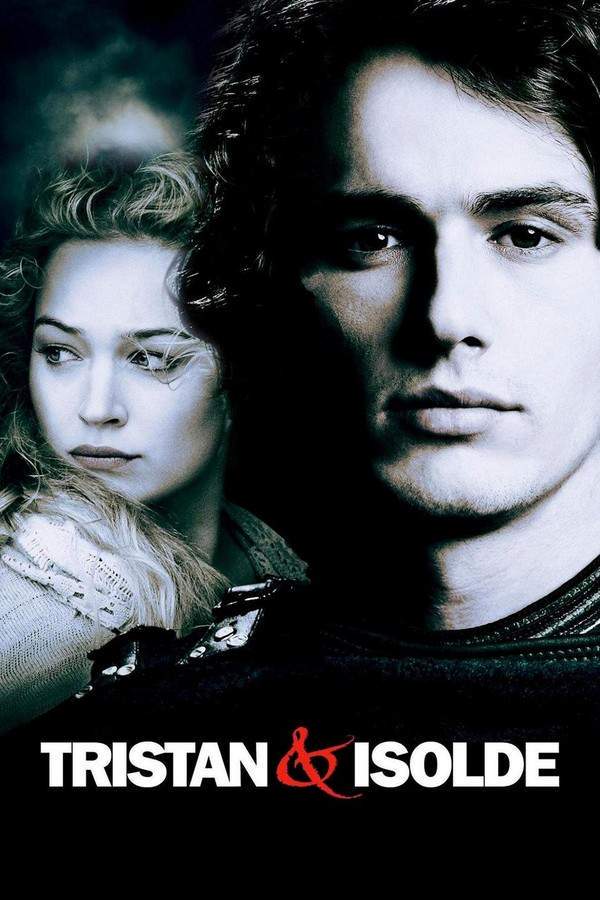
Tristan and Isolde
2006
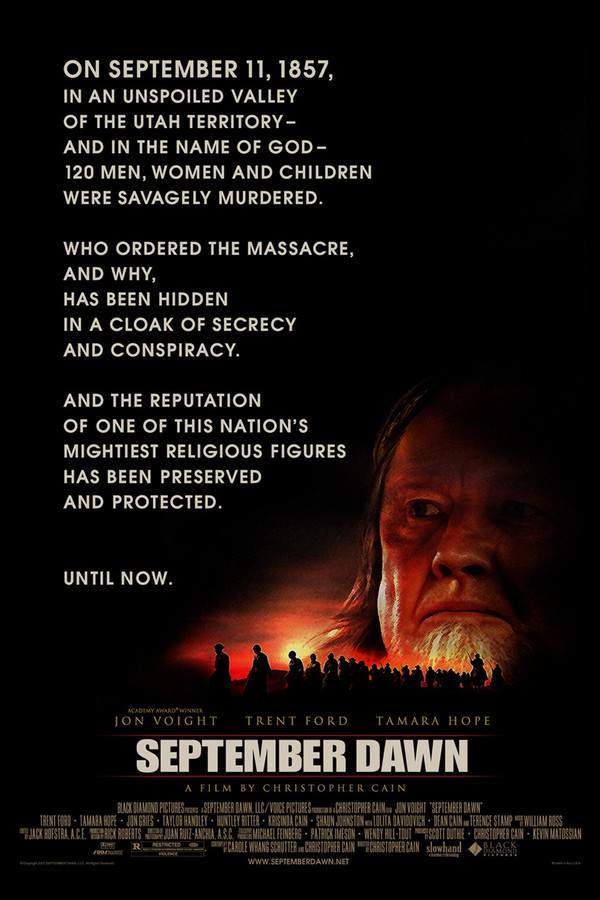
September Dawn
2007
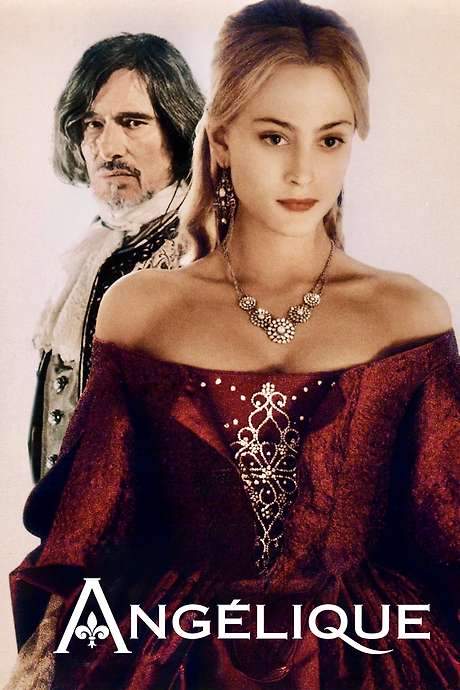
Angelique
2013

Blood Oath
1990

Blood and Sand
1941

Sodom and Gomorrah
1962

Anne of the Thousand Days
1969

Mary of Scotland
1936

A Frozen Flower
2008
The Valley of the Bees
1968

The Hunchback of Notre Dame
1939

September Dawn
2023
Narrative Summary
The narrative pattern involves a protagonist bound by the violent codes of their time, often leading them through a series of tragic events—betrayal, warfare, punishment—that reinforce a sense of grim inevitability. The journey is one of loss and grief, culminating in an ending that feels fated and sad, emphasizing the brutality of the era.
Why These Movies?
These movies are united by their specific historical setting, dark tone, and exploration of themes like cycle of violence and grief. They share a steady pacing that builds tragedy methodically, creating a coherent vibe of melancholic, brutal realism.
Unlock the Full Story of The Valley of the Bees
Don't stop at just watching — explore The Valley of the Bees in full detail. From the complete plot summary and scene-by-scene timeline to character breakdowns, thematic analysis, and a deep dive into the ending — every page helps you truly understand what The Valley of the Bees is all about. Plus, discover what's next after the movie.
The Valley of the Bees Timeline
Track the full timeline of The Valley of the Bees with every major event arranged chronologically. Perfect for decoding non-linear storytelling, flashbacks, or parallel narratives with a clear scene-by-scene breakdown.

Characters, Settings & Themes in The Valley of the Bees
Discover the characters, locations, and core themes that shape The Valley of the Bees. Get insights into symbolic elements, setting significance, and deeper narrative meaning — ideal for thematic analysis and movie breakdowns.


Similar Movies to The Valley of the Bees
Discover movies like The Valley of the Bees that share similar genres, themes, and storytelling elements. Whether you’re drawn to the atmosphere, character arcs, or plot structure, these curated recommendations will help you explore more films you’ll love.






Explore More About Movie The Valley of the Bees
The Valley of the Bees (1968) Scene-by-Scene Movie Timeline
The Valley of the Bees (1968) Movie Characters, Themes & Settings
The Valley of the Bees (1968) Spoiler-Free Summary & Key Flow
Movies Like The Valley of the Bees – Similar Titles You’ll Enjoy
The Wild Bees (2001) Ending Explained & Film Insights
Bestiář (2007) Full Movie Breakdown
The Millennial Bee (1983) Complete Plot Breakdown
Dorotheus (1981) Full Summary & Key Details
The Beekeeper (1986) Film Overview & Timeline
Marketa Lazarová (1967) Plot Summary & Ending Explained
The Valley (1972) Full Summary & Key Details
The Priest (1978) Movie Recap & Themes
Valley of Peace (1956) Complete Plot Breakdown
Children of the Beehive (1948) Complete Plot Breakdown
Janosik (2009) Full Summary & Key Details
A Dim Valley (2020) Complete Plot Breakdown
The Watermill Princess (1994) Full Summary & Key Details
A Boy (1977) Complete Plot Breakdown
Moritz, Dear Moritz (1978) Ending Explained & Film Insights