Plot Explained Spoilers guaranteed!
Plot Explained

Browse by genre

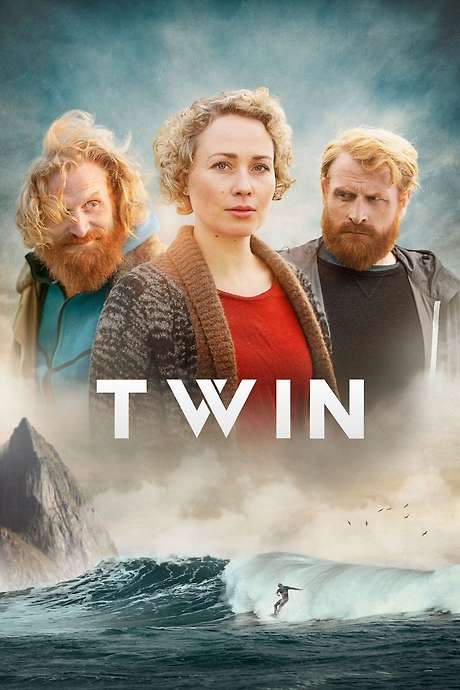
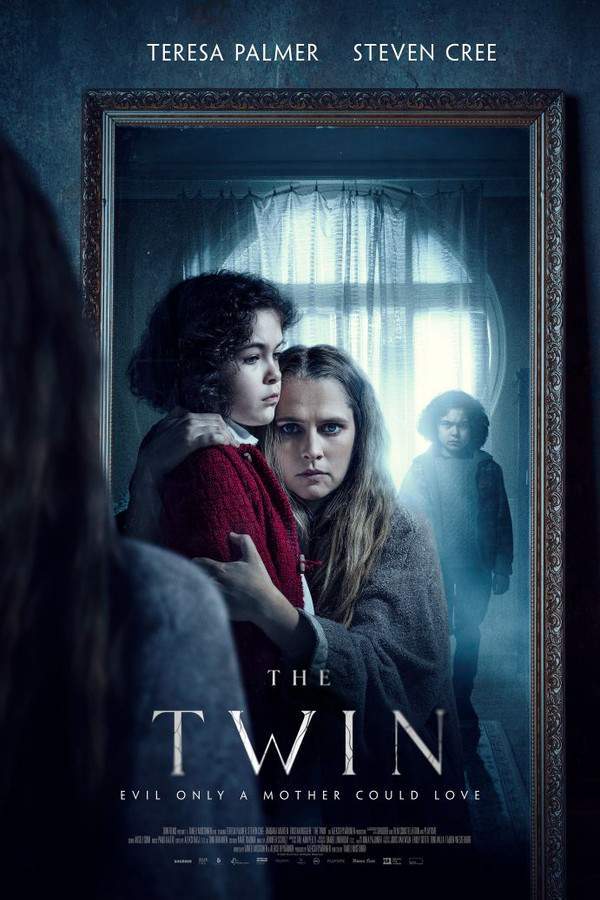
The Twin (2022) movie poster

Ending Explained

The Twin (2022) Ending Explained – Final Scene & Meaning

Release, runtime and language
2022 · 109 min · English
Echo score 48
Loading streaming availability…
Directed by
Taneli Mustonen
Starring
Teresa Palmer, Steven Cree, Barbara Marten, Ergo Küppas, Tristan Ruggeri
Budget
$2.2M

Following a tragic loss, Rachel and Anthony leave their old life behind, seeking refuge with their young twin son in the isolated beauty of Scandinavia. As they try to create a fresh start, Rachel struggles with her mental state, and unsettling events begin to unfold. She becomes increasingly convinced that dark secrets surround her son and that sinister forces are at play, jeopardizing his safety and challenging her perception of reality.

On this page (7)
  1. 1 Where to watch
  2. 2 What happens at the end
  3. 3 Final events in order
  4. 4 Ending questions answered
  5. 5 Movie threads
  6. 6 Movies like The Twin
  7. 7 Every angle
Loading streaming availability…

Ending explained · contains spoilers

What Happens at the End of The Twin?

How The Twin (2022) ends, what the final scene means, which earlier moments set it up and how to read the ending if the film leaves it open. The full ending explained, with every spoiler.

Rachel’s mental state is the true focus of the ending, revealing that her entire experience of the boy Elliot has been a product of her grief and psychological breakdown. After the tragic loss of her son Nathan, Rachel’s mind created a new, imaginary twin to cope with her overwhelming grief. Throughout the film, she imagines Elliot as a real boy who shares a special bond with her. Her delusions intensify, leading her to believe that Elliot is possessed by a demonic force and that villagers are sacrificing him as part of a satanic cult. These hallucinations cause her to see horrors—like the village rituals, the demonic possession, and her own supposed efforts to save Elliot. In reality, however, no actual supernatural events occur. The villagers and the other characters serve to illustrate her descending mental stability, as she becomes increasingly convinced of these false beliefs.

The climax of the story occurs when Rachel’s husband Anthony confronts her with the truth: Elliot has never existed outside her mind. She had been hallucinating her entire experience, including the boy, the villagers’ rituals, and even her husband’s claims. Her psychosis involved her imagining a whole new identity—one that allowed her to carry her grief and guilt. The scene where Anthony reveals that there was no Elliot, and that her supposed visions were just manifestations of her mental illness, is a pivotal moment. It shatters her constructed reality.

In the final scenes, Rachel’s mind appears to retreat further into her delusions. She finds herself in a symbolic setting—lying among grain, with her husband and children appearing in her imagination. These hallucinations suggest that her psyche is slipping away entirely, blurring the line between what is real and what is fabricated. Ultimately, the story suggests that the horror she experienced was not supernatural, but a tragic reflection of her own fractured mind and unprocessed grief over the loss of Nathan. The film ends with her driving away alone, her perception of reality completely broken, leaving viewers with the haunting realization that what they’ve seen is a portrait of a woman lost in her own mind.

Last updated: June 25, 2025 at 09:00

Was this helpful?

The last 4 events

How The Twin Ends: The Final Events in Order

The last events of The Twin (2022) in chronological order, the run-up to the ending explained above. The complete timeline has all 15 events, scene by scene.

Open the full timeline
  1. Climactic Confrontation

    Tensions rise as 'Elliot' attempts to escape from Anthony, who tries to convince Rachel of the truth. In a critical moment at a grain silo, Anthony submerges Elliot in grain.

    Where
    Grain silo
  2. Tragic Outcome

    In an effort to save her son, Rachel accidentally kills Anthony, leading to tragic consequences. This moment marks a turning point in her deteriorating mental state.

  3. Descent into Delusion

    After the chaos, Rachel remains unable to locate Elliot amidst the grain. She eventually returns to New York, trapped in her delusions, convinced that Nathan, Anthony, and Elliot still live on in some form.

    Where
    New York
  4. Graveside Visit

    Rachel visits the graves of Nathan and Anthony, further reinforcing her delusional beliefs. Despite the stark reality, she clings to the notion that they are somehow alive, perpetuating her fragmented reality.

    Where
    Cemetery

Ending questions answered

The Twin Ending: Your Questions Answered

The questions people ask most about the ending of The Twin (2022): what the final scene means, how the twist works, what happens to each character and how to read the ending. Each answer contains spoilers.

Q1

Is Elliot real in The Twin, or is he a figment of Rachel's imagination?

Elliot is not real. The entire experience of the boy is a product of Rachel's grief and psychological breakdown following the loss of her son Nathan. Her mind created an imaginary twin to cope with overwhelming grief. The film reveals that Elliot never existed outside her mind, and everything she believed about him, including the demonic possession and cult rituals, was a hallucination.

Foreshadowing: Early scenes show Rachel interacting with Elliot in ways that don't quite align with how other characters respond to him.

  • elliot
  • rachel
  • hallucination
  • mental illness
  • twist ending
Q2

Why does Rachel see demonic visions and believe Elliot is possessed?

Rachel's demonic visions stem from her untreated psychosis. After losing her son Nathan, her mind constructed elaborate delusions to cope with grief. She imagined Elliot as a real boy who was being threatened by a satanic cult and possessed by a demon. These hallucinations grew more intense as her mental state deteriorated, allowing her to externalize her internal pain into a narrative where she could be a savior.

Foreshadowing: Rachel's conversations with Elliot reveal subtle inconsistencies in how she perceives his presence.

  • rachel
  • psychosis
  • grief
  • hallucinations
  • mental breakdown
Q3

What happens to Rachel at the end of The Twin?

At the end, Rachel's mind retreats further into her delusions. She imagines herself lying among grain with her husband and children, but this is purely a hallucination. The film ends with her driving away alone, her perception of reality completely broken. She remains trapped in her delusion, offering no catharsis or hope, a definitively bleak conclusion.

Foreshadowing: Her psychological state deteriorates progressively throughout the film, with each hallucination becoming increasingly elaborate.

  • rachel
  • ending
  • delusion
  • driving away
  • final scene
Q4

What does Anthony reveal to Rachel about Elliot?

Anthony confronts Rachel with the devastating truth: Elliot has never existed outside her mind. He explains that she had been hallucinating her entire experience, the boy, the villagers' rituals, and even his own claims. Her psychosis involved imagining a whole new identity that allowed her to carry her grief and guilt over losing Nathan.

Foreshadowing: Anthony's growing concern and attempts to reason with Rachel throughout the film hint at his awareness of her deteriorating mental state.

  • anthony
  • revelation
  • truth
  • confrontation
  • eliot doesn't exist
Q5

Was anything actually supernatural in The Twin, or was it all in Rachel's mind?

Nothing supernatural actually occurs in The Twin. The film makes clear that all the terrifying events, the village rituals, the demonic possession, the cult sacrifices, were manifestations of Rachel's mental illness. The villagers and other characters serve only to illustrate her descending mental stability. The horror is psychological, not supernatural.

Foreshadowing: The unsettling events always center around Rachel's perspective, never showing objective proof of the supernatural.

  • supernatural
  • hallucinations
  • not real
  • psychological horror
Q6

What happened to Nathan, Rachel's real son?

Nathan was Rachel's young son who died prior to the events of the film. His tragic loss is the catalyst for Rachel's psychological breakdown. Unable to process her grief, her mind created an imaginary twin named Elliot as a coping mechanism, allowing her to believe she still had a son.

Foreshadowing: Rachel's fixation on Elliot and her descriptions of their special bond hint at her desperate need to replace what she lost.

  • nathan
  • death
  • loss
  • grief
  • real son
Q7

What does the ending of The Twin mean, did Rachel cause any deaths?

The ending confirms that everything Rachel experienced was a tragic manifestation of her fractured mind. While the film doesn't explicitly confirm specific deaths she may have caused, her delusions led her to act dangerously throughout the story. The final realization is devastating: the horror she believed she was fighting was never real, and her inability to process grief over Nathan's death has destroyed her mind permanently.

Foreshadowing: Rachel's increasingly erratic behavior and violent actions toward villagers suggest real consequences, even if she perceived them through a delusional lens.

  • meaning
  • ending
  • deaths
  • consequences
  • grief
Q8

What is the significance of the grain field scene at the end of The Twin?

The grain field represents Rachel's complete retreat into her own mind. Lying among the grain with her husband and children appearing in her imagination symbolizes her psyche slipping away entirely, blurring the line between reality and fabrication. It's a visual representation of her final abandonment of the real world in favor of the delusions that have consumed her.

Foreshadowing: The imagery of grain connects to harvest themes and rural isolation, reinforcing the setting's role in amplifying her psychological unraveling.

  • grain
  • symbolism
  • final scene
  • hallucination
  • psyche
Q9

Why does Rachel drive away alone at the end of The Twin?

Rachel drives away alone because her perception of reality has completely broken. The final image shows her isolated in her car, having retreated entirely into her delusion. Even Anthony, who tried to save her, has been absorbed into her hallucinations. Her driving away represents the final stage of her psychological collapse, she is lost in her own mind with no hope of returning to reality.

Foreshadowing: Her increasing isolation throughout the film, combined with her rejection of Anthony's attempts to ground her, sets up this final disconnection from the real world.

  • driving
  • alone
  • isolation
  • final shot
  • psychological collapse
Q10

Is the ending of The Twin ambiguous, or is it clear everything was in Rachel's head?

The ending is clear and unambiguous: everything Rachel experienced was a hallucination caused by her grief-induced psychosis. The film provides definitive answers through Anthony's confrontation and the final scenes showing her complete mental breakdown. There is no real supernatural threat, just a mother's mind fractured by the loss of her son.

Foreshadowing: The film's gradual reveal through Rachel's increasingly unreliable perspective builds toward this definitive conclusion.

  • ambiguous ending
  • clear
  • interpretation
  • psychological twist

Movie threads

More Movies Like The Twin, by Mood & Story

Curated lists built around what makes The Twin tick: the same mood, the same kind of story or the same emotional payoff. Each list explains why these movies belong together.

Psychological Thrillers with Unreliable Narrators like The Twin

Psychological thrillers where the protagonist's grip on reality is the true horror. If you liked the way The Twin builds its horror around a grieving mother's fractured reality, you'll appreciate these movies. This collection features similar films where the central mystery hinges on an unreliable narrator, creating a tense and paranoid viewing experience focused on psychological unraveling and the blurring of reality.

  • unreliable narrator
  • psychological
  • paranoid
  • unsettling
  • disorienting
  • tense
  • Tone: dark, paranoid, unsettling
  • Pacing: slow, methodical
Why these movies?

The story pattern: The narrative typically follows a traumatized or highly distressed protagonist who perceives a sinister threat. As the story unfolds through their eyes, subtle inconsistencies and mounting evidence suggest their interpretation of events is a coping mechanism or a complete break from reality. The climax often reveals a devastating truth that recontextualizes the entire story.

Why they belong together: These movies are grouped together because they share a core reliance on the protagonist's unstable mental state as the primary source of tension and horror. They create a unique, participatory dread where the audience is never sure what is real, leading to a deeply unsettling and intellectually engaging experience.
Gothic Horror Films About Grief and Isolation like The Twin

Slow-burn horror where profound loss manifests in isolated, oppressive settings. For viewers who appreciated the heavy emotional weight and isolated Scandinavian setting of The Twin, this list features similar Gothic horror movies. These films use grief as a central theme, pairing it with slow-burn tension and a bleak, oppressive atmosphere to tell stories where emotional trauma and supernatural dread are intertwined.

  • grief
  • melancholic
  • oppressive
  • isolated
  • gloomy
  • desperate
  • Tone: melancholic, bleak, gloomy
  • Pacing: slow burn, deliberate
Why these movies?

The story pattern: The plot follows characters fleeing to a remote location to escape their pain, only to find that their grief has followed them, often manifesting as paranormal activity or psychological breakdown. The isolation amplifies their suffering, and the environment itself becomes a character—cold, beautiful, and menacing. The endings are typically bleak, offering little respite from the cycle of sorrow.

Why they belong together: These films are connected by their core exploration of grief as a catalyst for horror. They share a specific mood: a slow, oppressive dread born from emotional devastation rather than jump scares, set within atmospherically isolated locations that reflect the characters' internal desolation.

If you liked this

Movies Like The Twin

Similar movies to The Twin: the same genre, themes or kind of story. Each one comes with its own plot summary, timeline and ending explained.

Browse all movie summaries

Every angle

The Twin (2022) Explained: Plot, Ending, Timeline & Characters

Everything about The Twin in one place: what happens in the plot summary, the timeline in chronological order, the characters and meaning, the ending explained and a spoiler-free summary. What's After the Movie adds the cast, box office and post-credit scenes.

Coming soon on iOS and Android

The Plot Explained Movie Summary App

Plot summaries, endings explained and timelines on your phone. Catch up on any movie in minutes, save your favorites and never miss a twist again.

Be the first to know when we launch. Your email stays private, always.

Learn more about the app