Plot Explained Spoilers guaranteed!
Plot Explained

Browse by genre

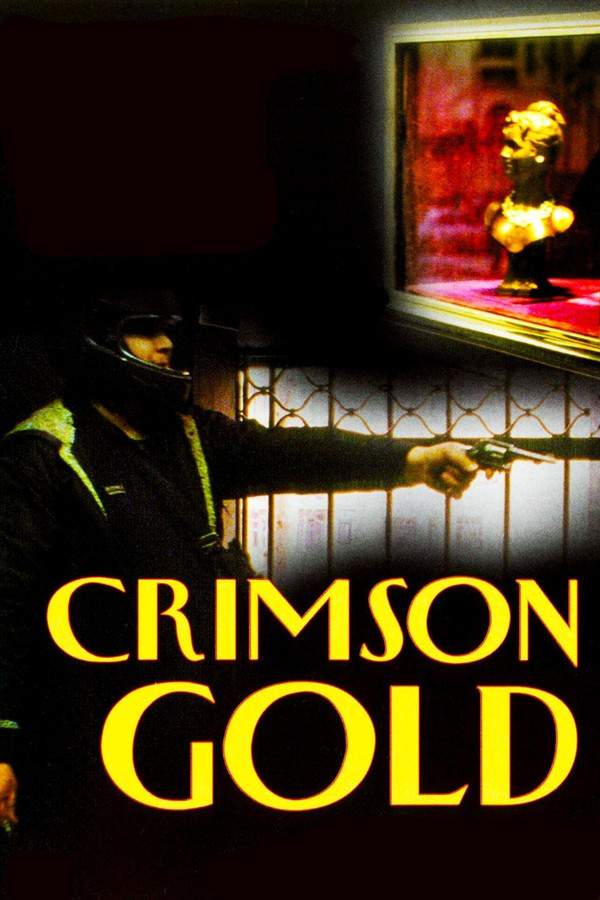
Crimson Gold (2003) movie poster

Plot Summary

Crimson Gold (2003) Plot Summary Explained

Release, runtime and language
2003 · 95 min · Persian

In modern-day Iran, pizza deliveryman Hussein’s life takes an unexpected turn when he finds a luxury purse containing valuable receipts. After being dismissed by a jewelry store, he’s drawn into the lavish lifestyle of a wealthy benefactor. Driven by the desire for a better life, Hussein finds himself entangled in a dangerous pursuit of wealth and a quest for financial freedom, navigating a world of opulence and risk.

On this page (6)
  1. 1 Where to watch
  2. 2 What happens: full plot
  3. 3 Plot questions answered
  4. 4 Movie threads
  5. 5 Movies like Crimson Gold
  6. 6 Every angle

Where to watch

Where to Watch Crimson Gold (2003)

Where can you watch Crimson Gold? Stream, rent or buy it in the US, including on Fandor, Metrograph and OVID: current JustWatch availability with up-to-date prices.

Streaming availability powered by JustWatch

Full plot summary · contains spoilers

What Happens in Crimson Gold: Full Plot Summary

The whole story of Crimson Gold (2003) explained, from the opening scene to the final frame: every key event, every twist and what it all adds up to. Read it as a quick recap before the sequel, to check a scene you missed, or to finally understand what really happened.

The film begins with a tense moment in a jeweler's shop, where the lead character, Hossein, attempts to carry out a robbery. With a gun in hand, he tries to coerce The Jeweler into surrendering the safe key. However, the jeweler stands his ground, triggering an alarm in the process. In a fit of desperation, Hossein shoots the jeweler and, after a painful moment of contemplation, ends his own life. This shocking opening sets the stage for an exploration of Hossein's troubled backstory.

Two days prior to this tragic event, we flash back to Hossein's life before the robbery. His friend and accomplice, Ali, rushes to inform him that all is set for Hossein's engagement to Ali's sister, referred to as "The Bride" in the credits. As they converse, Ali reveals his recent pickpocketing success, pulling out a handful of modest items from a purse, including a slip that indicates a potential score of 75 million tomans from a jeweler’s shop. Their conversation piques the interest of a con artist known as "The Man in the Tea House," who comments on the life of a thief, sharing the insight: > "If you want to arrest a thief, you’ll have to arrest the world." This statement resonates with Hossein, who is deeply affected by the con artist’s dismissive attitude towards him and Ali's clearly lower social standing. They attempt to visit the jeweler, but are turned away by The Jeweler himself.

As night falls, Hossein begins his job as a pizza delivery man. It's evident he struggles with psychological issues stemming from his war experiences. His first delivery takes him to a former comrade, who generously tips him. The next stop leads to a block party in a wealthy area of Tehran, where police are present. Although unable to make the delivery, Hossein offers slices of pizza to police, soldiers, and detained guests, only gaining acceptance after the police chief takes a piece.

The following morning, Hossein, Ali, and The Bride dress elegantly and manage to enter the jeweler's establishment. While in the shop, they admire luxurious jewelry far beyond their financial means, all the while waiting for their encounter with The Jeweler. When he finally appears, his patronizing demeanor is palpable as he recommends they pawn shop instead. Frustrated and offended by this treatment, Hossein takes The Bride home before returning to his own modest apartment, where he witnesses the police unfairly detaining an innocent man, further highlighting the disparity between the affluent and poor.

That evening, while on his delivery route, Hossein discovers the body of a fellow courier who has tragically died in an accident—a stark reminder of the dangers that come with their job. His next delivery is to The Rich Man, who resides in an affluent neighborhood. The stark contrast of lifestyles is further emphasized as Hossein is welcomed into The Rich Man's luxurious apartment and indulges in its lavish features, including a swim and a shave. Amidst the grandeur, Hossein, consumed by alcohol, steps out onto the balcony, taking in the sprawling city below.

In a poignant twist, we return to the jeweler's shop the next morning. This time, infused with anger and desperation, Hossein storms in with a gun, demanding the key to the safe amidst The Jeweler's defiance. This leads directly back to the harrowing opening scene, where the emotional and physical toll of Hossein's choices culminate tragically in his own demise.

Last updated: November 16, 2024 at 17:34

Was this helpful?

Plot questions answered

Crimson Gold Plot Explained: Your Questions Answered

The questions people ask most about Crimson Gold (2003): what happens in the confusing scenes, why the characters do what they do, the twists, hidden details and what the ending means. Each answer contains spoilers.

Q1

Why does Hossein decide to rob the jeweler?

Houssein's decision to rob the jeweler stems from a combination of factors: the discovery of the slip indicating 75 million tomans at the jeweler's shop, the humiliating rejection he experienced when visiting with The Bride, and his growing anger at the vast class disparity he witnesses daily. After seeing the luxurious lifestyle of The Rich Man and experiencing the jeweler's condescending treatment, Hossein becomes consumed by desperation and believes taking the money is his only way out of poverty.

Foreshadowing: Earlier, Ali shows Hossein the slip with the 75 million tomans score, planting the idea in his mind.

  • jeweler robbery
  • money desperation
  • poverty
  • class inequality
Q2

Why does Hossein shoot the jeweler?

Hossein shoots the jeweler because the jeweler refuses to hand over the safe key and triggers the alarm instead of complying with the robbery demand. When the jeweler stands his ground and activates the alarm, Hossein panics and fires in desperation. This moment represents the point of no return where Hossein's plan collapses and he is forced into violence.

Foreshadowing: The jeweler's earlier dismissive attitude toward Hossein and his companions hints at his stubborn nature.

  • shooting
  • jeweler
  • violence
  • robbery gone wrong
Q3

Why does Hossein take his own life after the robbery?

After shooting the jeweler, Hossein is overwhelmed by the weight of his actions and the realization that he has no way out. The trauma of his war experiences, combined with the desperate circumstances of his life, culminate in a moment of complete despair. He cannot live with what he has done, nor can he escape the consequences, so he chooses to end his own life.

Foreshadowing: Throughout the film, Hossein is shown as a man troubled by his past war trauma and constantly reminded of his powerless position in society.

  • suicide
  • despair
  • tragic ending
  • psychological breakdown
Q4

Why is Hossein so affected by the con artist's words at the tea house?

The con artist's quote, "If you want to arrest a thief, you'll have to arrest the world," deeply resonates with Hossein because it validates his feeling that the entire system is corrupt. The con artist's dismissive attitude toward Hossein and Ali's lower social standing makes Hossein acutely aware of his place in society. This encounter intensifies his feelings of inferiority and injustice, contributing to his later desperate actions.

Foreshadowing: This conversation occurs early in the flashback, establishing Hossein's psychological state before the robbery plan forms.

  • con artist
  • tea house
  • society
  • classism
  • injustice
Q5

Why does the jeweler turn Hossein and Ali away?

The jeweler dismisses Hossein and Ali because they are clearly from a lower social class and cannot afford anything in his shop. When they finally meet him, he recommends they visit a pawn shop instead, effectively telling them they do not belong among his wealthy customers. This patronizing treatment humiliates Hossein and fuels his anger toward the wealthy.

Foreshadowing: The film's opening establishes the jeweler as someone who values wealth and status above all.

  • jeweler
  • humiliation
  • class discrimination
  • rejection
Q6

What triggers Hossein to return to the jeweler's shop?

Multiple events build up to Hossein's final decision: the humiliating encounter at the jeweler's, witnessing the police unjustly detain an innocent man, discovering a fellow courier's dead body, and experiencing the extreme wealth of The Rich Man. These experiences collectively push Hossein to desperation. The next morning, filled with anger and hopelessness, he returns to the jeweler's shop to attempt the robbery.

Foreshadowing: The film shows a series of escalating frustrations that build toward this moment, starting from the first rejected visit.

  • desperation
  • escalation
  • final decision
  • return to jeweler
Q7

How does the encounter with The Rich Man affect Hossein?

Visiting The Rich Man's luxurious apartment serves as a breaking point for Hossein. For the first time, he experiences opulence firsthand, swimming in a pool, enjoying expensive alcohol, and admiring the view from a balcony. This stark contrast to his own modest life intensifies his resentment and desperation. It makes the wealth he cannot attain feel even more tangible and painful.

Foreshadowing: This encounter directly precedes Hossein's decision to return to the jeweler the next morning.

  • rich man
  • luxury
  • contrast
  • envy
  • emotional breaking point
Q8

Why does Hossein discover a dead courier?

While making his evening deliveries, Hossein encounters the body of a fellow courier who has died in an accident. This tragic sight serves as a stark reminder of the dangers inherent in his line of work and the precariousness of life for the poor. It reinforces the film's theme of the vulnerable position of working-class people and adds to Hossein's growing sense of mortality and desperation.

Foreshadowing: This event occurs after Hossein's frustrating day and before his visit to The Rich Man.

  • dead courier
  • accident
  • danger
  • working class
Q9

Why does Hossein offer pizza to the police at the block party?

At the block party in a wealthy area, Hossein is unable to make his delivery but attempts to integrate with the police, soldiers, and detained guests by offering them pizza slices. He eventually gains acceptance when the police chief takes a piece. This scene illustrates Hossein's desperate attempt to navigate social boundaries and connect with those in power, even if it means serving them.

Foreshadowing: This scene establishes Hossein's willingness to humble himself to get by, foreshadowing his later actions.

  • pizza
  • police
  • social navigation
  • humility
Q10

How does Hossein's war background affect his behavior?

Hossein is revealed to be a war veteran who carries significant psychological scars from his service. His first pizza delivery is to a former comrade who generously tips him, showing a bond between veterans. These war trauma symptoms manifest as psychological issues that contribute to Hossein's unstable mental state, making him more vulnerable to the pressures that lead to his tragic outcome.

Foreshadowing: The film establishes Hossein's war background early in the flashback through his delivery to a comrade.

  • war veteran
  • ptsd
  • psychological trauma
  • comrade
Q11

What is the significance of Hossein witnessing the police detain an innocent man?

After the humiliating jeweler encounter, Hossein returns home and witnesses police unfairly detaining an innocent man. This direct observation of injustice further fuels Hossein's anger toward a system that oppresses the poor while protecting the wealthy. It deepens his sense of hopelessness and reinforces his belief that the world is stacked against people like him.

Foreshadowing: This scene occurs after Hossein's confrontation with The Jeweler and before his evening deliveries.

  • police
  • injustice
  • innocent man
  • oppression
Q12

Why does the film start with the ending?

The film opens with Hossein's failed robbery and suicide, then flashes back two days to show the events leading to this tragedy. This non-linear structure is deliberate, it creates dramatic irony by showing viewers the devastating outcome first, then revealing the chain of circumstances that made it inevitable. The structure builds tension as viewers watch Hossein unknowingly walk toward his doom.

  • nonlinear narrative
  • flashback
  • structure
  • opening scene

Movie threads

More Movies Like Crimson Gold, by Mood & Story

Curated lists built around what makes Crimson Gold tick: the same mood, the same kind of story or the same emotional payoff. Each list explains why these movies belong together.

Slow burn social critiques like Crimson Gold

Stories of quiet desperation boiling over under the weight of social injustice. For viewers who appreciated the grim social realism of Crimson Gold, this list features movies with a similar slow-burn intensity and heavy emotional weight. Discover more dramas that explore class disparity and psychological trauma, leading to bleakly fatalistic endings.

  • grim
  • desperate
  • socially conscious
  • oppressive
  • fatalistic
  • anxious
  • Tone: dark, oppressive, fatalistic
  • Pacing: slow, deliberate, atmospheric
Why these movies?

The story pattern: Narratives in this thread often follow a protagonist from a marginalized background whose small attempts to improve their situation are met with systemic humiliation. The story builds quietly but relentlessly towards a breaking point, emphasizing the crushing nature of social inequality over fast-paced action.

Why they belong together: These films are grouped by their shared commitment to a dark, oppressive tone, a slow-burning pace that amplifies dread, and a heavy emotional focus on the psychological impact of poverty and injustice. They deliver a similar feeling of grim inevitability.

Bleak crime dramas with moral collapse like Crimson Gold

Character-driven crime stories where desperation leads to a tragic psychological unraveling. If you were captivated by the psychological trauma and fatalistic crime narrative in Crimson Gold, this selection offers similar movies. Find other heavy dramas where characters are driven to desperate acts by systemic pressures, featuring dark tones and bleak endings.

  • psychological
  • desperate
  • fatalistic
  • anxious
  • grim
  • unsettling
  • Tone: dark, tense, psychologically heavy
  • Pacing: slow to steady, character-driven
Why these movies?

The story pattern: The narrative pattern involves an ordinary individual, often an anti-hero, who is pushed to the brink by a series of humiliations or a traumatic encounter with privilege. The crime itself is secondary to the chilling character study of a mind buckling under immense social and psychological pressure.

Why they belong together: Movies in this thread share a high-intensity, dark tone and a moderate narrative complexity that focuses on character psychology. They are united by themes of crime born from desperation rather than greed, and an overwhelmingly bleak emotional outcome.

If you liked this

Movies Like Crimson Gold

Similar movies to Crimson Gold: the same genre, themes or kind of story. Each one comes with its own plot summary, timeline and ending explained.

Browse all movie summaries

Every angle

Crimson Gold (2003) Explained: Plot, Timeline & Characters

Everything about Crimson Gold in one place: what happens in the plot summary, the timeline in chronological order, the characters and meaning and a spoiler-free summary. What's After the Movie adds the cast, box office and post-credit scenes.

Coming soon on iOS and Android

The Plot Explained Movie Summary App

Plot summaries, endings explained and timelines on your phone. Catch up on any movie in minutes, save your favorites and never miss a twist again.

Be the first to know when we launch. Your email stays private, always.

Learn more about the app