







Plot Explained Spoilers guaranteed!
Plot Explained

Browse by genre

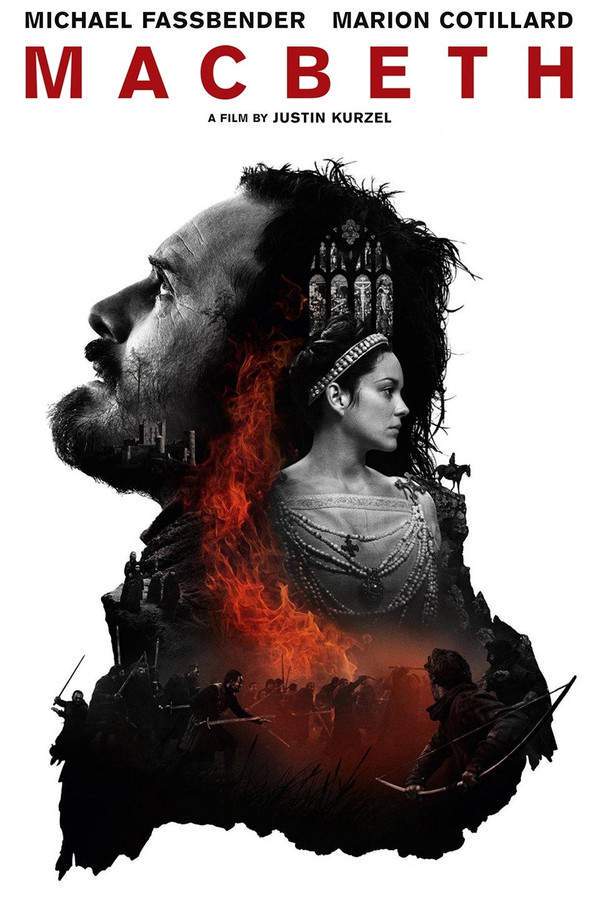
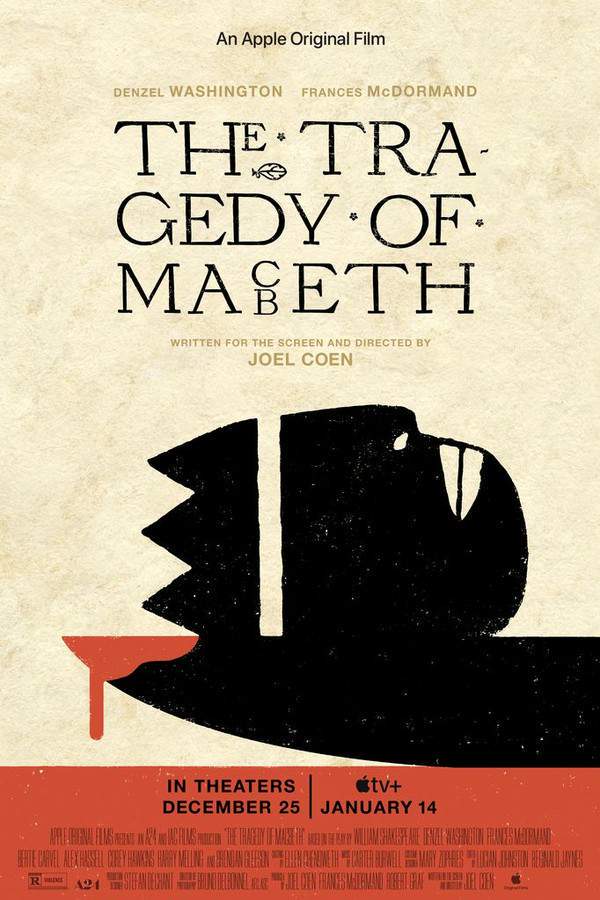
The Tragedy of Macbeth (2021) movie poster

Timeline

The Tragedy of Macbeth (2021) Timeline Explained – Every Event in Order

Release, runtime and language
2021 · 105 min · English
Echo score 77
JustWatch #6,299 6
Directed by
Joel Coen
Starring
Corey Hawkins, Ralph Ineson, Frances McDormand, Brendan Gleeson, Alex Hassell, Brian Thompson

A ruthless exploration of power and its corrosive effects, Joel Coen's "The Tragedy of Macbeth" unfolds as a gripping tapestry of violence, paranoia, and descent into darkness.

On this page (7)
  1. 1 Where to watch
  2. 2 Events in order (16)
  3. 3 Timeline questions answered
  4. 4 The book behind the movie
  5. 5 Movie threads
  6. 6 Movies like The Tragedy of Macbeth
  7. 7 Every angle

Where to watch

Where to Watch The Tragedy of Macbeth (2021)

Where can you watch The Tragedy of Macbeth? Stream, rent or buy it in the US, including on Apple TV, Amazon Video and Apple TV Store: current JustWatch availability with up-to-date prices.

Streaming availability powered by JustWatch

16 events in order · contains spoilers

The Tragedy of Macbeth Timeline: Events in Chronological Order

Every key event of The Tragedy of Macbeth (2021) in order, scene by scene, with when and where it takes place. Use it to untangle flashbacks, time jumps and parallel storylines, to refresh your memory before the sequel or to find the exact scene you are thinking of.

  1. Victorious Return from Battle

    Macbeth and Banquo return victorious after defeating the traitorous Thane of Cawdor. Their triumph earns them accolades and the attention of many, setting the stage for future events.

  2. Witches' Prophecies

    On the battlefield, three witches meet Macbeth and Banquo, delivering cryptic prophecies. They predict Macbeth's rise to Thane of Cawdor and future king, and foretell that Banquo will father a line of kings, igniting their ambition.

    Where
    Battlefield
  3. Thane of Cawdor Executed

    King Duncan orders the execution of the Thane of Cawdor for treason. The title is then bestowed upon Macbeth, furthering his rise in power and ambition.

  4. Duncan Names His Heir

    Duncan announces his son, Malcolm, as the Prince of Cumberland, which alarms Macbeth. This development intensifies Macbeth's ambition and fear, fueling his desire to claim the throne.

  5. Lady Macbeth's Persuasion

    Macbeth writes to Lady Macbeth, sharing the witches' predictions. When Duncan comes to their castle, she persuades him to commit regicide to fulfill his ambition, marking a turning point in their lives.

    Where
    Macbeth's Castle
  6. The Murder of Duncan

    In a moment of hesitation, Macbeth kills King Duncan, spurred on by Lady Macbeth. This heinous act sets into motion a series of events leading to his tragic downfall.

    Where
    Macbeth's Castle
  7. Discovery of Duncan's Murder

    The next morning, Macduff discovers Duncan’s body and is horrified. Macbeth pretends to kill the guards to cover his tracks, emphasizing his descent into deceit.

    Where
    Macbeth's Castle
  8. Macbeth Becomes King

    With Duncan dead, Macbeth ascends the throne as the new King of Scotland. However, this victory is tainted by his fear of Banquo and the witches' prophecy about Banquo's heirs.

  9. Banquo's Assassination

    Haunted by the witches' prophecy, Macbeth orchestrates the murder of Banquo and his son, Fleance. Although Banquo is killed, Fleance escapes, leaving Macbeth unsettled.

  10. Macbeth's Hallucination

    During a royal feast, Macbeth is haunted by a vision of Banquo's ghost, revealing his deteriorating mental state. Lady Macbeth intervenes, fearing for her husband's public persona and sanity.

    Where
    Banquet Hall
  11. Witches' Chilling Visions

    The witches return to provide Macbeth with ominous warnings and visions. They tell him to beware of Macduff and assure him he cannot be harmed by anyone born of a woman, deepening his belief in invulnerability.

  12. Massacre of Macduff's Family

    In a fit of paranoia, Macbeth orders the massacre of Macduff’s family. This brutal decision further solidifies his tyranny and estranges him from potential allies.

  13. Lady Macbeth's Madness

    Lady Macbeth, overwhelmed by guilt for her role in Duncan's murder, succumbs to madness. She begins sleepwalking, haunted by her actions and unable to escape her conscience.

  14. Malcolm Rallies Forces

    Malcolm seeks allies in England to overthrow Macbeth, disguising their approach with branches from Birnam Wood. This strategic move fulfills the witches' prophecy, drawing closer to Macbeth's downfall.

    Where
    England
  15. Final Confrontation

    Macduff confronts Macbeth, revealing that he was 'untimely ripped' from his mother. In a fierce duel, Macduff kills Macbeth, ending his tyrannical reign and fulfilling the final prophecy.

    Where
    Dunsinane
  16. Malcolm's Ascendancy

    With Macbeth defeated, Malcolm is crowned King of Scotland, symbolizing the restoration of order. Meanwhile, Fleance's survival suggests hope for a brighter future.

Last updated: November 15, 2024 at 20:00

Was this helpful?

Timeline questions answered

The Tragedy of Macbeth Timeline Explained: Your Questions Answered

When does it happen, and why in that order? The questions people ask about the chronology of The Tragedy of Macbeth (2021): time jumps, flashbacks, cause and effect between scenes and the correct order of events, each answered with spoilers.

Q1

Why does Macbeth decide to kill King Duncan?

Macbeth kills Duncan because of the witches' prophecy predicting he will become King, combined with Lady Macbeth's relentless persuasion. When Duncan names his son Malcolm as Prince of Cumberland, Macbeth sees this as an obstacle to his ambition. Lady Macbeth exploits his hesitation by questioning his masculinity and presenting the murder as the only way to fulfill the prophecy.

Foreshadowing: The witches' prophecy first sparks Macbeth's ambition, but it is Lady Macbeth who transforms that ambition into action.

  • macbeth
  • duncan
  • murder
  • ambition
  • witches
  • prophecy
  • ladymacbeth
Q2

Why does Lady Macbeth go mad?

Lady Macbeth succumbs to madness because of overwhelming guilt for her role in orchestrating Duncan's murder. She initially appears controlling and resolute, but the psychological weight of the crime progressively erodes her sanity. Her sleepwalking scenes reveal her torment, as she unconsciously tries to wash invisible blood from her hands, symbolizing her guilt.

Foreshadowing: Her initial强度掩盖了内心深处的不安,为最终的精神崩溃埋下伏笔。

  • ladymacbeth
  • madness
  • guilt
  • sleepwalking
  • duncan murder
Q3

Why does Macbeth order Banquo's murder?

Macbeth orders Banquo's murder because the witches prophesied that Banquo would father a line of kings. Even though Macbeth has become king, he fears Banquo's descendants will eventually take the throne. This paranoid decision stems from his guilt and the witches' prophecy about Banquo's royal lineage.

Foreshadowing: The witches' prophecy about Banquo being the ancestor of future kings plants the seed of this later betrayal.

  • macbeth
  • banquo
  • murder
  • witches
  • prophecy
  • fleance
Q4

What is the significance of Banquo's ghost at the feast?

Banquo's ghost appears during Macbeth's royal feast, symbolizing his mounting guilt and deteriorating mental state. Unlike Lady Macbeth who maintains composure, Macbeth is visibly tormented and publicly embarrasses himself before the court. This hallucination marks his psychological unraveling and the consequences of his crimes.

Foreshadowing: The ghost appears because Macbeth's conscience is consumed by the murder of his closest friend.

  • banquo ghost
  • macbeth
  • hallucination
  • guilt
  • feast
Q5

How does Macduff defeat Macbeth if he was born of a woman?

Macduff defeats Macbeth because he was not technically born of woman, he was 'untimely ripped' from his mother's womb via caesarean section. This loophole in the witches' prophecy ('no man born of woman' can harm Macbeth) allows Macduff to kill him. Additionally, Macbeth learns too late that he cannot be defeated until Birnam Wood moves to Dunsinane, which Malcolm's army accomplishes by carrying branches.

Foreshadowing: The witches' vague prophecies contain致命的逻辑漏洞,麦克达夫的实际出生方式提供了突破点。

  • macduff
  • macbeth
  • prophecy
  • birth
  • caesarean
  • witches
Q6

Why does Macbeth order the massacre of Macduff's family?

Macbeth orders the murder of Macduff's family due to paranoid fear triggered by the witches' second prophecy warning him to 'beware Macduff.' Rather than confronting Macduff directly, Macbeth sends soldiers to kill his wife and children in Fife. This act demonstrates his growing tyranny and desperate attempts to eliminate any threat to his reign, though it ultimately only strengthens Macduff's resolve for revenge.

Foreshadowing: The witches' warning about Macduff directly leads to this brutal decision.

  • macbeth
  • macduff
  • family
  • murder
  • tyranny
  • revenge
Q7

How does Lady Macbeth die?

Lady Macbeth dies off-screen, with her death revealed late in the play. She descends into madness characterized by constant sleepwalking and obsessive hand-washing. While the exact cause is ambiguous, her death appears to be a suicide motivated by unbearable guilt over her role in Duncan's murder. Macbeth receives the news with apparent indifference, indicating his complete emotional detachment.

Foreshadowing: Her gradual mental breakdown throughout the play culminates in this tragic end.

  • ladymacbeth
  • death
  • madness
  • suicide
  • guilt
Q8

Why is Fleance's escape important?

Fleance's escape is significant because the witches prophesied that Banquo's descendants would become kings. Although Banquo is murdered, Fleance survives and is whisked away to safety by Ross. This survival suggests that the prophecy remains unfulfilled and that a rightful heir to the throne will eventually emerge, which ultimately points to James I of England's lineage.

Foreshadowing: The murder attempt on Fleance fails, ensuring the prophetic line of kings continues.

  • fleance
  • escape
  • ross
  • banquo
  • prophecy
  • kings
Q9

Why does Ross help Fleance escape?

Ross helps Fleance escape because he serves as a hidden ally to the forces opposing Macbeth. Throughout the play, Ross operates as a complex figure who maintains ties with both sides. By rescuing Fleance, Ross ensures the survival of King Duncan's lineage and the fulfillment of the witches' prophecy about Banquo's descendants ruling.

Foreshadowing: Ross's dual role throughout the play makes his ultimate allegiance clear at the end.

  • ross
  • fleance
  • escape
  • loyalty
  • allegiance
Q10

Why does Macbeth believe he cannot be killed?

Macbeth believes he cannot be killed because the witches' prophecy states he cannot be harmed by anyone 'born of woman' and that he will reign until Birnam Wood moves to Dunsinane. These seemingly impossible conditions give him false confidence. However, both prophecies contain loopholes: Macduff was not born naturally, and Malcolm's army disguises itself with Birnam Wood branches, fulfilling the prophecy literally.

Foreshadowing: The witches' ambiguous phrasing creates a false sense of security that leads to Macbeth's downfall.

  • macbeth
  • invincible
  • prophecy
  • witches
  • birnam wood
  • dunsinane
Q11

Why does Malcolm flee to England after Duncan's murder?

Malcolm flees to England immediately after discovering his father's murder because he fears for his life. With Macbeth now king, Malcolm recognizes he is the next target for elimination. His departure to seek English allies becomes crucial to the eventual overthrow of Macbeth's tyrannical reign.

Foreshadowing: This strategic retreat allows Malcolm to gather forces for the final confrontation.

  • malcolm
  • england
  • flee
  • duncan
  • macbeth
  • allies
Q12

Why does Lady Macbeth intoxicate the king's guards?

Lady Macbeth intoxicates Duncan's guards to make them unconscious and unable to resist or recall the night of the murder. This allows Macbeth to frame them for Duncan's killing and provides the opportunity to plant the bloody daggers. Her careful planning demonstrates her crucial role in orchestrating the regicide.

Foreshadowing: This act of drugging the guards enables the murder to proceed without immediate suspicion.

  • ladymacbeth
  • guards
  • duncan
  • drugged
  • murder
  • frame

Movie threads

More Movies Like The Tragedy of Macbeth, by Mood & Story

Curated lists built around what makes The Tragedy of Macbeth tick: the same mood, the same kind of story or the same emotional payoff. Each list explains why these movies belong together.

Paranoid thrillers with tragic downfalls like The Tragedy of Macbeth

Stories where characters are consumed by their own ambition and guilt. If you liked the oppressive, paranoid atmosphere of The Tragedy of Macbeth, this selection features movies with a similar descent into madness. These stories explore characters consumed by ambition, guilt, and psychological torment, resulting in bleak, haunting conclusions.

  • paranoid
  • claustrophobic
  • haunting
  • psychological
  • sinister
  • tragic
  • Tone: dark, tense, bleak
  • Pacing: steady, deliberate
Why these movies?

The story pattern: The narrative pattern in these films follows a central character's fatal flaw—often ambition or greed—as it leads them down a path of moral compromise. Their initial actions trigger a chain reaction of paranoia, guilt, and psychological disintegration, culminating in a bleak and isolating conclusion.

Why they belong together: Movies are grouped here for their shared focus on a claustrophobic, psychological descent. They share a dark tone, high emotional weight, and a steady pacing that allows the dread to build. The central theme of a character being destroyed from within by their own actions creates a cohesive, intense experience.

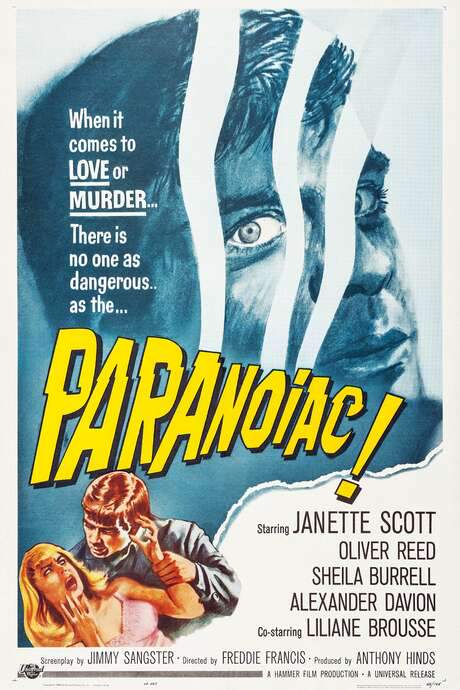
Political dramas about power and betrayal like The Tragedy of Macbeth

Narratives of ruthless ambition and the corrosive nature of power. For viewers who enjoyed the themes of power and betrayal in The Tragedy of Macbeth, this list features similar historical and political dramas. These movies focus on ruthless ambition, moral decay, and the tragic consequences of political murder and tyranny.

  • sinister
  • tragic
  • grim
  • intense
  • dramatic
  • political
  • Tone: dark, serious, bleak
  • Pacing: steady, dramatic
Why these movies?

The story pattern: These narratives typically unfold in a political or royal court setting, where a character's ambition drives them to commit treason or murder to seize power. The story then follows the corrosive effects of this power, the paranoia of maintaining it, and the inevitable rebellion or downfall that follows, often influenced by fate or prophecy.

Why they belong together: These films are connected by their core thematic exploration of power's corrupting influence. They share a dark tone, high intensity, and a focus on political intrigue, betrayal, and the psychological weight of leadership gained through violent means. The setting and high-stakes conflict create a consistent, gripping vibe.

If you liked this

Movies Like The Tragedy of Macbeth

Similar movies to The Tragedy of Macbeth: the same genre, themes or kind of story. Each one comes with its own plot summary, timeline and ending explained.

Browse all movie summaries

Every angle

The Tragedy of Macbeth (2021) Explained: Plot, Ending, Timeline & Characters

Everything about The Tragedy of Macbeth in one place: what happens in the plot summary, the timeline in chronological order, the characters and meaning, the ending explained and a spoiler-free summary. What's After the Movie adds the cast, box office and post-credit scenes.

Coming soon on iOS and Android

The Plot Explained Movie Summary App

Plot summaries, endings explained and timelines on your phone. Catch up on any movie in minutes, save your favorites and never miss a twist again.

Be the first to know when we launch. Your email stays private, always.

Learn more about the app