







Plot Explained Spoilers guaranteed!
Plot Explained

Browse by genre

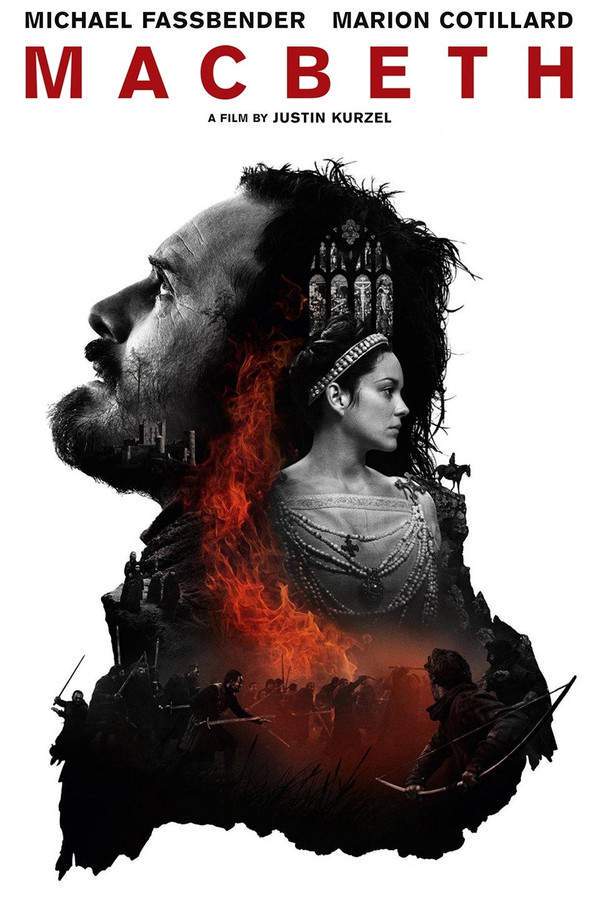
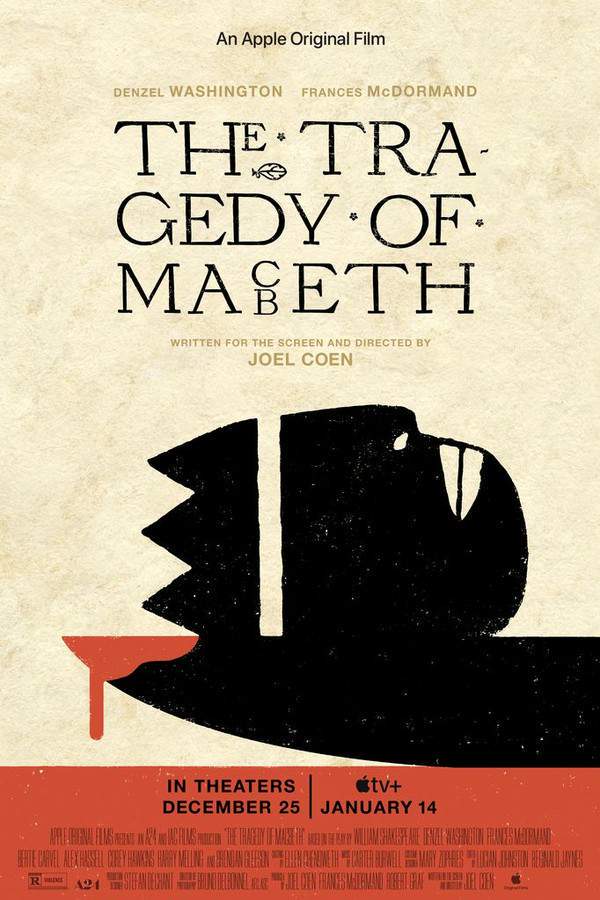
The Tragedy of Macbeth (2021) movie poster

Ending Explained

The Tragedy of Macbeth (2021) Ending Explained – Final Scene & Meaning

Release, runtime and language
2021 · 105 min · English
Echo score 77
JustWatch #6,299 6
Directed by
Joel Coen
Starring
Corey Hawkins, Ralph Ineson, Frances McDormand, Brendan Gleeson, Alex Hassell, Brian Thompson

A ruthless exploration of power and its corrosive effects, Joel Coen's "The Tragedy of Macbeth" unfolds as a gripping tapestry of violence, paranoia, and descent into darkness.

On this page (8)
  1. 1 Where to watch
  2. 2 What happens at the end
  3. 3 Final events in order
  4. 4 Ending questions answered
  5. 5 The book behind the movie
  6. 6 Movie threads
  7. 7 Movies like The Tragedy of Macbeth
  8. 8 Every angle

Where to watch

Where to Watch The Tragedy of Macbeth (2021)

Where can you watch The Tragedy of Macbeth? Stream, rent or buy it in the US, including on Apple TV, Amazon Video and Apple TV Store: current JustWatch availability with up-to-date prices.

Streaming availability powered by JustWatch

Ending explained · contains spoilers

What Happens at the End of The Tragedy of Macbeth?

How The Tragedy of Macbeth (2021) ends, what the final scene means, which earlier moments set it up and how to read the ending if the film leaves it open. The full ending explained, with every spoiler.

The ending of The Tragedy of Macbeth is notably different from the traditional Shakespeare finale, mainly due to a new, wordless scene that leaves the story open-ended and more ambiguous. In the film, it is revealed that Fleance, Banquo’s son who was supposed to be dead after Macbeth’s murderous plot, is actually alive and hidden in the countryside by Ross. This detail is significant because, in Shakespeare’s original play and many adaptations, Fleance’s survival signifies a potential future threat to Macbeth’s throne, but his fate after that remains uncertain. Here, Ross is portrayed as a morally complex character, and his involvement hints that Fleance isn’t just fleeing but may be hidden away deliberately for his own purposes.

This subtle change shifts the tone of the story from a traditional tragedy ending with the restoration of order—Malcolm taking the throne after Macbeth's death—to a darker, more unsettled future. With King Duncan’s death and Malcolm’s claiming of the throne, Shakespeare’s version offers hope for stability, emphasizing renewal and justice. However, Coen’s adaptation complicates this. By making Ross a sneaking conspirator and visually introducing a swarm of ravens over the closing shot, the film suggests that the struggle for power will not end peacefully. The fact that Fleance survives and is secretly protected indicates that a new cycle of chaos and violent power struggles is imminent, foreshadowing more conflict to come. This ending leaves viewers with a sense of uncertainty and cynicism, implying that the violence and treachery of Macbeth’s world are far from over, and peace might never truly be restored. In this way, Coen's version offers a more nihilistic view of the story, where the cycle of violence continues unabated.

Last updated: June 25, 2025 at 08:57

Was this helpful?

The last 4 events

How The Tragedy of Macbeth Ends: The Final Events in Order

The last events of The Tragedy of Macbeth (2021) in chronological order, the run-up to the ending explained above. The complete timeline has all 16 events, scene by scene.

Open the full timeline
  1. Lady Macbeth's Madness

    Lady Macbeth, overwhelmed by guilt for her role in Duncan's murder, succumbs to madness. She begins sleepwalking, haunted by her actions and unable to escape her conscience.

  2. Malcolm Rallies Forces

    Malcolm seeks allies in England to overthrow Macbeth, disguising their approach with branches from Birnam Wood. This strategic move fulfills the witches' prophecy, drawing closer to Macbeth's downfall.

    Where
    England
  3. Final Confrontation

    Macduff confronts Macbeth, revealing that he was 'untimely ripped' from his mother. In a fierce duel, Macduff kills Macbeth, ending his tyrannical reign and fulfilling the final prophecy.

    Where
    Dunsinane
  4. Malcolm's Ascendancy

    With Macbeth defeated, Malcolm is crowned King of Scotland, symbolizing the restoration of order. Meanwhile, Fleance's survival suggests hope for a brighter future.

Ending questions answered

The Tragedy of Macbeth Ending: Your Questions Answered

The questions people ask most about the ending of The Tragedy of Macbeth (2021): what the final scene means, how the twist works, what happens to each character and how to read the ending. Each answer contains spoilers.

Q1

Does Fleance survive in The Tragedy of Macbeth?

Yes, Fleance survives the film. In a major departure from most adaptations, Ross reveals that he has hidden Fleance alive in the countryside rather than allowing Macbeth's assassins to kill him. This survival is significant because Fleance's fate was left uncertain in Shakespeare's original play, where he escapes but vanishes from the story. The Coen film makes his survival explicit and intentional, suggesting he may play a role in future conflicts.

Foreshadowing: Earlier, Macbeth orders Banquo's murder specifically to prevent his descendants from taking the throne, making Fleance's survival a direct subversion of that plan.

  • fleance
  • banquo
  • macbeth ending
  • survival
  • ross
Q2

Why does Ross hide Fleance in the ending?

Ross hides Fleance for his own secretive purposes, though the film leaves his exact motivation ambiguous. Ross is portrayed as a morally complex figure who operates behind the scenes. His decision to protect Fleance rather than deliver him to Macbeth suggests he may be positioning himself for future political advantage, working against Macbeth's regime, or preserving a potential heir as leverage. The film intentionally keeps Ross's motives murky.

Foreshadowing: Ross's opportunism is hinted at earlier when he delivers the news of Lady Macduff's murder to Macduff, showing his willingness to navigate treacherous political waters.

  • ross
  • fleance
  • motivation
  • conspiracy
  • political intrigue
Q3

What do the ravens mean at the end of the film?

The swarm of ravens flying over the closing shot is a visual symbol suggesting that violence and chaos will continue unchecked. In the play, Birnham Wood comes to Dunsinane as a sign of Macbeth's doom, but the ravens replace this supernatural warning with something more ominous and unresolved. Rather than signaling an end to Macbeth's tyranny, the ravens imply that the cycle of murder and power struggle will persist indefinitely.

Foreshadowing: The supernatural guidance that Macbeth sought from the witches has already twisted the story toward doom, and the ravens extend that darkness beyond the final frame.

  • ravens
  • symbolism
  • closing shot
  • omen
  • chaos
Q4

How does the film ending differ from Shakespeare's original?

The Coen adaptation diverges significantly from Shakespeare's tragedy by making Ross a secret conspirator, keeping Fleance alive, and visually emphasizing the ravens. In Shakespeare's version, Malcolm's ascension restores order and suggests renewal after Macbeth's tyranny falls. The film subverts this by implying the power struggle will continue indefinitely, creating a more nihilistic and unresolved ending rather than the traditional tragic restoration of the natural order.

Foreshadowing: Shakespeare's play ends with Malcolm's coronation as a hopeful resolution; the film undercuts this by suggesting Malcolm's reign will face the same threats that destroyed Macbeth.

  • shakespeare
  • difference
  • adaptation
  • coen
  • malcolm
Q5

Is there a happy ending in The Tragedy of Macbeth?

No, the film offers no traditional happy ending. While Macbeth is killed and Malcolm takes the throne, the ending carries no sense of relief or renewal. Ross's secret involvement with Fleance and the ominous ravens suggest that violent power struggles will persist. The film rejects the hopeful closure of Shakespeare's tragedy, instead presenting a bleak view where the cycle of ambition and murder continues unresolved.

Foreshadowing: The relentless downward spiral of murder and psychological unraveling that characterizes the entire film builds toward this joyless conclusion rather than redemption.

  • happy ending
  • bleak
  • nihilism
  • cycle of violence
Q6

Does Malcolm face a threat from Fleance surviving?

With Fleance alive and secretly protected, Malcolm's claim to the throne faces a potential challenge. In Shakespeare's play, Fleance's escape is concerning because his bloodline threatens Macbeth's rule, but this threat becomes moot when Macbeth dies. The film keeps this threat alive by having Ross hide Fleance, suggesting that Malcolm's reign may be contested by Banquo's lineage, just as Macbeth feared when he ordered Banquo's murder.

Foreshadowing: Macbeth's paranoia about Banquo's descendants driving him to order the murder of Banquo and his son directly plants the seeds for this continuing threat.

  • malcolm
  • fleance
  • threat
  • throne
  • succession
Q7

What happens to Macbeth at the end?

Macbeth is killed in combat by Macduff, who reveals he was untimely ripped from his mother's womb, born via cesarean section, making him not technically "born of woman" as the witches prophesied. This fulfills the witches' misleading prophecy that Macbeth cannot be killed by any man "born of woman." His death marks the end of his tyrannical reign but brings no catharsis; the film treats it as another violent act in an endless cycle rather than a triumphant resolution.

Foreshadowing: The witches' prophecy that Macbeth cannot be harmed by any man born of woman gives him false confidence, while Macduff's unusual birth becomes the key to his downfall.

  • macbeth
  • macduff
  • death
  • prophecy
  • combat
Q8

What is Ross's role in the ending?

Ross emerges as a morally ambiguous figure who has been navigating the political chaos for his own benefit. Rather than being a loyal subject to any king, Ross has been quietly positioning himself by hiding Fleance. His final revelation suggests he may be playing a longer game, potentially using Fleance as a future pawn or ally in the ongoing struggle for power. The film leaves his exact plans uncertain but positions him as someone who survives and schemes while others fall.

Foreshadowing: Ross's consistent presence at key moments throughout the film, often delivering news and manipulating situations, establishes him as an opportunist rather than a loyalist.

  • ross
  • character
  • conspiracy
  • opportunist
  • political
Q9

Why doesn't order get restored after Macbeth's death?

Order is not restored because the film rejects the traditional tragic structure where Macbeth's fall allows Malcolm to renew the kingdom. The survival of Fleance, Ross's hidden conspiracy, and the ominous ravens all signal that the violence driving the story will persist. Rather than the hopeful restoration in Shakespeare's ending, Coen presents a pessimistic view where the removal of one tyrant simply opens the door for more conflict, suggesting the system itself is broken beyond repair.

Foreshadowing: The consistent tone of darkness, guilt, and psychological deterioration throughout the film builds toward this unresolved conclusion rather than redemption.

  • order
  • restoration
  • chaos
  • malcolm
  • peace
Q10

What is the meaning of the film's ending?

The ending presents a nihilistic interpretation of Shakespeare's tragedy, suggesting that the violence and treachery of Macbeth's world are systemic rather than aberrational. The cycle of ambition, murder, and power struggle continues beyond Macbeth's death, with Fleance's survival and Ross's schemes implying future conflicts. The ravens symbolize this unending darkness, leaving viewers with cynicism rather than hope that order or justice will prevail.

Foreshadowing: Lady Macbeth's descent into madness and suicide demonstrate how thoroughly corruption has infected the entire system, not just Macbeth.

  • meaning
  • nihilism
  • cycle of violence
  • interpretation
  • themes

Movie threads

More Movies Like The Tragedy of Macbeth, by Mood & Story

Curated lists built around what makes The Tragedy of Macbeth tick: the same mood, the same kind of story or the same emotional payoff. Each list explains why these movies belong together.

Paranoid thrillers with tragic downfalls like The Tragedy of Macbeth

Stories where characters are consumed by their own ambition and guilt. If you liked the oppressive, paranoid atmosphere of The Tragedy of Macbeth, this selection features movies with a similar descent into madness. These stories explore characters consumed by ambition, guilt, and psychological torment, resulting in bleak, haunting conclusions.

  • paranoid
  • claustrophobic
  • haunting
  • psychological
  • sinister
  • tragic
  • Tone: dark, tense, bleak
  • Pacing: steady, deliberate
Why these movies?

The story pattern: The narrative pattern in these films follows a central character's fatal flaw—often ambition or greed—as it leads them down a path of moral compromise. Their initial actions trigger a chain reaction of paranoia, guilt, and psychological disintegration, culminating in a bleak and isolating conclusion.

Why they belong together: Movies are grouped here for their shared focus on a claustrophobic, psychological descent. They share a dark tone, high emotional weight, and a steady pacing that allows the dread to build. The central theme of a character being destroyed from within by their own actions creates a cohesive, intense experience.

Political dramas about power and betrayal like The Tragedy of Macbeth

Narratives of ruthless ambition and the corrosive nature of power. For viewers who enjoyed the themes of power and betrayal in The Tragedy of Macbeth, this list features similar historical and political dramas. These movies focus on ruthless ambition, moral decay, and the tragic consequences of political murder and tyranny.

  • sinister
  • tragic
  • grim
  • intense
  • dramatic
  • political
  • Tone: dark, serious, bleak
  • Pacing: steady, dramatic
Why these movies?

The story pattern: These narratives typically unfold in a political or royal court setting, where a character's ambition drives them to commit treason or murder to seize power. The story then follows the corrosive effects of this power, the paranoia of maintaining it, and the inevitable rebellion or downfall that follows, often influenced by fate or prophecy.

Why they belong together: These films are connected by their core thematic exploration of power's corrupting influence. They share a dark tone, high intensity, and a focus on political intrigue, betrayal, and the psychological weight of leadership gained through violent means. The setting and high-stakes conflict create a consistent, gripping vibe.

If you liked this

Movies Like The Tragedy of Macbeth

Similar movies to The Tragedy of Macbeth: the same genre, themes or kind of story. Each one comes with its own plot summary, timeline and ending explained.

Browse all movie summaries

Every angle

The Tragedy of Macbeth (2021) Explained: Plot, Ending, Timeline & Characters

Everything about The Tragedy of Macbeth in one place: what happens in the plot summary, the timeline in chronological order, the characters and meaning, the ending explained and a spoiler-free summary. What's After the Movie adds the cast, box office and post-credit scenes.

Coming soon on iOS and Android

The Plot Explained Movie Summary App

Plot summaries, endings explained and timelines on your phone. Catch up on any movie in minutes, save your favorites and never miss a twist again.

Be the first to know when we launch. Your email stays private, always.

Learn more about the app