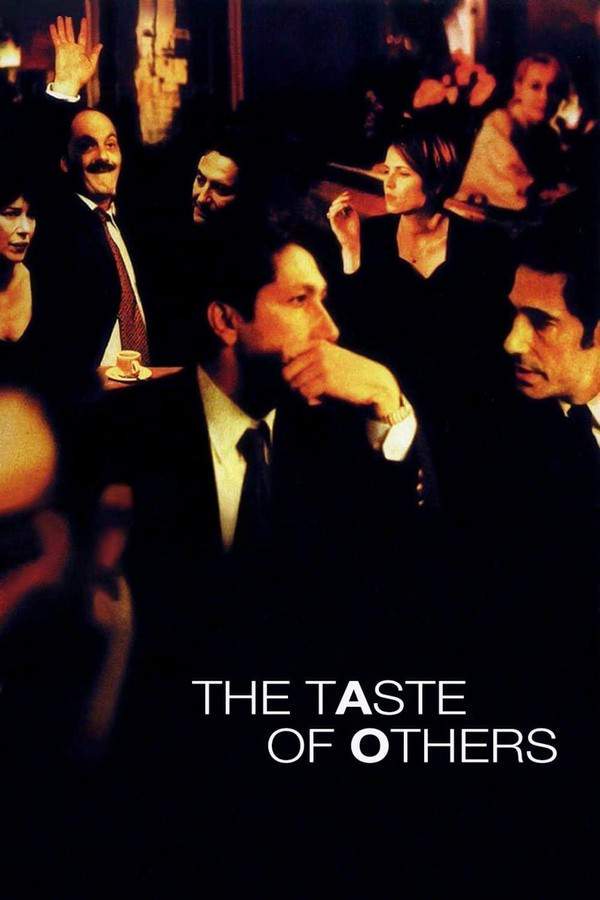
A cynical and disillusioned businessman, Castella, finds his life unexpectedly changed by a captivating actress named Clara. Drawn to her mesmerizing stage presence, he becomes increasingly smitten as their lives intertwine. Their connection challenges Castella's perspective and forces him to confront the possibilities that emerge from this unlikely and complex relationship, ultimately examining the nature of connection and personal growth.
Find where to stream, rent, or buy The Taste of Others (2001) in the US with current JustWatch availability, up-to-date pricing, and platform listings for subscription, rental, and digital purchase options.
Warning: spoilers below!
Haven’t seen The Taste of Others yet? This summary contains major spoilers. Bookmark the page, watch the movie, and come back for the full breakdown. If you're ready, scroll on and relive the story!
Explore the full timeline and setting of The Taste of Others (2001). Follow every major event in chronological order and see how the environment shapes the story, characters, and dramatic tension.
Last updated: October 22, 2024 at 21:42
Meet the key characters of The Taste of Others (2001), with detailed profiles, motivations, and roles in the plot. Understand their emotional journeys and what they reveal about the film’s deeper themes.
Last updated: October 22, 2024 at 21:42
Explore the central themes of The Taste of Others (2001), from psychological, social, and emotional dimensions to philosophical messages. Understand what the film is really saying beneath the surface.
Last updated: October 22, 2024 at 21:42
Browse frequently asked questions about The Taste of Others (2001) focused on characters, relationships, themes, symbols, setting, and story context. This movie info FAQ gives spoiler-aware explanations for character arcs, world details, and thematic interpretation so readers can better understand what the film is really about.
The movie takes place across several distinct locations in contemporary France. Key settings include a steel factory representing Castella's business world, a theatre where Clara performs, an English tea room that serves as a space for personal growth and cultural exchange, and a bar that acts as a sentimental reminder of characters' pasts and connections.
The film is set in the modern era, depicting contemporary life and its associated complexities. Characters navigate personal identity, cultural appreciation, and romantic relationships amid social expectations and individual aspirations, reflecting the realities of present-day French society.
The film explores three interconnected themes: Art and Culture, as Castella discovers appreciation for artistic expression through Clara; Love and Relationships, examining the challenges of communication and romantic partnerships; and Identity and Self-Discovery, following Castella's transformation from a business-focused man to someone who embraces art and personal growth.
Castella is a pragmatic businessman portrayed by Jean-Pierre Bacri whose life changes when he becomes captivated by actress Clara. Initially dismissive of cultural pursuits, he evolves to appreciate artistic expression while navigating marital struggles with his wife Angelique. His journey represents a transformation from ambition and naivety toward self-discovery.
Clara is a passionate actress played by Anne Alvaro who becomes Castella's tutor in the arts. She balances career fears with personal aspirations while grappling with the realities of aging in a competitive field. Her interactions with Castella reveal both depth and vulnerability, showcasing the tension between artistic ambition and romantic entanglement.
The film portrays art and culture as transformative forces that can unexpectedly change people's lives. Castella's journey from disinterest to admiration for Clara's performances illustrates how discovering beauty in unfamiliar territory can lead to genuine personal growth and a deeper appreciation for artistic expression.
The film examines the complexities of romantic partnerships through Castella's infatuation with Clara and the tension in his marriage with Angelique. It illustrates how external influences impact personal connections and highlights the challenges of communication and understanding between partners navigating change.
The steel factory serves as the primary backdrop for Castella's business ambitions and represents his pre-transformation life. It symbolizes the corporate, pragmatic world that contrasts sharply with the artistic realm of theatre and cultural pursuits that ultimately draw his interest through Clara.
Angelique is Castella's wife, an interior decorator whose practical concerns often clash with his newfound artistic pursuits. Her character reflects the challenges partners face when one undergoes significant personal transformation, as she struggles with her own sense of identity and vision for their shared life.
The film follows Castella's journey from a business-focused identity to someone who embraces art and cultural experiences. His Grappling with personal interests and his attraction to Clara's world represents a broader theme of self-exploration, showing how unexpected encounters can lead to genuine transformation and a fuller sense of self.
The film carries a bittersweet tone, combining poignant character disappointments with quiet realizations. While Castella experiences genuine personal growth, his romantic aspirations remain unfulfilled. Other characters face similarly mixed outcomes, creating an emotionally resonant but not tragic atmosphere.
Discover curated groups of movies connected by mood, themes, and story style. Browse collections built around emotion, atmosphere, and narrative focus to easily find films that match what you feel like watching right now.
Stories where love challenges social divides and leads to personal growth.If you liked the poignant connection between Castella and Clara in The Taste of Others, explore more movies about bittersweet romances that bridge social divides. These films feature characters whose lives are transformed by unlikely relationships, offering similar themes of personal growth and complex emotional dynamics.
These narratives typically follow a protagonist from one world who becomes enamored with someone from a different social or cultural sphere. The central conflict stems from this cultural clash, driving a character arc of self-discovery and changed perspective, often culminating in a realistic, bittersweet resolution rather than a conventional happy ending.
Movies in this thread are grouped by their shared focus on romance as a catalyst for personal transformation across social boundaries. They possess a bittersweet tone, moderate emotional weight, and a character-driven pace that prioritizes reflection and nuanced interaction over melodramatic plot.

Character studies of personal reinvention sparked by unexpected encounters.Find more character-driven stories similar to The Taste of Others, where a disillusioned businessman undergoes a quiet personal transformation. These films explore midlife crises and awakenings with a steady pace, bittersweet tone, and a focus on nuanced emotional growth rather than high-stakes action.
The narrative pattern involves a cynical or settled protagonist whose worldview is challenged by an encounter with art, passion, or a charismatic individual. The story unfolds through conversations and small realizations, building a portrait of gradual internal shift where the victory is often a changed perspective, not a changed circumstance.
These films share a specific vibe: a steady, talky pace; a melancholic yet unsentimental mood; and a focus on the quiet drama of self-realization. They are united by the thematic core of midlife re-evaluation and the bittersweet emotional texture of growth that comes with acceptance, not conquest.
Don't stop at just watching - explore The Taste of Others in full detail. From the complete plot summary and scene-by-scene timeline to character breakdowns, thematic analysis, and a deep dive into the ending - every page helps you truly understand what The Taste of Others is all about. Plus, discover what's next after the movie.
Read a complete plot summary of The Taste of Others, including all key story points, character arcs, and turning points. This in-depth recap is ideal for understanding the narrative structure or reviewing what happened in the movie.
Track the full timeline of The Taste of Others with every major event arranged chronologically. Perfect for decoding non-linear storytelling, flashbacks, or parallel narratives with a clear scene-by-scene breakdown.
Discover movies like The Taste of Others that share similar genres, themes, and storytelling elements. Whether you’re drawn to the atmosphere, character arcs, or plot structure, these curated recommendations will help you explore more films you’ll love.
The Taste of Others (2001) Plot Summary & Movie Recap
The Taste of Others (2001) Scene-by-Scene Movie Timeline
The Taste of Others (2001) Spoiler-Free Summary & Key Flow
Movies Like The Taste of Others – Similar Titles You’ll Enjoy
Va Savoir (Who Knows?) (2001) Detailed Story Recap
Toscana (2022) Spoiler-Packed Plot Recap
Taste (2022) Complete Plot Breakdown
The Bridesmaid (2006) Full Summary & Key Details
Delicacy (2012) Movie Recap & Themes
The Dying Gaul (2005) Movie Recap & Themes
The Five Senses (2000) Detailed Story Recap
5x2 (2005) Full Movie Breakdown
Chocolat (2000) Full Movie Breakdown
French Kiss (1995) Complete Plot Breakdown
Whatever It Takes (2000) Ending Explained & Film Insights
The Taste of Betel Nut (2017) Spoiler-Packed Plot Recap
Boyfriends and Girlfriends (1987) Detailed Story Recap
A Taste of Love (2024) Complete Plot Breakdown
The Five Senses (1999) Detailed Story Recap