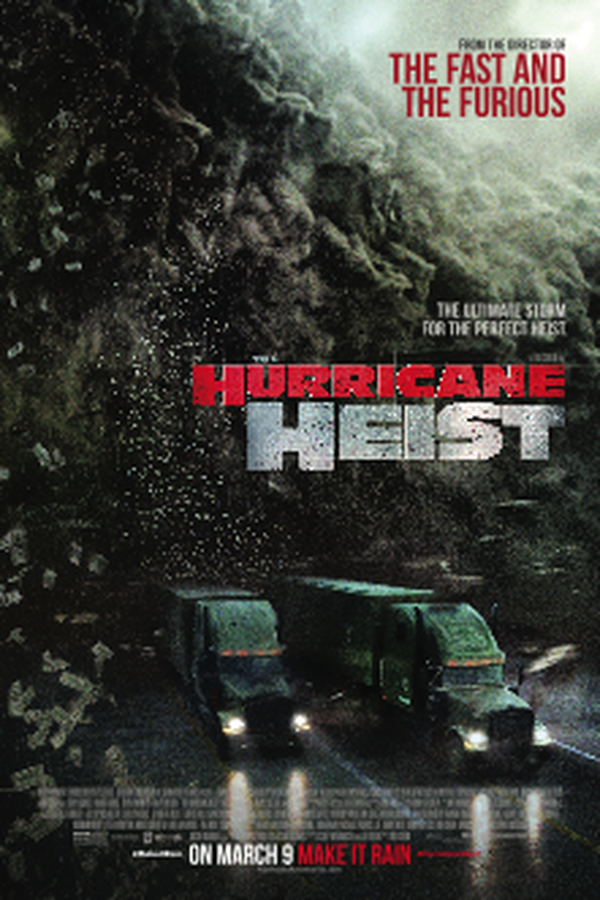
One night in Beverly Hills is jolted awake when a truck carrying hazardous materials crashes, releasing a deadly chemical that forces the city into a tense quarantine. The plan is for residents to be moved to a hotel in Century City while the police and EPA agents stay behind to guard valuables and begin the cleanup. The setup feels orderly, almost routine, until a more sinister motive emerges and the surface calm begins to crack.
This crisis is revealed as a meticulously staged hoax engineered by the head of the city’s football program, Robert Masterson. The supposed danger becomes a vehicle for theft and revenge, driven by a cadre of bitter ex-cops who see in the evacuation an opportunity to seize what the citizens hoard. With the National Guard’s arrival projected to take about 70 minutes, the group plans to loot every home and business in the area, turning a public safety crisis into a private score.
Into this manufactured chaos steps the film’s unlikely hero, Boomer Hayes, aging football player and a man who has long outlived his prime. He’s not the target of the loot—the authorities mistakenly assume he’s someone else’s dog as they rush to evacuate—but his life intersects with the plot in a way that makes him both an obstacle and an ally. Boomer is drawn into the fray after a brutal encounter with a cop who appears determined to eliminate him. He survives that confrontation, only to be trapped briefly in a hot tub before another shooting cuts the moment short. The situation shifts when another truth-teller steps forward: Ed Kelvin, a cop who is in on the broader conspiracy but morally unsettled by the murder of the mayor. Kelvin’s reluctant confession serves as the turning point that nudges Boomer toward action rather than passive survival.
With the truth laid bare, Boomer decides to act. He crosses paths with Laura Sage, a figure connected to the chaos around the evacuation. In the original casting, Laura Sage stands as a catalyst in this dangerous game, a link between the civilian population’s fear and the corrupt professionals who orchestrate the crisis. The two of them become uneasy allies as they navigate a city divided between panic and predatory opportunism, moving through streets that feel like a waiting room for disaster.
As the clock ticks down, the pair uncover the depth of Masterson’s plan and the extent of the police’s complicity. The ex-cops’ ruthless intent becomes clearer: they intend to weaponize fear and loot the city before the National Guard can restore order. The stakes heighten when Boomer learns that Benitez, a ruthless enforcer pulled into the scheme, has commandeered a SWAT tank and is actively hunting them down. The pursuit becomes a high-octane chess game through a city that has been stripped of its innocence and full of willing traitors.
The action intensifies as Boomer, still nursing an old knee injury, suits up for the moment of truth. He dons his jersey, injects cortisone to manage the pain, and relies on the help of Ed Kelvin to access the safe, sealed hazmat room that could hold the key to stopping the looting. What follows is a tense race against time, with Boomer’s resolve tested at every turn as he tries to rally law enforcement and expose Masterson’s duplicitous scheme. The plan hinges on restoring order and bringing the mastermind to justice, all while outrunning a group of ex-cops who will stop at nothing to seize the city’s wealth.
Throughout this brisk, 70-minute thriller, the balance between public duty and private greed is tested at every turn. The plot’s cunning reversal—that a catastrophe could be a cover for personal gain—unfolds in a series of tense set-pieces: close calls with a tank-toting antagonist, evasive maneuvers through a city on alert, and the ever-present fear that the National Guard might arrive only to find a town already picked clean. Yet amid the chaos, Boomer embodies a stubborn, old-school resilience. He fights not merely to survive but to reassert what is right, to make the tale more than a simple caper and give the city a chance to reclaim its broken sense of security.
In the end, the story folds back onto itself with a hard-won sense of justice. The hoax is exposed, the corrupt leadership is confronted, and the city’s ordinary people—touched by fear, confusion, and a spark of courage—find a path to reclaiming their streets. Though Boomer’s path is anything but smooth, his decisions, along with the reluctant involvement of Ed Kelvin, tilt the balance away from the corrupt ex-cops and toward accountability. The film closes on a note of hard-won truth and the promise that, even in the face of engineered peril, a single determined person can help restore order and justice to a community that might otherwise be swept away by greed.