Plot Explained Spoilers guaranteed!
Plot Explained

Browse by genre

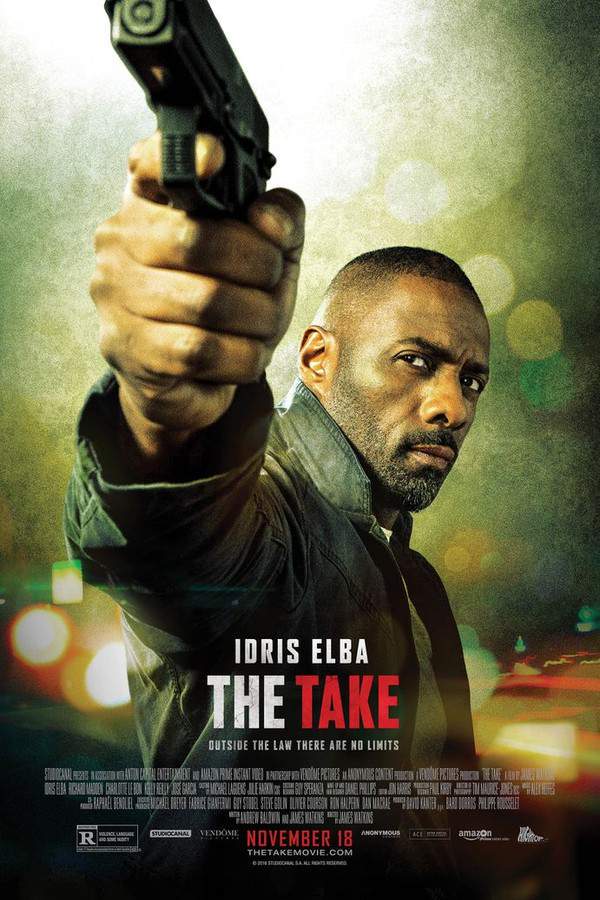
The Take (2008) movie poster

Plot Summary

The Take (2008) Plot Summary Explained

Release, runtime and language
2008 · 96 min · English
JustWatch #34,617 2
Directed by
Brad Furman

Felix, an ordinary man, finds himself unexpectedly embroiled in a dangerous heist when his truck is stolen. As he investigates, the situation escalates, pulling him into the criminal underworld of East Los Angeles. He must navigate a web of deceit and risk everything – including his family – to uncover the truth and fight for justice in a desperate fight for survival.

On this page (6)
  1. 1 Where to watch
  2. 2 What happens: full plot
  3. 3 Plot questions answered
  4. 4 Movie threads
  5. 5 Movies like The Take
  6. 6 Every angle

Where to watch

Where to Watch The Take (2008)

Where can you watch The Take? Stream, rent or buy it in the US, including on fuboTV, Tubi TV and Amazon Video: current JustWatch availability with up-to-date prices.

Streaming availability powered by JustWatch

Full plot summary · contains spoilers

What Happens in The Take: Full Plot Summary

The whole story of The Take (2008) explained, from the opening scene to the final frame: every key event, every twist and what it all adds up to. Read it as a quick recap before the sequel, to check a scene you missed, or to finally understand what really happened.

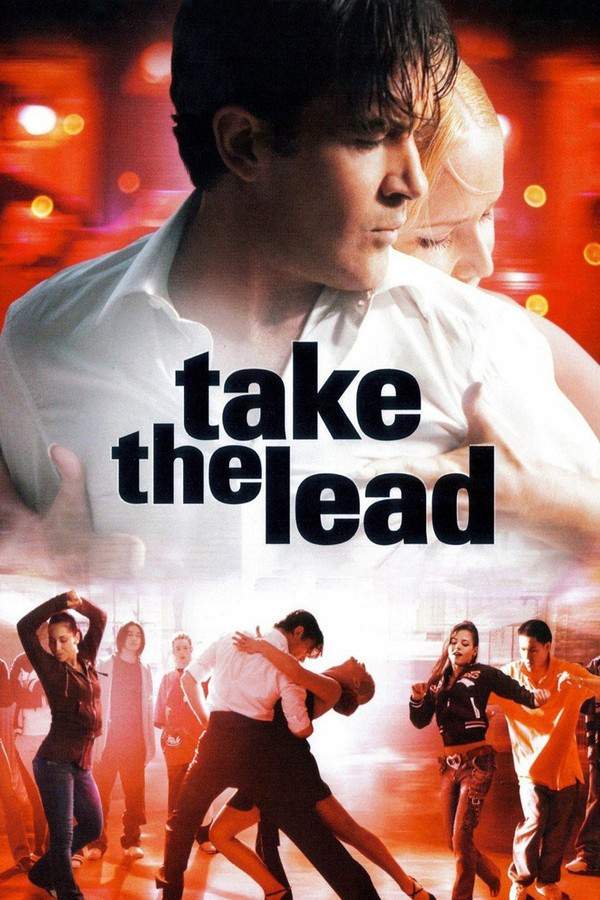
Pierre Dulaine, portrayed by Antonio Banderas, hosts an exhibition at his dance academy, and amidst the spectacle, one student, Caitlin, played by Lauren Collins, stands out for her clumsy demeanor. As the audience anticipates an upcoming competition, tensions begin to flare. Rock, a rebellious student, finds himself barred from the school dance due to a supposedly fake ticket and a troubled past, leading him to join his rowdy friends in vandalizing Principal James’s vehicle. As Pierre rides home in his formal attire, he witnesses the aftermath of the vandalism, only catching a glimpse of Rock before he darts away.

The following day sees students navigating metal detectors as Pierre heads to the principal's office. Here, he overhears a heated discussion between Principal James, portrayed by Alfre Woodard, and Mr. Temple, who is resistant to help with detention responsibilities. Pierre seizes the moment, offering to mentor the students through dance, a solution Principal James accepts, albeit reluctantly linked to the detention issue. When Pierre’s colleague Tina informs him that many students might seek extra help leading up to the competition, he reassures her that they will manage.

After being shown to the basement detention room, Pierre is met with a group of defiant students, including Rock and Eddie. A wager is placed between Pierre and Principal James; however, the initial attempts to pair students for dance lessons quickly spiral into chaos. The relationships among the students surface, revealing complex dynamics, notably between LaRhette and Rock, who have personal ties to gang violence.

Rock's journey unfolds as he misses the opportunity to showcase his talent and resilience due to pressing family issues and job losses, which plunge him into a downward spiral. LaRhette, burdened with familial responsibilities, also seeks solace within the dance, hinting at a bond formed through shared struggles. As tensions rise, Pierre’s genuine concern leads him to intervene, demonstrating that bonding through dance can transcend their struggles.

With the detention basement flooding, Pierre relocates the lesson to his dance academy, boosting the group's morale until faced with the impending reality of their competition. Students are filled with determination, pushing themselves to practice tirelessly. As they prepare for the contest under Pierre’s guidance, the community around them begins to take notice, fostering newfound respect and support.

On the night of the contest, the stakes are higher than ever. Each dancer faces not only the competition but personal battles and heartbreak, notably LaRhette’s disappointment over Rock’s absence. Yet, Rock’s unexpected arrival breathes life into the final dance. LaRhette’s joy illuminates the stage as they unite for a long-awaited moment.

As the event unfolds, the camaraderie forged through challenges not only leads students to dance but also to understanding respect and appreciation for one another. The conclusion reveals that Pierre's efforts have inspired a broader ballroom dance initiative across New York schools, cementing a legacy beyond that single competition.

Last updated: November 03, 2024 at 21:36

Was this helpful?

Plot questions answered

The Take Plot Explained: Your Questions Answered

The questions people ask most about The Take (2008): what happens in the confusing scenes, why the characters do what they do, the twists, hidden details and what the ending means. Each answer contains spoilers.

Q1

Why does Pierre offer to mentor the detention students through dance?

Pierre overhears a discussion in the principal's office about the detention problem and sees an opportunity to use his dance expertise constructively. Having witnessed Rock fleeing the vandalism scene, Pierre believes he can reach troubled students through dance when traditional disciplinary approaches have failed. His genuine concern for at-risk youth drives him to propose this unconventional solution.

Foreshadowing: Earlier, Pierre witnesses Rock fleeing the vandalism scene, giving Pierre insight into the kind of student he's dealing with.

  • pierre dulaine
  • detention students
  • mentorship
  • dance education
  • principal james
Q2

Why was Rock barred from the school dance activities?

Rock was barred from participating in the school's dance activities because he used a fake ticket to try to attend. This incident occurs alongside his troubled past, which the school administration uses as justification for excluding him from extracurricular events.

Foreshadowing: The fake ticket incident establishes Rock's pattern of rebelling against school rules and his desire to be part of something he wasn't originally invited to.

  • rock
  • fake ticket
  • school dance
  • expelled
  • rebellion
Q3

Why does Rock vandalize Principal James's vehicle?

Rock vandalizes Principal James's car out of frustration after being barred from the school's dance activities due to his fake ticket and troubled past. Feeling excluded and unjustly punished, he channels his anger by damaging the principal's vehicle alongside his rowdy friends.

Foreshadowing: This act of vandalism directly leads to Pierre witnessing Rock flee the scene, setting up their eventual mentorship relationship.

  • rock
  • vandalism
  • principal james
  • car
  • punishment
Q4

Why is LaRhette disappointed when Rock is absent from the competition?

LaRhette is disappointed because she and Rock share a personal connection rooted in their shared experiences with gang violence. Their bond formed through these struggles makes his presence significant to her. His absence at such a crucial moment feels like a betrayal of their relationship and the teamwork they'd built.

Foreshadowing: Earlier scenes reveal LaRhette and Rock's connection through their mutual struggles with gang violence and personal hardship.

  • larhette
  • rock
  • competition
  • disappointment
  • relationship
  • gang violence
Q5

Why does the detention basement flood, and what happens because of it?

The detention basement floods, forcing Pierre to relocate the dance lessons to his professional dance academy. This relocation proves beneficial as the students gain access to a proper dance environment, which boosts their morale and allows them to practice in a supportive space away from the negative associations of detention.

Foreshadowing: The flooding serves as a turning point that transforms the dance lessons from punishment to privilege.

  • detention basement
  • flood
  • dance academy
  • relocation
  • morale
Q6

Why is Rock missing from the competition initially?

Rock misses the beginning of the competition due to pressing family issues and job losses that have plunged him into a downward spiral. These personal struggles prevent him from being present at the crucial moment, reflecting the real-life challenges facing at-risk youth.

Foreshadowing: Earlier scenes establish Rock's struggles with family issues and job losses that continuously threaten his ability to participate.

  • rock
  • family issues
  • job loss
  • competition
  • absence
Q7

How do the students transform through dance under Pierre's guidance?

The students transform by bonding through dance, which helps them transcend their individual struggles. Pierre's genuine concern creates a supportive environment where difficult students learn discipline, teamwork, and respect. The practice sessions foster camaraderie, turning defiant teenagers into disciplined performers who appreciate one another.

Foreshadowing: The initial chaos in the detention room gradually gives way to cooperation as Pierre's patient mentorship takes effect.

  • transformation
  • dance
  • teamwork
  • respect
  • pierre
  • students
Q8

Why does Pierre relocate the dance lessons to his dance academy?

Pierre relocates the lessons to his dance academy after the detention basement floods. Rather than canceling sessions, he sees this as an opportunity to give students access to proper dance facilities, which significantly improves their training environment and helps shift their mindset from seeing dance as punishment to viewing it as a privilege.

Foreshadowing: The flooding creates the perfect opportunity for Pierre to transform the relationship between the students and dance.

  • dance academy
  • relocation
  • flooding
  • detention
  • training
Q9

Why does Rock arrive at the competition just in time?

Rock arrives just in time for the final dance despite his earlier absence, demonstrating his commitment to his teammates and to LaRhette specifically. His unexpected arrival revitalizes the group and brings unexpected joy to LaRhette, showing that his connection to the dance team ultimately supersedes his personal struggles.

Foreshadowing: Rock's late arrival fulfills the emotional buildup of his relationship with LaRhette and his journey from rebellion to responsibility.

  • rock
  • late arrival
  • final dance
  • larhette
  • redemption
Q10

Why does Principal James reluctantly accept Pierre's dance mentorship proposal?

Principal James reluctantly accepts because she's dealing with a difficult situation, Mr. Temple is resistant to helping with detention responsibilities, and she needs a solution. Pierre's proposal offers a practical way to handle the detention problem while potentially benefiting the students, even though she remains skeptical about whether dance can really reach these troubled youth.

Foreshadowing: The tension in the principal's office discussion about detention responsibilities sets up her reluctant acceptance of Pierre's unconventional plan.

  • principal james
  • pierre
  • detention
  • reluctant acceptance
  • skepticism
Q11

What happens to Pierre's dance program after the competition?

After the successful competition, Pierre's efforts inspire a broader ballroom dance initiative across New York schools. His program demonstrates that dance can reach at-risk youth and foster community, leading to a lasting legacy that extends far beyond the original detention group.

Foreshadowing: The competition's success validates Pierre's methods and shows the broader community the program's potential.

  • legacy
  • ballroom dance
  • new york schools
  • initiative
  • expansion
Q12

Why do the students push themselves to practice tirelessly for the competition?

The students practice tirelessly because the competition represents more than just a dance event, it symbolizes their personal transformation and proof that they can succeed despite their difficult backgrounds. Under Pierre's guidance, they develop determination and team cohesion, realizing their performance can change how others perceive them and validate their own self-worth.

Foreshadowing: The shift from chaos in detention to dedicated practice shows the students' genuine growth in commitment.

  • practice
  • competition
  • determination
  • transformation
  • teamwork

Movie threads

More Movies Like The Take, by Mood & Story

Curated lists built around what makes The Take tick: the same mood, the same kind of story or the same emotional payoff. Each list explains why these movies belong together.

Inspiring Teacher Movies like The Take

Inspiring stories of mentors who change destinies against the odds. If you enjoyed the uplifting story in The Take, you'll find more movies here about dedicated educators and mentors. These films share a focus on second chances, personal growth, and the powerful bond formed between a teacher and their students, often set against a backdrop of community challenges.

  • uplifting
  • inspiring
  • heartfelt
  • dramatic
  • hopeful
  • tender
  • Tone: hopeful, heartfelt
  • Pacing: steady, character-driven
Why these movies?

The story pattern: These narratives typically follow a dedicated outsider who enters a difficult environment, faces initial resistance, and slowly earns trust through perseverance and a unique shared goal. The central conflict often comes from external pressures or the students' personal hardships, but the arc is consistently hopeful, building towards a public demonstration of success that symbolizes internal change.

Why they belong together: Movies in this thread are grouped by their shared focus on redemptive, character-driven journeys. They balance heartfelt drama with an uplifting tone, featuring steady pacing that allows for emotional investment in the characters' transformations. The core experience is one of inspiration and hope.

Movies about Community Triumph like The Take

Stories where a neighborhood bands together to overcome adversity. Discover movies similar to The Take that celebrate community spirit and overcoming adversity. These stories often feature underdogs from a specific neighborhood or group who unite against the odds, creating a heartfelt and tense but ultimately hopeful journey toward a shared victory.

  • uplifting
  • tense
  • hopeful
  • dramatic
  • heartfelt
  • inspiring
  • Tone: hopeful, tense, uplifting
  • Pacing: steady, building
Why these movies?

The story pattern: The narrative pattern involves a catalyst event or person that brings a fractured community together. Subplots explore the personal struggles of various members, which are ultimately woven into the collective effort. The central conflict is external pressure or internal doubt, but the story builds steadily towards a climax that proves the power of unity and resilience, resulting in a happy ending that strengthens community bonds.

Why they belong together: These movies share a specific emotional mix: they are dramatically tense yet fundamentally hopeful, with a medium emotional weight that acknowledges hardship without being overwhelming. The steady pacing and uplifting tone, culminating in a happy ending, create a coherent and satisfying viewing experience focused on collective success.

If you liked this

Movies Like The Take

Similar movies to The Take: the same genre, themes or kind of story. Each one comes with its own plot summary, timeline and ending explained.

Browse all movie summaries

Every angle

The Take (2008) Explained: Plot, Timeline & Characters

Everything about The Take in one place: what happens in the plot summary, the timeline in chronological order, the characters and meaning and a spoiler-free summary. What's After the Movie adds the cast, box office and post-credit scenes.

Coming soon on iOS and Android

The Plot Explained Movie Summary App

Plot summaries, endings explained and timelines on your phone. Catch up on any movie in minutes, save your favorites and never miss a twist again.

Be the first to know when we launch. Your email stays private, always.

Learn more about the app