
The Stranglers of Bombay
Year: 1959
Runtime: 80 mins
Language: English
Director: Terence Fisher
Set in 1826 British‑ruled India, the secret Thuggee cult worships Kali through the mutilation and mass murder of thousands while hijacking shipments of the British East India Company’s tea. British commanders downplay the terror, but a lone captain suspects a larger conspiracy and risks his career to expose the murderous secret society.
Warning: spoilers below!
Haven’t seen The Stranglers of Bombay yet? This summary contains major spoilers. Bookmark the page, watch the movie, and come back for the full breakdown. If you're ready, scroll on and relive the story!
The Stranglers of Bombay (1959) – Full Plot Summary & Ending Explained
Read the complete plot breakdown of The Stranglers of Bombay (1959), including all key story events, major twists, and the ending explained in detail. Discover what really happened—and what it all means.
Captain Harry Lewis, Guy Rolfe of the British East India Company, begins investigating the mass disappearance of over 2,000 locals, a mystery that his superior, Colonel Henderson, would rather ignore in favor of protecting the merchants’ caravans that keep the area running. Henderson, eager to appease the city’s powerful traders, ultimately assigns a man to look into the vanishing caravans, and Lewis expects the job to be his. Instead, the newly arrived, somewhat oblivious Captain Connaught-Smith, Allan Cuthbertson, is handed the assignment, leaving Lewis feeling bitterly disappointed.
Lewis grows convinced that an organized gang is slaughtering both people and animals along the caravan routes, with informants slipping information to their hidden operatives among the merchants. He shares his theories and hard evidence with Connaught-Smith, only to be dismissed as a crank. The tension tightens when Lewis is captured by the Thuggee and sentenced to die by a cobra’s bite; his life is saved by a pet mongoose, a brush with the cult that forces the High Priest of Kali, George Pastell, to release him. Yet Connaught-Smith remains skeptical and openly antagonistic toward Lewis, who ultimately resigns his commission in frustration and decides to pursue the truth on his own terms.
Ram Das, Lewis’s houseboy, believes he has spotted his brother Gopali, who vanished years earlier, and he secures permission to search for him. Lewis soon uncovers a grim thread: Ram Das is killed by the Thugs when his severed hand is thrown through the bungalow window; while investigating for Gopali Das, the Thugs force the new initiate to kill his own brother. In the meantime, the merchants, fearing bandits, decide to unite behind a colossal caravan meant to deter attackers. Captain Connaught-Smith leads this grand procession and, foolishly, allows the stranglers to pose as ordinary travelers and join the party. That night, the Thugs strike with their typical deadly efficiency, and every caravan member, Connaught-Smith included, is slain and buried.
Lewis and Lt. Silver, Paul Stassino, a cult member within the caravan, press on to uncover the truth behind the caravan’s disappearance. Lewis spots the scar that marks Silver as a Thuggee devotee of Kali and shoots him in self-defense. He then discovers the buried corpses and makes a perilous return to the cult’s secret temple, where he is captured and strapped to a burning pyre. Gopali Das, haunted by the death of his brother at his own hands, frees Lewis, who in turn casts the High Priest onto the pyre, and the pair escape amid the temple’s chaos. They race back to the city to meet Henderson, who is dining with Patel Shari, Marne Maitland the merchants’ local representative and a covert informer for the Thuggee cult. Gopali identifies Patel’s chief servant as a Thug, and Patel silences his follower only to reveal his own complicity in the conspiracy.
With the web of treachery exposed, Henderson revokes Lewis’s resignation and elevates him to a new post, recognizing that Lewis’s relentless pursuit helped uncover the threat. The film closes with a reflective note on the broader historical struggle, stating that the Thuggee cult was ultimately wiped out by the British, and closing with Major General William Sleeman’s emblematic line: “If we have done nothing else for India, we have done this one good thing.”
Last Updated: October 09, 2025 at 11:16

Explore Movie Threads
Discover curated groups of movies connected by mood, themes, and story style. Browse collections built around emotion, atmosphere, and narrative focus to easily find films that match what you feel like watching right now.
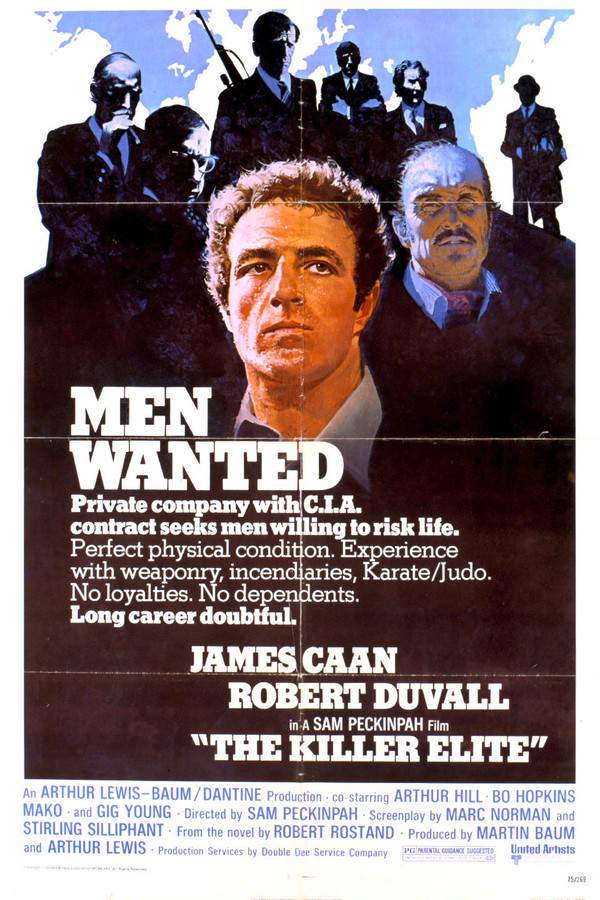
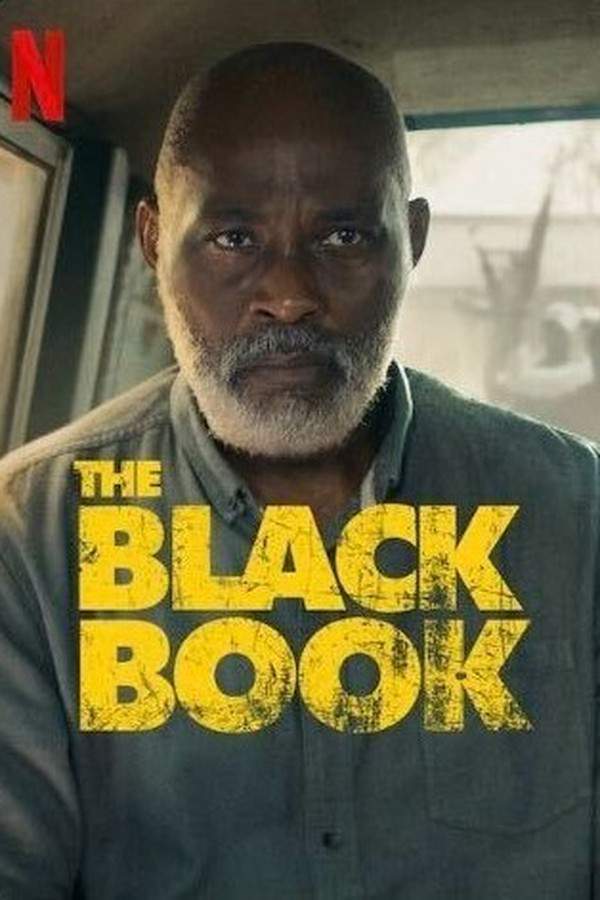
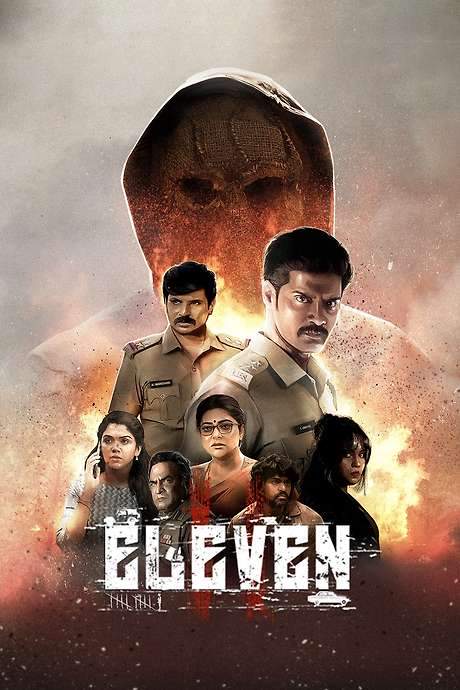
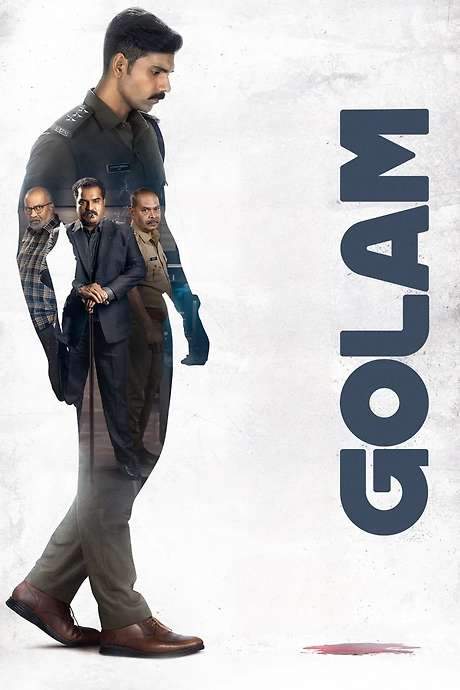
Historical Conspiracy Thrillers like The Stranglers of Bombay
Lone investigators uncover dark secrets against a backdrop of historical unrest.If you liked The Stranglers of Bombay, explore more movies where a determined investigator confronts a secret conspiracy in a richly detailed historical setting. These stories combine tense mystery with a dark, authentic atmosphere, pitting a lone hero against systemic corruption and hidden dangers.






Narrative Summary
The narrative follows a classic investigative structure, often featuring a lone figure who is initially dismissed. Through persistence and personal risk, they gather evidence, face threats, and gradually unravel a vast, dangerous secret that challenges the established order, leading to a climactic confrontation.
Why These Movies?
These movies are grouped by their shared focus on historical authenticity, a dark conspiracy plot, and the tense, methodical investigation by an isolated protagonist. They create a specific mood of suspenseful discovery against a backdrop of palpable historical tension and moral conflict.
Brutal Cult Horror and Survival movies like The Stranglers of Bombay
Stories of survival against sinister cults practicing ritualistic violence and murder.For viewers who liked the chilling cult terror in The Stranglers of Bombay, this list features similar movies about survival against secret societies obsessed with ritualistic murder. These films share a dark tone, high intensity, and horrifying depictions of fanatical violence that create an anxious, oppressive viewing experience.
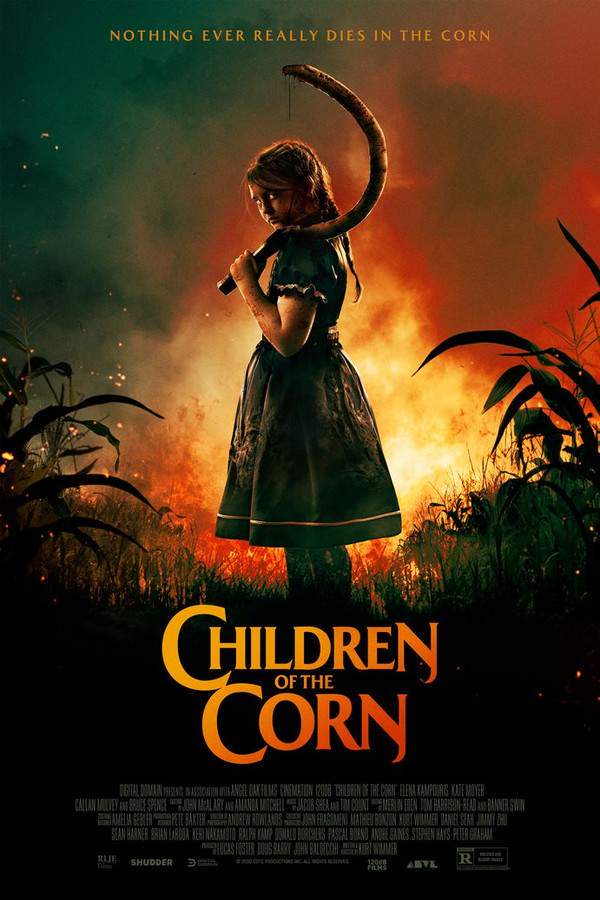
Children of the Corn
1984
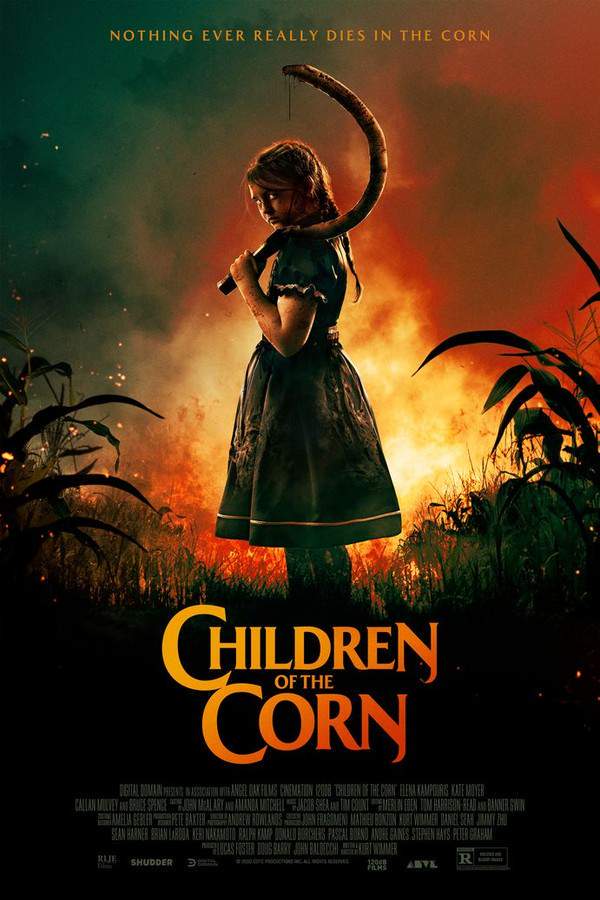
Children of the Corn
2023

Creature
2011
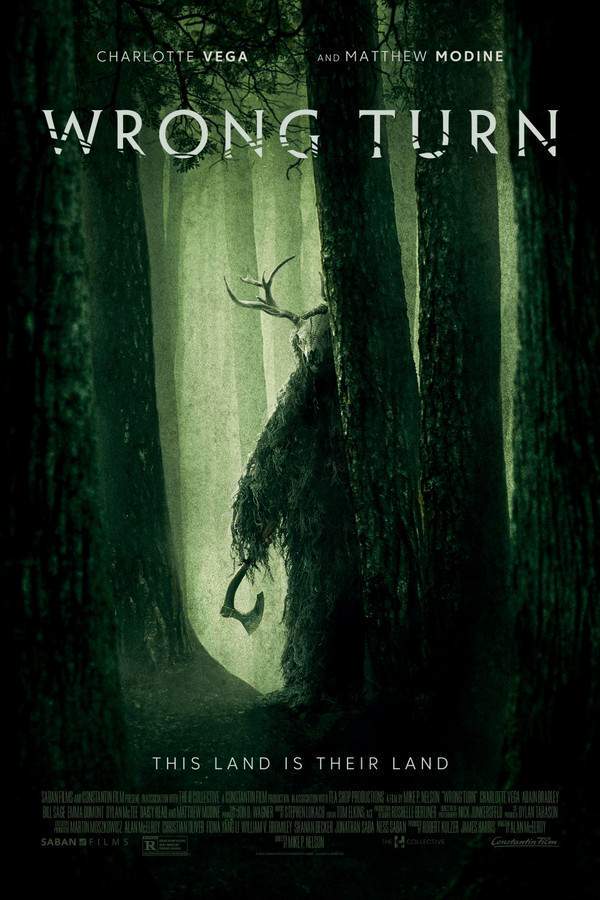
Wrong Turn
2021
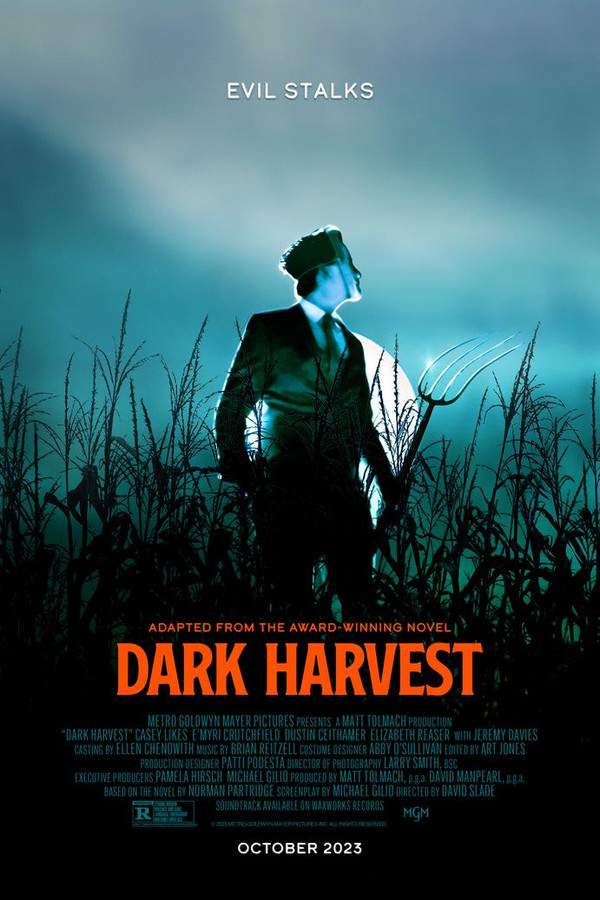
Dark Harvest
2023

The Shrine
2010

The Heretic
2018

We Summon the Darkness
2019

Hallowed Ground
2007

Bloody Murder
2000

Cold Prey
2006

Cemetery of Terror
1985

The Blood on Satan’s Claw
1971

Shriek of the Mutilated
1974

Blood Feast
1963
Narrative Summary
The narrative pattern involves the gradual revelation of a hidden, fanatical group that commits acts of mass murder or ritualistic violence. The protagonists, often outsiders or victims, must fight for survival and expose the cult, navigating a world where trust is scarce and the threat is both omnipresent and horrifically brutal.
Why These Movies?
Movies in this thread share a core focus on the existential threat posed by a murderous cult. They are united by their dark tone, high intensity, graphic violence, and the central themes of fanaticism, survival, and the horror of systematic killing, creating a consistently oppressive and suspenseful atmosphere.
Unlock the Full Story of The Stranglers of Bombay
Don't stop at just watching — explore The Stranglers of Bombay in full detail. From the complete plot summary and scene-by-scene timeline to character breakdowns, thematic analysis, and a deep dive into the ending — every page helps you truly understand what The Stranglers of Bombay is all about. Plus, discover what's next after the movie.
The Stranglers of Bombay Timeline
Track the full timeline of The Stranglers of Bombay with every major event arranged chronologically. Perfect for decoding non-linear storytelling, flashbacks, or parallel narratives with a clear scene-by-scene breakdown.

Characters, Settings & Themes in The Stranglers of Bombay
Discover the characters, locations, and core themes that shape The Stranglers of Bombay. Get insights into symbolic elements, setting significance, and deeper narrative meaning — ideal for thematic analysis and movie breakdowns.



Similar Movies to The Stranglers of Bombay
Discover movies like The Stranglers of Bombay that share similar genres, themes, and storytelling elements. Whether you’re drawn to the atmosphere, character arcs, or plot structure, these curated recommendations will help you explore more films you’ll love.
Thar
2022

Cannibal Terror
1980

Strangler vs Strangler
1984

Indian Predator: The Butcher of Delhi
1000

Ten Little Indians
1989

The Boston Strangler
1968

Death Uncertain
1973

Death Line
1972

Vengeance of the Zombies
1973

The Stoneman Murders
2009

The Mad Executioners
1963

The Strangler
1964

Isle of the Snake People
1971

The Hand
1960
Craze
1974
Explore More About Movie The Stranglers of Bombay
The Stranglers of Bombay (1959) Scene-by-Scene Movie Timeline
The Stranglers of Bombay (1959) Movie Characters, Themes & Settings
The Stranglers of Bombay (1959) Spoiler-Free Summary & Key Flow
Movies Like The Stranglers of Bombay – Similar Titles You’ll Enjoy
Thar (2022) Full Summary & Key Details
Cannibal Terror (1980) Detailed Story Recap
Strangler vs Strangler (1984) Detailed Story Recap
Indian Predator: The Butcher of Delhi (1000) Story Summary & Characters
Ten Little Indians (1989) Full Movie Breakdown
The Boston Strangler (1968) Detailed Story Recap
Death Uncertain (1973) Story Summary & Characters
Death Line (1972) Full Summary & Key Details
Vengeance of the Zombies (1973) Detailed Story Recap
The Stoneman Murders (2009) Ending Explained & Film Insights
The Mad Executioners (1963) Plot Summary & Ending Explained
The Strangler (1964) Spoiler-Packed Plot Recap
Isle of the Snake People (1971) Plot Summary & Ending Explained
The Hand (1960) Ending Explained & Film Insights
Craze (1974) Full Movie Breakdown