





Plot Explained Spoilers guaranteed!
Plot Explained

Browse by genre

The Smashing Bird I Used to Know (1969) movie poster

Characters & Themes

The Smashing Bird I Used to Know (1969) Characters, Setting & Themes Explained

Release, runtime and language
1969 · 95 mins · English
JustWatch #10,572 15
Directed by
Robert Hartford-Davis
Starring
David Lodge, Faith Brook, Janina Faye, Joanna David, Cleo Sylvestre, Dennis Waterman

A traumatized, troubled teen is placed in a strict all‑girls detention facility that feels like a perfumed zoo for adolescent “she‑cats.” Within its oppressive walls she forms an unlikely, deep friendship with another inmate, navigating their shared pain and the surreal, scented environment as they confront authority and their own pasts.

On this page (8)
  1. 1 Where to watch
  2. 2 Characters explained (6)
  3. 3 Where & when it takes place
  4. 4 Themes & meaning (4)
  5. 5 Character & meaning questions
  6. 6 Movie threads
  7. 7 Movies like The Smashing Bird I Used to Know
  8. 8 Every angle

Where to watch

Where to Watch The Smashing Bird I Used to Know (1969)

Where can you watch The Smashing Bird I Used to Know? Stream, rent or buy it in the US, including on fuboTV, MGM Plus and Philo: current JustWatch availability with up-to-date prices.

Streaming availability powered by JustWatch

6 main characters · contains spoilers

The Smashing Bird I Used to Know Characters Explained: Who Is Who

The main characters of The Smashing Bird I Used to Know (1969), heroes and villains: what drives them, how they change over the course of the story and what each of them reveals about the film's bigger ideas.

  • Nicki Johnson (Madeleine Hinde)

    Nine-year-old Nicki witnesses a fatal accident at a funfair and assumes blame, setting off years of trauma. As a teenager, she is withdrawn, restless, and fixated on horses, struggling with a fractured relationship with her mother and a dangerous social circle.

    • 🩹 Trauma
    • 🫂 Inner conflict
  • Anne Johnson (Renée Asherson)

    Nicki’s widowed mother who withdraws emotionally after the tragedy, seeking solace with younger lovers. Her detachment leaves Nicki to fend for herself and shapes their fraught mother-daughter dynamic.

    • 💔 Family
    • 🔗 Detachment
  • Sarah (Cleo Sylvestre)

    A tough, renowned inmate who becomes Nicki’s unofficial protector. Beneath her ferocity lies vulnerability, and her feelings for Nicki complicate their bond, pushing them toward a shared but precarious future.

    • 🌹 Forbidden romance
    • 🛡️ Protector
  • Peter (Dennis Waterman)

    Nicki’s grounding presence in the village; an interior designer who tries to persuade her to face her problems and find a more stable path. He represents practical support and a glimpse of normalcy.

    • 🤝 Support
    • 🧭 Guidance
  • Harry Spenton (Patrick Mower)

    The mother’s sleazy boyfriend who manipulates and taunts Nicki, threatening her financial security and safety. His predatory behavior triggers the film’s central crisis.

    • 💰 Manipulation
    • ⚠️ Threat
  • Matron (Megs Jenkins)

    The stern remand home matron who upholds the institution’s harsh discipline. She witnesses the girls’ struggles and attempts to maintain order within a brutal environment.

    • 🏢 Authority
    • 🛑 Discipline

Last updated: October 04, 2025 at 15:40

Was this helpful?

Setting

Where and When Does The Smashing Bird I Used to Know Take Place?

The setting of The Smashing Bird I Used to Know (1969): the year and time period, the places and locations, and how they shape the characters, the mood and the tension of the story.

Time period

1960s

Set in the late 1960s Britain, the story follows Nicki as she grows from a traumatised child into a troubled teenager. The period’s changing social mores and unstable family dynamics amplify her sense of guilt and isolation. The timeline spans several formative years, culminating in a dramatic, fateful conclusion.

Location

Funfair, Remand Home for Young Women, Peter's Village

The film moves from the carnival atmosphere of a British funfair to the claustrophobic confines of a remand home for girls. It also takes us to a quiet village where Peter works and Nicki later seeks refuge. The settings contrast public spectacle with private struggle, highlighting the social dynamics of the era.

  • 🎡 Funfair
  • 🏥 Remand home for young women
  • 🏘 Village

Last updated: October 04, 2025 at 15:40

Was this helpful?

4 major themes

The Smashing Bird I Used to Know Meaning: Themes & Message Explained

What is The Smashing Bird I Used to Know (1969) really about? The emotional, social and philosophical themes the film keeps returning to, its symbolism and the message beneath the surface.

  • Trauma & guilt

    Nicki carries the memory of the merry-go-round accident and the whispers that blame her. The trauma reshapes her emotions, nightmares, and trust in others. The film examines how guilt can distort a person’s sense of self and future choices.

  • Coming of age

    As she becomes a teenager, Nicki navigates truancy, rebellion, and a search for identity. Her bond with Sarah tests boundaries of friendship, loyalty, and forbidden desire. The narrative tracks her struggle to find stability amid upheaval.

  • Confinement

    The remand home stands as a pressure cooker where rules, bullying, and rivalries shape the girls’ survival. Escape becomes a magnetic pull, driving risky decisions. The setting probes the moral limits of confinement and agency.

  • Relationships & vulnerability

    Nicki and Sarah form a protective, intimate bond that reveals vulnerability beneath toughness. Their relationship challenges conventional boundaries and exposes the costs of seeking comfort in dangerous places. The escape attempt and its consequences underscore the fragility of love under pressure.

Last updated: October 04, 2025 at 15:40

Was this helpful?

Character & theme questions

The Smashing Bird I Used to Know Characters & Meaning: Your Questions Answered

The questions people ask about The Smashing Bird I Used to Know (1969): who the characters really are, their relationships, what the symbols mean, where it takes place and what the movie is really about. Each answer contains spoilers.

Q1

Where is the film set?

The movie takes place in 1960s Britain, moving between three main locations: a British funfair where the traumatic childhood accident occurs, a remand home for girls that serves as the oppressive primary setting, and a quiet village where Peter works and Nicki later seeks refuge. The funfair represents public spectacle while the remand home embodies private confinement.

  • remand home
  • funfair
  • british setting
  • village
  • 1960s britain
Q2

When does the story take place?

The film is set in late 1960s Britain, spanning several formative years in Nicki's life from childhood trauma as a nine-year-old through her teenage years. The era's changing social mores and unstable family dynamics of the time amplify her sense of guilt and isolation.

  • 1960s
  • britain
  • era
  • time period
  • 1960s britain
Q3

Who is Nicki Johnson?

Nicki Johnson is the protagonist, a nine-year-old who witnessed a fatal accident at a funfair and wrongly assumed blame, which shaped her subsequent years of trauma. As a teenager, she becomes withdrawn and restless, fixated on horses while struggling with a fractured relationship with her mother and dangerous social circles.

Foreshadowing: The opening funfair accident that Nicki witnesses establishes the guilt that drives her entire character arc.

  • nicki johnson
  • protagonist
  • trauma
  • guilt
  • childhood accident
Q4

Who is Sarah and what is her relationship with Nicki?

Sarah is a tough, renowned inmate at the remand home who becomes Nicki's unofficial protector. Beneath her ferocity lies vulnerability, and her romantic feelings for Nicki complicate their bond, creating an intimate relationship that challenges conventional boundaries and exposes the costs of seeking comfort in dangerous places.

  • sarah
  • nicki
  • relationship
  • inmate
  • protection
  • love interest
Q5

What is the remand home like?

The remand home for young women is depicted as a claustrophobic, oppressive institution described as feeling like a perfumed zoo for adolescent 'she-cats.' It functions as a pressure cooker where rules, bullying, and rivalries shape the girls' survival. The setting probes the moral limits of confinement and agency within a brutal environment.

  • remand home
  • detention facility
  • confinement
  • institution
  • prison-like setting
Q6

What role does trauma play in the film?

Nicki carries the memory of the merry-go-round accident and the whispers that blame her. The trauma reshapes her emotions, nightmares, and trust in others. The film examines how guilt can distort a person's sense of self and future choices, driving her downward spiral throughout the narrative.

Foreshadowing: The childhood accident at the funfair establishes the guilt that permeates Nicki's entire psychological journey.

  • trauma
  • guilt
  • childhood accident
  • psychological damage
  • self-blame
Q7

What is Nicki's relationship with her mother like?

Nicki's mother Anne Johnson is a widowed woman who withdraws emotionally after the funfair tragedy, seeking solace with younger lovers including the predatory Harry Spenton. Her detachment leaves Nicki to fend for herself, creating a fraught mother-daughter dynamic where Nicki lacks parental support or guidance.

  • anne johnson
  • mother
  • daughter
  • emotional neglect
  • family dysfunction
Q8

How does the film handle coming of age?

As Nicki becomes a teenager, she navigates truancy, rebellion, and a search for identity. Her bond with Sarah tests boundaries of friendship, loyalty, and forbidden desire. The narrative tracks her struggle to find stability amid upheaval, portraying adolescence as a turbulent period shaped by trauma and external pressures.

  • coming of age
  • adolescence
  • rebellion
  • identity
  • teenage years
Q9

Who is Peter and what function does he serve?

Peter is an interior designer who works in the village and serves as Nicki's grounding presence. He tries to persuade her to face her problems and find a more stable path, representing practical support and a glimpse of normalcy in Nicki's otherwise turbulent life.

  • peter
  • normalcy
  • support
  • stability
  • grounding presence
Q10

What does the film say about confinement?

The remand home stands as a pressure cooker where rules, bullying, and rivalries shape the girls' survival. Escape becomes a magnetic pull, driving risky decisions. The setting probes the moral limits of confinement and agency, exploring how institutional oppression affects young women trapped within its walls.

  • confinement
  • oppression
  • escape
  • institutional power
  • agency
Q11

Who is Harry Spenton?

Harry Spenton is the mother's sleazy boyfriend who manipulates and taunts Nicki, threatening her financial security and safety. His predatory behavior triggers the film's central crisis and represents the exploitation and danger that Nicki faces outside the remand home walls.

  • harry spenton
  • predator
  • exploitation
  • antagonist
  • mother's boyfriend
Q12

What is the significance of the funfair?

The funfair serves as the pivotal location where Nicki witnesses a fatal accident as a nine-year-old, wrongly believing she is to blame. This event sets her lifetime of trauma in motion. The carnival atmosphere of the funfair contrasts sharply with the claustrophobic remand home, highlighting public spectacle versus private struggle.

  • funfair
  • merry-go-round
  • accident
  • childhood trauma
  • opening scene

Movie threads

More Movies Like The Smashing Bird I Used to Know, by Mood & Story

Curated lists built around what makes The Smashing Bird I Used to Know tick: the same mood, the same kind of story or the same emotional payoff. Each list explains why these movies belong together.

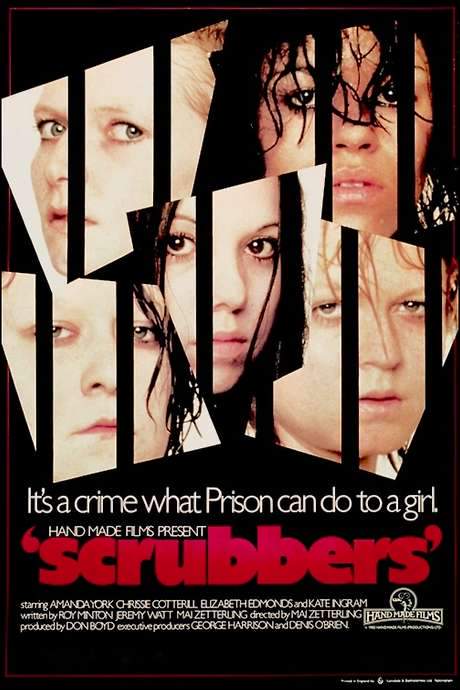
Bleak Stories of Institutional Survival like The Smashing Bird I Used to Know

Stories of individuals crushed by the unforgiving systems meant to control them. If you were captivated by the oppressive setting of The Smashing Bird I Used to Know, explore more movies like it. This collection features grim dramas about survival within harsh institutions, where characters face systemic abuse and a relentless loss of autonomy, leading to bleak and emotionally devastating conclusions.

  • oppressive
  • claustrophobic
  • desperate
  • somber
  • traumatic
  • disturbing
  • Tone: dark, bleak
  • Pacing: steady, fatalistic
Why these movies?

The story pattern: These stories typically follow a protagonist, often already vulnerable, who is placed into a controlling institutional environment. The narrative charts their struggle against an oppressive system, the formation of tenuous bonds with other inmates, and a downward spiral where any hope of escape or redemption is systematically extinguished, culminating in a tragic outcome.

Why they belong together: Movies in this thread are united by their dark, somber tone and high emotional intensity. They share a focus on the crushing weight of institutional power, the psychological breakdown of characters, and a steady, fatalistic pacing that builds towards an inevitable, bleak ending. The mood is consistently oppressive and traumatic.
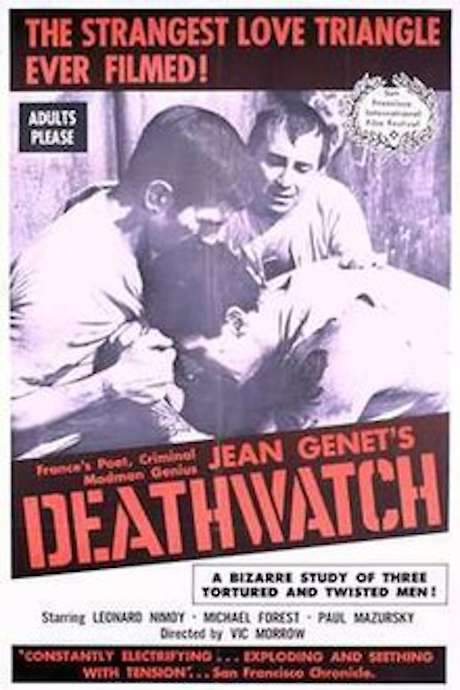
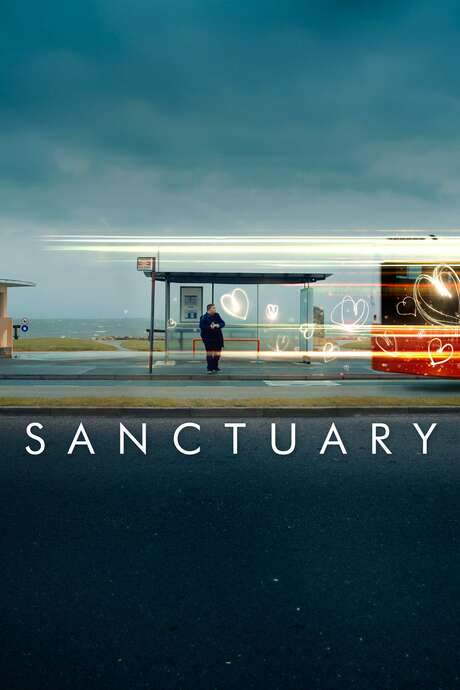
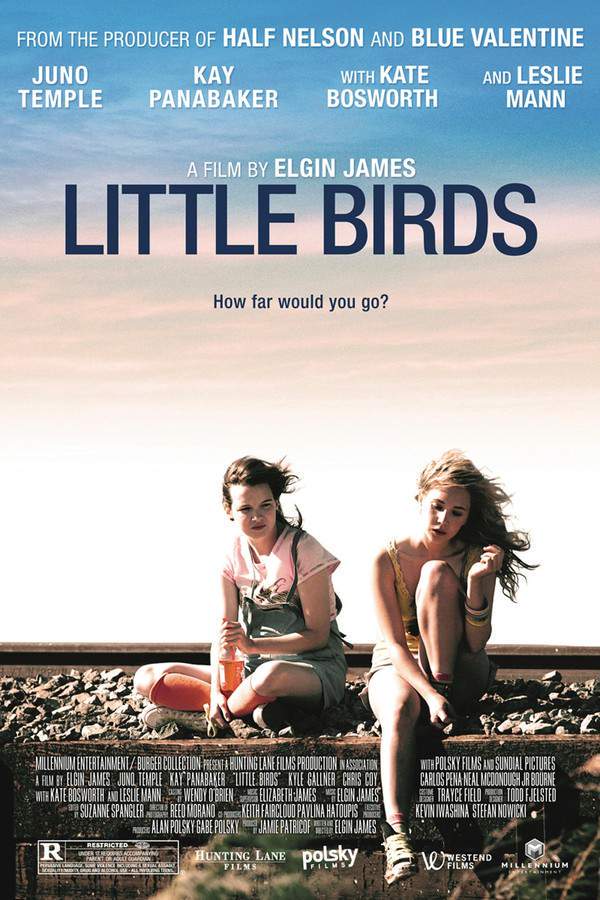
Movies About Irreversible Trauma Like The Smashing Bird I Used to Know

Unflinching portrayals of characters shattered by past trauma with no hope of recovery. For viewers affected by the relentless tragedy in The Smashing Bird I Used to Know, this thread collects similar movies about traumatic downfalls. These films follow characters on a straightforward path of psychological destruction, marked by heavy emotional weight, a dark tone, and a bleak, fatalistic conclusion that offers no escape from their pain.

  • traumatic
  • disturbing
  • somber
  • desperate
  • melancholic
  • heavy
  • Tone: dark, somber
  • Pacing: steady, linear
Why these movies?

The story pattern: The narrative pattern is a straightforward, steady progression of misfortune. Beginning with a pivotal traumatic incident, the story follows the protagonist as they encounter further abuse and hardship, with each event deepening their psychological wounds. The arc is strictly downward, eschewing complex twists for a direct and harrowing portrayal of a life consumed by pain, leading to a tragic finale.

Why they belong together: These films are grouped by their shared commitment to a devastating emotional journey. They possess a high intensity and heavy emotional weight, driven by a dark tone and a steady, unforgiving pace. The simplicity of the narrative allows the full force of the character's trauma to be felt, resulting in a consistently somber and disturbing experience.

If you liked this

Movies Like The Smashing Bird I Used to Know

Similar movies to The Smashing Bird I Used to Know: the same genre, themes or kind of story. Each one comes with its own plot summary, timeline and ending explained.

Browse all movie summaries

Every angle

The Smashing Bird I Used to Know (1969) Explained: Plot, Timeline & Characters

Everything about The Smashing Bird I Used to Know in one place: what happens in the plot summary, the timeline in chronological order, the characters and meaning and a spoiler-free summary. What's After the Movie adds the cast, box office and post-credit scenes.

Coming soon on iOS and Android

The Plot Explained Movie Summary App

Plot summaries, endings explained and timelines on your phone. Catch up on any movie in minutes, save your favorites and never miss a twist again.

Be the first to know when we launch. Your email stays private, always.

Learn more about the app