Plot Explained Spoilers guaranteed!
Plot Explained

Browse by genre

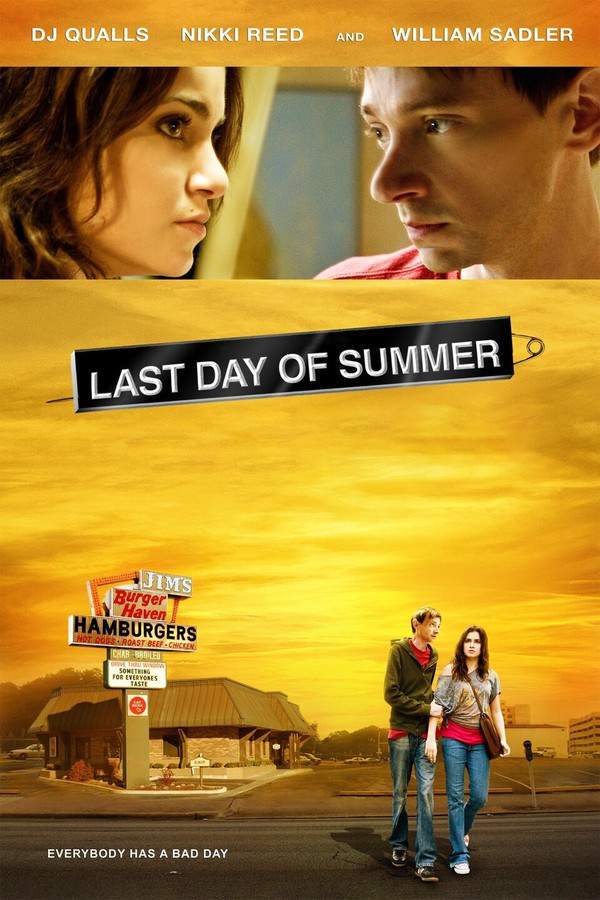
Last Day of Summer (2010) movie poster

Plot Summary

Last Day of Summer (2010) Plot Summary Explained

Release, runtime and language
2010 · 105 min · English
Directed by
Vlad Yudin

As summer ends, fast-food worker Joe struggles with mounting frustration and reaches a breaking point. He lashes out at his boss in a moment of rebellion, but his actions are unexpectedly altered by a captivating stranger. This encounter sparks a chain of events that dramatically and irrevocably changes the lives of both Joe and the stranger, leading to unforeseen consequences.

On this page (6)
  1. 1 Where to watch
  2. 2 What happens: full plot
  3. 3 Plot questions answered
  4. 4 Movie threads
  5. 5 Movies like Last Day of Summer
  6. 6 Every angle

Where to watch

Where to Watch Last Day of Summer (2010)

Where can you watch Last Day of Summer? Stream, rent or buy it in the US, including on Fawesome, Tubi TV and Amazon Video: current JustWatch availability with up-to-date prices.

Streaming availability powered by JustWatch

Full plot summary · contains spoilers

What Happens in Last Day of Summer: Full Plot Summary

The whole story of Last Day of Summer (2010) explained, from the opening scene to the final frame: every key event, every twist and what it all adds up to. Read it as a quick recap before the sequel, to check a scene you missed, or to finally understand what really happened.

Gregory Wilks, who prefers to go by the name Joe and is portrayed by DJ Walls, is a timid and awkward man working at a burger joint. His life is far from ideal as he faces relentless bullying from his boss, Mr. Krolick, played by William Sadler. No matter how much he tries to convince himself that his circumstances aren't as dire, deep down, Joe knows that his life is miserable. The constant humiliation he endures—like being forced to stick his arm into a toilet for cleaning or receiving a toilet brush as a birthday gift—takes a toll on his spirit. Eventually, his patience runs thin, and Mr. Krolick fires him, labeling him incompetent.

In a moment of desperation, Joe decides to purchase a gun, settling on a small handgun known as "The Junior". He whimsically captures his frustrations on video, vowing that those who torment him will have to face retribution. He mails this video to CNN, symbolizing his desire for recognition and for his suffering to be seen. However, when he contemplates his violent plan at the burger joint, he is unable to follow through, ultimately opting to hide in the bathroom instead of acting on his intentions.

During his time in the restroom, he crosses paths with a beautiful brunette named Stefanie, played by Nikki Reed, who inadvertently captures his attention. Distracted by her presence, Joe makes an awkward attempt to engage her in conversation, but is met with indifference; Stefanie simply turns away when her phone rings, leaving Joe feeling rejected. This perceived slight sends him over the edge. In a panic, he confronts her, pulling out his gun and taking her behind a dumpster where he continues to unleash his frustrations.

While tensions escalate, Mr. Krolick becomes suspicious of Joe's actions after finding the bullets he inadvertently dropped, prompting him to alert the police. However, the officers find no substantial evidence and dismiss his concerns. Meanwhile, Joe decides to take Stefanie to his motel room against her will. In a struggle, Stefanie manages to stab Joe with a hidden knife, yet he overpowers her and ties her up in the bathtub, leaving her frightened and confused.

As times goes on, Joe’s internal conflict manifests. He contemplates taking his own life, but finds himself unable to carry that out. Despite her predicament, Stefanie attempts to connect with Joe, highlighting her own struggles and the shared burdens of their pasts. As they spend time together, they form an unexpected bond. When Joe accidentally reveals his real name to her, Stefanie expresses disbelief upon recalling a mortifying incident from high school involving him.

Following some tension, Joe’s anger subsides, and they share personal stories about their difficult pasts, even smoking together in a moment of camaraderie. But when Stefanie discovers his video and its violent intent, horror sets in. Yet, this moment brings clarity for Joe, who recognizes that he cannot go through with his original plan.

Eventually, feeling more human than before, Joe and Stefanie leave the motel together. With a newfound sense of freedom, Joe confronts Mr. Krolick at the burger joint, giving him a piece of his mind. In a dramatic climax, he tells Krolick to "go flush himself," asserting that he is no longer affected by the cruelty of his former boss. As Joe walks away, he feels lighter and more empowered, finally acknowledging in a voiceover that his life is beginning to look up. He disposes of his gun, symbolizing a decisive break from his troubled past.

Last updated: May 13, 2025 at 20:30

Was this helpful?

Plot questions answered

Last Day of Summer Plot Explained: Your Questions Answered

The questions people ask most about Last Day of Summer (2010): what happens in the confusing scenes, why the characters do what they do, the twists, hidden details and what the ending means. Each answer contains spoilers.

Q1

Why does Joe buy a gun after getting fired?

Joe buys a gun called 'The Junior' after being fired by Mr. Krolick because he reaches his breaking point after months of relentless bullying and humiliation at the burger joint. The cumulative emotional trauma from being forced to do degrading tasks like cleaning toilets with his bare hands and receiving a toilet brush as a birthday gift drives him to seek revenge. He records a menacing video intended for those who tormented him, showing his desperate desire for recognition and justice.

Foreshadowing: The constant bullying and humilation Joe endures throughout the early part of the movie establishes his psychological unraveling.

  • joe buys gun
  • revenge plan
  • bullying
  • boss confrontation
Q2

Why doesn't Joe go through with the shooting at the burger joint?

Joe cannot follow through with his shooting plan when the moment arrives. Despite having the gun and the intent, he lacks the psychological resolve to commit mass violence. Instead of acting on his violent impulses, he retreats to the bathroom, demonstrating the internal conflict between his desire for revenge and his fundamental inability to become an actual killer. This moment reveals that his violent fantasies were more about being seen and acknowledged than actually hurting people.

Foreshadowing: Joe's timid and awkward personality established early in the film foreshadows his inability to commit violent acts.

  • shooting plan
  • cowardice
  • internal conflict
  • bathroom scene
Q3

Why does Joe take Stefanie to the motel?

Joe takes Stefanie to his motel room in a panic after she ignores his awkward attempt at conversation and answers her phone instead. His fragile ego, already shattered by constant bullying and rejection, interprets her indifference as another devastating slight. In a state of emotional breakdown, he pulls out his gun and forces her to come with him, essentially kidnapping her in a moment of impulsive rage rather than having any clear plan.

Foreshadowing: Joe's earlier video threat and the gun he purchased set the stage for this violent escalation.

  • kidnapping
  • stefanie
  • motel
  • hostage
Q4

How do Joe and Stefanie form a bond while tied up?

Joe and Stefanie develop an unexpected connection through shared vulnerability and mutual disclosure of their traumatic pasts. After the initial terror of being tied up in the bathtub, Stefanie attempts to connect with Joe by sharing her own struggles. When Joe contemplates suicide but cannot go through with it, Stefanie sees an opportunity to relate to him as another person carrying emotional pain. They smoke marijuana together, share stories about their difficult backgrounds, and Joe reveals his real name Gregory Wilks, which Stefanie recognizes from a humiliating high school incident. This exchange of personal trauma creates an unusual bond between captor and captive.

Foreshadowing: The tension in the motel room shifts when Joe contemplates suicide, breaking down his aggressive facade.

  • bonding
  • shared trauma
  • emotional connection
  • captor captive
Q5

What makes Joe abandon his revenge plan?

Joe abandons his shooting plan when Stefanie discovers his video and reacts with horror. Seeing Stefanie's fear and realizing the impact of his intended violence brings clarity to Joe. He recognizes that he does not want to become an actual killer and understands that carrying out his plan would destroy the fragile human connection he has just formed. This moment represents his psychological turning point from contemplating violence to choosing a different path.

Foreshadowing: Joe's earlier retreat from the burger joint bathroom already showed his hesitation toward violence.

  • revelation
  • video
  • changes mind
  • abandon plan
Q6

Why does Stefanie help Joe after he kidnapped her?

Stefanie helps Joe because she realizes he is not truly dangerous and that he is also a victim of psychological trauma. When Joe contemplates suicide but cannot go through with it, she sees his humanity beneath his threatening exterior. She connects with him over their shared experiences of pain and embarrassment, and she recognizes that helping him may prevent him from doing something irreversible. Her empathy grows as she understands his breakdown stems from years of bullying rather than genuine criminal intent.

Foreshadowing: The moment Joe cannot commit suicide reveals his true nature to Stefanie.

  • stefanie empathy
  • helps kidnapper
  • psychological insight
Q7

What does Joe say to Mr. Krolick at the end?

At the end of the film, Joe confronts Mr. Krolick outside the burger joint and tells him to 'go flush himself,' symbolically telling his former boss to shove his cruelty where it belongs. This moment represents Joe's complete psychological turnaround, as he now feels empowered and unaffected by Krolick's bullying. He walks away feeling lighter and more confident, finally taking control of his narrative after months of humiliation.

Foreshadowing: Joe's earlier confrontation with his boss at the burger joint was cut short by his retreat to the bathroom.

  • confrontation
  • krolick
  • final scene
  • empowerment
Q8

Does Joe get arrested at the end of Last Day of Summer?

Joe does not get arrested at the end of the film. After disposing of his gun and confronting Mr. Krolick, he simply walks away. The police had been alerted earlier when Mr. Krolick found the bullets Joe dropped, but they found no substantial evidence and dismissed the concerns. Joe's story ends with him feeling liberated and ready to move forward with his life, as indicated by his voiceover acknowledging that his life does not suck.

Foreshadowing: The earlier police visit that found no evidence sets up Joe's ability to avoid legal consequences.

  • arrest
  • ending
  • police
  • freedom
Q9

What high school incident does Stefanie remember about Joe?

Stefanie remembers a humiliating incident involving Joe from high school that causes him to 'snap' when she reveals it. While the specific details of the incident are not explicitly described in the summary, it clearly involved significant embarrassment for Joe that he has carried with him into adulthood. This revelation connects Joe's present-day breakdown to a longer history of being humiliated and marginalized, deepening the audience's understanding of his psychological state.

Foreshadowing: Joe's history of being bullied is established early in the film.

  • high school
  • humiliation
  • stefanie
  • flashback
Q10

Why does Joe tell Stefanie his real name?

Joe reveals his real name Gregory Wilks to Stefanie as a sign of growing trust and vulnerability during their conversation. After forming an emotional connection through sharing their difficult pasts, Joe feels comfortable enough to drop the pseudonym he uses. The revelation surprises Stefanie because she recognizes his name from a humiliating high school incident, which adds another layer to their unexpected bond and further explains Joe's deep-seated issues with shame and self-worth.

Foreshadowing: Joe's use of the name 'Joe' instead of Gregory suggests he has been running from his identity.

  • real name
  • gregory wilks
  • trust
  • vulnerability
Q11

What happens to the gun at the end of the movie?

Joe disposes of his gun at the end of the film, symbolizing his decisive break from his troubled past and violent impulses. By getting rid of 'The Junior' handgun, he physically demonstrates his commitment to not succumbing to revenge or violence. This act occurs right before his confrontation with Mr. Krolick, showing that he has moved beyond needing a weapon to feel empowered and can now stand up to his tormentor using only his words and renewed sense of self.

Foreshadowing: Joe's inability to use the gun at the burger joint foreshadows his ultimate decision to discard it.

  • dispose gun
  • symbolism
  • freedom
  • new beginning

Movie threads

More Movies Like Last Day of Summer, by Mood & Story

Curated lists built around what makes Last Day of Summer tick: the same mood, the same kind of story or the same emotional payoff. Each list explains why these movies belong together.

Movies like Last Day of Summer: Desperate Acts and Unlikely Redemption

Stories where a character's lowest point transforms into an unexpected chance for grace. If you liked Last Day of Summer, discover more movies where characters hit rock bottom and find redemption through unexpected connections. These stories explore dark acts that paradoxically lead to personal transformation and hopeful, if unconventional, resolutions.

  • desperate
  • cathartic
  • redemptive
  • unsettling
  • tense
  • hopeful
  • Tone: dark, cathartic
  • Pacing: steady, character-driven
Why these movies?

The story pattern: The narrative pattern follows a protagonist in crisis who initiates a chaotic, often violent situation. Instead of escalating into pure tragedy, the confrontation becomes a catalyst. Through an unexpected bond with another character—sometimes a victim, sometimes a stranger—the protagonist confronts their pain and finds a path toward a cathartic, positive ending.

Why they belong together: These films are grouped by their shared emotional journey from high-intensity despair to a quieter, hopeful resolution. They blend heavy themes with moments of genuine human connection, creating a powerful and redemptive arc that feels both realistic and emotionally satisfying.

Claustrophobic Thrillers Similar to Last Day of Summer

High-tension stories where emotional pressure builds in a confined space. Find more movies like Last Day of Summer that trap characters in tense, confined settings. These thrillers rely on psychological pressure and character revelation over action, creating a deeply immersive and anxious viewing experience.

  • claustrophobic
  • tense
  • psychological
  • anxious
  • unsettling
  • character-study
  • Tone: tense, dark, psychological
  • Pacing: steady, methodical
Why these movies?

The story pattern: The plot is straightforward, often beginning with an inciting incident that forces characters into a shared, confined space—a room, a vehicle, a motel. The narrative tension comes from the slow-burn exploration of their psyches, secrets, and shifting power dynamics, leading to a pivotal emotional climax.

Why they belong together: These films share a specific cinematic atmosphere: a steady pace, high psychological intensity, and a dark, anxious tone. The claustrophobic setting amplifies the characters' emotional states, making the viewer feel the weight of every decision and conversation.

If you liked this

Movies Like Last Day of Summer

Similar movies to Last Day of Summer: the same genre, themes or kind of story. Each one comes with its own plot summary, timeline and ending explained.

Browse all movie summaries

Every angle

Last Day of Summer (2010) Explained: Plot, Timeline & Characters

Everything about Last Day of Summer in one place: what happens in the plot summary, the timeline in chronological order, the characters and meaning and a spoiler-free summary. What's After the Movie adds the cast, box office and post-credit scenes.

Coming soon on iOS and Android

The Plot Explained Movie Summary App

Plot summaries, endings explained and timelines on your phone. Catch up on any movie in minutes, save your favorites and never miss a twist again.

Be the first to know when we launch. Your email stays private, always.

Learn more about the app