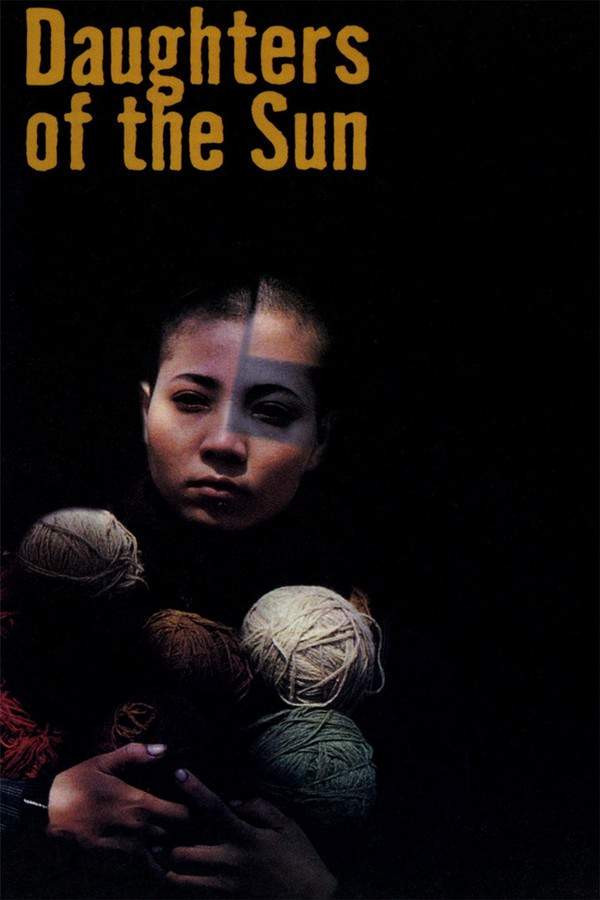
The Silences of the Palace

The Silences of the Palace

Year: 1994

Runtime: 124 mins

Language: Arabic

Director: Moufida Tlatli

Drama

When a prince dies, a young woman who was born into servitude at the palace returns to the estate of her birth. As she wanders its dimly lit corridors, the faded grandeur of frosted windows and velvet curtains reveals the lingering legacy of the royal household and the hidden stories of those who served within its walls.

Warning: spoilers below!

Haven’t seen The Silences of the Palace yet? This summary contains major spoilers. Bookmark the page, watch the movie, and come back for the full breakdown. If you're ready, scroll on and relive the story!

Timeline & Setting – The Silences of the Palace (1994)

Explore the full timeline and setting of The Silences of the Palace (1994). Follow every major event in chronological order and see how the environment shapes the story, characters, and dramatic tension.

Time period

1950s

The events take place in 1950s Tunisia, a decade of lingering tradition amid accelerating change. The palace world operates under strict gender norms and class distinctions, while the country faces political and social shifts. This period provides a tense backdrop for Alia's memory-work and personal reawakening.

Location

Prince's Palace, Tunisia

The story unfolds inside a prince's palace in Tunisia, a grand yet decaying setting that anchors the characters' lives. The palace is shown largely abandoned, its rooms storing memories rather than wealth, and its architecture mirrors rigid social hierarchies. Within these walls, gender and class rules shape every interaction, from servitude to ownership.

🏰 Grand palace 🗺️ Tunisia setting 👗 Gendered space

Last updated: February 17, 2026 at 18:13

Was this helpful?

Main Characters – The Silences of the Palace (1994)

Meet the key characters of The Silences of the Palace (1994), with detailed profiles, motivations, and roles in the plot. Understand their emotional journeys and what they reveal about the film’s deeper themes.

Young Alia (Hend Sabry)

A 25-year-old who returns to the prince's palace and must confront childhood memories that began within its walls. Through vivid flashbacks, she discovers the truth about her mother's life and the gendered traps that shaped her early years.

🩷 Protagonist 🔎 Memory-driven 👭 Family history

Adult Alia (Ghalya Lacroix)

Now an adult, she questions her past and negotiates her present relationship with Lofti. Her awakening to the past challenges her independence and forces her to choose her own path amid emotional conflict.

🌗 Protagonist 🔍 Self-discovery 💔 Complicated relationships

Lofti

Alia's lover who has asked her to have what seems to be yet another abortion, a request that exposes their fragile balance between desire and control. He embodies the tension between personal longing and the social pressures surrounding it.

💑 Lover 🎭 Moral conflict ⚖️ Power dynamics

Khedija

Alia's mother, who worked as a house servant and mistress within the palace. Her life and experiences reveal the gendered and classed power structures that shape Alia's memories and the family’s hidden history.

👩‍👧‍👦 Mother 🏛️ Servant to mistress 🔗 Family history

Last updated: February 17, 2026 at 18:13

Was this helpful?

Major Themes – The Silences of the Palace (1994)

Explore the central themes of The Silences of the Palace (1994), from psychological, social, and emotional dimensions to philosophical messages. Understand what the film is really saying beneath the surface.

🕰️ Memory

Alia's return triggers buried memories that surface as precise, often painful flashbacks. The film uses memory as a tool to reveal her mother's life and the hidden truths of the palace. Memory becomes both a burden and a key to understanding her own identity and choices.

⚖️ Gender & Class

The palace operates as a space ordered by gender and class, with women confined to roles as servants or mistresses. The memories of Khedija's life illuminate how power flows through service spaces and intimate relationships. Alia's re-entry tests the boundaries set by those hierarchies and interrogates the costs of obedience.

💔 Sexuality & Exploitation

The film confronts the sexual exploitation of women within the palace's walls and the hidden costs of such arrangements. It uncovers how maternal sexuality and female vulnerability are used to sustain a rigid social order. Alia's own experiences with desire and abortion highlight the personal costs of systemic control.

🌱 Independence

As memories surface, Alia begins to form an independent sense of self beyond the palace's constraints. Her relationship with Lofti and the demand for control over her body catalyze a struggle for agency. The film tracks her slow move from compliance toward self-determination, even amid pain.

Last updated: February 17, 2026 at 18:13

Was this helpful?

The Silences of the Palace (1994) Character & Theme Questions Answered – Info FAQ

Browse frequently asked questions about The Silences of the Palace (1994) focused on characters, relationships, themes, symbols, setting, and story context. This movie info FAQ gives spoiler-aware explanations for character arcs, world details, and thematic interpretation so readers can better understand what the film is really about.

Q1

Where is The Silences of the Palace set?

A.

The film takes place in a prince's palace in Tunisia. The palace is depicted as grand but decaying, with dimly lit corridors, frosted windows, and velvet curtains. This setting serves as both a physical space and a symbol of rigid social hierarchies that shaped the lives of those who lived and served within its walls.

tunisiaprince palacesettinglocationdecaying palace
Q2

When does The Silences of the Palace take place?

A.

The story is set in 1950s Tunisia, a period of lingering tradition amid accelerating political and social change. This era provides a tense backdrop for the narrative, as the country faced modernization while the palace world continued to operate under strict gender norms and class distinctions.

1950stunisiatime periodera1950s tunisia
Q3

What are the main themes in The Silences of the Palace?

A.

The film explores several interconnected themes: memory as both a burden and a key to identity; gender and class hierarchies within the palace space; sexuality and exploitation of women; and the struggle for independence and self-determination. These themes intersect through Alia's journey of remembering and questioning her past.

themesmemorygender classsexualityexploitationindependence
Q4

Who is Alia in The Silences of the Palace?

A.

Alia is a 25-year-old woman who returns to the prince's palace after the prince's death. Born into servitude at the palace, she must confront childhood memories that reveal the truth about her mother's life and the gendered constraints that shaped her early years. Her story unfolds through flashbacks that piece together her painful past.

aliamain characteryoung aliaadult aliaprotagonist
Q5

Who is Khedija in The Silences of the Palace?

A.

Khedija is Alia's mother, who worked as both a house servant and mistress within the prince's palace. Her life and experiences reveal the gendered and classed power structures that deeply influenced Alia's memories and the family's hidden history. Her story emerges through Alia's flashbacks.

khedijamothercharacterservantmistress
Q6

What is the relationship between Alia and Lofti?

A.

Lofti is Alia's lover who has asked her to have an abortion, a request that exposes the fragile balance between desire and control in their relationship. He embodies the tension between personal longing and the social pressures surrounding them, representing the ongoing struggles Alia faces even outside the palace walls.

loftiloverrelationshipabortioncontroldesire
Q7

What does the palace represent in the film?

A.

The palace operates as more than a setting, it represents a space ordered by gender and class, where women are confined to roles as servants or mistresses. Its decaying grandeur mirrors the fading social order it embodies, while its rooms store memories rather than wealth, making it a repository of hidden truths about exploitation and servitude.

palacesymbolismgender classspacepowerhierarchy
Q8

How does memory function in The Silences of the Palace?

A.

Memory serves as both a narrative device and a central theme. Alia's return triggers buried memories that surface as precise, often painful flashbacks. These memories reveal her mother's life and the hidden truths of the palace. Memory becomes a burden that weighs on her identity while also providing the key to understanding her own choices and past.

memoryflashbacksrememberingpastidentityburied memories
Q9

What does the film say about gender and class?

A.

The film confronts how the palace operates as a gendered space where power flows through service relationships and intimate arrangements. It reveals the sexual exploitation of women within these walls and shows how maternal sexuality and female vulnerability are used to sustain a rigid social order. Alia's re-entry tests the boundaries set by those hierarchies.

genderclassexploitationpowerservitudesocial order
Q10

How does Alia's independence develop in the film?

A.

As memories surface, Alia begins forming an independent sense of self beyond the palace's constraints. Her relationship with Lofti and her demand for control over her own body catalyze a struggle for agency. The film tracks her slow movement from compliance toward self-determination, even amid pain and conflict.

independenceagencyself determinationcontrolalmancipationchoice
Mobile App Preview

Coming soon on iOS and Android

The Plot Explained Mobile App

From blockbusters to hidden gems - dive into movie stories anytime, anywhere. Save your favorites, discover plots faster, and never miss a twist again.

Sign up to be the first to know when we launch. Your email stays private, always.

Explore Movie Threads

Discover curated groups of movies connected by mood, themes, and story style. Browse collections built around emotion, atmosphere, and narrative focus to easily find films that match what you feel like watching right now.

Movies about memory and trauma like The Silences of the Palace

Journeys into the past where oppressive places hold the key to present pain.Explore films like The Silences of the Palace where characters confront a painful past by revisiting oppressive spaces. If you liked the slow, reflective excavation of memory and intergenerational trauma, you'll find similar melancholic dramas here.

melancholicreflectiveoppressiveautobiographicalpainfulnostalgicclaustrophobicsomber

Narrative Summary

The narrative typically follows a character, often a woman, returning to a place tied to a traumatic past. Through a reflective, non-linear structure, the story pieces together suppressed memories related to oppression, exploitation, and loss, connecting past suffering to an unresolved present.

Why These Movies?

These movies are grouped by their central focus on memory as a narrative device and the thematic weight of trauma linked to a specific, often claustrophobic, setting. They share a melancholic tone, a slow, contemplative pace, and a heavy emotional atmosphere.
Stories of female oppression and resilience like The Silences of the Palace

Intimate portraits of women navigating systemic oppression and reclaiming their voices.Discover movies similar to The Silences of the Palace that portray women's lives under systemic oppression. If you were moved by the heavy themes of sexual exploitation, class struggle, and the quiet search for identity, this thread is for you.

oppressivesomberpainfulreflectiveclaustrophobicautobiographicalmelancholicresilient

Narrative Summary

Centered on a female protagonist, the narrative follows her coming-of-age or a pivotal return, detailing the specific ways systemic forces—like class hierarchy and sexual exploitation—shape her existence. The journey is internal and often concludes with an ambiguous sense of self-discovery rather than a clear victory.

Why These Movies?

These films share a deep focus on the female experience within oppressive systems. They are united by a heavy emotional weight, a melancholic and somber tone, and a priority on introspection over plot-driven action.

Unlock the Full Story of The Silences of the Palace

Don't stop at just watching - explore The Silences of the Palace in full detail. From the complete plot summary and scene-by-scene timeline to character breakdowns, thematic analysis, and a deep dive into the ending - every page helps you truly understand what The Silences of the Palace is all about. Plus, discover what's next after the movie.

The Silences of the Palace Summary

Read a complete plot summary of The Silences of the Palace, including all key story points, character arcs, and turning points. This in-depth recap is ideal for understanding the narrative structure or reviewing what happened in the movie.

The Silences of the Palace Summary

The Silences of the Palace Timeline

Track the full timeline of The Silences of the Palace with every major event arranged chronologically. Perfect for decoding non-linear storytelling, flashbacks, or parallel narratives with a clear scene-by-scene breakdown.

The Silences of the Palace Timeline

The Silences of the Palace Spoiler-Free Summary

Get a quick, spoiler-free overview of The Silences of the Palace that covers the main plot points and key details without revealing any major twists or spoilers. Perfect for those who want to know what to expect before diving in.

The Silences of the Palace Spoiler-Free Summary

More About The Silences of the Palace

Visit What's After the Movie to explore more about The Silences of the Palace: box office results, cast and crew info, production details, post-credit scenes, and external links - all in one place for movie fans and researchers.

More About The Silences of the Palace

Similar Movies to The Silences of the Palace

Discover movies like The Silences of the Palace that share similar genres, themes, and storytelling elements. Whether you’re drawn to the atmosphere, character arcs, or plot structure, these curated recommendations will help you explore more films you’ll love.