Barlam Omar Rodríguez-López and Natalia Tatiana Velazquez are siblings whose lives run in close parallel, seemingly only a few years apart, within a family home that sits at the edge of El Paso. The house unfolds in a sprawling, yucca-studded, 1950s-style subdivision, a place cluttered with Catholic ephemera and crowded with a revolving cast of chain-smoking, Guitar Hero–addicted deadbeats. Among them, Natalia’s bedwetting, grasping companion Zack Kim Stodel looms largest—an untidy, trouble-seeking presence who learns to exploit the lax rules of the liminal space their family occupies, all while the sisters drift through a world that feels partially ordinary and partially dreamlike.
The family’s mother remains curiously absent, a mystery that tangles with a shared preoccupation about their parents’ divorce—especially in Barlam, who seems to carry the weight of that split in silence. Barlam, when not on the receiving end of rough treatment from grocery-store coworkers, pedals his way through the city and spends long hours with his therapist father, probing the old divorce and grabbing whatever off-the-clock advice he can, all while obsessively stockpiling multiple copies of a single nostalgic car—the ’67 Mercury Cougar that once symbolized happier times for the family. This fixation anchors his scattered sense of identity, a stubborn talisman in a life that veers between childlike insecurity and swaggering bravado.
A new possibility unsettles him: a look-alike teenager who might be the product of some secret indiscretion on his mother’s part. Convinced the boy is somehow linked to a hidden family truth, Barlam coerces Natalia into a dangerous gambit—to abduct the youngster and extract the truth from the mystery surrounding their mother. The boy in question is Rikardo Rodríguez López, the teenager whose presence becomes the catalyst for the escalating chaos that will redefine their household.
As the plan spirals out of control, Barlam is drawn into a tense liaison with an indifferent figure in the world they inhabit, the Mesa Inn Prostitute Becky Vigil. This destructive encounter is described with a clinical almost voyeuristic lens, highlighting the precarious balance between desire, coercion, and consequence. The consequences of these decisions ripple outward, pulling Barlam further into a disorienting sequence of ill-advised trysts that plunge him into a murky landscape of unprovoked violence, transgendered experimentation, and mirage-like anomalies that blur the line between fantasy and reality.
The film—often described as The Sentimental Engine Slayer—exists as much a puzzle for the audience as it does for Barlam. His life reads as a contradictory mix: moments of awkward charm and brash bar talk, mingled with naïve vulnerability and knee-jerk aggression. Just when he seems to have found some footing in the intimate relationships he seeks, he sabotages himself in a brutal, almost ceremonial display of rage that unsettles everyone around him and reveals a long-simmering anger he has kept bottled up.
Then comes a startling shift: the appearance of his mother, who arrives not as a fully realized person in the room but as a potential figment of his imagination, a presence that might also be tied to the eerie circuitry at the core of the home’s electronic heartbeat and the mythic reach of her name. This ambiguous maternal figure becomes central to the film’s final act, heightening the sense that the house itself is a living, listening machine as much as a shelter.
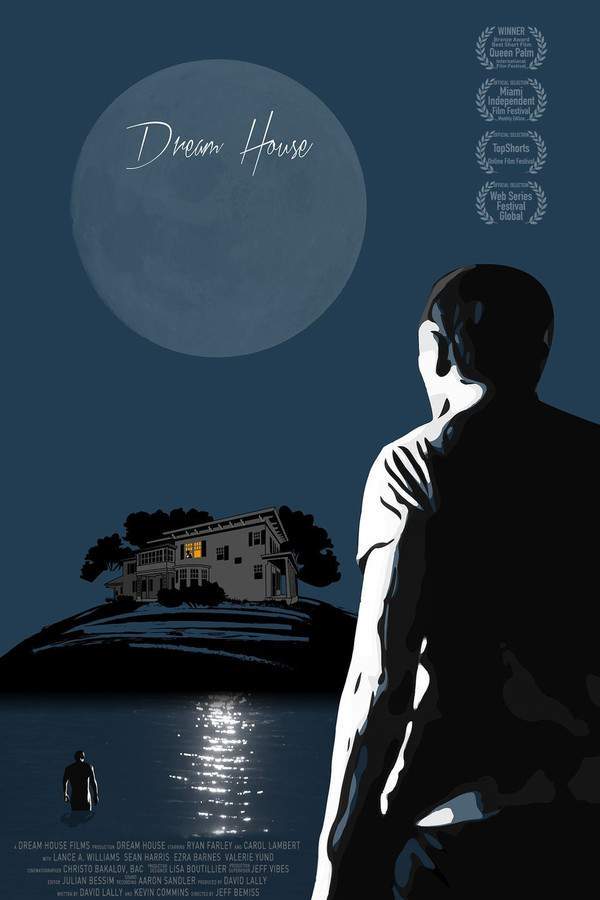
The climax unfolds under a pale moon as Barlam undertakes a late-night mission to rid himself of the traces of his own psychosis. The sequence that follows offers a paradoxical twist, one that resists quick interpretation and rewards careful, repeated viewing. The Sentimental Engine Slayer remains a strange, braided tale—part psychological portrait, part half-remembered nightmare—that lingers in the memory long after the credits roll.