






Plot Explained Spoilers guaranteed!
Plot Explained

Browse by genre

The Royal Bed (1931) movie poster

Timeline

The Royal Bed (1931) Timeline Explained – Every Event in Order

Release, runtime and language
1931 · 75 mins · English
Starring
J. Carrol Naish, Nance O'Neil, Mary Astor, Robert Warwick, Alan Roscoe, Gilbert Emery

Touted as the year’s sparkling comedy sensation, the film follows a hapless monarch of a tiny European kingdom who must endure the constant meddling of an overbearing queen, his rebellious daughter’s plans to elope with her lover, the rise of a peasant uprising, and the scheming maneuvers of a deceitful general, all colliding in a whirlwind of farcical mishaps and royal chaos.

On this page (6)
  1. 1 Where to watch
  2. 2 Events in order (12)
  3. 3 Timeline questions answered
  4. 4 Movie threads
  5. 5 Movies like The Royal Bed
  6. 6 Every angle

Where to watch

Where to Watch The Royal Bed (1931)

Where can you watch The Royal Bed? Stream, rent or buy it in the US, including on MGM Plus, Fawesome and JustWatch TV: current JustWatch availability with up-to-date prices.

Streaming availability powered by JustWatch

12 events in order · contains spoilers

The Royal Bed Timeline: Events in Chronological Order

Every key event of The Royal Bed (1931) in order, scene by scene, with when and where it takes place. Use it to untangle flashbacks, time jumps and parallel storylines, to refresh your memory before the sequel or to find the exact scene you are thinking of.

  1. Anne's escape plan with Freddie Granton

    Princess Anne confides that she plans to run away with Freddie Granton, the commoner secretary to her father. She hopes to escape before her domineering mother returns and royal plans for her life are sealed. The plan hinges on Queen Martha's absence so Anne can slip away.

    Where
    Royal Palace - Anne's chambers
  2. News of an arranged marriage to Prince William

    The Marquis of Birten announces that Anne's political marriage is arranged to Prince William of Grec. Anne vehemently protests the match, feeling trapped by royal protocols. The Queen is delighted by the alliance, while the King remains ineffectual in resisting the arrangement.

    Where
    Royal Court
  3. Northrup pushes for harsh measures; king delays

    The Premier and General Northrup warns that a revolution is brewing and lashes out against the King's position. He pushes for the execution of many political prisoners, insisting the move will quell dissent. The King needs his signature, but delays; The Queen approves the stern measures, and the King promises to attend to it but ends up misplacing the death warrants.

    Where
    Royal Council
  4. Revolt erupts under Laker after dictatorial powers granted

    Led by Laker, the rebels rise up after Parliament grants Northrup dictatorial powers. The uprising signals a rapid breakdown of royal authority in the capital.

    Where
    Capital City
  5. Anne's escape attempt with Granton; reluctance to abandon the King

    Anne seizes the opportunity to flee with Granton, aided by her father's approval. She begins to depart the palace with her lover, seeking safety away from unwanted royal pressure. However, when she believes the King is truly in danger, she resolves not to abandon him and halts the escape.

    Where
    Royal Palace
  6. Fellman demands abdication, seeks negotiation

    Doctor Fellman, a moderate rebel leader, visits the King to demand his abdication and an end to the fighting. He then agrees to pause the conflict in favor of negotiations, hoping to steer a peaceful settlement.

    Where
    King's chambers
  7. Northrup declares he is in charge; mocks the people's strength

    Northrup insists he is in charge now and laughs at the King's claim that the people are stronger than his army and navy. The power grab tightens the fracture between the monarchy and the rebels. The clash between civilian rule and military authority grows more intense.

    Where
    Royal Council
  8. Prince William returns; vows to fulfill his duty

    Prince William arrives and admits that he dislikes Anne, yet he is prepared to fulfill his duty and go through with the wedding. He steels himself for an arranged alliance, despite personal misgivings. The royal audience prepares for the formal tie that would seal his alliance with Grec.

    Where
    Royal Court
  9. Fellman and Laker join the scene; new tensions arise

    Fellman and Laker arrive, adding to the mounting pressure on the crown and highlighting the factions within the rebellion. The King must contend with both revolutionary and reformist forces as negotiations loom.

    Where
    Palace
  10. King dismisses Northrup; Fellman appointed; elections ordered

    The King dismisses Northrup from service and places Fellman in charge, signaling a pivot toward negotiation and reform. He orders general elections to be held as soon as possible to reestablish parliamentary legitimacy.

    Where
    Throne Room
  11. Queen returns with loan; reveals revolution was a bluff

    The Queen returns from America with a much-needed loan and privately tells her husband that she knew the whole revolution was a bluff to force Northrup from power. The confession reveals the depth of the Crown's strategy behind the upheaval.

    Where
    Palace
  12. Final deception: Anne is married to Granton and exiled

    After the Queen leaves for the wedding, the King has Granton brought to him, and he speedily marries Anne to Granton. The couple is sent into exile in France, ending Anne's bid for independence and altering the royal succession.

    When
    Wedding day
    Where
    Royal Palace

Last updated: October 09, 2025 at 10:50

Was this helpful?

Timeline questions answered

The Royal Bed Timeline Explained: Your Questions Answered

When does it happen, and why in that order? The questions people ask about the chronology of The Royal Bed (1931): time jumps, flashbacks, cause and effect between scenes and the correct order of events, each answered with spoilers.

Q1

Why did King Eric VIII secretly misplace the death warrants?

The King misplaced the death warrants to delay General Northrup's plan to execute political prisoners. While appearing to approve of Northrup's harsh measures, the King was actually trying to buy time and avoid being directly responsible for mass executions. This act of quiet deception allowed him to appear cooperative with the Queen and General Northrup while preventing the bloodshed that would have escalated the revolt.

  • king eric viii
  • death warrants
  • northrup
  • political prisoners
  • execution
Q2

Why did Queen Martha reveal the revolution was a bluff?

Queen Martha privately told her husband that she recognized the revolution as a bluff designed to squeeze General Northrup from power. This confession revealed that the Queen was more politically shrewd than her husband initially realized, she supported harsh measures publicly while knowing the uprising was engineered by royal allies to eliminate Northrup. Her insight added a crucial layer of intrigue to the palace politics.

  • queen martha
  • revolution
  • northrup
  • political strategy
  • bluff
Q3

How did King Eric VIII resolve the political crisis?

The King resolved the crisis by dismissing General Northrup from service and appointing Doctor Fellman, a moderate rebel leader, in his place. He then ordered general elections to reestablish parliamentary legitimacy. This pivot satisfied the rebels' demands for representation while preserving the monarchy's position through negotiation rather than force.

  • king eric viii
  • northrup
  • fellman
  • elections
  • political resolution
Q4

Why was Princess Anne married to Freddie Granton and sent to France?

The King secretly married Anne to Freddie Granton and sent the couple into exile in France to resolve the impossible political situation. Anne was betrothed to Prince William of Grec for political reasons, but she loved Granton. By secretly marrying them and exiling the couple, the King allowed his daughter to marry for love while technically maintaining the appearance of honoring royal protocol. The exile protected both Anne and Granton from the political consequences of defying the royal arrangement.

  • princess anne
  • freddie granton
  • marriage
  • exile
  • france
  • king eric viii
Q5

Why did Princess Anne stop her escape when she thought the King was in danger?

Anne paused her escape when she believed her father's life was truly in peril because she couldn't abandon him despite her desire for freedom. She was torn between personal happiness with Freddie Granton and familial duty to protect the King. This decision highlighted her character development from a rebellious daughter seeking escape to someone willing to sacrifice her own plans for her father's safety during the political crisis.

  • princess anne
  • king eric viii
  • escape
  • family duty
  • loyalty
Q6

What happened to General Northrup after the political crisis?

General Northrup was dismissed from service by King Eric VIII once the King decided to address the political crisis through negotiation rather than force. Northrup had pushed for harsh measures and dictatorial powers to crush the rebellion, but his removal signaled the King's shift toward the rebels' demands for reform and elections.

  • general northrup
  • dismissal
  • political crisis
  • rebellion
Q7

Why did Prince William agree to marry Princess Anne despite not liking her?

Prince William of Grec agreed to the political marriage despite disliking Anne because he felt bound by duty to fulfill the arranged alliance. He told the court he was prepared to go through with the wedding despite personal misgivings, prioritizing the political obligations of his position over personal happiness.

  • prince william
  • arranged marriage
  • duty
  • political alliance
  • grec
Q8

What was the difference between Doctor Fellman and Laker's approach to the rebellion?

Doctor Fellman was a moderate rebel leader who sought negotiation and peaceful resolution, demanding abdication and general elections rather than outright vengeance. Laker, by contrast, led the more radical rebel forces that sparked the actual uprising when Parliament granted Northrup dictatorial powers. Fellman represented the reformist wing of the rebellion willing to work within the system, while Laker pushed for more confrontational action.

  • doctor fellman
  • laker
  • rebellion
  • moderate
  • radical
  • negotiation

Movie threads

More Movies Like The Royal Bed, by Mood & Story

Curated lists built around what makes The Royal Bed tick: the same mood, the same kind of story or the same emotional payoff. Each list explains why these movies belong together.

Royal Farce Comedies like The Royal Bed

Satirical comedies where bumbling royals face political and domestic chaos. If you enjoyed the chaotic courtly satire of The Royal Bed, explore more movies where bumbling royals and meddling courtiers create a whirlwind of farce. These films blend political intrigue with romantic subplots and witty dialogue, all set against a backdrop of opulent but deeply dysfunctional kingdoms.

  • farcical
  • satirical
  • chaotic
  • witty
  • deceitful
  • rebellious
  • Tone: light, satirical
  • Pacing: fast, chaotic
Why these movies?

The story pattern: The narrative pattern typically involves a well-meaning but inept monarch or noble family whose authority is constantly challenged. Multiple crises—such as rebellious heirs, scheming advisors, and popular unrest—collide in a rapid succession of misunderstandings and deceptions, all resolved with clever ruses rather than genuine tragedy.

Why they belong together: Movies are grouped here for their shared focus on satirizing authority through a light, comedic lens. They share a specific world (royal courts), a fast, farcical pacing, and a tone that treats high-stakes political themes as the setup for humorous chaos rather than genuine drama.

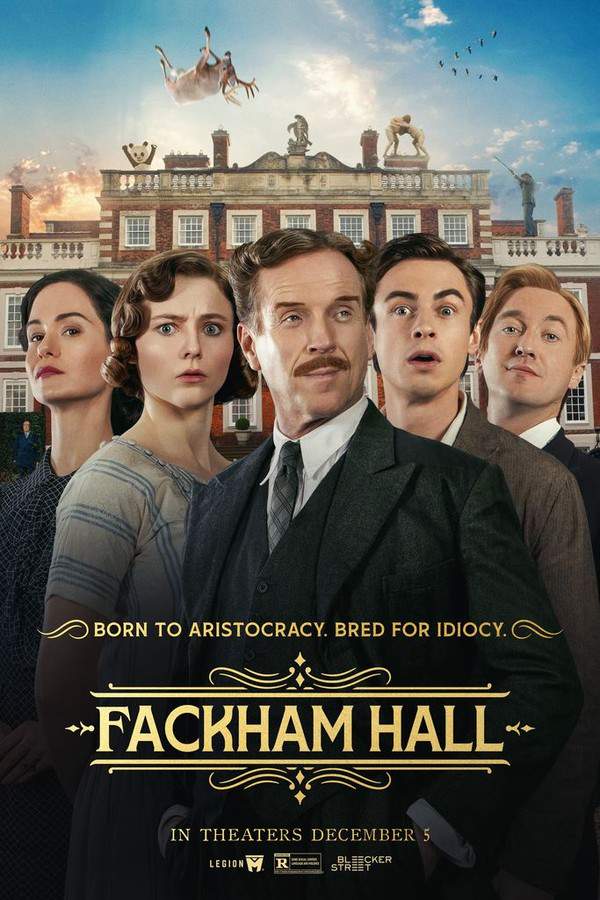
Bittersweet Stories of Duty vs Desire like The Royal Bed

Stories where characters win personal freedom but lose their place in the world. If you liked the poignant compromise at the end of The Royal Bed, where love triumphs but exile follows, you'll appreciate these movies. They explore the universal conflict between personal happiness and social obligation, culminating in endings that are hopeful yet tinged with a sense of loss.

  • bittersweet
  • romantic
  • rebellious
  • uneasy
  • hopeful
  • melancholic
  • Tone: bittersweet, romantic
  • Pacing: variable, character-driven
Why these movies?

The story pattern: The central journey pits a character's heartfelt desires—typically for love or freedom—against the rigid expectations of their family, society, or station. The conflict escalates as they rebel, leading to a climax where they succeed personally but must accept a profound loss, resulting in a bittersweet resolution that feels earned rather than purely tragic.

Why they belong together: These movies share a specific emotional and narrative arc: the triumph of individual desire over duty, followed by a consequential loss. The tone can vary from light to dramatic, but they are united by a bittersweet ending feel and a focus on the emotional weight of choosing oneself.

If you liked this

Movies Like The Royal Bed

Similar movies to The Royal Bed: the same genre, themes or kind of story. Each one comes with its own plot summary, timeline and ending explained.

Browse all movie summaries

Every angle

The Royal Bed (1931) Explained: Plot, Timeline & Characters

Everything about The Royal Bed in one place: what happens in the plot summary, the timeline in chronological order, the characters and meaning and a spoiler-free summary. What's After the Movie adds the cast, box office and post-credit scenes.

Coming soon on iOS and Android

The Plot Explained Movie Summary App

Plot summaries, endings explained and timelines on your phone. Catch up on any movie in minutes, save your favorites and never miss a twist again.

Be the first to know when we launch. Your email stays private, always.

Learn more about the app