Year: 1961
Runtime: 103 mins
Language: English
Director: José Quintero
Karen Stone, an American actress near 50, is judged too old for the Broadway part she’s about to play. During a Rome trip meant to aid her older husband’s health, he dies on the flight. She stays in Rome, renting a terrace apartment with a view of the seven hills. The Contessa introduces her to a young Italian, Paolo, linking her with local society.
Find where to stream, rent, or buy The Roman Spring of Mrs. Stone (1961) in the US with current JustWatch availability, up-to-date pricing, and platform listings for subscription, rental, and digital purchase options.
Warning: spoilers below!
Haven’t seen The Roman Spring of Mrs. Stone yet? This summary contains major spoilers. Bookmark the page, watch the movie, and come back for the full breakdown. If you're ready, scroll on and relive the story!
Explore the full timeline and setting of The Roman Spring of Mrs. Stone (1961). Follow every major event in chronological order and see how the environment shapes the story, characters, and dramatic tension.
Last updated: December 03, 2025 at 23:57
Meet the key characters of The Roman Spring of Mrs. Stone (1961), with detailed profiles, motivations, and roles in the plot. Understand their emotional journeys and what they reveal about the film’s deeper themes.
Last updated: December 03, 2025 at 23:57
Explore the central themes of The Roman Spring of Mrs. Stone (1961), from psychological, social, and emotional dimensions to philosophical messages. Understand what the film is really saying beneath the surface.
Last updated: December 03, 2025 at 23:57
Browse frequently asked questions about The Roman Spring of Mrs. Stone (1961) focused on characters, relationships, themes, symbols, setting, and story context. This movie info FAQ gives spoiler-aware explanations for character arcs, world details, and thematic interpretation so readers can better understand what the film is really about.
The movie is set in Rome, Italy, primarily in a luxury terrace apartment with a view of the seven hills. Rome serves as both a glamorous backdrop and a mirror for Karen's emotional state - its mix of ancient grandeur, chic nightlife, and high-society rituals frames the tension between performance and reality that defines the story.
Set in the early 1960s, the film captures a moment when Hollywood glamour meets European sophistication. The era's openness about nontraditional relationships collides with appearances and propriety, shaping the drama. Rome's nocturnal elegance contrasts sharply with Karen's inward emotional storm.
Karen Stone is an acclaimed American stage actress whose career has declined with age, recently judged too old for a Broadway role. After her husband Tom dies on the flight to Rome, she stays in the city seeking companionship and meaning. Her vulnerability and longing make her susceptible to Paolo's charms and to self-deception about the depth of his feelings.
Paolo di Leo is a handsome, self-assured Italian man who moves through high society as a charismatic gigolo. He uses Karen's loneliness to secure wealth, status, and his own comfort, while pretending to offer genuine affection. His self-centered manipulation drives the drama and leaves Karen exposed to heartbreak.
Contessa Magda Terribili-Gonzales is a seasoned matchmaker who orchestrates meetings between wealthy women and younger companions. She thrives on social capital and gossip, manipulating situations to her advantage. Her presence signals the commodification of romance within elite Roman circles, turning relationships into transactions.
Loneliness is the central emotional force driving the narrative. Karen Stone's fame and wealth cannot fill the emptiness she feels after her husband's death. She seeks connection in Paolo's company, only to confront vulnerability and dependence. The relationship exposes how wealth and status can magnify loneliness rather than ease it, leading her to make choices that blur moral lines.
Paolo's charm masks self-interest, while Karen clings to the belief that she is special. The gifts and affection she receives create a veneer of romance, masking true feelings and intention. Gossip and appearances blur what is real, turning love into a performance. The story shows how outward glamour often hides deeper emptiness.
Contessa Magda leverages wealth and desire to connect clients with younger companions, turning romance into a business. Paolo uses Karen's resources to gain status and control, treating affection as a transaction. The dynamics critique how money and social standing shape desire and loyalty, culminating in a revelation of manipulation and commodified intimacy.
Meg is Mrs. Stone's only real friend in Rome, offering practical support and a sounding board amid the social circus. She anchors Karen emotionally, even as she watches the situation with wary realism. Meg embodies loyalty and pragmatic counsel in a theater of vanity, providing grounded perspective among the manipulation.
Karen Stone's career has waned with age, and she was recently judged too old for the Broadway part she was about to play. Her husband's death leaves her untethered, and her attraction to the younger Paolo represents a desperate grasp at youth and significance. The movie explores how society discards women as they age while examining Karen's realization of her diminished place in the world.
The tone is overwhelmingly melancholic, driven by the protagonist's grief, loneliness, and harsh realization of her fading youth and relevance. The pacing is slow, emphasizing atmosphere and the gradual, inevitable nature of her emotional decline rather than fast-moving plot. The luxury and romance of Rome starkly contrast with the dark, lonely emotional core of the story.
Rome serves as a lush, cosmopolitan backdrop for Karen's loneliness and social ascent, but the city's elegance masks her private longing. The contrast between ancient grandeur, chic nightlife, and high-society rituals against her inward storm creates dramatic irony. The opulent setting underscores how wealth and beauty cannot resolve deep emotional isolation.
Discover curated groups of movies connected by mood, themes, and story style. Browse collections built around emotion, atmosphere, and narrative focus to easily find films that match what you feel like watching right now.
Stories of emotional decline set against a backdrop of opulent beauty.If you appreciated the lonely, opulent atmosphere of The Roman Spring of Mrs. Stone, you'll find similar movies here. These films explore themes of grief, aging, and social alienation within beautiful, yet emotionally cold, settings, often featuring a slow, melancholic pace.
Narratives in this thread typically follow a character, often an outsider or someone in grief, who seeks solace or distraction in a beautiful but unfamiliar environment. Their attempts at connection are often exploitative or illusory, leading to a gradual, sometimes deliberate, emotional or moral decline.
These movies are grouped by their shared mood of elegant melancholy and their thematic focus on the disconnect between external beauty and internal turmoil. They feature a similar pacing that allows the atmosphere of isolation to fully immerse the viewer.

Intimate portraits of characters whose delusions lead to inevitable ruin.For viewers who connected with the psychological depth and tragic arc of Karen Stone, this list features movies like The Roman Spring of Mrs. Stone. These are straightforward, emotionally heavy dramas centered on a protagonist's fatal flaws and their bleak consequences.
The narrative pattern is a straightforward, linear character arc where the protagonist actively participates in their own downfall. They often enter into knowingly destructive relationships or situations, using them as a substitute for genuine healing, leading to an unambiguous and somber conclusion.
These films share a heavy emotional weight driven by a central character's psychological journey. They are united by a melancholic tone, a slow, deliberate pacing that emphasizes interiority, and a commitment to a bleak, unforgiving ending that feels both tragic and inevitable.
Don't stop at just watching - explore The Roman Spring of Mrs. Stone in full detail. From the complete plot summary and scene-by-scene timeline to character breakdowns, thematic analysis, and a deep dive into the ending - every page helps you truly understand what The Roman Spring of Mrs. Stone is all about. Plus, discover what's next after the movie.
Read a complete plot summary of The Roman Spring of Mrs. Stone, including all key story points, character arcs, and turning points. This in-depth recap is ideal for understanding the narrative structure or reviewing what happened in the movie.
Track the full timeline of The Roman Spring of Mrs. Stone with every major event arranged chronologically. Perfect for decoding non-linear storytelling, flashbacks, or parallel narratives with a clear scene-by-scene breakdown.
Discover movies like The Roman Spring of Mrs. Stone that share similar genres, themes, and storytelling elements. Whether you’re drawn to the atmosphere, character arcs, or plot structure, these curated recommendations will help you explore more films you’ll love.
The Roman Spring of Mrs. Stone (1961) Plot Summary & Movie Recap
The Roman Spring of Mrs. Stone (1961) Scene-by-Scene Movie Timeline
The Roman Spring of Mrs. Stone (1961) Spoiler-Free Summary & Key Flow
Movies Like The Roman Spring of Mrs. Stone – Similar Titles You’ll Enjoy
When in Rome (2010) Movie Recap & Themes
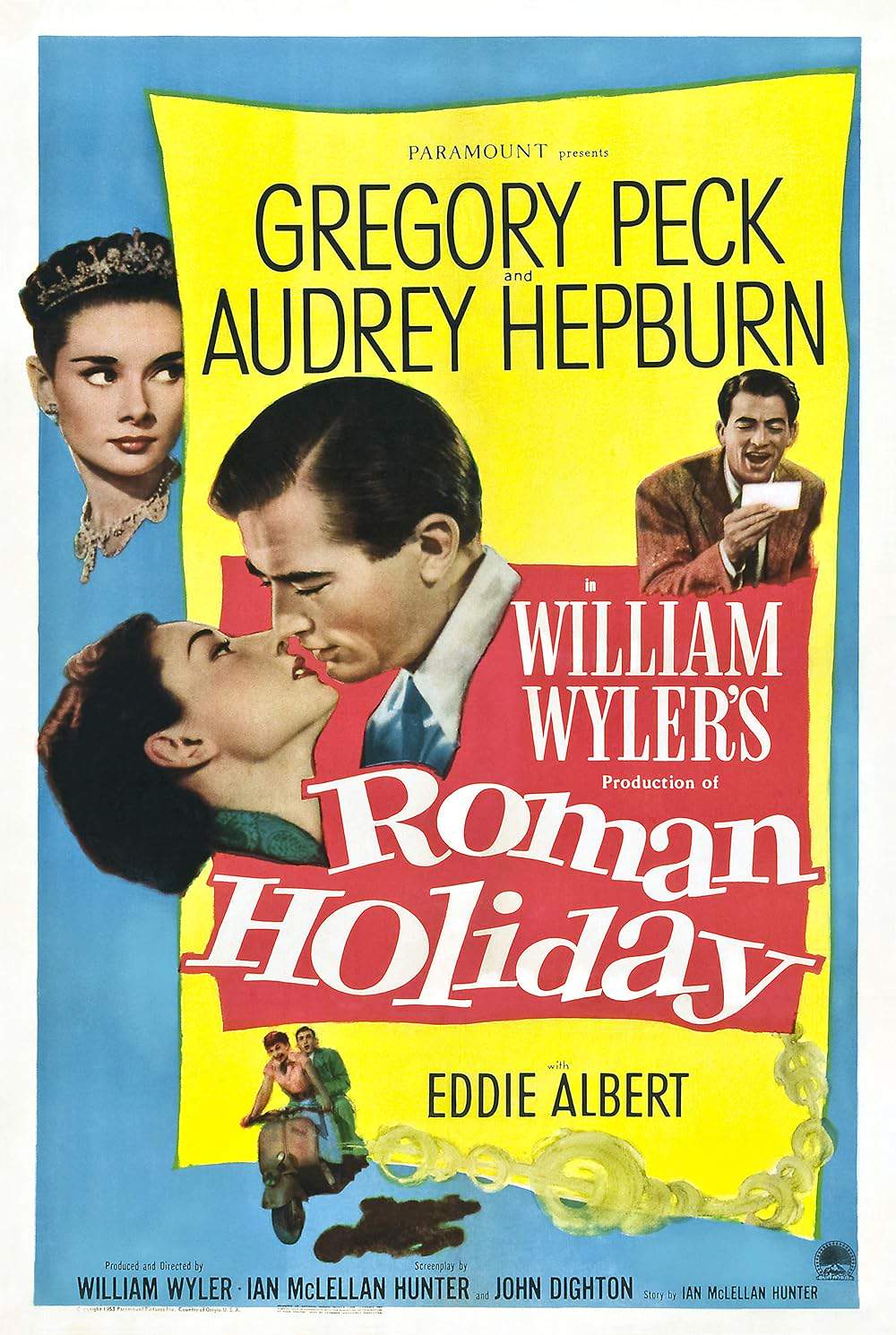
Roman Holiday (1953) Complete Plot Breakdown
Rome in Love (2019) Full Summary & Key Details
The Roman Spring of Mrs. Stone (2003) Full Movie Breakdown
Rome and Juliet (2006) Film Overview & Timeline
Roman Holiday (1987) Ending Explained & Film Insights
Indiscretion of an American Wife (1953) Full Summary & Key Details
Street of Women (1932) Story Summary & Characters
The Sparrow’s Fluttering (1988) Movie Recap & Themes
It Happens in Roma (1955) Full Movie Breakdown
Woman of Rome (1954) Complete Plot Breakdown
Journey to Italy (1954) Full Movie Breakdown
End of Summer (1997) Movie Recap & Themes
Summertime (1955) Film Overview & Timeline
Two Weeks in Another Town (1962) Film Overview & Timeline