Plot Explained Spoilers guaranteed!
Plot Explained

Browse by genre

The Road to Ruin (1934) movie poster

Characters & Themes

The Road to Ruin (1934) Characters, Setting & Themes Explained

Release, runtime and language
1934 · 62 mins · English
Loading streaming availability…
Directed by
Melville Shyer
Starring
Richard Tucker, Dorothy Davenport, Virginia True Boardman, Mae Busch, Paul Page, Helen Foster

A naïve young woman is drawn into a reckless crowd that uses marijuana, drinks heavily, and engages in casual sex. As she falls deeper into the lifestyle, she becomes an alcoholic and pregnant drug user, ultimately compelled to undergo an abortion while confronting the tragic collapse of her once‑innocent life.

On this page (8)
  1. 1 Where to watch
  2. 2 Characters explained (9)
  3. 3 Where & when it takes place
  4. 4 Themes & meaning (3)
  5. 5 Character & meaning questions
  6. 6 Movie threads
  7. 7 Movies like The Road to Ruin
  8. 8 Every angle
Loading streaming availability…

9 main characters · contains spoilers

The Road to Ruin Characters Explained: Who Is Who

The main characters of The Road to Ruin (1934), heroes and villains: what drives them, how they change over the course of the story and what each of them reveals about the film's bigger ideas.

  • Ann Dixon (Helen Foster)

    Ann is a naive high school girl who longs for belonging and excitement. She is drawn into a more worldly sphere by Eve, experimenting with smoking, alcohol, and flirtation. Her arc culminates in an implied pregnancy and a botched abortion, illustrating the peril of acting without guidance.

    • 💃 Naive
    • 🧭 Curious
    • 🚦 Risk-taking
  • Eve Monroe (Nell O'Day)

    Eve is more worldly and serves as the catalyst for Ann's awakening. She introduces Ann to drinking and dating, fueling a cycle of risky choices. Ultimately she faces social judgment as a 'Sex Delinquent,' reflecting the era's harsh scrutiny of young women's sexuality.

    • 🎯 Manipulative
    • 🧭 Worldly
    • 🫂 Peer-pressure
  • Ralph Bennett (Paul Page)

    Ralph is a manipulative older partygoer who preys on young girls, stepping in when Tommy is intoxicated and later abandoning Ann. His actions reveal the predatory side of adult flirtations and the danger of exploiting vulnerability.

    • 💼 Charismatic
    • 🐍 Dangerous
    • 🧭 Opportunist
  • Tommy (Glen Boles)

    Tommy is Ann's impulsive boyfriend, swayed by drink and peer pressure. His reckless behavior sets the chain of events in motion and tests Ann's judgment, highlighting male immaturity in the story.

    • 💬 Impulsive
    • 🧭 Rebellious
  • Ed (Robert Quirk)

    Ed is a peer who participates in the night’s revelry. He is part of the crowd and is ousted during confrontations, illustrating the chaotic energy of youth culture at the time.

    • 🎲 Peer-group
    • 🥂 Party participant
  • Mrs. Merrill (Dorothy Davenport)

    Mrs. Merrill heads the Girls Division of the Juvenile Department, overseeing examinations and enforcing discipline. She embodies the era's moral authority, advocating a corrective approach through examinations and labels like 'Sex Delinquent.'

    • 🛡️ Authority
    • 🚨 Discipline
  • Martha Dixon (Virginia True Boardman)

    Martha Dixon is Ann's mother, anxious and trying to protect her daughter while facing a family crisis. She seeks forgiveness and grapples with the consequences of her child's choices.

    • 👩‍👧‍👦 Motherhood
    • 🧭 Guidance
  • Brad (Brad)

    played by Richard Hemingway

    Brad is the party host whose gathering becomes a flashpoint for reckless behavior. He represents the social circle that enables drinking and dares to push boundaries.

    • 🏠 Party host
    • 🕯️ Social influence
  • Mr. Dixon (Richard Tucker)

    Mr. Dixon is Ann's father, a figure of concern and authority who embodies the protective yet fallible role of a middle-class parent. He faces the challenge of guiding his daughter through dangerous choices.

    • 👨‍👩‍👧 Father
    • 🧭 Moral center

Last updated: October 04, 2025 at 14:12

Was this helpful?

Setting

Where and When Does The Road to Ruin Take Place?

The setting of The Road to Ruin (1934): the year and time period, the places and locations, and how they shape the characters, the mood and the tension of the story.

Time period

1920s

The events unfold in the 1920s, a period of Prohibition and Jazz-age nightlife in the United States. The era's permissive social atmosphere and experimentation with alcohol heighten the characters' risk-taking. Public health concerns and moral anxiety about youth behavior frame the period's response to the unfolding crisis.

Location

Lakeside town, Brad's house, police station

Set in a lakeside town with casual hangouts and weekend getaways, the story moves from the lakeside to local restaurants and a house party. The locations shift to the police station and the Juvenile Department as the characters' actions draw real-world consequences. These places ground the drama from carefree youth to legal and social scrutiny.

  • 🏞️ Lakeside
  • 🗺️ Town
  • 🚓 Public safety

Last updated: October 04, 2025 at 14:12

Was this helpful?

3 major themes

The Road to Ruin Meaning: Themes & Message Explained

What is The Road to Ruin (1934) really about? The emotional, social and philosophical themes the film keeps returning to, its symbolism and the message beneath the surface.

  • Coming of Age

    The film centers on adolescence and the urge for freedom, exploring how teenage girls navigate romance, sexuality, and self-discovery. It shows the allure of risk as a shortcut to belonging, contrasted with the harsh consequences that follow. The narrative uses intimate moments to probe how easily boundaries can blur during youth.

  • Consequences

    A night of revelry leads to public scrutiny, police intervention, and medical examinations, underscoring that actions have lasting repercussions. The story highlights legal and social penalties faced by young women for behaviors deemed inappropriate. It also demonstrates how institutions respond to perceived female transgressions.

  • Morality and Guidance

    The adults in the story struggle to provide direction while societal norms push for discipline and punishment. The film contrasts parental concern, institutional authority, and the lack of true guidance that could prevent tragedy. It suggests that knowledge and education, rather than fear, are needed to steer youth away from danger.

Last updated: October 04, 2025 at 14:12

Was this helpful?

Character & theme questions

The Road to Ruin Characters & Meaning: Your Questions Answered

The questions people ask about The Road to Ruin (1934): who the characters really are, their relationships, what the symbols mean, where it takes place and what the movie is really about. Each answer contains spoilers.

Q1

Where is The Road to Ruin set?

The story unfolds in a lakeside town, moving between casual hangouts by the lake, local restaurants, and house parties. As consequences unfold, the setting shifts to the police station and the Juvenile Department, grounding the narrative from carefree youth to legal and social scrutiny.

  • lakeside town
  • setting
  • locations
  • 1930s film setting
Q2

What time period does The Road to Ruin take place in?

The film is set in the 1920s, during Prohibition and the Jazz Age in the United States. This era's permissive social atmosphere and experimentation with alcohol heighten the characters' risk-taking behavior, while public health concerns and moral anxiety about youth behavior frame the period's response to the unfolding crisis.

  • 1920s
  • Prohibition
  • Jazz Age
  • era
  • historical setting
Q3

What are the main themes of The Road to Ruin?

The film explores three interconnected themes: Coming of Age, which examines how teenage girls navigate romance, sexuality, and self-discovery; Consequences, highlighting how actions lead to legal and social penalties; and Morality and Guidance, contrasting parental concern with institutional authority and the lack of true direction that could prevent tragedy.

  • coming of age
  • consequences
  • morality
  • themes
  • youth
Q4

Who is Ann Dixon in the movie?

Ann Dixon is a naive high school girl who longs for belonging and excitement. She is drawn into a more worldly sphere by Eve, experimenting with smoking, alcohol, and flirtation. Her arc illustrates the peril of acting without guidance, as she represents the innocent yet vulnerable teenage girl at the heart of the story's warning.

  • Ann Dixon
  • Helen Foster
  • main character
  • protagonist
Q5

Who is Eve Monroe in The Road to Ruin?

Eve Monroe is a more worldly young woman who serves as the catalyst for Ann's awakening. She introduces Ann to drinking and dating, fueling a cycle of risky choices. Ultimately, Eve faces harsh social judgment as a 'Sex Delinquent,' reflecting the era's strict scrutiny of young women's sexuality.

  • Eve Monroe
  • Nell O'Day
  • character
  • influence
Q6

Who is Ralph Bennett in the story?

Ralph Bennett is a manipulative older partygoer who preys on young girls. He steps in when Tommy is intoxicated and later abandons Ann, revealing the predatory side of adult flirtations and the danger of exploiting vulnerability among impressionable youth.

  • Ralph Bennett
  • Paul Page
  • antagonist
  • predator
  • exploitation
Q7

What role does Mrs. Merrill play in The Road to Ruin?

Mrs. Merrill heads the Girls Division of the Juvenile Department, overseeing examinations and enforcing discipline. She embodies the era's moral authority, advocating a corrective approach through medical examinations and labeling young women as 'Sex Delinquent', reflecting how institutions responded to perceived female transgressions.

  • Mrs. Merrill
  • Dorothy Davenport
  • Juvenile Department
  • authority
  • social control
Q8

What does The Road to Ruin say about youth and consequences?

The film presents a stark moral warning about youthful indiscretion. It shows how the allure of risk serves as a shortcut to belonging, contrasted with harsh consequences that follow. The narrative underscores that actions lead to public scrutiny, police intervention, and medical examinations, emphasizing that knowledge and education, rather than fear, are needed to steer youth away from danger.

  • youth
  • consequences
  • moral message
  • warning
  • education
Q9

How does the 1920s setting shape the movie's story?

The 1920s setting is integral to the film's message. Prohibition-era nightlife provided the backdrop for drinking and revelry, while the era's permissive social atmosphere encouraged experimentation. Simultaneously, public health concerns and moral anxiety about youth behavior created the conditions for harsh institutional responses, making the period itself a character in the drama.

  • Prohibition era
  • 1920s nightlife
  • social context
  • historical influence
Q10

What does the film say about morality and guidance?

The film contrasts parental concern, institutional authority, and the lack of true guidance that could prevent tragedy. It suggests that adults struggle to provide direction while societal norms push for discipline and punishment. The story implies that knowledge and education, rather than fear and labeling, are needed to steer young people away from danger.

  • morality
  • guidance
  • parental authority
  • institutional response
  • education

Movie threads

More Movies Like The Road to Ruin, by Mood & Story

Curated lists built around what makes The Road to Ruin tick: the same mood, the same kind of story or the same emotional payoff. Each list explains why these movies belong together.

Bleak cautionary tales like The Road to Ruin

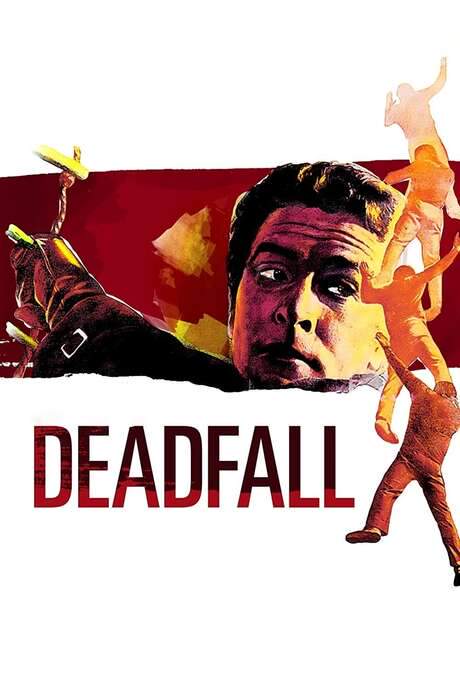
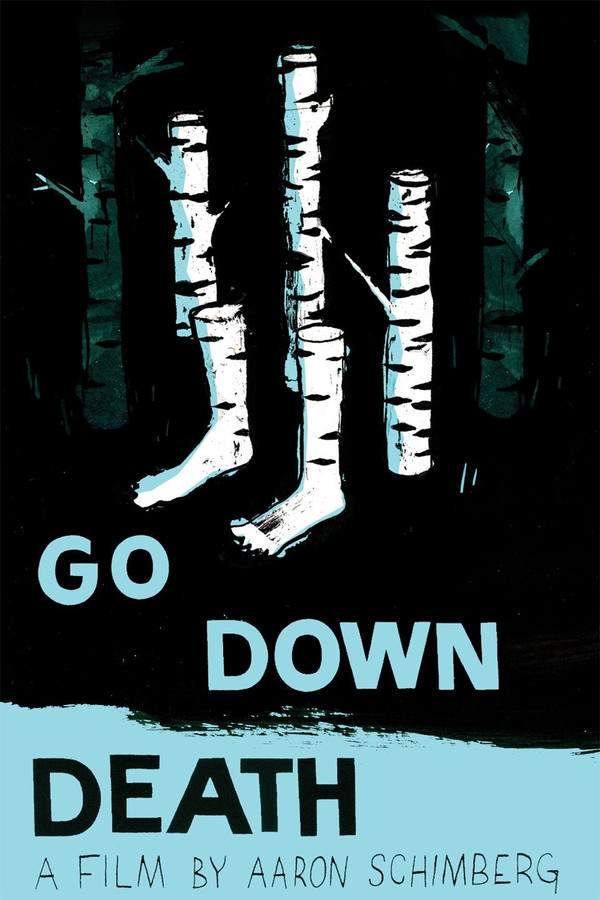
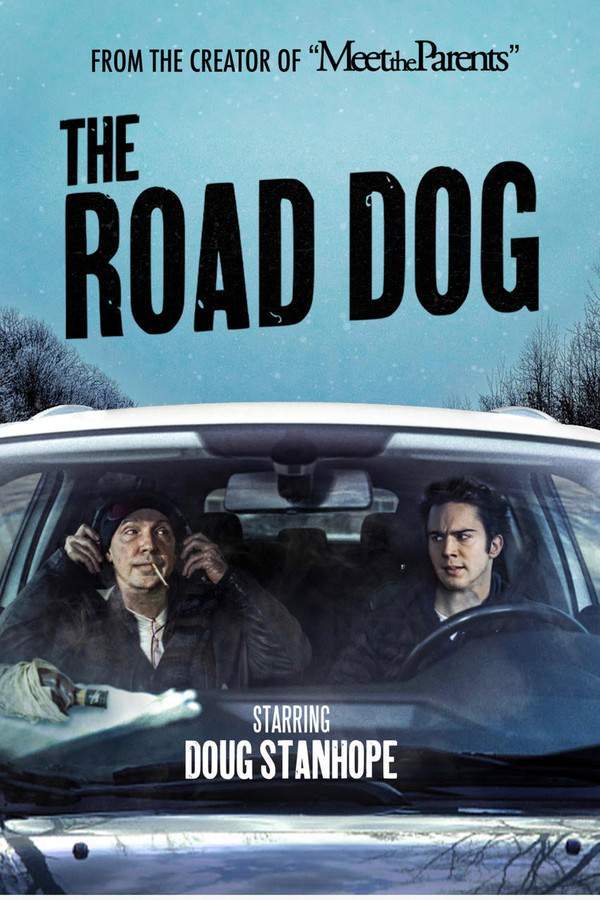
Stories where youthful innocence is systematically destroyed by societal vices. If you were affected by the grim moral lesson of The Road to Ruin, explore these movies that share its structure. These films are similar dramas about reckless youth, addiction, and devastating consequences, presenting a bleak view of innocence corrupted.

  • cautionary
  • tragic
  • somber
  • grim
  • unsettling
  • melancholic
  • Tone: dark, tragic, cautionary
  • Pacing: steady, methodical
Why these movies?

The story pattern: These narratives typically follow a linear, cause-and-effect structure where a naive protagonist is introduced to a corrupting influence, leading to a rapid and irreversible descent. The story methodically presents each negative consequence, building towards a tragic climax that underscores the film's moral message without offering redemption.

Why they belong together: Movies are grouped here due to their shared commitment to a dark, cautionary tone, a steady pacing that builds tragic momentum, and a narrative focus on the systematic destruction of innocence. They all deliver a heavy emotional weight and an unambiguous, bleak ending.

Heavy female tragedy dramas like The Road to Ruin

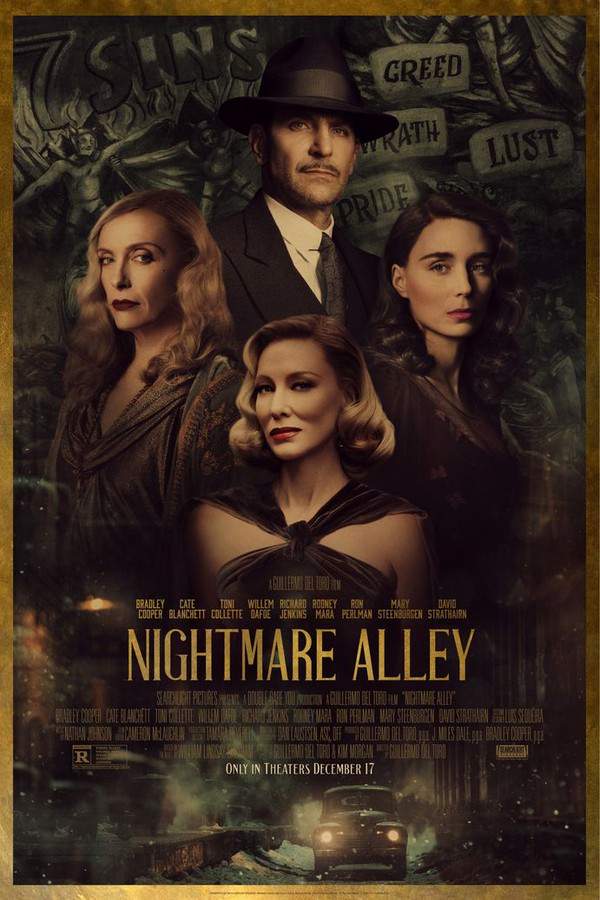
Intense dramas depicting a woman's harrowing psychological and social collapse. Viewers seeking movies similar to The Road to Ruin's focus on a woman's tragic downfall will find them here. These are heavy dramas with dark tones, following a female character's psychological and social collapse amidst exploitation and addiction.

  • tragic
  • somber
  • anxious
  • grim
  • unsettling
  • melancholic
  • Tone: dark, somber, tragic
  • Pacing: steady, character-driven
Why these movies?

The story pattern: The narrative pattern revolves around a female character who, often due to vulnerability or societal pressure, enters a destructive path. The plot focuses on her point of view, charting her loss of agency, exploitation by others, and the compounding consequences that lead to a devastating conclusion, highlighting themes of patriarchal failure and judgment.

Why they belong together: These films are united by their intense, heavy focus on a female protagonist's tragic arc. They share a dark tone, steady pacing that allows for a deep immersion in her despair, and a straightforward presentation of her harrowing journey, resulting in a bleak emotional impact.

If you liked this

Movies Like The Road to Ruin

Similar movies to The Road to Ruin: the same genre, themes or kind of story. Each one comes with its own plot summary, timeline and ending explained.

Browse all movie summaries

Every angle

The Road to Ruin (1934) Explained: Plot, Timeline & Characters

Everything about The Road to Ruin in one place: what happens in the plot summary, the timeline in chronological order, the characters and meaning and a spoiler-free summary. What's After the Movie adds the cast, box office and post-credit scenes.

Coming soon on iOS and Android

The Plot Explained Movie Summary App

Plot summaries, endings explained and timelines on your phone. Catch up on any movie in minutes, save your favorites and never miss a twist again.

Be the first to know when we launch. Your email stays private, always.

Learn more about the app