Plot Explained Spoilers guaranteed!
Plot Explained

Browse by genre

The Return of Godzilla (1984) movie poster

Characters & Themes

The Return of Godzilla (1984) Characters, Setting & Themes Explained

Release, runtime and language
1984 · 103 mins · Japanese
Directed by
Koji Hashimoto
Starring
Keiju Kobayashi, Yôsuke Natsuki, Kei Satô, Kunio Murai, Junkichi Orimoto, Eitarô Ozawa

After thirty years of silence, the eagerly awaited new Godzilla film appears. A fishing boat is ripped apart, and the lone survivor recognizes the monster as a resurrected Godzilla. The Japanese government suppresses the incident, while Cold War tensions push the United States and the Soviet Union to consider bombing Japan to halt the beast.

On this page (7)
  1. 1 Characters explained (5)
  2. 2 Where & when it takes place
  3. 3 Themes & meaning (3)
  4. 4 Character & meaning questions
  5. 5 Movie threads
  6. 6 Movies like The Return of Godzilla
  7. 7 Every angle

5 main characters · contains spoilers

The Return of Godzilla Characters Explained: Who Is Who

The main characters of The Return of Godzilla (1984), heroes and villains: what drives them, how they change over the course of the story and what each of them reveals about the film's bigger ideas.

  • Goro Maki (Ken Tanaka)

    A determined journalist who investigates the Yahata Maru incident and uncovers Godzilla's return. He pushes past official secrecy to bring the truth to light, triggering public awareness and accountability. Maki's persistence makes him a catalyst for action in a crisis.

    • 🗞️ Journalist
    • 🧭 Investigation
  • Professor Makoto Hayashida

    played by Yôsuke Natsuki

    A scientist with a personal memory of the 1954 Godzilla attack, he interprets Godzilla as a nuclear weapon in need of containment. He collaborates on a plan to trap the creature using a homing device and a controlled eruption. His expertise anchors the film's scientific response to disaster.

    • 🔬 Scientist
    • 🧭 Research
  • Naoko Okumura

    played by Yasuko Sawaguchi

    Hiroshi Okumura's sister, who embodies the human stakes of the crisis. She seeks information about her brother while supporting public safety, underscoring the personal costs of catastrophe. Her presence ties civilian concerns to political decisions.

    • 💞 Family
    • 🧭 Connection
  • Hiroshi Okumura

    played by Shin Takuma

    A badly wounded survivor from Yahata Maru who becomes a crucial link between frightened civilians and the scientific response. His ordeal humanizes the battle and grounds the drama in personal risk. He helps drive home the stakes of Godzilla's return.

    • 🧭 Survivor
    • 👫 Family
  • Prime Minister Seiki Mitamura

    played by Keiju Kobayashi

    Japan's Prime Minister who must balance national security with international diplomacy. He resists using nuclear weapons and navigates pressure from allies while guiding the defense response. His leadership frames the ethical limits of wartime decision-making.

    • 🏛️ Leader
    • 🗣️ Diplomacy

Last updated: October 04, 2025 at 13:17

Was this helpful?

Setting

Where and When Does The Return of Godzilla Take Place?

The setting of The Return of Godzilla (1984): the year and time period, the places and locations, and how they shape the characters, the mood and the tension of the story.

Time period

1984

The story unfolds in 1984, a period marked by Cold War rivalries and nuclear anxiety. International players—Japan, the United States, and the Soviet Union—press for military options while seeking to avoid a full-scale nuclear conflict. The era also introduces new defense technologies as a response to a resurrected nuclear threat. The time setting heightens the urgency of balancing diplomacy with protection.

Location

Daikoku Island, Tokyo, Mihama Nuclear Power Plant, Mount Mihara, Tokyo Bay, Shinjuku

Daikoku Island is the volcanic landmass where Godzilla first surfaces, anchoring the film in a rugged, seismically active landscape. Tokyo serves as the central stage for evacuation, military response, and political maneuvering as the monster advances through the city. Key sites like the Mihama Nuclear Power Plant and Mount Mihara on Ōshima Island frame the plan to trap Godzilla and drive the narrative toward a climactic showdown.

  • 🏝️ Island
  • 🏙️ City
  • ⚡ Nuclear
  • 🛡️ Defense

Last updated: October 04, 2025 at 13:17

Was this helpful?

3 major themes

The Return of Godzilla Meaning: Themes & Message Explained

What is The Return of Godzilla (1984) really about? The emotional, social and philosophical themes the film keeps returning to, its symbolism and the message beneath the surface.

  • Nuclear Threat

    Godzilla embodies the enduring danger of atomic weapons, a living weapon capable of mass destruction. The film probes how nations respond to existential peril—through deterrence, military readiness, and ethical choices about weaponization in crisis. It also questions the responsibility of leaders when protecting a population without triggering catastrophe.

  • Cold War Brinkmanship

    Tensions between Japan, the United States, and the Soviet Union push crisis management toward dangerous brinkmanship. Miscommunication and competing agendas threaten to escalate into nuclear action. The monster attack becomes a lens on geopolitics and the fragility of international diplomacy.

  • Disaster Response

    As Godzilla devastates urban areas, evacuation and defense efforts reveal human resilience and interagency coordination. The Super X symbolizes a high-tech countermeasure and the willingness to take calculated risks to save lives. The plan to lure Godzilla with a homing signal emphasizes strategic cooperation between science and command centers.

Last updated: October 04, 2025 at 13:17

Was this helpful?

Character & theme questions

The Return of Godzilla Characters & Meaning: Your Questions Answered

The questions people ask about The Return of Godzilla (1984): who the characters really are, their relationships, what the symbols mean, where it takes place and what the movie is really about. Each answer contains spoilers.

Q1

Where does Godzilla first appear in the film?

Godzilla first surfaces on Daikoku Island, a volcanic landmass that serves as the initial anchor for the film's monster threat. This rugged, seismically active location sets the stage for the creature's return after thirty years of silence.

  • daikoku island
  • godzilla first appearance
  • volcanic island
Q2

What role does Tokyo play in the story?

Tokyo serves as the central stage for evacuation, military response, and political maneuvering as Godzilla advances toward the city. Key locations like Shinjuku and Tokyo Bay feature prominently in the disaster response and the final confrontation.

  • tokyo
  • shinjuku
  • tokyo bay
  • city destruction
Q3

Why is the Mihama Nuclear Power Plant significant?

The Mihama Nuclear Power Plant features as a critical location that frames the plan to trap Godzilla. The film's nuclear themes connect directly to this setting, emphasizing the dangerous intersection between atomic energy and the monster threat.

  • mihara nuclear power plant
  • nuclear facility
  • trap godzilla
Q4

What historical era does the film take place in?

The film is set in 1984, a period defined by Cold War rivalries and widespread nuclear anxiety. This specific time setting heightens the story's tension by placing the Godzilla threat against the backdrop of potential nuclear conflict between superpowers.

  • 1984
  • cold war era
  • nuclear anxiety
  • 1980s
Q5

What does Godzilla represent thematically?

Godzilla embodies the enduring danger of atomic weapons, functioning as a living weapon capable of mass destruction. The film explores how nations respond to existential peril through deterrence, military readiness, and ethical choices about weaponization during crisis.

  • nuclear threat
  • atomic weapons
  • godzilla meaning
  • nuclear symbolism
Q6

How do Cold War politics factor into the story?

Tensions between Japan, the United States, and the Soviet Union drive the crisis toward dangerous brinkmanship. The monster attack becomes a lens on geopolitics, with miscommunication and competing agendas threatening to escalate into nuclear conflict.

  • cold war
  • us soviet
  • japan
  • geopolitics
  • diplomacy
Q7

How does the film portray human response to disaster?

As Godzilla devastates urban areas, evacuation and defense efforts reveal human resilience and interagency coordination. The Super X symbolizes a high-tech countermeasure, while the plan to lure Godzilla with a homing signal emphasizes strategic cooperation between science and military command.

  • super x
  • evacuation
  • disaster response
  • military response
Q8

Who is Goro Maki and what is his role?

Goro Maki is a determined journalist who investigates the Yahata Maru incident and uncovers Godzilla's return. His persistence in pushing past official secrecy makes him a catalyst for public awareness and accountability during the crisis.

  • goro maki
  • journalist
  • yahata maru
  • truth
Q9

What is Professor Makoto Hayashida's background?

Professor Makoto Hayashida is a scientist who carries personal memories of the 1954 Godzilla attack. He interprets the returning monster as a nuclear weapon in need of containment and collaborates on the plan to trap Godzilla using a homing device and controlled volcanic eruption.

  • professor hayashida
  • scientist
  • 1954
  • containment plan
Q10

What challenges does Prime Minister Seiki Mitamura face?

Japan's Prime Minister Seiki Mitamura must balance national security with international diplomacy while resisting pressure from allies to use nuclear weapons. His leadership frames the ethical limits of wartime decision-making during an unprecedented crisis.

  • prime minister mitamura
  • japan leadership
  • nuclear options
  • diplomacy
Q11

What is the significance of Mount Mihara?

Mount Mihara on Ōshima Island serves as the location for the plan to trap Godzilla through a controlled volcanic eruption. This strategic location becomes crucial for the scientific response to contain the monster.

  • mount mihara
  • oshima island
  • volcanic eruption
  • trap godzilla
Q12

How does the film show the human cost of Godzilla's attack?

Characters like Naoko Okumura and her brother Hiroshi, a badly wounded survivor from the Yahata Maru, humanize the disaster. Their personal stories tie civilian concerns to political decisions, grounding the large-scale destruction in individual stakes.

  • naoko okumura
  • hiroshi okumura
  • civilian perspective
  • human cost

Movie threads

More Movies Like The Return of Godzilla, by Mood & Story

Curated lists built around what makes The Return of Godzilla tick: the same mood, the same kind of story or the same emotional payoff. Each list explains why these movies belong together.

Political disaster thrillers like The Return of Godzilla

Global political tensions escalate alongside a massive, city-destroying threat. If you enjoyed the Cold War tension and government maneuvering in The Return of Godzilla, you'll like these movies. This thread features similar stories where a massive threat, like a monster or disaster, forces world leaders into desperate political brinkmanship and military strategy.

  • tense
  • apocalyptic
  • political
  • desperate
  • military
  • destructive
  • Tone: tense, anxious, desperate
  • Pacing: fast, relentless
Why these movies?

The story pattern: These narratives typically follow a dual-track structure, alternating between the relentless advance of a destructive force and the escalating, often flawed, responses from military and political powers. The human conflict frequently mirrors or exacerbates the primary threat, leading to catastrophic close calls.

Why they belong together: Movies are grouped here for their shared focus on high-level decision-making under extreme pressure, the intertwining of global politics with a physical threat, and the constant anxiety that human institutions might fail when faced with the unimaginable.

Giant monster city destruction movies like The Return of Godzilla

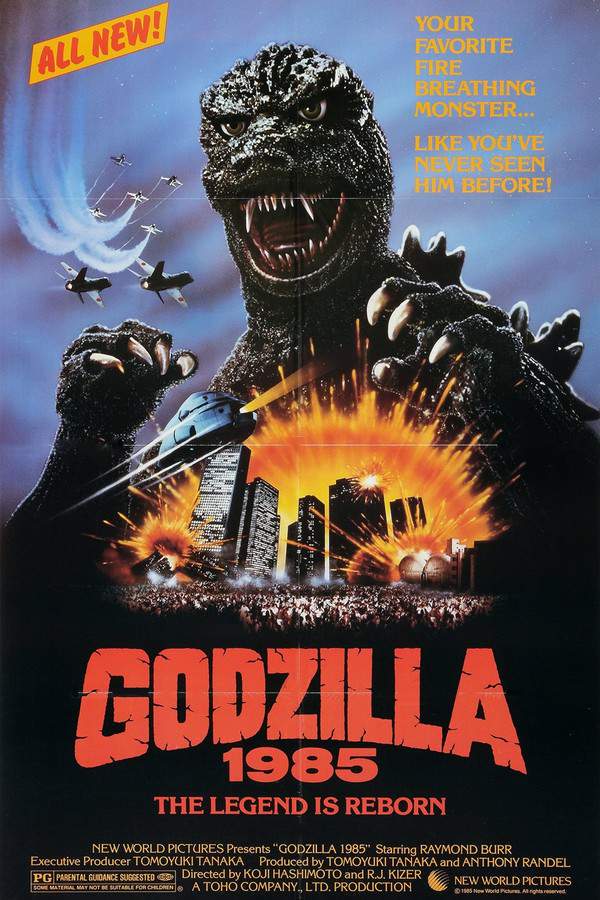
Giant creatures unleash chaos on metropolitan landscapes, testing human survival. Fans of The Return of Godzilla's iconic Tokyo attack will love these films. This collection features movies with similar large-scale urban destruction, where giant monsters or forces unleash chaos, focusing on epic spectacle and desperate human survival amidst the rubble.

  • destructive
  • apocalyptic
  • spectacle
  • desperate
  • survival
  • chaotic
  • Tone: destructive, desperate, spectacular
  • Pacing: fast-paced, action-packed
Why these movies?

The story pattern: The plot often follows a straightforward path: the emergence of a threat, its inevitable journey toward a populated center, and a prolonged, devastating assault on the city. The narrative serves the spectacle, with human characters providing a ground-level perspective on the incomprehensible scale of the destruction.

Why they belong together: These films are connected by their emphasis on spectacular, city-wide destruction, the visceral thrill and horror of a massive entity attacking human civilization, and a focus on survival and disaster response on a grand scale.

If you liked this

Movies Like The Return of Godzilla

Similar movies to The Return of Godzilla: the same genre, themes or kind of story. Each one comes with its own plot summary, timeline and ending explained.

Browse all movie summaries

Every angle

The Return of Godzilla (1984) Explained: Plot, Timeline & Characters

Everything about The Return of Godzilla in one place: what happens in the plot summary, the timeline in chronological order, the characters and meaning and a spoiler-free summary. What's After the Movie adds the cast, box office and post-credit scenes.

Coming soon on iOS and Android

The Plot Explained Movie Summary App

Plot summaries, endings explained and timelines on your phone. Catch up on any movie in minutes, save your favorites and never miss a twist again.

Be the first to know when we launch. Your email stays private, always.

Learn more about the app