Plot Explained Spoilers guaranteed!
Plot Explained

Browse by genre

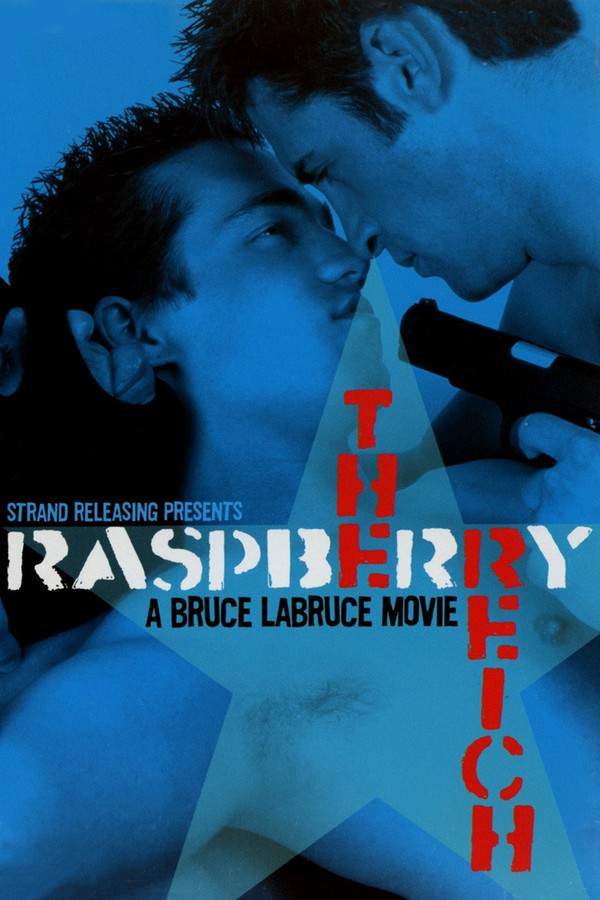
The Raspberry Reich (2004) movie poster

Characters & Themes

The Raspberry Reich (2004) Characters, Setting & Themes Explained

Release, runtime and language
2004 · 90 min · English
Directed by
Bruce La Bruce

A charismatic leader inspires a provocative and subversive sexual revolution among her followers, encouraging men to challenge conventional norms and embrace same-sex intimacy. As the movement gains momentum, societal boundaries are tested and traditional values are overturned, leading to chaotic and humorous consequences. The film explores themes of liberation and the disruption of established social structures through a raucous and unconventional narrative.

On this page (7)
  1. 1 Characters explained (3)
  2. 2 Where & when it takes place
  3. 3 Themes & meaning (3)
  4. 4 Character & meaning questions
  5. 5 Movie threads
  6. 6 Movies like The Raspberry Reich
  7. 7 Every angle

3 main characters · contains spoilers

The Raspberry Reich Characters Explained: Who Is Who

The main characters of The Raspberry Reich (2004), heroes and villains: what drives them, how they change over the course of the story and what each of them reveals about the film's bigger ideas.

  • Patrick

    Patrick, heir to a wealthy industrialist family, becomes the catalyst for a series of events following his abduction. His character symbolizes the struggle between personal freedom and societal expectations, portraying a journey from privilege to vulnerability amidst chaos. He ultimately transitions into a life of audacious crime, highlighting a stark departure from his origins.

    • 🏖️ Wealth
    • 🏃‍♂️ Escapism
    • 🚨 Crime
  • Gudrun

    Gudrun is a passionate and controlling figure, who fervently advocates for personal fulfillment within the revolutionary movement. Her intense personality drives the group but also leads to their eventual disintegration, reflecting the challenges of leadership in trying times. Her desire for a new generation, symbolized by her child Ulrike, represents hope for future change.

    • 💥 Leadership
    • 👩‍👧 Familial
    • 🎤 Advocacy
  • Che

    Che transforms from a revolutionary to a proficient terrorist trainer, embodying the harsh realities of ideological commitment. His evolution raises questions about the extent to which one is willing to go for their beliefs, and the various forms activism can take amidst global unrest.

    • 🌍 Activism
    • 🔫 Violence
    • ⚔️ Transformation

Last updated: October 22, 2024 at 23:15

Was this helpful?

Setting

Where and When Does The Raspberry Reich Take Place?

The setting of The Raspberry Reich (2004): the year and time period, the places and locations, and how they shape the characters, the mood and the tension of the story.

Time period

The movie addresses themes of revolution and societal upheaval, indicative of a period marked by political activism and civil unrest. This backdrop is essential for understanding the motivations of the characters as they grapple with personal and collective ideals in a rapidly changing world.

Location

Urban settings, Middle East

The urban settings serve as a backdrop for the revolutionary fervor and chaotic relationships that unfold in the story. These environments are filled with tension and turmoil, reflective of the characters' internal struggles and their quest for radical change. The Middle East, mentioned in the context of Che's transformation, symbolizes a hotspot for political conflict and activism.

  • 🌆 City
  • 🌍 Global

Last updated: October 22, 2024 at 23:15

Was this helpful?

3 major themes

The Raspberry Reich Meaning: Themes & Message Explained

What is The Raspberry Reich (2004) really about? The emotional, social and philosophical themes the film keeps returning to, its symbolism and the message beneath the surface.

  • Revolution

    Revolution is a central theme, as the characters seek to redefine social norms and engage in radical actions to bring about change. Gudrun's call to prioritize personal desires alongside political goals showcases the clash between individualism and collective resistance, making the theme deeply relatable yet complex.

  • Relationships

    The film intricately explores the nature of relationships, depicting both the intensity of passion and the fragility of unity. As the characters navigate their connections, we see how personal dynamics can influence collective movements, highlighting the oft-ignored emotional aspects of political struggles.

  • Identity

    Identity plays a crucial role in the narrative, particularly in the context of sexuality and personal autonomy. Gudrun's soliloquy resonates with the push towards embracing one's individuality in the face of societal expectations, advocating for a redefining of identity through revolutionary thought.

Last updated: October 22, 2024 at 23:15

Was this helpful?

Character & theme questions

The Raspberry Reich Characters & Meaning: Your Questions Answered

The questions people ask about The Raspberry Reich (2004): who the characters really are, their relationships, what the symbols mean, where it takes place and what the movie is really about. Each answer contains spoilers.

Q1

What are the main settings in the film?

The film takes place primarily in urban settings that serve as the backdrop for the revolutionary movement and chaotic relationships. The Middle East is also referenced, particularly in Che's storyline, where it symbolizes a hotspot for political conflict and activism. These environments reflect the characters' internal struggles and their quest for radical change.

  • urban settings
  • middle east
  • locations
  • setting
  • city
Q2

What time period does the film take place in?

While no specific year is given, the film addresses themes of revolution and societal upheaval that reflect periods of political activism and civil unrest. The setting mirrors eras of significant social transformation, where characters grapple with personal and collective ideals in a rapidly changing world.

  • time period
  • era
  • revolution
  • historical context
Q3

What does the film say about revolution?

Revolution is a central theme, with characters seeking to redefine social norms through radical actions. Gudrun's call to prioritize personal desires alongside political goals showcases the clash between individualism and collective resistance. The film explores how revolutionary movements often face internal conflicts between personal fulfillment and political ideology.

  • revolution
  • social norms
  • radical change
  • political activism
  • uprising
Q4

How does the film approach identity and sexuality?

Identity plays a crucial role, particularly in the context of sexuality and personal autonomy. The film advocates for embracing individuality in the face of societal expectations, using revolutionary thought to redefine identity. Gudrun's advocacy for personal fulfillment encourages followers to challenge conventional norms and embrace same-sex intimacy as part of their liberation.

  • identity
  • sexuality
  • personal autonomy
  • self-discovery
  • liberation
Q5

How does the film explore relationships?

The film intricately depicts relationships, showing both the intensity of passion and the fragility of unity. Personal dynamics heavily influence the collective movement, highlighting the emotional aspects often ignored in political struggles. As characters navigate their connections, the film reveals how love, jealousy, and desire can both strengthen and fracture revolutionary groups.

  • relationships
  • love
  • passion
  • unity
  • emotional struggle
Q6

Who is Gudrun and what is her role in the story?

Gudrun is a passionate and controlling figure who leads the revolutionary movement, advocating for personal fulfillment within the group. Her intense personality drives the collective but also contributes to their eventual disintegration, reflecting the challenges of leadership in turbulent times. Her desire for a new generation, symbolized by her child Ulrike, represents hope for future change.

  • gudrun
  • leader
  • revolutionary
  • movement
  • control
  • ulrike
Q7

Who is Che and what is his character arc?

Che transforms from a revolutionary activist to a proficient terrorist trainer, embodying the harsh realities of ideological commitment. His evolution raises questions about the extent people are willing to go for their beliefs and the various forms activism can take amidst global unrest. His journey represents the radicalization possible within revolutionary movements.

  • che
  • revolutionary
  • terrorist
  • transformation
  • ideology
  • activism
Q8

Who is Patrick and what is his significance?

Patrick is an heir to a wealthy industrialist family who becomes the catalyst for events following his abduction. His character symbolizes the struggle between personal freedom and societal expectations, portraying a journey from privilege to vulnerability. He ultimately transitions into a life of audacious crime, highlighting a stark departure from his origins.

  • patrick
  • heir
  • wealthy
  • abduction
  • crime
  • privilege
Q9

What is the tone of the film given its serious themes?

The film employs a darkly comedic, high-camp tone to explore heavy, politically charged subject matter. While themes involve abduction, terrorism, and societal upheaval, the presentation through humor prevents the material from being overwhelmingly tragic. This creates a complex emotional experience where the comedy both mocks and amplifies the serious undertones of revolution and liberation.

  • tone
  • comedy
  • satire
  • dark humor
  • camp
  • political critique
Q10

What happens to the main characters by the end?

The film features multiple character arcs with divergent endings, reflecting the varied fates possible within revolutionary movements. Some characters find happiness in unconventional relationships, while others pursue more drastic, violent paths including terrorist training and bank heists. The mixed ending reflects how revolutionary fervor leads different individuals to vastly different outcomes.

  • ending
  • character fates
  • resolution
  • outcomes
  • conclusion

Movie threads

More Movies Like The Raspberry Reich, by Mood & Story

Curated lists built around what makes The Raspberry Reich tick: the same mood, the same kind of story or the same emotional payoff. Each list explains why these movies belong together.

Subversive societal comedies like The Raspberry Reich

Dark comedies that use chaos and humor to dismantle rigid social structures. Find movies like The Raspberry Reich that use dark comedy and chaos to satirize and dismantle societal norms. This section features similar provocative films focused on queer liberation, political extremism, and the humorous breakdown of conventions.

  • subversive
  • chaotic
  • provocative
  • satirical
  • unconventional
  • passionate
  • Tone: dark, provocative, humorous
  • Pacing: fast, chaotic
Why these movies?

The story pattern: Narratives in this thread follow charismatic, unconventional groups or individuals who instigate a revolution against societal norms. The story is propelled by escalating acts of provocation, leading to chaotic consequences and a mixed-resolution that reflects the fractured nature of their rebellion.

Why they belong together: Movies are grouped here for their shared commitment to using dark comedy as a tool for subversion. They possess a high-intensity, fast-paced vibe, a provocative tone, and a core theme of challenging authority and tradition through chaotic, often humorous, means.

Movies about fractured utopias like The Raspberry Reich

Stories about radical groups whose idealism leads to chaotic and mixed outcomes. If you liked The Raspberry Reich's exploration of a radical sexual revolution, discover similar movies about revolutionary groups and fractured utopias. These films feature found families, political extremism, and complex narratives with mixed endings.

  • passionate
  • unconventional
  • chaotic
  • ideological
  • found family
  • oppressive
  • Tone: passionate, chaotic, dark
  • Pacing: fast, variable
Why these movies?

The story pattern: The narrative pattern follows the rise and fall of a close-knit, radical community. It begins with a powerful, unifying ideal and the formation of intense bonds, but internal pressures and external conflicts test the group's unity, leading to a splintering of paths and a fundamentally mixed conclusion for its characters.

Why they belong together: These films share a focus on the dynamics of radical idealism within a group setting. They are connected by themes of liberation, the concept of a found family, high complexity in character arcs, and an emotionally medium-weight story that ends on a mixed, rather than purely tragic or happy, note.

If you liked this

Movies Like The Raspberry Reich

Similar movies to The Raspberry Reich: the same genre, themes or kind of story. Each one comes with its own plot summary, timeline and ending explained.

Browse all movie summaries

Every angle

The Raspberry Reich (2004) Explained: Plot, Timeline & Characters

Everything about The Raspberry Reich in one place: what happens in the plot summary, the timeline in chronological order, the characters and meaning and a spoiler-free summary. What's After the Movie adds the cast, box office and post-credit scenes.

Coming soon on iOS and Android

The Plot Explained Movie Summary App

Plot summaries, endings explained and timelines on your phone. Catch up on any movie in minutes, save your favorites and never miss a twist again.

Be the first to know when we launch. Your email stays private, always.

Learn more about the app