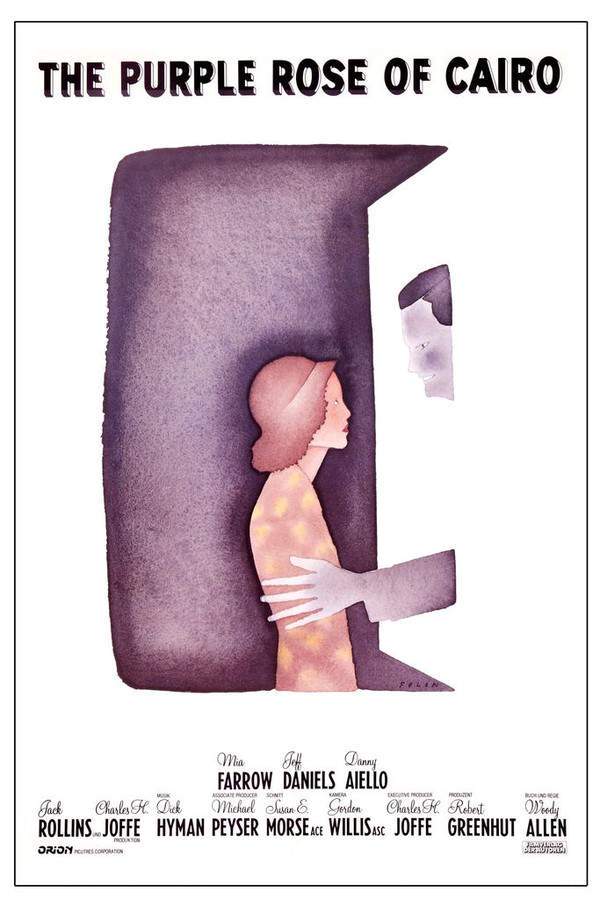
The Purple Rose of Cairo
Year: 1985
Runtime: 82 min
Language: English
During the Depression in 1930s America, Cecilia escapes her difficult marriage and finds comfort in movie theaters. Her life is unexpectedly altered when Tom Baxter, a character from "The Purple Rose of Cairo," steps out of the film and into her world. This extraordinary event sparks an unusual romance and blurs the lines between fiction and reality, challenging Cecilia's perception of love and existence.
Where to Watch The Purple Rose of Cairo?
Find where to stream, rent, or buy The Purple Rose of Cairo (1985) in the US with current JustWatch availability, up-to-date pricing, and platform listings for subscription, rental, and digital purchase options.










Warning: spoilers below!
Haven’t seen The Purple Rose of Cairo yet? This summary contains major spoilers. Bookmark the page, watch the movie, and come back for the full breakdown. If you're ready, scroll on and relive the story!
The Purple Rose of Cairo (1985) – Full Plot Summary & Ending Explained
Read the complete plot breakdown of The Purple Rose of Cairo (1985), including all key story events, major twists, and the ending explained in detail. Discover what really happened, and what it all means.
In the midst of the Great Depression, Cecilia, a dedicated waitress in New Jersey, finds herself engulfed in the challenges posed by her demanding job and a troubled marriage to Monk, whose constant infidelity casts a shadow over her life. Her sole escape lies within the captivating allure of classic films, particularly The Purple Rose of Cairo, which transports her to a world of romance and intrigue. The film’s charismatic archaeologist, Tom Baxter, enchants her as he pursues a glamorous Copacabana singer on screen.
Feeling Cecilia's yearning, Baxter bravely exits the confines of his film existence, inviting her into a fantastic adventure that transcends the boundaries of reality. As they dance beneath a starlit sky, their bond blossoms, only to be interrupted by the chaotic demands of the film's characters, who refuse to continue their roles without Baxter. The frenzied theater manager urgently calls the producer, resulting in the arrival of Gil Shepherd, the actor portraying Baxter, determined to restore order amid the cinematic turmoil.
Their paths cross when Shepherd meets Cecilia, whose affection for Baxter has ignited a newfound strength within her. When Monk discovers their connection, he confronts the two; however, Baxter courageously stands his ground, decisively handling the abusive husband. Despite Monk’s malevolence pushing her away, Cecilia’s heart remains loyal to Baxter, who has proven his dedication to her.
As the producers of The Purple Rose of Cairo contemplate the destruction of the film's copies post-capture of Baxter, he and Cecilia affirm their commitment, with him leading her back into the vibrant world of the theater. Within these enchanted confines, Baxter defies his scripted fate, unveiling the film's wondrous universe to Cecilia. Just when their love seems destined for a joyful conclusion, Shepherd returns, professing his affections for her. A fierce rivalry ensues between the two men, ultimately leading Cecilia to make her choice—selecting Shepherd while recognizing the profound impact that Baxter has had on her heart, as she chooses to pursue life beyond the silver screen.
As the curtain drops on her tumultuous connection with Monk, Cecilia gathers the strength to sever ties with him for good, believing that Shepherd will whisk her away to the sunny vistas of Tinseltown. Unbeknownst to her, Shepherd has disengaged from his affection, devising a scheme merely to draw Baxter back into the film’s narrative. Settled in the dim theater, Cecilia loses herself in the enchanting magic of Top Hat, escaping the pain and betrayal that now mark her life. The mesmerizing dance sequences of Ginger Rogers and Fred Astaire, accompanied by their classic number "Cheek to Cheek," serve as a comforting embrace, gently coaxing a smile from her as she becomes enveloped in the bliss of cinematic fantasy.
Last updated: November 22, 2024 at 14:15
The Purple Rose of Cairo (1985) Plot Questions Answered – Summary FAQ
Explore frequently asked questions about The Purple Rose of Cairo (1985) with spoiler-rich answers covering the full plot summary, major story beats, character motivations, hidden details, and ending meaning. This movie summary FAQ helps explain confusing scenes, plot twists, and narrative decisions in clear, searchable detail.
Why does Tom Baxter leave the movie screen?
Tom Baxter exits the film because he becomes aware of Cecilia's deep longing and devotion. Having watched her repeatedly come to see The Purple Rose of Cairo, he feels a genuine connection to her and chooses to break free from his scripted existence to be with her in the real world, defying the boundaries between fiction and reality.
Earlier scenes show Cecilia completely absorbed in the film, particularly when Tom's character pursues the glamorous singer, establishing her emotional investment in him.
Why does Cecilia choose Gil Shepherd over Tom Baxter?
Cecilia chooses Gil Shepherd because he represents a tangible, real-world escape from her difficult life. While Tom is a fictional ideal, Gil is a living, breathing actor who can offer her a physical life outside the theater, including the promise of Hollywood and a new beginning in California. She's drawn to the possibility of an actual future rather than a fantasy.
Cecilia's initial attraction to Tom is rooted in her desperate need to escape her bleak reality, which Gil also appears to offer.
Why does Gil Shepherd betray Cecilia?
Gil Shepherd never genuinely loved Cecilia, he was only interested in getting Tom Baxter back into the film to save the production. Once he achieved his goal of luring Tom back, his affection disappeared entirely. His romantic pursuit was a calculated act to restore order to the chaotic film situation, not a sincere connection.
Gil's initial arrival at the theater is motivated by the producer's urgency to restore the film's narrative, not by personal feelings for Cecilia.
What happens to Tom Baxter after Cecilia chooses Gil?
After Cecilia chooses Gil, Tom Baxter returns to the film. When Gil schemes to draw Tom back into the narrative, Tom presumably goes back to playing his role as the archaeologist in The Purple Rose of Cairo. The film's characters originally demanded his return because the story couldn't continue without him.
The film's characters earlier refused to continue their roles without Tom, indicating he must return for the narrative to function.
Why does Cecilia go back to watching movies at the end?
After being abandoned by Gil and freed from her marriage to Monk, Cecilia returns to the theater because movies are her only consistent source of comfort. The final scene shows her watching Top Hat, where the magical dance between Fred Astaire and Ginger Rogers provides her a fleeting escape from her pain, confirming both the consolations and limitations of fantasy as a coping mechanism.
The film opens with Cecilia using cinema as her primary escape from her difficult life, establishing this pattern from the beginning.
What causes Cecilia to finally leave Monk?
Cecilia leaves Monk after she gains confidence from her connection with Tom Baxter, who protected her from Monk's abuse. The turning point comes when Tom stands up to Monk at the theater, showing Cecilia she deserves to be treated with respect. This empowerment, combined with her hope for a future with Gil, gives her the strength to end her troubled marriage.
Monk's infidelity and abusive behavior are established early, showing Cecilia's trapped and unhappy state.
Why do the other characters in The Purple Rose of Cairo refuse to continue?
The other characters in the film refuse to continue because Tom Baxter's departure disrupts the entire narrative. Without their leading man, the story cannot progress, the archaeologist cannot complete his quest without the central conflict. This metafictional chaos forces the producer to intervene, representing the breakdown of the film's internal logic.
The film's plot revolves around Tom's character pursuing the singer, so his absence creates an incomplete story.
What does the ending signify for Cecilia's future?
The ending is bittersweet: Cecilia achieves freedom from her abusive husband and finds temporary solace in cinema, but she remains alone and abandoned by both the fictional ideal (Tom) and the real-world promise (Gil). Her retreat into Top Hat suggests she'll continue living through fantasy rather than facing harsh reality, a poignant commentary on the limitations of escapism.
The meta notes establish the tone as bittersweet from the start, with the narrative complexity centered on reality versus illusion.
How does Monk respond when he sees Tom Baxter?
Monk confronts both Cecilia and Tom Baxter at the theater after discovering their connection. He attempts to assert his authority over Cecilia, but Tom stands up to him and physically defends her against the abusive husband. This confrontation marks the first time someone actively protects Cecilia from Monk's violence.
Monk's pattern of infidelity and abuse is established earlier, making his confrontation inevitable.
How is Tom Baxter able to step out of the movie screen?
The film doesn't explain the mechanics, it's presented as a magical, unexplained event. The story suggests that Cecilia's intense longing and emotional connection to the character somehow 'calls' Tom out of the film. This fantastical premise is central to the movie's exploration of fiction and reality, leaving the mechanism intentionally mysterious.
The film's opening establishes the Depression-era setting and Cecilia's desperate need for escape, making the magical event feel like a manifestation of her desires.

Explore Movie Threads
Discover curated groups of movies connected by mood, themes, and story style. Browse collections built around emotion, atmosphere, and narrative focus to easily find films that match what you feel like watching right now.
Movies where fantasy intrudes upon reality like The Purple Rose of Cairo
Stories where the boundaries between fiction and the real world blur.Discover movies like The Purple Rose of Cairo where fictional characters or fantastical elements bleed into the real world, creating a unique blend of whimsy and poignant reality. If you enjoyed the exploration of illusion versus truth, you'll find similar stories of magical disruption here.
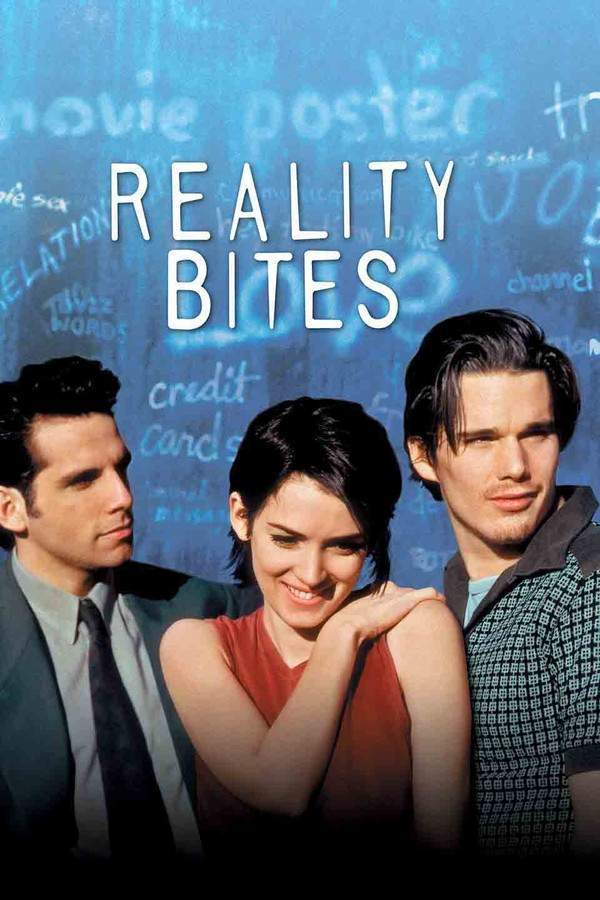
Reality Bites
1994

Big Fish & Begonia
2018
The Purple Rose of Cairo
1985

Ruby Sparks
2012

Phoebe in Wonderland
2009

The Cobbler
2015

Come Away
2020
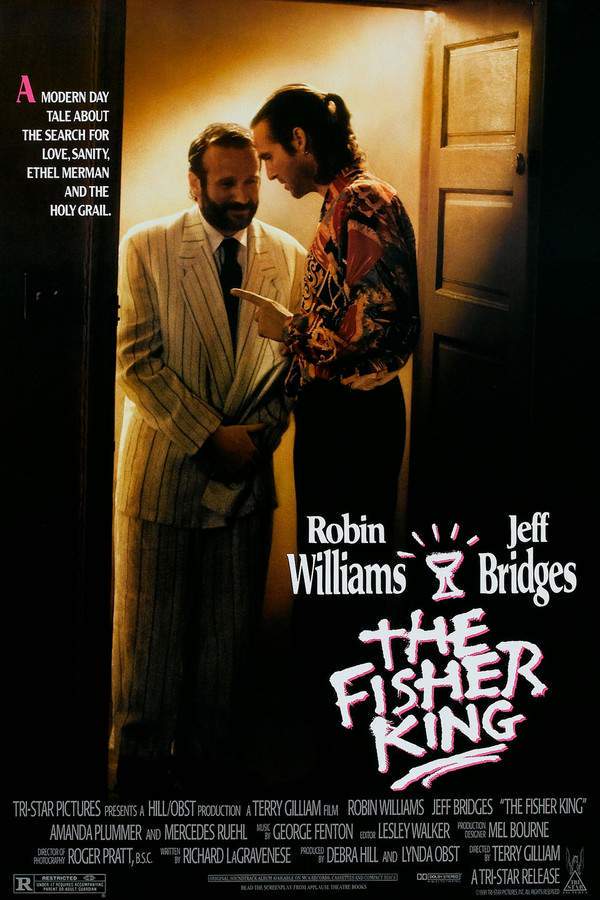
The Fisher King
1991

The Real Blonde
1998
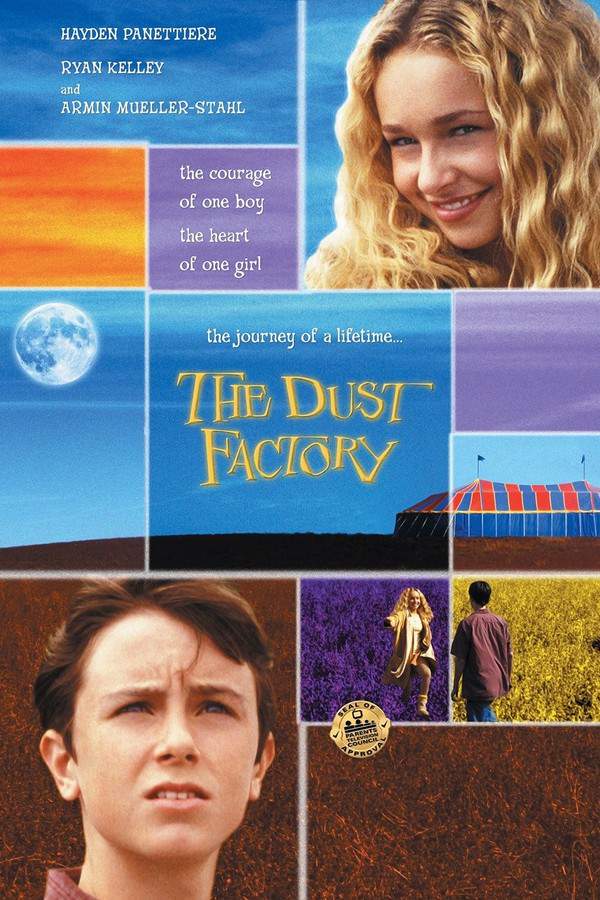
The Dust Factory
2004
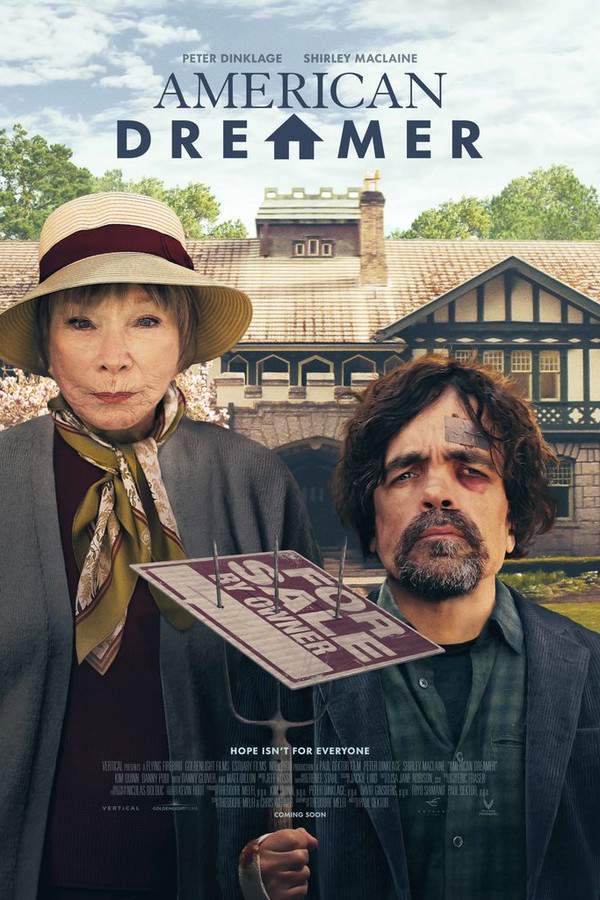
American Dreamer
2024

James vs. His Future Self
2019

Turn Back the Clock
1933

Prelude to a Kiss
1992

Between Two Worlds
1944
Narrative Summary
Narratives in this thread typically begin with an ordinary protagonist seeking escape. A fantastical event, often whimsical at first, disrupts their routine, leading to an initial period of wonder. The central conflict arises as the demands and simplicity of the fantasy clash with the protagonist's complicated real-world problems, culminating in a choice or consequence that emphasizes the bittersweet divide.
Why These Movies?
These films are grouped by their shared central premise of a fictional element entering a realistic setting. They explore similar themes of escapism, disillusionment, and the poignant contrast between idealized narratives and human complexity, making the emotional journey feel coherent.
Movies about cinematic escapism and longing like The Purple Rose of Cairo
Dreamers finding bittersweet refuge in the glow of the silver screen.If you liked The Purple Rose of Cairo's portrayal of finding solace in cinema, explore these movies about melancholic dreamers and the power of escapism. These stories capture the bittersweet feeling of seeking refuge in art and fantasy while grappling with a less-than-ideal reality.

Mister Lonely
2008

Lucky Them
2014
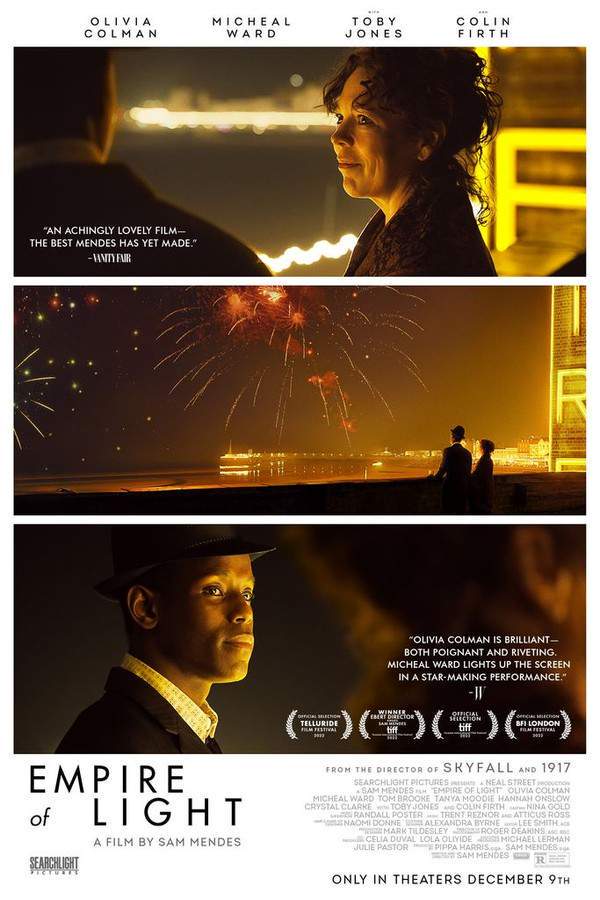
Empire of Light
2022

Happy, Happy
2011

Eternal Sunshine of the Spotless Mind
2004

The Sweet Life
2017

Summer Days, Summer Nights
2021

A Perfect Ending
2012

Happiness
2016

Disappearing Acts
2000

Leaving Metropolis
2002

An Autumn’s Tale
1987

Escape Me Never
1947

Salt on Our Skin
1992

The Hedgehog
2009
Narrative Summary
The narrative pattern follows a lonely or dissatisfied protagonist who finds temporary peace and meaning in a passive form of escape, like going to the movies. Their engagement with this fantasy world deepens, sometimes intersecting with their reality in transformative ways. The emotional journey typically circles back to the painful but necessary acknowledgment of reality's demands, often leaving the protagonist with a matured, bittersweet appreciation for both the escape and the real world.
Why These Movies?
These movies share a specific mood of nostalgic yearning and a central theme of using fiction as a coping mechanism. They are connected by a bittersweet tone, a medium emotional weight, and a focus on the quiet, introspective moments of characters dreaming of a better life.
Unlock the Full Story of The Purple Rose of Cairo
Don't stop at just watching - explore The Purple Rose of Cairo in full detail. From the complete plot summary and scene-by-scene timeline to character breakdowns, thematic analysis, and a deep dive into the ending - every page helps you truly understand what The Purple Rose of Cairo is all about. Plus, discover what's next after the movie.
The Purple Rose of Cairo Timeline
Track the full timeline of The Purple Rose of Cairo with every major event arranged chronologically. Perfect for decoding non-linear storytelling, flashbacks, or parallel narratives with a clear scene-by-scene breakdown.

Characters, Settings & Themes in The Purple Rose of Cairo
Discover the characters, locations, and core themes that shape The Purple Rose of Cairo. Get insights into symbolic elements, setting significance, and deeper narrative meaning - ideal for thematic analysis and movie breakdowns.


Similar Movies to The Purple Rose of Cairo
Discover movies like The Purple Rose of Cairo that share similar genres, themes, and storytelling elements. Whether you’re drawn to the atmosphere, character arcs, or plot structure, these curated recommendations will help you explore more films you’ll love.
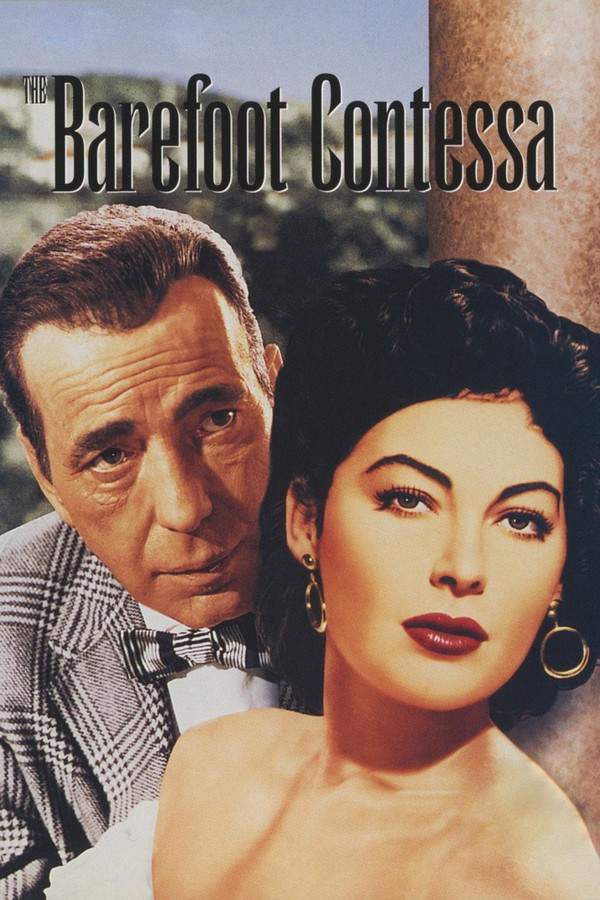
The Barefoot Contessa
1954

Café Society
2016
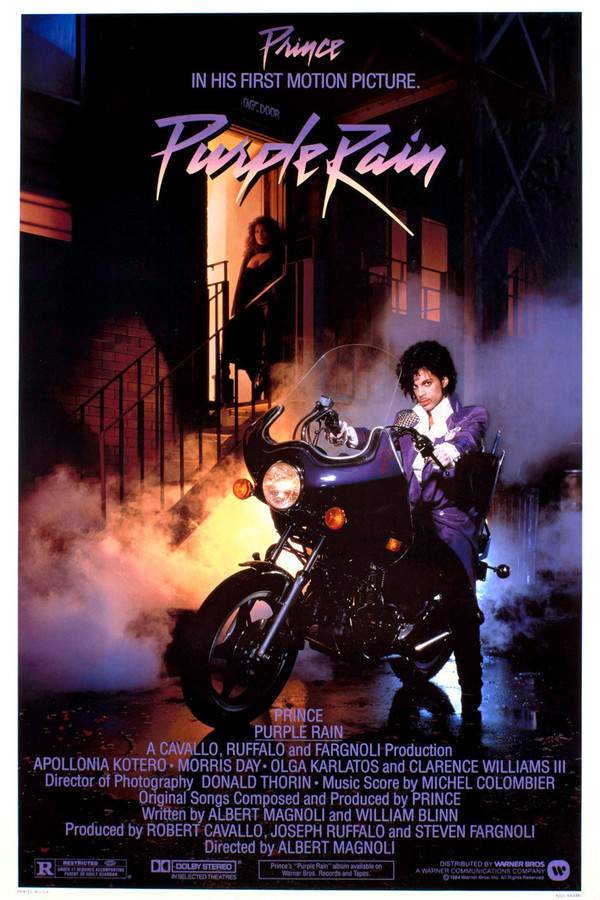
Purple Rain
1984

An American in Paris
1951

Dream a Little Dream
1989
Auggie Rose
2001

Purple Violets
2007

Rambling Rose
1991

American Dreamer
1984

The Rose Of Baghdad
1949

Bed of Roses
1933

What Happened To Rosa
1920
Cairo
1942

Orchids and Ermine
1927

Rose of Washington Square
1939
Explore More About Movie The Purple Rose of Cairo
The Purple Rose of Cairo (1985) Scene-by-Scene Movie Timeline
The Purple Rose of Cairo (1985) Movie Characters, Themes & Settings
The Purple Rose of Cairo (1985) Spoiler-Free Summary & Key Flow
Movies Like The Purple Rose of Cairo – Similar Titles You’ll Enjoy
The Barefoot Contessa (1954) Full Movie Breakdown
Café Society (2016) Story Summary & Characters
Purple Rain (1984) Complete Plot Breakdown
An American in Paris (1951) Full Summary & Key Details
Dream a Little Dream (1989) Spoiler-Packed Plot Recap
Auggie Rose (2001) Detailed Story Recap
Purple Violets (2007) Detailed Story Recap
Rambling Rose (1991) Film Overview & Timeline
American Dreamer (1984) Full Movie Breakdown
The Rose Of Baghdad (1949) Movie Recap & Themes
Bed of Roses (1933) Story Summary & Characters
What Happened To Rosa (1920) Movie Recap & Themes
Cairo (1942) Movie Recap & Themes
Orchids and Ermine (1927) Full Movie Breakdown
Rose of Washington Square (1939) Detailed Story Recap