
Rose of Washington Square
Year: 1939
Runtime: 86 mins
Language: English
Director: Gregory Ratoff
Set in the Roaring Twenties, the film follows singer Rose Sargent as she rises to fame on the Ziegfeld Follies while her husband’s criminal activities drag him deeper into trouble. It features musical numbers performed by the stars of “In Old Chicago” and “Alexander’s Ragtime Band,” highlighting a 1939 hit soundtrack.
Warning: spoilers below!
Haven’t seen Rose of Washington Square yet? This summary contains major spoilers. Bookmark the page, watch the movie, and come back for the full breakdown. If you're ready, scroll on and relive the story!
Rose of Washington Square (1939) – Full Plot Summary & Ending Explained
Read the complete plot breakdown of Rose of Washington Square (1939), including all key story events, major twists, and the ending explained in detail. Discover what really happened, and what it all means.
Ted Cotter [Al Jolson], a successful Broadway minstrel performer, spots Rose Sargent [Alice Faye] performing in a vaudeville amateur night and immediately takes a personal and professional interest in her. He helps her climb the ladder of show business as she joins the famed Ziegfeld Follies, and her rising stardom begins to shine brighter with every performance. The pact between dream and drive pulls them into a larger world of entertainment, where talent must contend with nerves, nerves with nerves, and the ever-watchful gaze of audiences hungry for spectacle.
Cotter has troubles with his own act. One night, emboldened by alcohol, a meek Whitey Boone [Hobart Cavanaugh] heckles Cotter from a box seat. The crowd loves the moment, mistaking it for part of the show, and the feedback lights up the room as if it were all deliberate. Cotter later learns that his manager Harry Long [William Frawley] has quietly hired the little man as a permanent part of the act, complicating both his professional plans and his private feelings toward Rose.
Rose does not recognize Ted's love for her, falling instead for Bart Clinton [Tyrone Power], a gambler and con man whose charm masks a string of shady dealings. Bart’s schemes catch up with him, and after Ted posts his bail, Bart skips town, leaving Rose to nurse her heartbreak and cling to the memory of a love she hasn’t fully admitted she wants. The tension between loyalty and temptation tests Rose’s trust in Ted, even as she continues to deliver performances that carry the weight of both joy and sorrow.
Bart’s misdeeds eventually bring him to the edge of ruin, but a pivotal moment arrives when Bart returns to the Follies and hears Rose tearfully perform the song My Man. The performance touches him in a way that makes him confront the consequences of his choices and the cost of his life with her. He realizes the error of his ways and sets out to make amends, even as the clock ticks toward a harsher fate.
As the story moves toward its end, Bart is sent away for a five-year prison sentence, and Rose, with steadfast hope, voices a vow that carries through the distance and longing: > I’ll be waiting, darling!
Last updated: February 24, 2026 at 09:27
Rose of Washington Square (1939) Plot Questions Answered – Summary FAQ
Explore frequently asked questions about Rose of Washington Square (1939) with spoiler-rich answers covering the full plot summary, major story beats, character motivations, hidden details, and ending meaning. This movie summary FAQ helps explain confusing scenes, plot twists, and narrative decisions in clear, searchable detail.
Why does Rose fall for Bart instead of Ted?
Rose is drawn to Bart's charm and mystery, which contrast with Ted's steady but unassuming nature. While Ted silently supports her career from the background, Bart represents the excitement and risk she finds alluring. Rose doesn't consciously recognize Ted's devotion, making her gravitate toward the more dangerous romance despite Ted's proven loyalty.
Early scenes show Rose responding to excitement and spectacle, hinting at her attraction to Bart's risky lifestyle.
Why does Ted continue helping Rose even though she doesn't love him back?
Ted's love for Rose is genuine and selfless. Even after she chooses Bart, he cannot abandon her dreams or her wellbeing. His mentorship stems from genuine talent recognition and deep emotional investment, making it impossible for him to walk away despite the personal pain.
Ted spots Rose in amateur night and immediately takes both personal and professional interest, establishing his commitment from the start.
Why does Bart skip town after Ted posts his bail?
Bart knows his criminal activities have caught up with him permanently and that more legal trouble is inevitable. Rather than facing the consequences while tied to Rose's life, he chooses to run, believing escaping is his only option despite leaving Rose heartbreak.
Bart's string of shady dealings and con man lifestyle foreshadow his inability to settle down or face accountability.
What triggers Bart's redemption after hearing My Man?
Hearing Rose perform "My Man" with genuine emotion exposes how deeply she still cares for him despite his flaws. The performance reveals her vulnerability and loyalty, which pierces through Bart's self-serving mindset and awakens his conscience, making him want to become worthy of her love.
The lyrics of "My Man" speak of enduring love for an imperfect man, directly mirroring Rose's situation with Bart.
Why does Rose wait for Bart instead of being with Ted?
Rose's vow to wait reflects her genuine emotional commitment to Bart, despite his flaws. Her love for him is unconditional, and his attempted redemption after hearing her perform solidifies her resolve. Ted's patient support cannot override the emotional connection she feels toward Bart.
Rose's tearful performance of "My Man" demonstrates her unwavering devotion, setting up her later promise to wait.
How does Whitey Boone become part of Ted's act?
After Whitey heckles Ted from a box seat during a drunken moment, the audience mistakes it for intentional comedy and loves the interaction. Manager Harry Long sees potential and secretly hires Whitey as a permanent part of the act, forcing Ted to adapt his performance around the unexpected addition.
The audience's positive reaction to the unscripted moment plants the idea for Harry Long's decision.
Why does Ted post bail for Bart, a criminal?
Ted's primary motivation is protecting Rose from the aftermath of Bart's arrest. By posting bail, he prevents Rose from suffering immediate consequences and gives Bart a chance to straighten out his affairs. Ted acts out of love for Rose rather than any loyalty to Bart himself.
Ted's consistent support of Rose throughout her career demonstrates his willingness to sacrifice for her wellbeing.
What leads to Bart's five-year prison sentence?
Bart's criminal activities as a gambler and con man eventually catch up with him permanently. Despite his attempt at redemption and making amends, the legal system still requires him to face consequences for his past crimes, resulting in the five-year sentence.
Bart's string of shady dealings and his arrest earlier in the film establish a pattern that inevitably leads to this outcome.
Why does Rose break down while performing My Man?
Rose pours her bottled-up emotions about Bart's abandonment into the performance. The song's lyrics about loving a man who leaves resonate with her situation, and performing it publicly releases the grief she's been carrying since Bart fled town.
Rose's continued heartbreak after Bart's departure provides the emotional foundation for this breakthrough performance.

Explore Movie Threads
Discover curated groups of movies connected by mood, themes, and story style. Browse collections built around emotion, atmosphere, and narrative focus to easily find films that match what you feel like watching right now.
Bittersweet Backstage Dramas like Rose of Washington Square
Where the glamour of fame is shadowed by personal sacrifice.Discover movies like Rose of Washington Square that explore the personal costs of fame. If you enjoy stories where showbiz success is tempered by relationship drama and bittersweet choices, this list is for you.

Look for the Silver Lining
1949
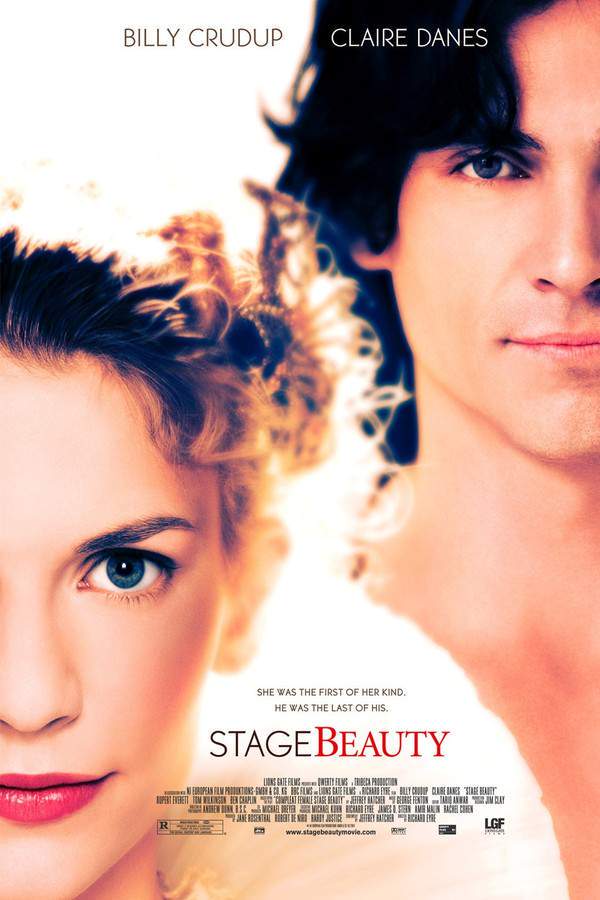
Stage Beauty
2004
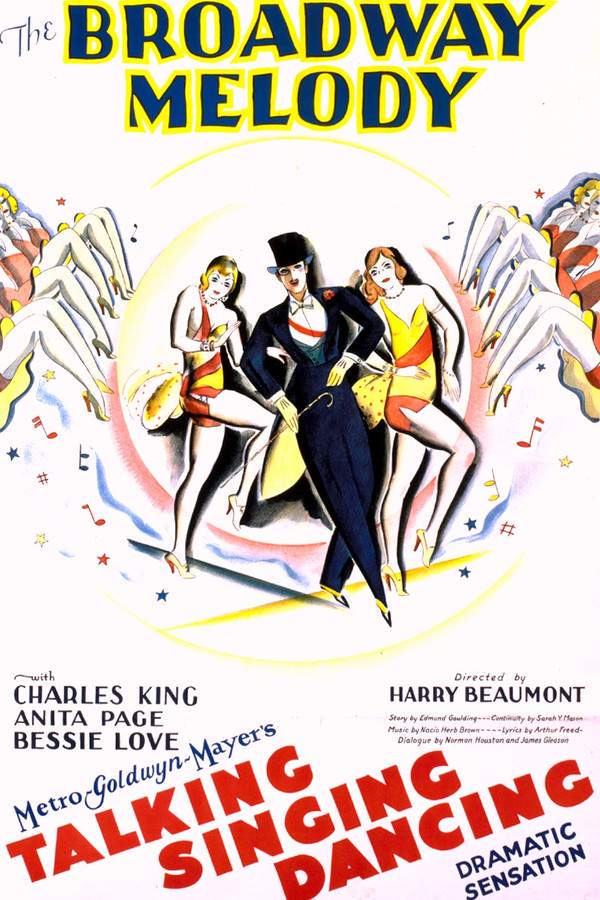
The Broadway Melody
1929
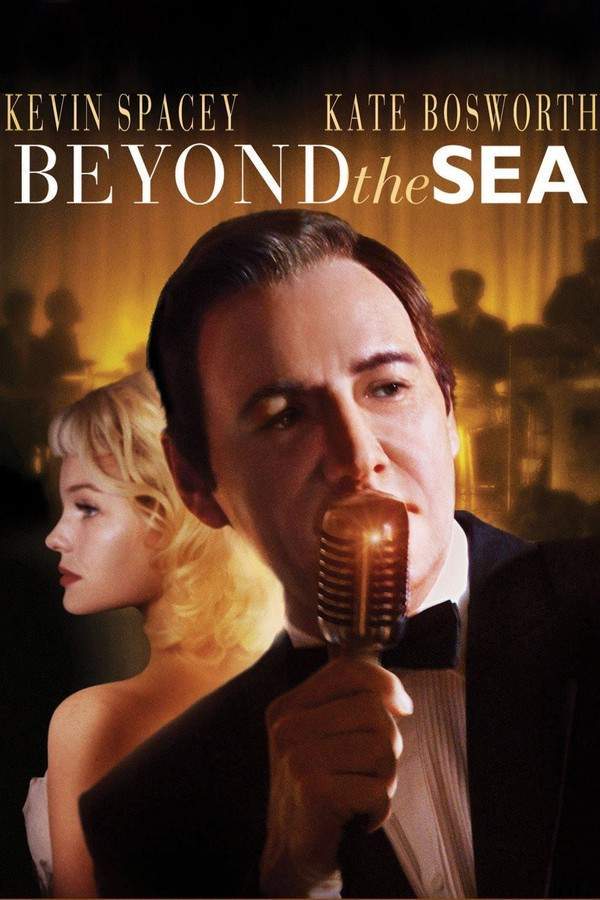
Beyond the Sea
2004
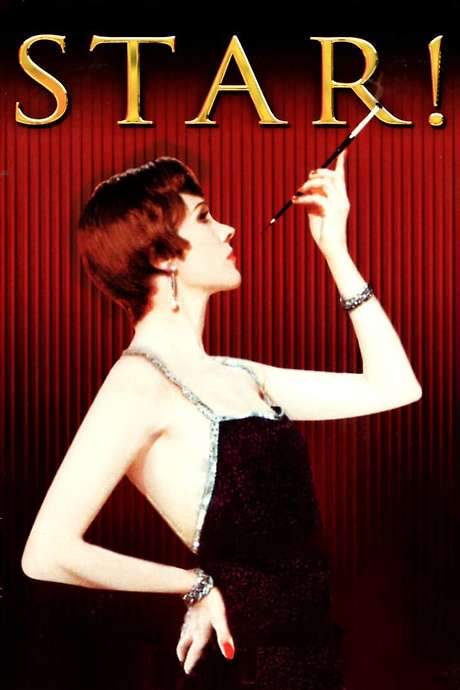
Star!
1968

One Hit Wonder
2025
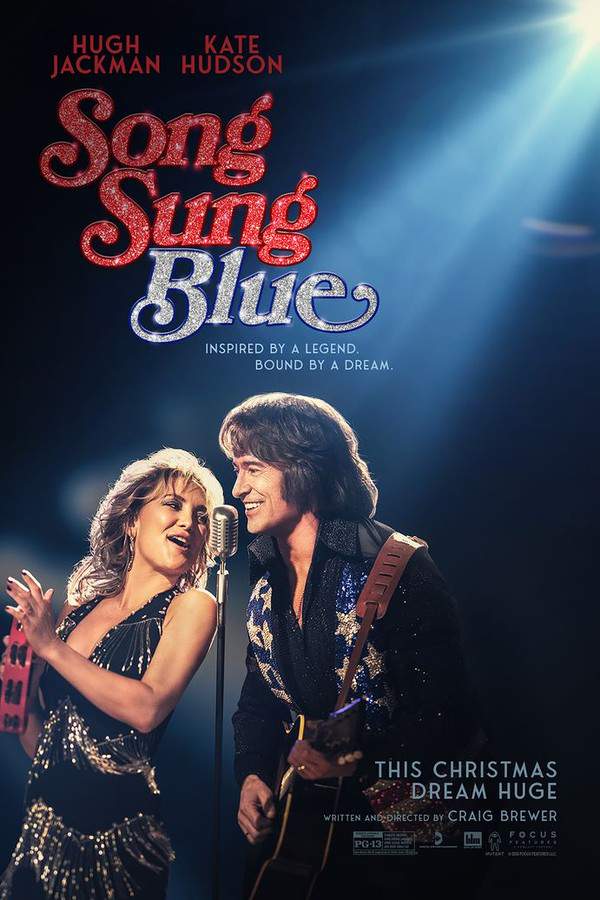
Song Sung Blue
2025

Bituing Walang Ningning
1985

Talentime
2009

Song Sung Blue
2008

Variety Lights
1965

All That Glitters
2010

Tum Se Achcha Kaun Hai
2002

As It Is in Heaven
2004
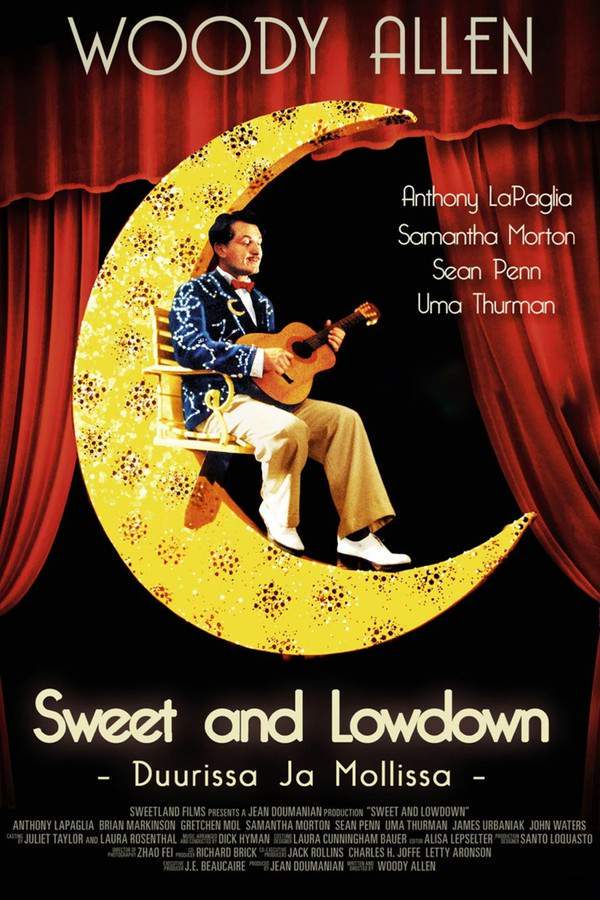
Sweet and Lowdown
1999
Narrative Summary
The narrative follows an artist's rise to prominence, typically in music or performance, while a parallel personal storyline—often involving a troubled relationship or loyalty to a flawed loved one—creates conflict. The central tension is between public achievement and private heartbreak, culminating in a resolution that is hopeful yet touched with loss.
Why These Movies?
These films are grouped by their shared focus on the duality of fame, using a steady, character-driven pace and a bittersweet tone. They balance dramatic emotional weight with moments of levity, creating a poignant yet not overwhelmingly dark viewing experience.
Movies about Love and Redemption like Rose of Washington Square
Loyalty tested and love enduring through a partner's downfall.Find films similar to Rose of Washington Square that feature a strong theme of redemption. If you like stories about loyalty, personal sacrifice, and a hopeful resolution after a partner's criminal struggles, explore these picks.

Where Hope Grows
2015

Role Model
2023

Yesterday’s Hero
1979

Hope Springs Eternal
2018
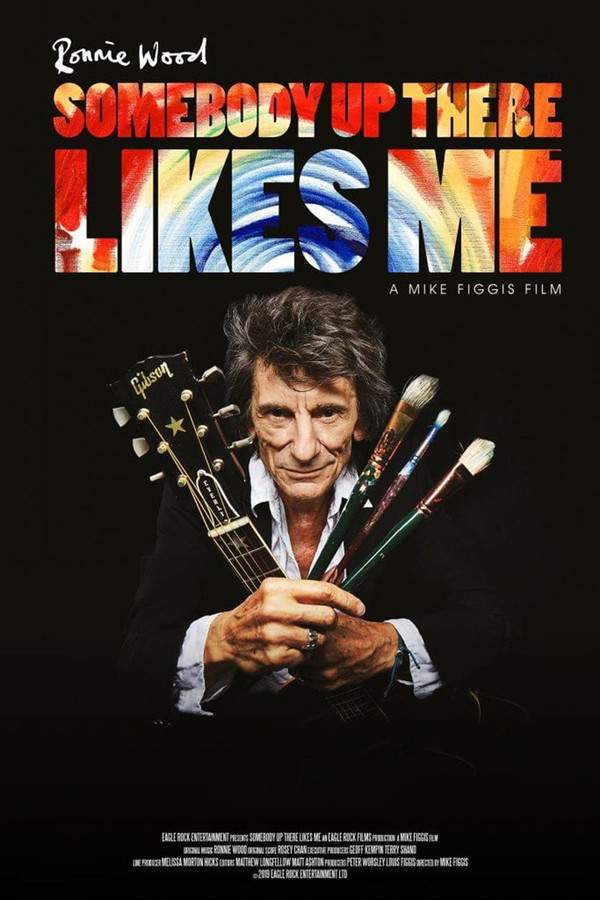
Somebody Up There Likes Me
2013
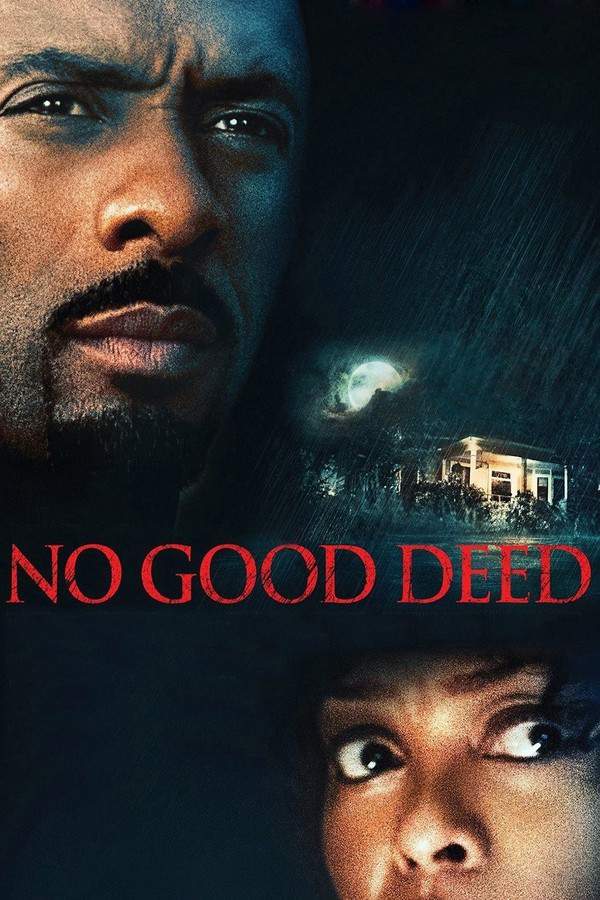
Good Deeds
2012

Comeback Season
2006

Somebody Up There Likes Me
1956
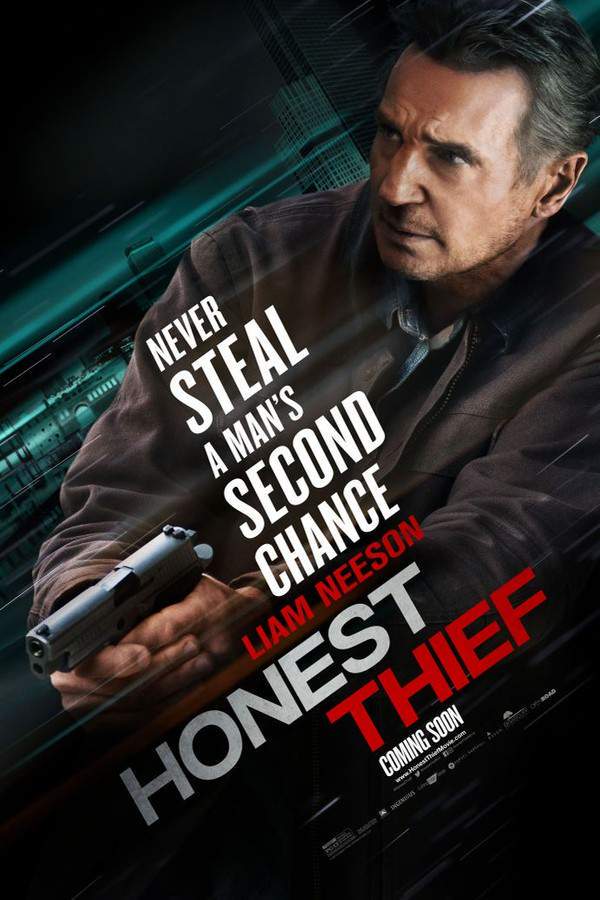
Honest Thief
2020

Scandal Makers
2023

The Blind
2023
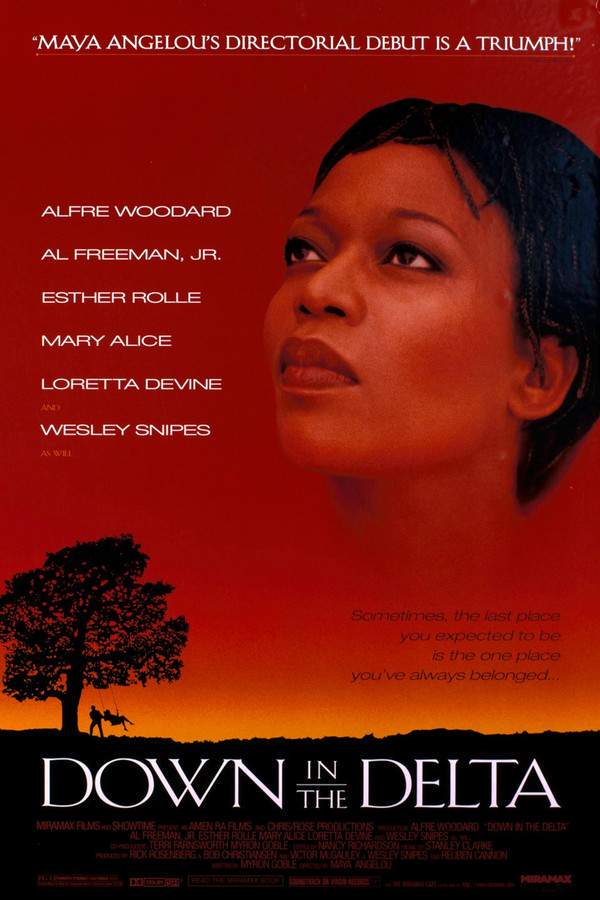
Down in the Delta
1998
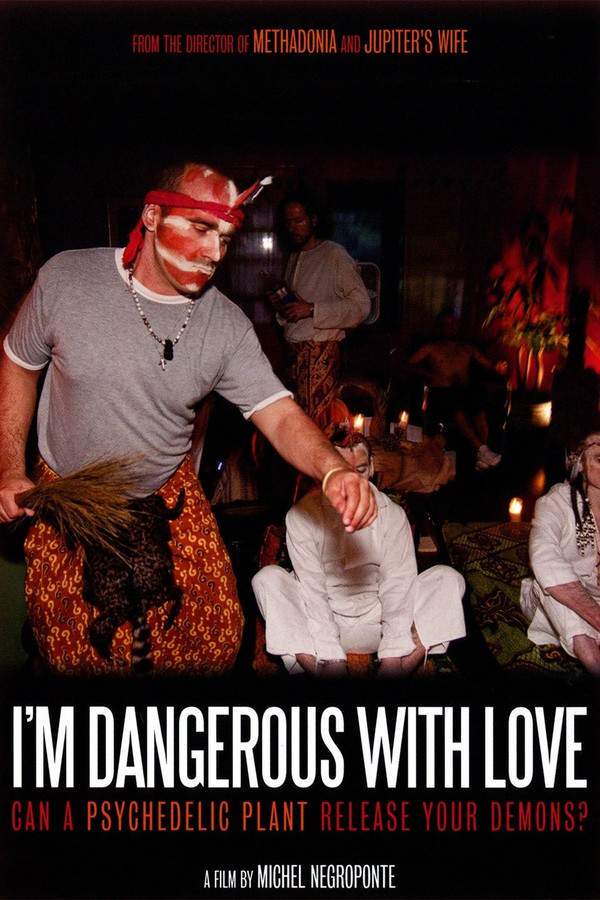
I'm Dangerous with Love
2011

I'm in Love with a Church Girl
2013

Hope Floats
1998
Narrative Summary
The plot revolves around a central relationship where one person's destructive path—often involving crime or addiction—threatens to pull them apart. The other character's steadfast loyalty is severely tested, leading to a crisis point. The narrative concludes with a sense of earned hope and redemption, suggesting that love can pave the way for a second chance.
Why These Movies?
These movies share a core emotional journey centered on faith in another person's goodness, even when it seems lost. They mix dramatic tension with romantic devotion, resulting in a bittersweet but ultimately uplifting feeling that emphasizes hope over despair.
Unlock the Full Story of Rose of Washington Square
Don't stop at just watching - explore Rose of Washington Square in full detail. From the complete plot summary and scene-by-scene timeline to character breakdowns, thematic analysis, and a deep dive into the ending - every page helps you truly understand what Rose of Washington Square is all about. Plus, discover what's next after the movie.
Rose of Washington Square Timeline
Track the full timeline of Rose of Washington Square with every major event arranged chronologically. Perfect for decoding non-linear storytelling, flashbacks, or parallel narratives with a clear scene-by-scene breakdown.

Characters, Settings & Themes in Rose of Washington Square
Discover the characters, locations, and core themes that shape Rose of Washington Square. Get insights into symbolic elements, setting significance, and deeper narrative meaning - ideal for thematic analysis and movie breakdowns.


Similar Movies to Rose of Washington Square
Discover movies like Rose of Washington Square that share similar genres, themes, and storytelling elements. Whether you’re drawn to the atmosphere, character arcs, or plot structure, these curated recommendations will help you explore more films you’ll love.

New York, New York
1977
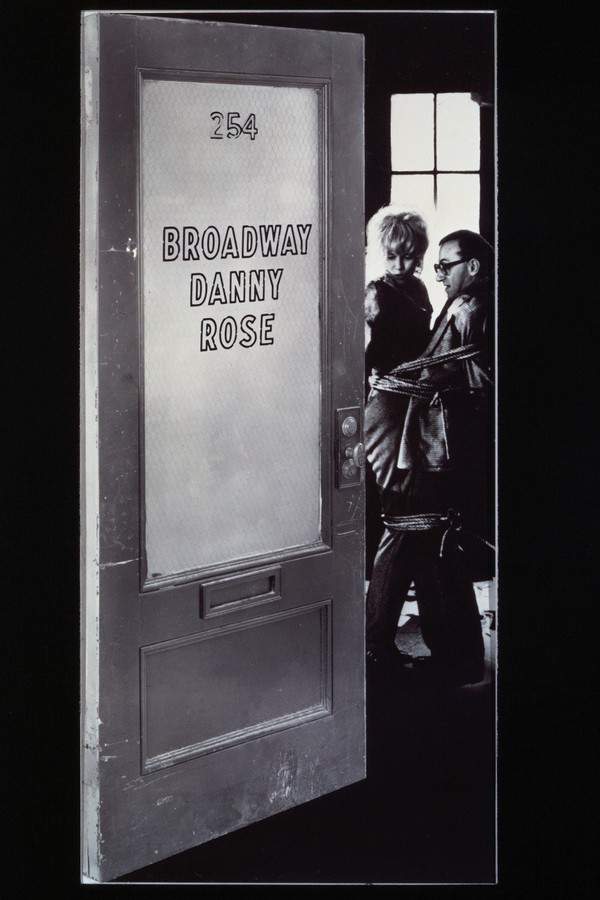
Broadway Danny Rose
1984
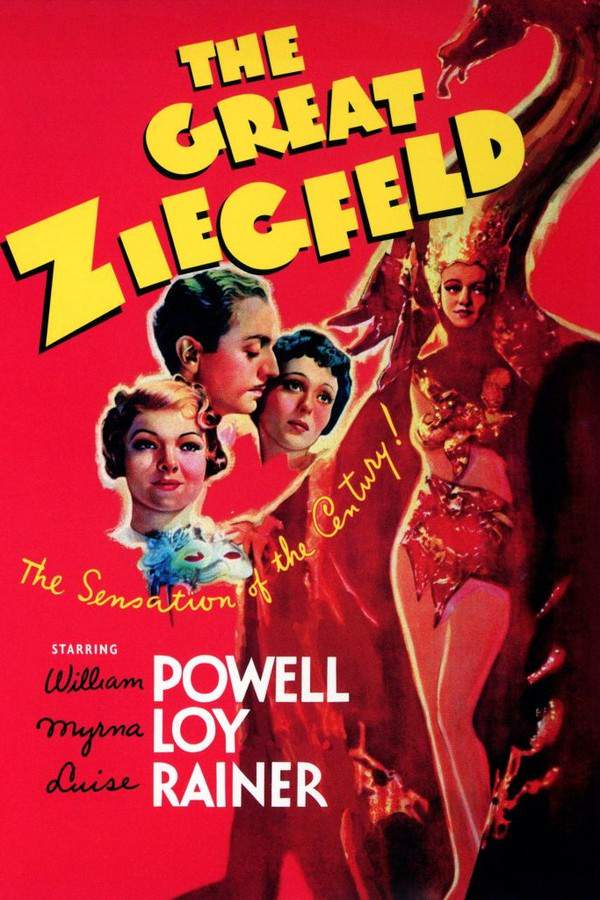
The Great Ziegfeld
1936
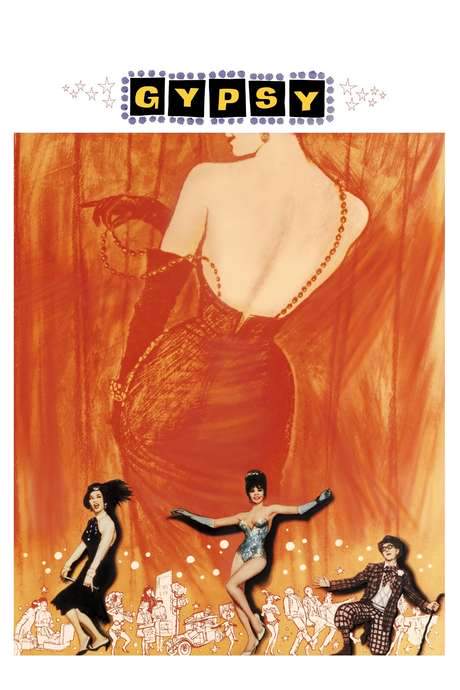
Gypsy
1962

Sweet Rosie O’Grady
1943
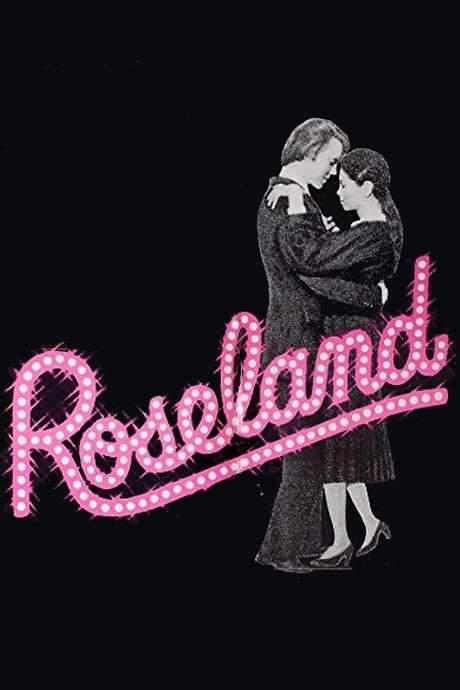
Roseland
1977

On With the Show!
1929

My Wild Irish Rose
1947

Ziegfeld Girl
1941

Washington Square
1997
Roseland
1930

New Faces of 1937
1937

Rose Marie
1936

Glorifying the American Girl
1929

Fox Movietone Follies of 1929
1929
Explore More About Movie Rose of Washington Square
Rose of Washington Square (1939) Scene-by-Scene Movie Timeline
Rose of Washington Square (1939) Movie Characters, Themes & Settings
Rose of Washington Square (1939) Spoiler-Free Summary & Key Flow
Movies Like Rose of Washington Square – Similar Titles You’ll Enjoy
New York, New York (1977) Complete Plot Breakdown
Broadway Danny Rose (1984) Film Overview & Timeline
The Great Ziegfeld (1936) Detailed Story Recap
Gypsy (1962) Full Summary & Key Details
Sweet Rosie O’Grady (1943) Movie Recap & Themes
Roseland (1977) Ending Explained & Film Insights
On With the Show! (1929) Complete Plot Breakdown
My Wild Irish Rose (1947) Plot Summary & Ending Explained
Ziegfeld Girl (1941) Detailed Story Recap
Washington Square (1997) Full Movie Breakdown
Roseland (1930) Plot Summary & Ending Explained
New Faces of 1937 (1937) Full Summary & Key Details
Rose Marie (1936) Story Summary & Characters
Glorifying the American Girl (1929) Plot Summary & Ending Explained
Fox Movietone Follies of 1929 (1929) Film Overview & Timeline