Year: 2007
Runtime: 81 mins
Language: English
Director: John Erick Dowdle
When investigators discover hundreds of videotapes in an abandoned house, the grim footage of torture, murder and dismemberment exposes a serial killer's decade‑long reign of terror, providing the most disturbing collection of evidence ever seen by homicide detectives.
Find where to stream, rent, or buy The Poughkeepsie Tapes (2007) in the US with current JustWatch availability, up-to-date pricing, and platform listings for subscription, rental, and digital purchase options.
Warning: spoilers below!
Haven’t seen The Poughkeepsie Tapes yet? This summary contains major spoilers. Bookmark the page, watch the movie, and come back for the full breakdown. If you're ready, scroll on and relive the story!
Explore the full timeline and setting of The Poughkeepsie Tapes (2007). Follow every major event in chronological order and see how the environment shapes the story, characters, and dramatic tension.
Last updated: October 03, 2025 at 19:34
Meet the key characters of The Poughkeepsie Tapes (2007), with detailed profiles, motivations, and roles in the plot. Understand their emotional journeys and what they reveal about the film’s deeper themes.
Last updated: October 03, 2025 at 19:34
Explore the central themes of The Poughkeepsie Tapes (2007), from psychological, social, and emotional dimensions to philosophical messages. Understand what the film is really saying beneath the surface.
Last updated: October 03, 2025 at 19:34
Browse frequently asked questions about The Poughkeepsie Tapes (2007) focused on characters, relationships, themes, symbols, setting, and story context. This movie info FAQ gives spoiler-aware explanations for character arcs, world details, and thematic interpretation so readers can better understand what the film is really about.
The film centers on Poughkeepsie, New York, where police discovered hundreds of videotapes in an abandoned house. This upstate city becomes the focal point because the location itself, the quiet, ordinary community disrupted by a brutal crime archive, creates a stark contrast between normalcy and the horror of the killer's decade-long reign of terror.
The events unfold across the late 1990s into the early 2000s. The narrative references a 1996 death sentence and a 2001 execution, anchoring the story in this era of forensic scrutiny and intense media attention. The timeframe also includes the 9/11 attacks, which ultimately overshadow public memory of the case.
The film presents the case as a documentary archive, using hundreds of videotapes to reconstruct the killer's path from abduction to post-mortem acts. This approach blurs the line between reportage and sensationalism, showing how evidence is gathered, interpreted, and sometimes contested. The tension lies in what footage reveals versus what investigators can actually prove.
Trauma is a central theme, with victims and their families enduring profound psychological and physical harm. Captives are subjected to captivity, abuse, and lasting scars. The narrative emphasizes that trauma persists beyond the moment of capture, shaping survivors and the community's response. The film shows how violence creates long-term damage that extends far beyond the initial crime.
Edward Carver, whose real name is Ben Messmer, is a meticulous serial killer who hides behind disguises and avoids direct filming. He treats violence as a performative act, rarely revealing his true face on camera. His crimes escalate in brutality, and he uses psychological manipulation to control victims, leaving a disturbing archive of tapes that chronicles his path.
Officer James Foley, whose real name is Bill Bookston, becomes central to the case and is later executed based on circumstantial evidence. After his death, he is posthumously exonerated when the truth emerges. This twist questions the reliability of circumstantial evidence and highlights how the real killer evaded justice while an innocent man was put to death.
Cheryl Dempsey, a teenage victim portrayed by Stacy Chbosky, is subjected to prolonged captivity and abuse. Her mother, Victoria Dempsey, makes a broadcast plea for her daughter's return, but the ordeal ends in tragedy. The film depicts how the killer's control inflicts lasting damage, with Cheryl's experience revealing the psychological complexity of trauma bonding.
The film raises critical questions about justice when the wrong man is blamed by circumstantial evidence, as seen with James Foley's wrongful execution. It shows how real justice may only come in hindsight, and how public memory of a case can be overshadowed by larger national events like the 9/11 attacks. The narrative suggests systemic failures in how evidence is interpreted and suspects are pursued.
The ending is profoundly bleak. The killer is implied to still be active, and the final footage presents an unresolved, immediate threat. The investigation ultimately fails to stop the killer, leaving viewers with a sense of futility and ongoing danger rather than closure or justice served.
The setting emphasizes a quiet community disrupted by a brutal, real-world crime archive. The discovery of the tapes exposes the full scope of the killer's decade-long reign of terror to both investigators and the public. Victoria Dempsey's public plea for her daughter illustrates how the crimes ripple through the community, creating widespread grief and fear.
The film has an unequivocally dark tone, defined by sadism, manipulation, and the profound damage inflicted on victims. Its intensity is HIGH due to unflinching portrayal of extreme violence, torture, and psychological trauma from the killer's perspective. The steady pace methodically unveils increasingly horrific crimes, maintaining a constant state of dread without significant relief.
Discover curated groups of movies connected by mood, themes, and story style. Browse collections built around emotion, atmosphere, and narrative focus to easily find films that match what you feel like watching right now.
Mockumentaries that uncover horrific truths through raw, unsettling footage.If you liked the raw, investigative horror of The Poughkeepsie Tapes, explore more movies that use a found-footage or mockumentary style to uncover chilling crimes and disturbing truths. These films offer a similar sense of grim authenticity and immersive dread.
The narrative typically follows a formal investigation—by journalists, detectives, or documentarians—into a terrifying event. The structure is often built around piecing together evidence, such as video tapes or interviews, revealing the full scope of the horror in a methodical, unsettling manner that often implicates the viewer as a witness.
Movies in this thread are grouped by their shared format and immersive effect. The found-footage or documentary presentation creates a powerful sense of realism, making the horrific events feel more immediate and plausible, while the investigative angle provides a steady, grim pacing.

Stories where psychological trauma leaves a permanent, haunting scar.Fans of The Poughkeepsie Tapes who appreciate its exploration of deep psychological trauma and its profoundly bleak, unresolved ending will find similar narratives here. These movies delve into the lasting scars of horror, often leaving the viewer with a sense of lingering dread.
The narrative journey centers on characters grappling with severe psychological trauma, such as Stockholm syndrome or PTSD. The plot often avoids clean resolutions, instead emphasizing the cyclical or enduring nature of the horror, suggesting that the damage is irreversible and the evil may still be at large.
These films are connected by their shared commitment to a bleak emotional landscape and their focus on the psychology of trauma. They prioritize a heavy, oppressive mood and an ending that offers no catharsis, leaving the audience with a lasting sense of unease and psychological weight.
Don't stop at just watching - explore The Poughkeepsie Tapes in full detail. From the complete plot summary and scene-by-scene timeline to character breakdowns, thematic analysis, and a deep dive into the ending - every page helps you truly understand what The Poughkeepsie Tapes is all about. Plus, discover what's next after the movie.
Read a complete plot summary of The Poughkeepsie Tapes, including all key story points, character arcs, and turning points. This in-depth recap is ideal for understanding the narrative structure or reviewing what happened in the movie.
Track the full timeline of The Poughkeepsie Tapes with every major event arranged chronologically. Perfect for decoding non-linear storytelling, flashbacks, or parallel narratives with a clear scene-by-scene breakdown.
Discover movies like The Poughkeepsie Tapes that share similar genres, themes, and storytelling elements. Whether you’re drawn to the atmosphere, character arcs, or plot structure, these curated recommendations will help you explore more films you’ll love.
The Poughkeepsie Tapes (2007) Plot Summary & Movie Recap
The Poughkeepsie Tapes (2007) Scene-by-Scene Movie Timeline
The Poughkeepsie Tapes (2007) Spoiler-Free Summary & Key Flow
Movies Like The Poughkeepsie Tapes – Similar Titles You’ll Enjoy
V/H/S (2012) Story Summary & Characters
V/H/S/2 (2013) Movie Recap & Themes
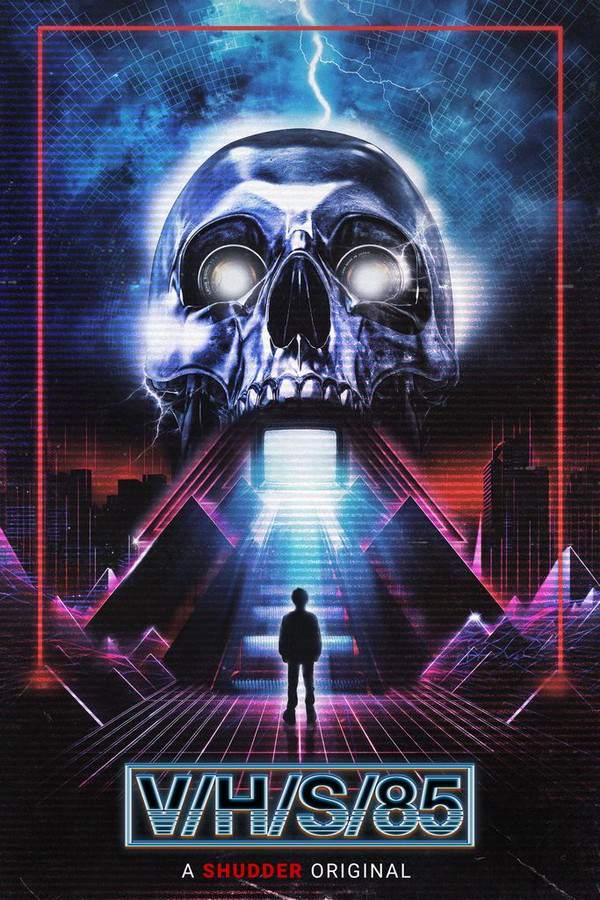
V/H/S/85 (2023) Story Summary & Characters
August Underground (2001) Story Summary & Characters
Video X: Evidence (2003) Movie Recap & Themes
Head Case (2007) Story Summary & Characters
Exhibit A (2007) Film Overview & Timeline
Long Pigs (2007) Movie Recap & Themes
American Crime (2004) Full Movie Breakdown
The Killing Floor (2007) Plot Summary & Ending Explained
Angst (1983) Movie Recap & Themes
Video Murders (1988) Complete Plot Breakdown
Snuff Tapes (2020) Story Summary & Characters
Peeping Tom (1960) Plot Summary & Ending Explained
Man Finds Tape (2025) Film Overview & Timeline