Plot Explained Spoilers guaranteed!
Plot Explained

Browse by genre

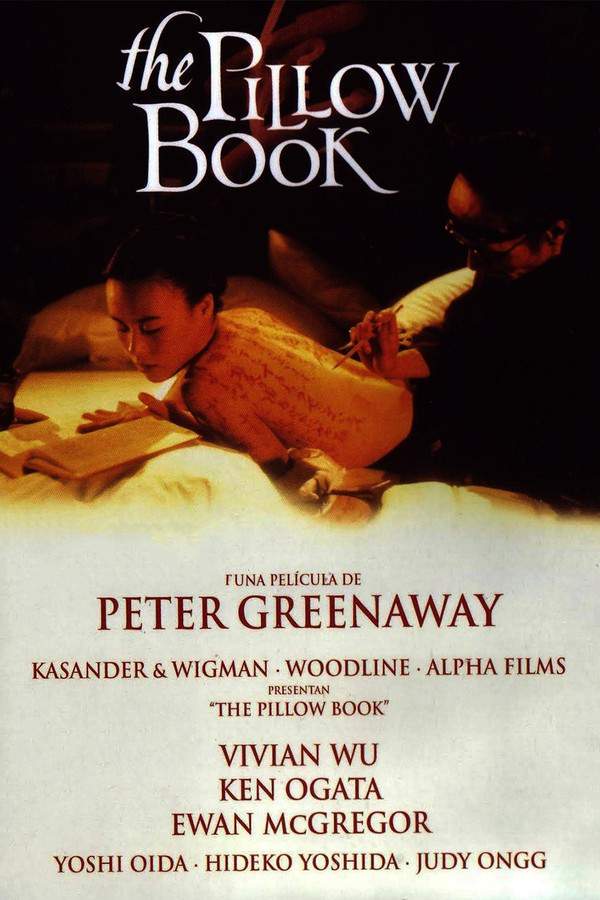
The Pillow Book (1997) movie poster

Characters & Themes

The Pillow Book (1997) Characters, Setting & Themes Explained

Release, runtime and language
1997 · 126 min · English
Loading streaming availability…
Directed by
Peter Greenaway
Starring
Ewan McGregor, Vivian Wu

A young girl's life is profoundly affected by the discovery of delicate calligraphy and the intimate secrets within a noblewoman's diary. Years later, these memories resurface when she encounters a man who becomes both a canvas for her artistic desires and an instrument for revenge. Their complex relationship ignites a sensual journey, exploring themes of love, power, and the search for identity.

On this page (10)
  1. 1 Where to watch
  2. 2 Characters explained (2)
  3. 3 Character relationship map
  4. 4 Where & when it takes place
  5. 5 Themes & meaning (3)
  6. 6 Character & meaning questions
  7. 7 The book behind the movie
  8. 8 Movie threads
  9. 9 Movies like The Pillow Book
  10. 10 Every angle
Loading streaming availability…

2 main characters · contains spoilers

The Pillow Book Characters Explained: Who Is Who

The main characters of The Pillow Book (1997), heroes and villains: what drives them, how they change over the course of the story and what each of them reveals about the film's bigger ideas.

  • Kiyohara Nagiko (Vivian Wu)

    Kiyohara Nagiko is a complex character driven by her desires for love and artistic fulfillment. As a model navigating the world of fashion, she struggles with her identity and the expectations placed upon her. Her journey reveals a passionate yet vulnerable side, showcasing her evolution through pain, betrayal, and ultimately, self-discovery.

    • 👩‍🎨 Protagonist
    • 📚 Artistic
    • 😞 Vulnerable
  • Jerome (Ewan McGregor)

    Jerome is an intriguing British translator who becomes a significant figure in Nagiko's journey. His charm and linguistic flair captivate her, yet he embodies both the potential for connection and the risk of heartbreak. Jerome's character reflects the duality of passion and commitment, ultimately leading to a tragic misunderstanding with Nagiko.

    • 🇬🇧 Translator
    • 🌹 Romantic
    • 💔 Tragic

Last updated: October 30, 2026 at 13:27

Was this helpful?

4 characters · 3 connections · contains spoilers

The Pillow Book Character Relationship Map

Who is connected to whom in The Pillow Book: family, love, friendships, rivalries and hidden ties, colour-coded. Pick a character to see their side of the story, or a connection to see what brings two characters together.

How much of the story to show
KNKiyohara NagikoVivian WuJJeromeEwan McGregorNFNagiko's fatherHHoki

Last updated: October 30, 2026 at 13:27

Was this helpful?

Setting

Where and When Does The Pillow Book Take Place?

The setting of The Pillow Book (1997): the year and time period, the places and locations, and how they shape the characters, the mood and the tension of the story.

Time period

The film's narrative flows through various stages of Nagiko's life, from her childhood in Kyoto to her adult experiences in contemporary Hong Kong. The story encapsulates themes of longing and artistic pursuit across these different life phases, highlighting the evolution of her character against a backdrop of personal and cultural milestones.

Location

Kyoto, Hong Kong, Cafe Typo

Kyoto, known for its historic temples and traditional wooden houses, is a city that deeply influences Nagiko's early years, connecting her to her cultural roots. Hong Kong represents her escape and a new beginning, filled with opportunities for self-discovery. Cafe Typo serves as a pivotal meeting point for Nagiko and Jerome, symbolizing the blend of art and intimacy.

  • 🏯 Historical
  • 🌆 Urban
  • ☕ Café

Last updated: October 30, 2026 at 13:27

Was this helpful?

3 major themes

The Pillow Book Meaning: Themes & Message Explained

What is The Pillow Book (1997) really about? The emotional, social and philosophical themes the film keeps returning to, its symbolism and the message beneath the surface.

  • Desire

    The quest for desire serves as a central theme throughout the film, as Nagiko seeks a lover who can fulfill her emotional and physical yearnings. This exploration is filled with highs and lows, showcasing the complexity of human relationships and the often unfulfilled search for true connection.

  • Artistic Expression

    Art and its expression form a core part of Nagiko's identity. The act of writing and calligraphy represents her emotions, desires, and personal journey, intertwining her experiences of love, loss, and self-realization within the fabric of her creative endeavors.

  • Grief and Betrayal

    The film captures the raw pain of loss and betrayal, stemming from Nagiko's relationships, particularly with Jerome and Yaji-san. These emotional struggles reflect the darker sides of love, driving Nagiko to channel her grief into her writing, which ultimately leads to her personal growth.

Last updated: October 30, 2026 at 13:27

Was this helpful?

Character & theme questions

The Pillow Book Characters & Meaning: Your Questions Answered

The questions people ask about The Pillow Book (1997): who the characters really are, their relationships, what the symbols mean, where it takes place and what the movie is really about. Each answer contains spoilers.

Q1

How does Kyoto shape Nagiko's early life in the movie?

Kyoto serves as Nagiko's childhood home and profoundly influences her early years through its historic temples and traditional wooden houses. The city's deep connection to Japanese cultural roots becomes integral to Nagiko's identity, particularly her appreciation for calligraphy and artistic expression that stems from her upbringing in this traditional environment.

  • kyoto
  • childhood
  • traditional japan
  • cultural roots
  • calligraphy
Q2

What does Hong Kong represent for Nagiko?

Hong Kong represents Nagiko's escape from her past and a new beginning filled with opportunities for self-discovery. As an adult, she moves to this urban environment to pursue her modeling career and explore her artistic desires, making it a contrasting setting to her traditional roots in Kyoto.

  • hong kong
  • escape
  • new beginning
  • self-discovery
  • adult life
Q3

What is the significance of Cafe Typo in the story?

Cafe Typo serves as the pivotal meeting point between Nagiko and Jerome, symbolizing the blend of art and intimacy that defines their relationship. This location becomes central to their interactions and the development of their complex, emotionally charged connection.

  • cafe typo
  • meeting point
  • jerome
  • art
  • intimacy
Q4

What role does desire play in The Pillow Book?

Desire serves as a central theme, driving Nagiko's search for a lover who can fulfill her emotional and physical yearnings. The film explores the complexity of human relationships and the often unfulfilled search for true connection, showcasing both the highs and lows of pursuing deepest desires.

  • desire
  • love
  • relationships
  • fulfillment
  • emotional yearnings
Q5

How is artistic expression depicted in the film?

Art and its expression form a core part of Nagiko's identity. Writing and calligraphy represent her emotions, desires, and personal journey, intertwining her experiences of love, loss, and self-realization within her creative endeavors. Her art becomes both a form of communication and a means of processing her complex experiences.

  • artistic expression
  • calligraphy
  • writing
  • identity
  • creativity
Q6

How does grief and betrayal factor into the movie?

The film captures the raw pain of loss and betrayal, primarily stemming from Nagiko's relationships with Jerome and Yaji-san. These emotional struggles reflect the darker sides of love, driving her to channel her grief into her writing, which ultimately becomes a path toward personal growth despite the trauma she experiences.

  • grief
  • betrayal
  • loss
  • emotional pain
  • trauma
Q7

Who is Nagiko and what drives her?

Kiyohara Nagiko is a complex character driven by her desires for love and artistic fulfillment. As a model navigating the fashion world, she struggles with her identity and the expectations placed upon her. Her journey reveals a passionate yet vulnerable side, evolving through pain, betrayal, and ultimately self-discovery.

  • nagiko
  • protagonist
  • model
  • identity
  • artistic fulfillment
Q8

What is Jerome's role in the story?

Jerome is a British translator who becomes a significant figure in Nagiko's journey. His charm and linguistic flair captivate her, yet he embodies both the potential for connection and the risk of heartbreak. His character reflects the duality of passion and commitment, leading to a tragic misunderstanding with Nagiko.

  • jerome
  • translator
  • british
  • passion
  • commitment
Q9

How is the film's narrative structured?

The narrative uses a nonlinear structure, weaving childhood memories with Nagiko's adult quest for fulfillment. This approach creates variable pacing that shifts between contemplative reflection and intense, drama-filled encounters, allowing the audience to experience the full emotional depth of her journey across different life phases.

  • nonlinear narrative
  • storytelling
  • memory
  • structure
  • pacing
Q10

What is the overall tone of The Pillow Book?

The film has a dark tone centered on themes of exploitation, betrayal, and the destructive nature of obsession. It features high intensity and heavy emotional weight, involving psychological manipulation, a tragic death, and a revenge plot. While the ending suggests renewal through an artistic legacy, it remains bittersweet due to the profound loss and trauma experienced.

  • dark tone
  • exploitation
  • obsession
  • psychological
  • emotional weight
Q11

Is revenge a major element in the film?

Yes, revenge plays a significant role in the narrative, particularly as Nagiko channels her grief and betrayal into her artistic pursuits. The revenge plot becomes intertwined with her quest for identity and fulfillment, contributing to the dark emotional landscape of the story.

  • revenge
  • betrayal
  • plot
  • grief
  • artistic pursuit
Q12

What does the ending suggest about legacy?

The ending concludes with a mother continuing the artistic cycle with her child, suggesting a legacy of love and artistic expression. However, this hopeful note is undercut by the profound loss and trauma experienced throughout the story, creating a bittersweet feeling where renewal coexists with lingering pain.

  • ending
  • legacy
  • artistic cycle
  • bittersweet
  • renewal

Movie threads

More Movies Like The Pillow Book, by Mood & Story

Curated lists built around what makes The Pillow Book tick: the same mood, the same kind of story or the same emotional payoff. Each list explains why these movies belong together.

Movies about dark artistic obsession like The Pillow Book

Sensual stories where the pursuit of art consumes and destroys relationships. For viewers who liked the intense artistic themes in The Pillow Book, this thread gathers movies where the relentless pursuit of a creative vision leads to dark psychological drama, betrayal, and a bittersweet emotional toll. Find similar stories of artistic obsession.

  • artistic
  • obsessive
  • melancholic
  • tragic
  • sensual
  • revenge-driven
  • Tone: dark, melancholic, tragic
  • Pacing: variable, contemplative
Why these movies?

The story pattern: The narratives in this thread often follow a protagonist whose artistic quest becomes intertwined with a powerful, often destructive, personal attachment. The story typically unfolds with a non-linear or complex structure, revealing how past inspirations fuel a present-day obsessive relationship that leads to a tragic climax and a heavy, bittersweet resolution.

Why they belong together: Movies are grouped here for their shared focus on the dark side of artistic passion. They create a similar viewing experience through their melancholic tone, high emotional intensity, and exploration of how the search for beauty can lead to betrayal and loss.

Sensual tragic dramas similar to The Pillow Book

Intense, dreamlike stories where love and desire lead to profound loss. If you liked the sensual and tragic romance in The Pillow Book, this list features movies with a similar dark, dreamlike mood. Discover other heavy dramas where intense romantic and sexual relationships are intertwined with themes of betrayal, grief, and a search for identity.

  • sensual
  • melancholic
  • tragic
  • dreamlike
  • romantic
  • heavy
  • Tone: dark, tragic, sensual
  • Pacing: variable, dreamlike
Why these movies?

The story pattern: Stories in this thread are driven by a powerful, often doomed, romantic or sexual connection. The plot frequently involves a character's search for identity through this relationship, which is complicated by betrayal, manipulation, or a significant loss. The journey is emotionally taxing, blending moments of intense intimacy with a overarching sense of melancholy.

Why they belong together: These films are united by their potent mix of high romance and profound sadness. They share a dark, sensual tone, variable pacing that allows for both reflection and drama, and a narrative complexity that makes the emotional journey feel deeply personal and devastating.

If you liked this

Movies Like The Pillow Book

Similar movies to The Pillow Book: the same genre, themes or kind of story. Each one comes with its own plot summary, timeline and ending explained.

Browse all movie summaries

Every angle

The Pillow Book (1997) Explained: Plot, Timeline & Characters

Everything about The Pillow Book in one place: what happens in the plot summary, the timeline in chronological order, the characters and meaning and a spoiler-free summary. What's After the Movie adds the cast, box office and post-credit scenes.

Coming soon on iOS and Android

The Plot Explained Movie Summary App

Plot summaries, endings explained and timelines on your phone. Catch up on any movie in minutes, save your favorites and never miss a twist again.

Be the first to know when we launch. Your email stays private, always.

Learn more about the app