Plot Explained Spoilers guaranteed!
Plot Explained

Browse by genre

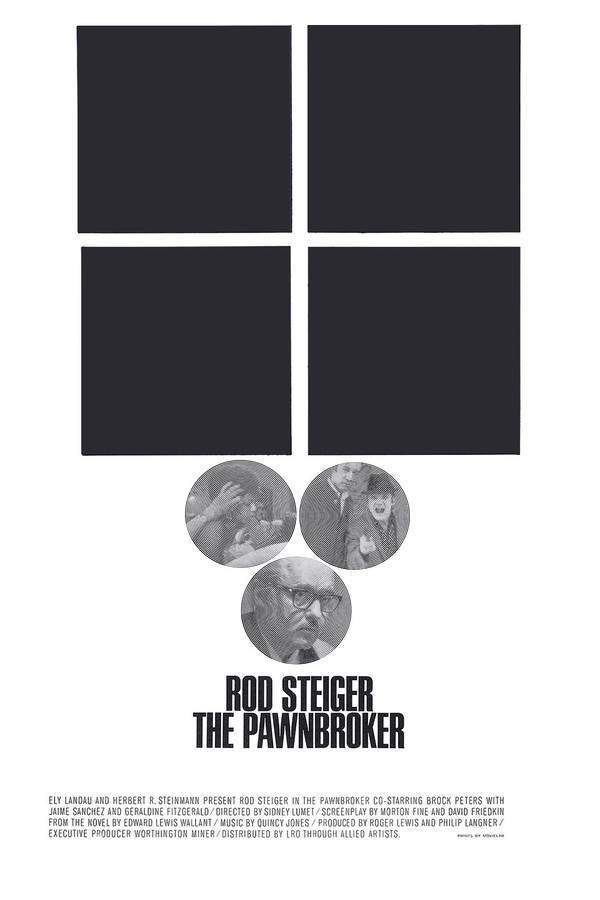
The Pawnbroker (1965) movie poster

Timeline

The Pawnbroker (1965) Timeline Explained – Every Event in Order

Release, runtime and language
1965 · 116 min · English
Loading streaming availability…
Directed by
Sidney Lumet
Starring
Rod Steiger, Geraldine Fitzgerald

A former professor now working as a pawnbroker in East Harlem, Sol Nazerman is deeply affected by his experiences during the Holocaust. He attempts to distance himself from the world, erecting emotional barriers to cope with the painful memories of Nazi atrocities. His carefully constructed isolation is challenged when events in his community mirror the horrors he witnessed, forcing him to confront his past and the struggles of those around him.

On this page (6)
  1. 1 Where to watch
  2. 2 Events in order (13)
  3. 3 Timeline questions answered
  4. 4 Movie threads
  5. 5 Movies like The Pawnbroker
  6. 6 Every angle
Loading streaming availability…

13 events in order · contains spoilers

The Pawnbroker Timeline: Events in Chronological Order

Every key event of The Pawnbroker (1965) in order, scene by scene, with when and where it takes place. Use it to untangle flashbacks, time jumps and parallel storylines, to refresh your memory before the sequel or to find the exact scene you are thinking of.

  1. Imprisonment in Concentration Camp

    Sol Nazerman and his family are imprisoned in a concentration camp during Nazi Germany. He is forced to witness horrific events, including the brutal murder of his wife and the tragic deaths of his two children.

    Where
    Nazi Concentration Camp
  2. Haunting Memories

    Twenty-five years later, Sol Nazerman remains tormented by the traumatic memories of his time in the camp. The experiences have left him emotionally scarred, leading to a life of isolation and bitterness.

    Where
    East Harlem, New York
  3. Pawnshop Operator

    Nazerman operates a pawnshop in an impoverished neighborhood, struggling to connect with the struggling individuals around him. He offers low sums for their valuables, which are often brought in by desperate clients.

    Where
    East Harlem
  4. Relationship with Jesus Ortiz

    Jesus Ortiz, a young Puerto Rican, admires Nazerman and works as his assistant in the pawnshop. Despite Ortiz's attempts to befriend him and learn from him, Nazerman's cynicism leads him to dismiss these overtures.

    Where
    Pawnshop, East Harlem
  5. A Web of Desperation

    The pawnshop is also a façade for the illicit activities of Rodriguez, a local racketeer. Ortiz's girlfriend, caught in the cycle of poverty, resorts to prostitution to help finance their dreams, further complicating their lives.

    Where
    East Harlem
  6. Dismissing a Proposition

    In a moment of desperation, Ortiz's girlfriend attempts to pawn jewelry and even offers herself to Nazerman for better profits. Nazerman declines this proposition, haunted by memories of his wife's humiliation.

    Where
    Pawnshop
  7. Severing Ties with Rodriguez

    Nazerman's disillusionment with the criminal underworld leads him to declare to Ortiz that Rodriguez and his schemes mean nothing to him. This harsh revelation leaves Ortiz feeling crushed and betrayed.

    Where
    Pawnshop
  8. Orchestrating a Robbery

    Crushed by Nazerman's words, Ortiz contemplates revenge and orchestrates a robbery of the pawnshop with a local gang led by Tangee. The desperation surrounding them escalates as tensions rise.

    Where
    East Harlem
  9. Threats from Rodriguez's Enforcers

    Nazerman faces intimidation from Rodriguez's enforcers for not complying with their money laundering schemes. In a moment of despair, he wishes for death, which Rodriguez coldly acknowledges.

    Where
    Pawnshop
  10. The Robbery

    During the robbery, Nazerman stands his ground and refuses to surrender his money. As tension rises and a gun is drawn, tragedy strikes when Ortiz is fatally shot while trying to protect him.

    Where
    Pawnshop
  11. Ortiz's Last Moments

    Nazerman watches helplessly as Ortiz drags himself onto the street, ultimately succumbing to his injuries. This tragic loss leaves Nazerman overwhelmed with grief and guilt.

    Where
    Street outside the Pawnshop
  12. Succumbing to Torment

    Devastated by the events, Nazerman retreats back into the pawnshop in silence. Overcome by his torment and memories, he impales his hand on a receipt spike, signaling a final break from reality.

    Where
    Pawnshop
  13. Possible Departure

    Having succumbed to despair and trauma, Nazerman wanders away from the pawnshop. His fate is left uncertain, as he likely never returns to the life he once led, which has been marked by profound loss.

    Where
    East Harlem

Last updated: November 15, 2024 at 17:44

Was this helpful?

Timeline questions answered

The Pawnbroker Timeline Explained: Your Questions Answered

When does it happen, and why in that order? The questions people ask about the chronology of The Pawnbroker (1965): time jumps, flashbacks, cause and effect between scenes and the correct order of events, each answered with spoilers.

Q1

Why is Sol so bitter and distant from everyone around him?

Sol's bitterness stems from his traumatic experiences in the concentration camp where he witnessed the murder of his wife and two children. Twenty-five years later, he remains haunted by these memories, causing him to erect emotional barriers and view the struggling people in his neighborhood with disdain as a protective mechanism.

  • holocaust trauma
  • emotional isolation
  • sol nazerman
  • concentration camp memories
Q2

Why does Sol call his customers "scum" and "rejects"?

Sol uses these derogatory terms as a way to emotionally distance himself from the desperate people around him. Having witnessed the worst of humanity in the camps, he has become desensitized and views poverty and desperation as moral failings rather than circumstances, projecting his own self-loathing onto others.

  • cynicism
  • moral judgment
  • emotional detachment
  • poverty
Q3

Why does Sol refuse to help Ortiz's girlfriend when she offers herself?

When Ortiz's girlfriend offers herself for better profits, Sol declines because the situation triggers painful memories of his wife's brutal assault and humiliation at the hands of Nazi officers in the concentration camp. The reminder of his wife's degradation is too much for him to bear.

Foreshadowing: Earlier flashback scenes establish how Sol witnessed his wife's assault, making this proposition deeply traumatic for him.

  • flashbacks
  • wife assault
  • trauma response
  • prostitution
Q4

Why does Sol tell Ortiz that he means nothing to him?

Sol's declaration that Ortiz means nothing to him is a deliberate act of emotional self-protection. By pushing away the one person who shows him genuine admiration, Sol attempts to shield himself from another potential loss, believing that isolation is safer than forming attachments that could be destroyed.

  • emotional walls
  • rejection
  • jesus ortiz
  • self-protection
Q5

Why does Ortiz decide to rob the pawnshop?

Ortiz orchestrates the robbery because he feels crushed and betrayed by Sol's harsh revelation that he means nothing to him. Seeking revenge and possibly hoping to prove himself, Ortiz recruits a local gang led by Tangee to steal from the pawnshop.

  • revenge
  • betrayal
  • jesus ortiz
  • robbery plot
Q6

What causes Ortiz to get shot during the robbery?

Ortiz is fatally shot while trying to protect Sol during the robbery. When Nazerman refuses to surrender the money, a gun is drawn and Ortiz steps in to shield him, taking the bullet. This tragic irony occurs because Ortiz, despite feeling betrayed, still cared enough to protect the man he called his "teacher."

Foreshadowing: Ortiz's continued admiration for Sol despite the rejection sets up this tragic moment of loyalty.

  • fatal shooting
  • protection
  • tragic irony
  • jesus ortiz death
Q7

Why does Sol impale his hand on the receipt spike at the end?

After watching Ortiz die trying to protect him, Sol is overwhelmed by grief, guilt, and the weight of his lifetime of trauma. He retreats into the pawnshop and literally impales his hand on a receipt spike, representing a final break from reality and his inability to cope with yet another devastating loss.

  • self-harm
  • psychological breakdown
  • trauma
  • final breakdown
Q8

How does Sol's past trauma in the concentration camp affect his present life?

Sol's experiences in the concentration camp, witnessing his wife's murder and his children's deaths, have left him emotionally scarred. He lives in isolation, works among the poor he despises, and engages with criminals like Rodriguez, essentially recreating a cycle of exploitation and dehumanization that mirrors what he suffered, though he cannot bring himself to truly connect with anyone.

  • holocaust
  • trauma cycles
  • post-traumatic stress
  • emotional damage
Q9

Why does Sol decide to stop working with Rodriguez?

Sol becomes disillusioned with Rodriguez when he learns of the racketeer's connections to the brothels that exploit women, including Ortiz's girlfriend. This triggers memories of his wife's humiliation in the camps, causing Sol to sever ties with Rodriguez and declare that his criminal schemes mean nothing.

  • rodriguez
  • criminal activity
  • brothels
  • moral底线
Q10

What triggers Sol's emotional breakdown at the end of the film?

Sol's breakdown is triggered by the cumulative weight of his traumatic past combined with the immediate tragedy of watching Ortiz die. The young man who looked up to him, who called him teacher, is killed while trying to protect him, another person Sol cared about dying violently, just like his wife and children in the concentration camp.

Foreshadowing: The film consistently parallels the violence of the camps with the violence in East Harlem, making this final tragedy a culmination of those parallels.

  • cumulative trauma
  • final breaking point
  • loss
  • psychological collapse

Movie threads

More Movies Like The Pawnbroker, by Mood & Story

Curated lists built around what makes The Pawnbroker tick: the same mood, the same kind of story or the same emotional payoff. Each list explains why these movies belong together.

Movies about trauma and isolation like The Pawnbroker

Character studies where profound trauma forces a wall between the protagonist and the world. For viewers seeking films similar to The Pawnbroker, this collection features intense character-driven dramas about individuals grappling with profound trauma. These movies explore themes of emotional isolation, grief, and the struggle to reconnect with humanity after devastating experiences, often culminating in bleak or bittersweet conclusions.

  • haunting
  • somber
  • despairing
  • isolated
  • psychological
  • heavy
  • Tone: dark, melancholic, despairing
  • Pacing: steady, character-driven
Why these movies?

The story pattern: Stories in this thread are internal journeys, often structured around a protagonist's attempts to numb themselves or build emotional walls. The plot typically involves external events or characters that slowly chip away at this isolation, forcing a confrontation with repressed memories and feelings, though not always leading to healing.

Why they belong together: These films are grouped together by their intense focus on a single character's psychological landscape. They share a heavy emotional weight, a dark or bleak tone, and a steady pacing that allows for deep immersion into the protagonist's state of mind, creating a similarly powerful and haunting viewing experience.

Bleak stories of moral decay like The Pawnbroker

Stories where a gritty setting reflects a character's internal collapse and loss of hope. If you appreciated the grim atmosphere and themes of moral compromise in The Pawnbroker, this list features similar films. Discover gritty dramas set in oppressive worlds where characters confront criminality and ethical decay, resulting in stories with high intensity, dark tones, and overwhelmingly bleak endings.

  • bleak
  • oppressive
  • tense
  • despairing
  • gritty
  • corrupt
  • Tone: dark, bleak, oppressive
  • Pacing: steady, building pressure
Why these movies?

The story pattern: The narrative pattern involves a protagonist, often already damaged, being placed in or drawn into a corrupt system or underworld. Their attempts to remain detached or morally upright are systematically challenged by the environment, leading to a downward spiral where they become implicated in the very corruption they sought to avoid.

Why they belong together: These movies share a cohesive vibe defined by an oppressive atmosphere, a dark tone centered on moral ambiguity, and a high-intensity viewing experience. They are united by their exploration of how external decay catalyzes internal collapse, resulting in profoundly bleak and tragic conclusions.

If you liked this

Movies Like The Pawnbroker

Similar movies to The Pawnbroker: the same genre, themes or kind of story. Each one comes with its own plot summary, timeline and ending explained.

Browse all movie summaries

Every angle

The Pawnbroker (1965) Explained: Plot, Timeline & Characters

Everything about The Pawnbroker in one place: what happens in the plot summary, the timeline in chronological order, the characters and meaning and a spoiler-free summary. What's After the Movie adds the cast, box office and post-credit scenes.

Coming soon on iOS and Android

The Plot Explained Movie Summary App

Plot summaries, endings explained and timelines on your phone. Catch up on any movie in minutes, save your favorites and never miss a twist again.

Be the first to know when we launch. Your email stays private, always.

Learn more about the app