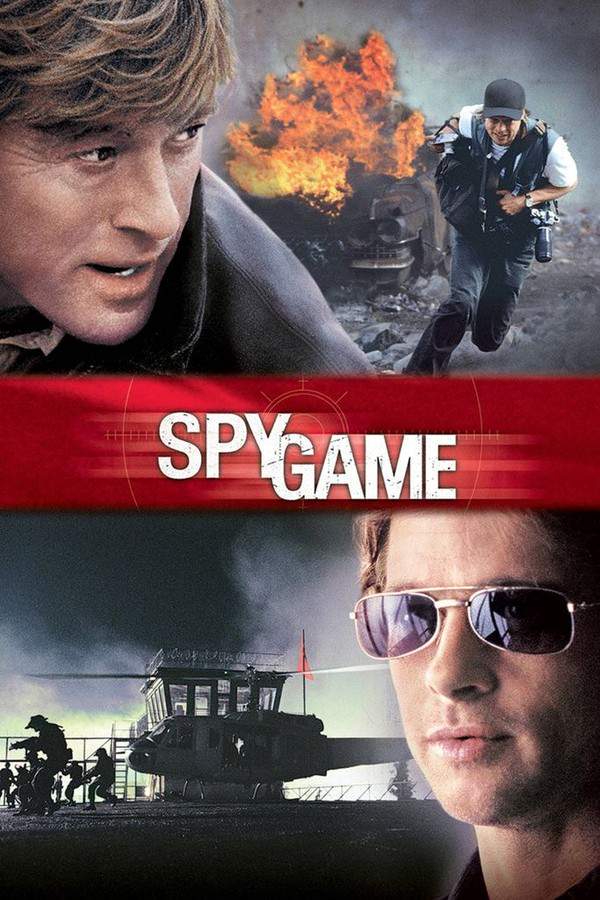
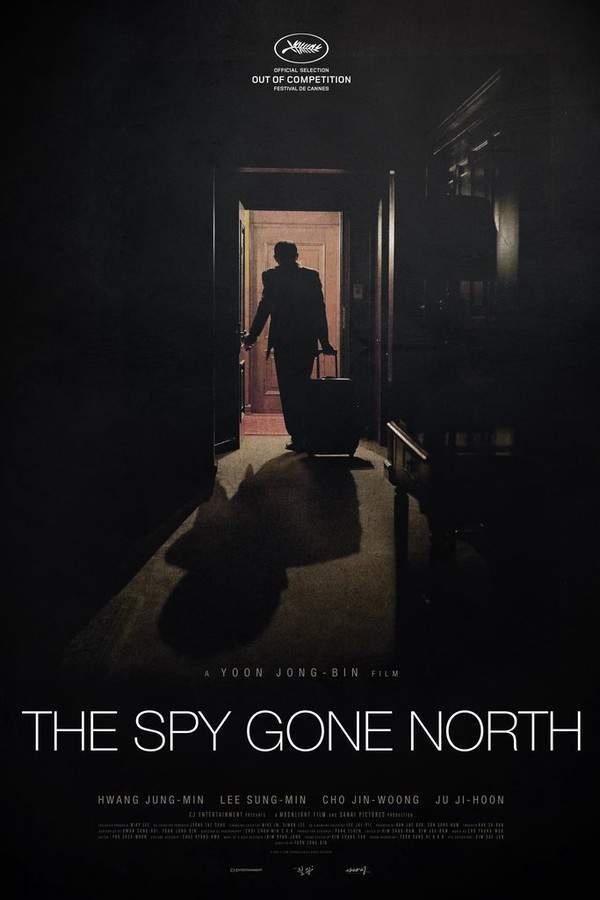
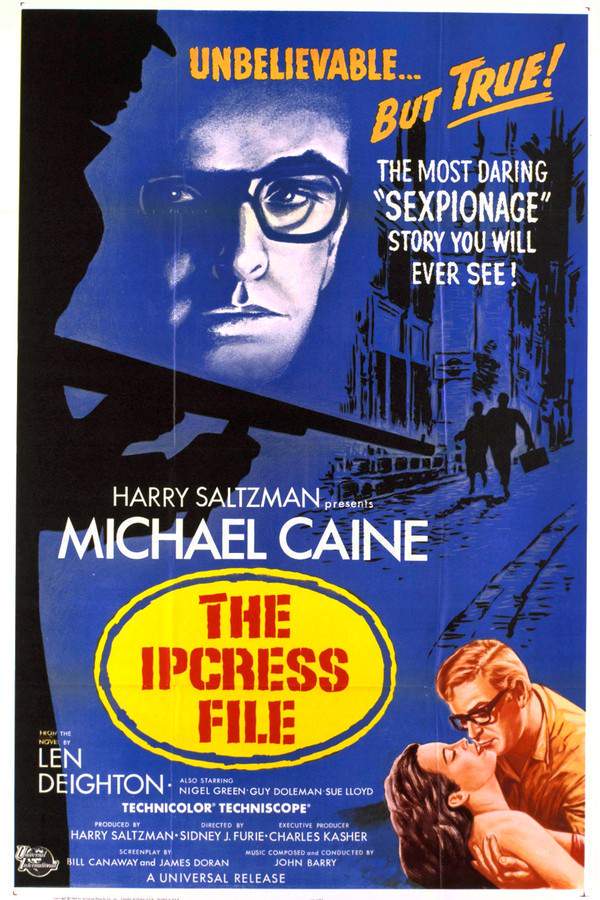
Martin Slattery is a British civil servant who is suddenly summoned to a minister, stepping into a terse crisis. Frenzel, a spy who had already been arrested, has broken free and is being moved overland toward Moscow. The mission is urgent: ensure Frenzel cannot relay what he knows to the Soviet authorities, and Slattery is ordered to identify an assassin who can do the dirty work.
Unable to rely on his usual contacts, Slattery thinks back to Sam Laker, an American who worked with him during the war. Laker is now a widowed former spy who designs office furniture and lives in London with his young son. Slattery sees in him the exact skill set needed for a targeted hit, but persuading him to kill Frenzel will require care and leverage. Sam Laker is drawn into the picture by duty, nostalgia, and the shadow of danger that still clings to his old life.
To kick things off, Slattery nudges Laker to reach out to Karen Gisevius while he’s in Leipzig for a trade fair. Laker knows Karen from the war, and there’s a history between them that adds a personal edge to the professional risk. After the brief, charged encounter, Laker heads back to the fair, but his path is abruptly redirected when he’s abducted at gunpoint and pulled into a confrontation with Colonel Hartmann, head of the East German security service. Hartmann lays down a stark ultimatum: travel to Copenhagen to carry out an assassination, or his son will be killed. The target appears to be Frenzel, and the implication is clear—Slattery and Hartmann are pulling the strings together.
With the clock ticking, Laker flies to Copenhagen and crosses paths with Anna, a British agent who has secured a hotel room overlooking Frenzel’s suite. Laker handles a sniper’s rifle that is meant for the hit, but when he returns to the hotel, Anna calls the police and he is arrested. Ritchie Jackson, another British agent, eventually arranges his release, and Laker, still carrying the case with the weapon inside, presses on to locate Frenzel. Yet Frenzel’s arrival in Copenhagen never materializes, and the mission takes a turn that reveals deeper manipulation behind the Prague-like web of operations.
What unfolds reveals that the Copenhagen episode was a calculated ruse designed to grind Laker down, heightening his stress and desperation. A telegram arrives, claiming that his son—who, in truth, is relaxing on holiday with Hartmann—has been killed. Slattery had anticipated this blow and bet on Laker’s renewed resolve. Returning to Leipzig, Laker steels himself to confront the man responsible for the hidden trap: Hartmann. He even manages to take the rifle onto the plane as hand luggage, a testament to the level of risk now accepted.
Ruth, another British agent, steps in to assist as Laker intensifies his pursuit. Slattery feeds Ruth what he claims to be Frenzel’s likely movements, bridging danger with deception. The Russians, for their own cryptic purposes, relocate Frenzel to the airport along a desolate motorway, making him an exposed mark. The tension peaks as Laker, driven by a mix of duty and personal vendetta, fires and kills Frenzel, as Slattery had planned. In the end, Slattery and Hartmann drive him away, revealing with a hard twist that his son is alive after all, and the line between justice and manipulation comes into sharp focus.
This tale unfolds as a careful chess game, where loyalty, leverage, and hidden agendas push a man to the edge. The story threads through loyalty to country, the toll of espionage on family, and the cost of executing a mission that may save millions—or destroy a person’s remaining peace.