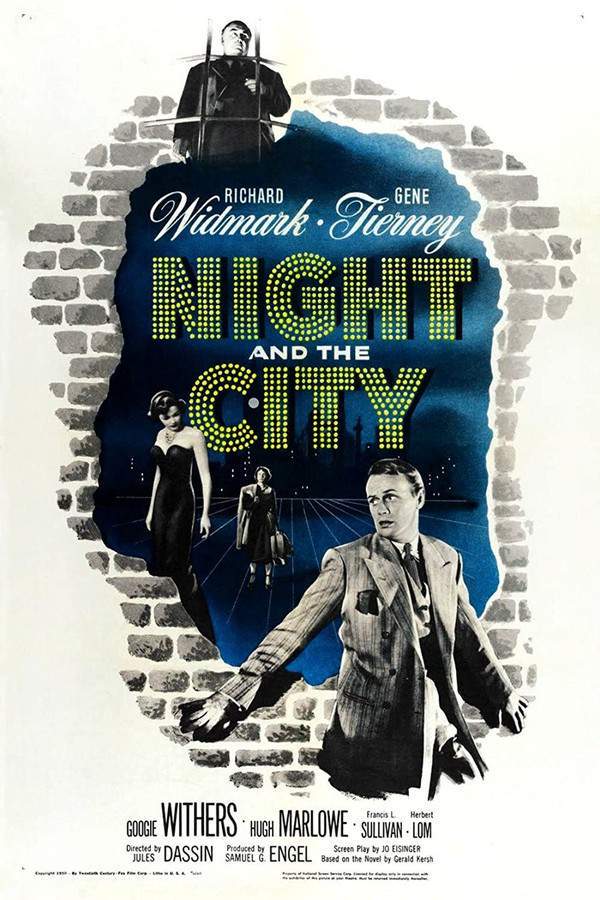
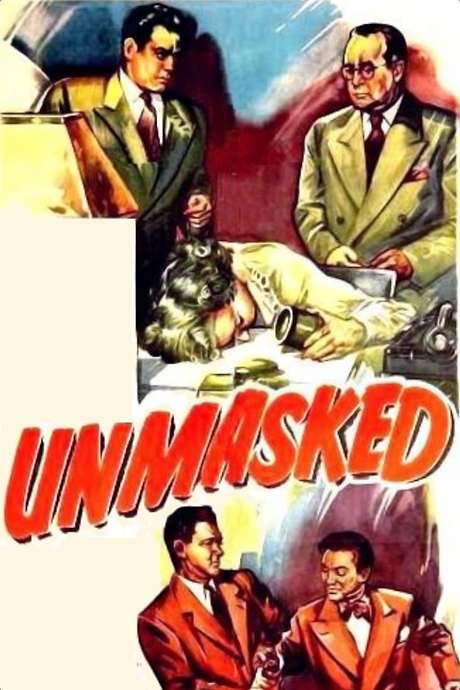
A patient of Chicago psychoanalyst Dr. Judd Stevens is murdered after a session, stabbed while wearing the doctor’s raincoat. The crime kicks off a tense investigation led by two police detectives, Lieutenant McGreavy and Det. Angeli. McGreavy bears a long-standing grudge against Stevens, rooted in a prior case where Stevens’ testimony helped institutionalize a cop killer instead of sending him to prison, which colors the current pursuit with personal bitterness and complicated motives.
As the inquiry unfolds, the patient’s own troubles come under scrutiny, but a second brutal blow arrives when Stevens’ secretary is found murdered as well. With the evidence pointing toward Stevens as a prime suspect, he finds himself entangled in a web of suspicion and fear. Stevens, a widower, voices his concerns about the aggressive, sometimes hostile methods used by the cops, especially to his physician brother-in-law, Dr. Peter Hadley. The strain of the investigation strains his relationships and tests his faith in the system.
When two gunmen disguised as doormen break into Stevens’ apartment, he defends himself until help arrives in the form of his brother-in-law and two paramedics. Yet trust remains elusive; Stevens, wary of police, resorts to calling the hospital directly for help rather than relying on the authorities. In desperation, he turns to a new ally, a quirky private investigator named Morgens, a man who lives among a labyrinth of clocks and cats in a shabby apartment. Morgens, played by the sharp-eyed veteran Morgens, proves invaluable by locating a bomb hidden in Stevens’ car, a reminder of how perilous the target has become.
After Morgens reports this latest attempt, Det. Angeli offers Stevens a more sympathetic ear, while McGreavy quietly negotiates a quiet, watchful distance with their captain, effectively removing himself from the direct hunt. The situation grows more perilous when Morgens phones Stevens after midnight, hinting at knowing the killer’s true identity but insisting on secrecy. He warns Stevens to meet him at Navy Pier and mentions the name “Don Vinton.” When the two investigators arrive, however, they discover Morgens dead, clutching a cuckoo clock—an ominous symbol that stirs Stevens’ resolve to uncover the truth.
Following a crucial bit of research, Stevens discovers that Don Vinton is an Italian code name for the head of a powerful organized crime syndicate. Angeli, offering to help, instead drives him to a countryside mansion where a cadre of phony doormen and a shadowy crew await. Angeli draws a gun and reveals that he cannot be trusted, hinting at a betrayal that shakes Stevens to his core. At the mansion, Stevens is introduced to the crime boss himself, and to his wife, Ann Blake, a quiet longtime patient who has been seeing Stevens for therapy. The mob boss insists on keeping his private life secret, despite Ann’s insistence that she’s confided little during sessions.
Stevens is transported to a warehouse to be eliminated. Angeli expects a payoff on the edge of the deal, but things go awry when Angeli is killed instead. Stevens makes a valiant, if doomed, attempt to escape, only to be captured and savagely beaten by the crime boss’s henchmen. Just in the nick of time, McGreavy and a team of cops storm in, having been alerted by Ann. Don Vinton is killed and the remaining conspirators are arrested, ending the immediate threat.
In the cemetery where Stevens visits his wife’s grave each week, Ann Blake appears, offering a tremulous, heartfelt apology for the carnage that has surrounded him. Stevens, having left his private practice behind, contemplates a chance at happiness with Ann. She asks if they can see each other socially now, and for a moment it seems like a fragile new beginning. But the ending takes a final, fatal turn: as they walk away together, a mob sniper kills Ann Blake, sealing a cruel twist of fate for Stevens and leaving the story with a haunting ache that lingers in the memory of those who survived the ordeal.