Plot Explained Spoilers guaranteed!
Plot Explained

Browse by genre

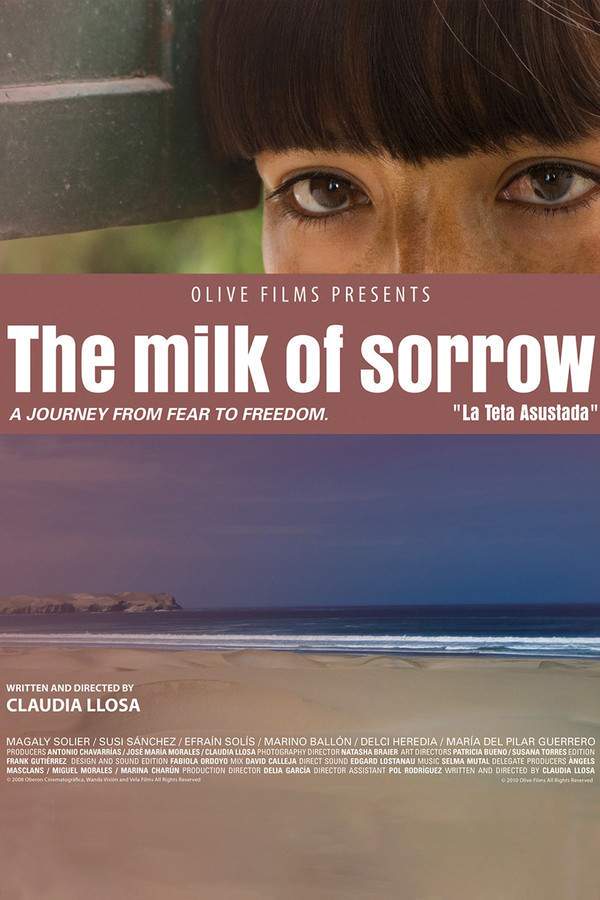
The Milk of Sorrow (2010) movie poster

Spoiler-Free Summary

The Milk of Sorrow (2010) Spoiler-Free Summary – What It's About

Release, runtime and language
2010 · 94 min · Spanish
Directed by
Claudia Llosa

Haunted by Peru's turbulent history, Fausta struggles with the loss of her mother and the unsettling truths about her own life. She discovers a deeply personal and shocking way she has dealt with past trauma, forcing her to confront painful memories and secrets. The film explores themes of fear, liberation, and the difficult journey toward healing and self-discovery.

On this page (5)
  1. 1 What it is about
  2. 2 Is it worth watching?
  3. 3 After you watch
  4. 4 Movie threads
  5. 5 Every angle

Spoiler-free summary · safe to read

What Is The Milk of Sorrow About? (No Spoilers)

The plot of The Milk of Sorrow (2010) without spoilers: what it is about, who it follows and where it takes place, told without the twists or the ending. Enough to decide whether it is your next watch, not enough to ruin it.

In a Peru still echoing with the aftershocks of its recent turmoil, the landscape feels both tender and bruised, a place where whispered histories linger in the streets of Lima and in the quiet of remote village houses. The film settles into a lyrical, almost dream‑like tone, letting the country’s rich textures—its music, its sky‑colored markets, its lingering fear—inform every breath of the story. It is a world where personal memory intertwines with collective wound, and where the quiet moments carry as much weight as the louder, more chaotic ones.

Enter Fausta, a young woman whose life has been shaped by the specter of violence and the loss of the mother who sang her final song. Haunted by an intense dread of men and the shadows of the past, she has adopted an unconventional way of protecting herself, a secret that both isolates her and defines her daily existence. When her mother passes, the practicalities of mourning collide with her fragile finances, pushing Fausta to confront the limits of her survival strategies and the lingering anxiety that has governed her choices.

A chance encounter brings her into the home of Aída, a talented pianist wrestling with her own creative block. The two women form an unlikely partnership, bound by art and desperation. Aída recognizes a raw musical talent in Fausta, offering a promise of financial relief that could finally allow her to honor her mother properly. Their interactions are charged with both tenderness and tension, reflecting the broader theme of women navigating a world that often silences them.

As the story unfolds, the audience is invited to watch Fausta stand at the crossroads of fear and freedom, with the promise of healing humming just beyond the horizon. The film’s mood remains intimate, its style poetic, and its focus on inner transformation keeps the narrative’s heart beating steady, urging viewers to wonder how far a woman can go when she finally decides to listen to herself.

Last updated: August 10, 2025 at 08:24

Was this helpful?

What to expect

Is The Milk of Sorrow Worth Watching? What It Feels Like

Is it dark, sad, slow, intense or confusing? The mood of The Milk of Sorrow (2010) in a few tags, without a word about how it ends. Each tag opens a list of movies that feel the same.

After you watch

Seen The Milk of Sorrow? Now Read the Spoilers

Once you have watched The Milk of Sorrow (2010), come back for the full story: the plot summary with spoilers, the timeline in chronological order, the characters and meaning.

Movie threads

More Movies Like The Milk of Sorrow, by Mood & Story

Curated lists built around what makes The Milk of Sorrow tick: the same mood, the same kind of story or the same emotional payoff. Each list explains why these movies belong together.

Movies about intergenerational trauma like The Milk of Sorrow

Stories where the past's silent wounds shape a character's present and future. If you were moved by The Milk of Sorrow's exploration of inherited pain, you'll find similar powerful dramas here. These films delve into how personal trauma is shaped by historical events and family history, following quiet, introspective characters on difficult journeys toward healing and self-discovery.

  • somber
  • contemplative
  • haunting
  • oppressive
  • anxious
  • melancholic
  • Tone: melancholic, somber, contemplative
  • Pacing: slow, deliberate, introspective
Why these movies?

The story pattern: Narratives in this thread typically follow a protagonist grappling with a psychological burden they've inherited but may not fully understand. The central conflict is often internal, as they uncover painful truths about their family or cultural history. The arc involves a slow process of confronting these shadows, leading to a release that is often bittersweet—a step towards freedom that is weighed down by the suffering it took to get there.

Why they belong together: These films are grouped together because they share a profound focus on the legacy of trauma, a melancholic and somber tone, and a slow, deliberate pacing that allows for deep immersion into a character's internal world. They prioritize emotional weight and psychological realism over fast-paced plot, creating a cohesive experience of quiet intensity.


Slow-burn character studies similar to The Milk of Sorrow

Intimate portraits of characters grappling with deep-seated fear and profound grief. For fans of The Milk of Sorrow's patient, introspective approach. This collection features movies with slow pacing and a heavy, melancholic mood, centered on a character's internal battle with trauma, grief, or fear. If you like films that prioritize emotional depth and psychological realism over fast plots, explore these titles.

  • slow burn
  • anxious
  • contemplative
  • haunting
  • somber
  • psychological
  • Tone: melancholic, anxious, bittersweet
  • Pacing: slow burn, deliberate, internal
Why these movies?

The story pattern: The narrative pattern is a linear but deeply internalized journey. A protagonist, often isolated or withdrawn, carries a significant psychological burden. The plot unfolds slowly through observational scenes and symbolic gestures, building towards a climactic moment of personal reckoning that is cathartic but rarely provides a simple, happy resolution. The ending typically acknowledges the pain endured while offering a glimmer of hard-won hope.

Why they belong together: These films are united by their slow pacing, heavy emotional weight, and a tone that is consistently melancholic or somber. They share a focus on a single character's profound internal struggle, using a minimalist plot to maximize psychological impact. The viewing experience is defined by its contemplative, often haunting vibe.

Every angle

The Milk of Sorrow (2010) Explained: Plot, Timeline & Characters

Everything about The Milk of Sorrow in one place: what happens in the plot summary, the timeline in chronological order, the characters and meaning and a spoiler-free summary. What's After the Movie adds the cast, box office and post-credit scenes.

Coming soon on iOS and Android

The Plot Explained Movie Summary App

Plot summaries, endings explained and timelines on your phone. Catch up on any movie in minutes, save your favorites and never miss a twist again.

Be the first to know when we launch. Your email stays private, always.

Learn more about the app