Plot Explained Spoilers guaranteed!
Plot Explained

Browse by genre

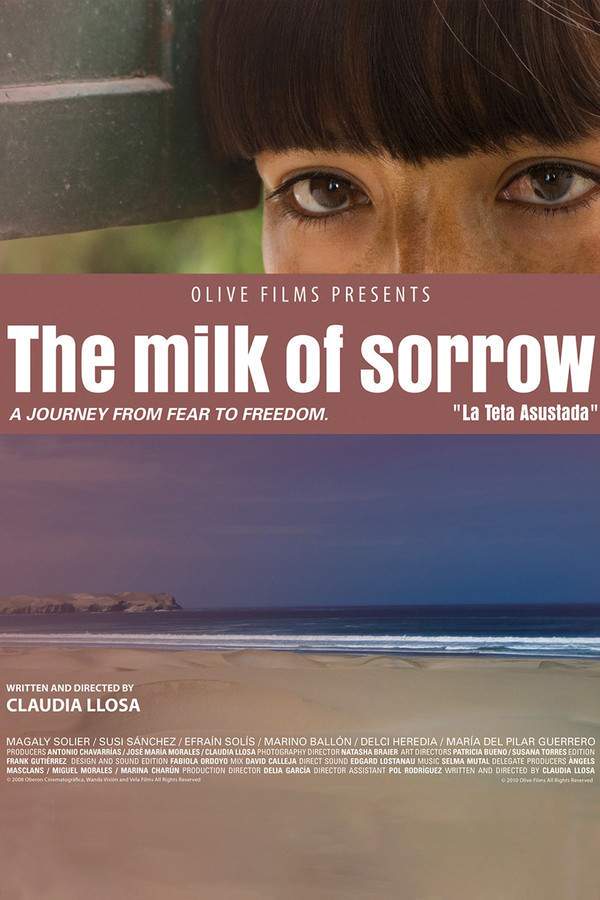
The Milk of Sorrow (2010) movie poster

Characters & Themes

The Milk of Sorrow (2010) Characters, Setting & Themes Explained

Release, runtime and language
2010 · 94 min · Spanish
Directed by
Claudia Llosa

Haunted by Peru's turbulent history, Fausta struggles with the loss of her mother and the unsettling truths about her own life. She discovers a deeply personal and shocking way she has dealt with past trauma, forcing her to confront painful memories and secrets. The film explores themes of fear, liberation, and the difficult journey toward healing and self-discovery.

On this page (6)
  1. 1 Characters explained (2)
  2. 2 Where & when it takes place
  3. 3 Themes & meaning (3)
  4. 4 Character & meaning questions
  5. 5 Movie threads
  6. 6 Every angle

2 main characters · contains spoilers

The Milk of Sorrow Characters Explained: Who Is Who

The main characters of The Milk of Sorrow (2010), heroes and villains: what drives them, how they change over the course of the story and what each of them reveals about the film's bigger ideas.

  • Fausta

    Fausta is a deeply traumatized woman haunted by the stories of violence and loss that marked her upbringing. Despite her overwhelming fear of men, she is driven by a fierce determination to honor her mother's memory and seek a better life. Her journey is one of resilience and empowerment as she learns to confront her fears and embrace her identity.

    • 🌸 Protagonist
    • 💪 Resilience
  • Aída

    Aída is a talented yet flawed pianist who becomes Fausta's mentor. Initially, she recognizes Fausta's potential and exploits it for her own benefit. However, her cruel treatment ultimately raises questions about authenticity and artistic integrity, as her actions force Fausta to confront her fears head-on.

    • 🎹 Music
    • 😠 Antagonist

Last updated: October 22, 2024 at 22:04

Was this helpful?

Setting

Where and When Does The Milk of Sorrow Take Place?

The setting of The Milk of Sorrow (2010): the year and time period, the places and locations, and how they shape the characters, the mood and the tension of the story.

Time period

The movie is set against the backdrop of Peru's internal conflict, which leads to a climate of fear and trauma. Though the specific time period is not explicitly mentioned, the characters experience the lingering effects of war and personal loss.

Location

Lima, Peru

Lima, the capital of Peru, is a bustling city known for its rich history and cultural heritage. The ocean nearby signifies both beauty and the possibility of renewal, reflecting Fausta's journey of letting go and moving forward.

  • 🌆 City
  • 🌊 Ocean

Last updated: October 22, 2024 at 22:04

Was this helpful?

3 major themes

The Milk of Sorrow Meaning: Themes & Message Explained

What is The Milk of Sorrow (2010) really about? The emotional, social and philosophical themes the film keeps returning to, its symbolism and the message beneath the surface.

  • Loss and Grief

    The film explores profound themes of loss, as Fausta navigates the aftermath of her mother's death and the emotional weight of her tragic upbringing. The journey of grieving highlights the struggle to honor the past while seeking healing and closure.

  • Creativity and Expression

    Fausta’s innate talent for songwriting symbolizes the power of creativity as a form of self-expression. The act of writing and sharing her song becomes instrumental in her journey to reclaim her identity and overcome her fears.

  • Overcoming Fear

    Fausta's journey is deeply rooted in overcoming the fears instilled by her past traumas. The narrative portrays her gradual steps towards recovery, highlighting the importance of confronting fears to embrace a brighter future.

Last updated: October 22, 2024 at 22:04

Was this helpful?

Character & theme questions

The Milk of Sorrow Characters & Meaning: Your Questions Answered

The questions people ask about The Milk of Sorrow (2010): who the characters really are, their relationships, what the symbols mean, where it takes place and what the movie is really about. Each answer contains spoilers.

Q1

Where is the movie set?

The movie is set in Lima, Peru, a bustling city known for its rich history and cultural heritage. The ocean nearby serves as a powerful symbol of both beauty and the possibility of renewal, reflecting Fausta's journey of letting go and moving forward.

  • lima
  • peru
  • setting
  • location
  • ocean
Q2

What historical context influences the story?

The film is set against the backdrop of Peru's internal conflict, a period marked by violence and trauma that permeated Peruvian society. Though the specific time period is not explicitly mentioned, the characters experience the lingering effects of war and personal loss, shaping their psychological landscape.

  • peru internal conflict
  • historical
  • war trauma
  • politics
Q3

What does the title mean?

The title references a Peruvian folk belief that mothers who suffer sadness or trauma during pregnancy pass their sorrow to their children through breast milk. This deeply symbolic title reflects the film's exploration of inherited trauma and how the pain of previous generations physically and emotionally affects the next.

  • title meaning
  • inheritance
  • trauma
  • symbolism
Q4

Who is Fausta?

Fausta is a deeply traumatized woman haunted by the stories of violence and loss that marked her upbringing. Despite her overwhelming fear of men, she is driven by a fierce determination to honor her mother's memory and seek a better life. Her journey represents resilience and empowerment as she learns to confront her fears and embrace her identity.

  • fausta
  • main character
  • protagonist
Q5

Who is Aída?

Aída is a talented yet flawed pianist who becomes Fausta's mentor. Initially, she recognizes Fausta's potential but exploits it for her own benefit. Her cruel treatment ultimately raises questions about authenticity and artistic integrity, as her actions force Fausta to confront her fears head-on.

  • aida
  • mentor
  • pianist
  • supporting character
Q6

What are the main themes?

The film explores three interconnected themes: loss and grief as Fausta navigates her mother's death and emotional weight; creativity and expression through songwriting as a form of self-discovery; and overcoming fear as she takes gradual steps toward recovery. These themes intertwine to portray her difficult journey toward healing and self-identity.

  • themes
  • loss
  • grief
  • creativity
  • fear
  • healing
Q7

How does the film address trauma?

The film portrays trauma as an inherited burden that manifests in psychological and physical ways. Fausta's pervasive fear and anxiety represent the internalized effects of Peru's historical violence and personal loss. The narrative emphasizes confronting past pain as essential to breaking cycles of suffering and achieving liberation.

  • trauma
  • ptsd
  • psychological
  • healing
  • abuse
Q8

What role does music play in the film?

Music, particularly Fausta's songwriting, serves as a transformative force in the narrative. Her innate talent for songwriting symbolizes the power of creativity as a form of self-expression. The act of writing and sharing her song becomes instrumental in her journey to reclaim her identity and overcome her fears.

  • music
  • songwriting
  • creativity
  • expression
  • art
Q9

What does the ocean symbolize in the story?

The ocean near Lima symbolizes both the possibility of renewal and the vastness of emotional release. It reflects Fausta's journey of letting go and moving forward, representing a boundary between her traumatic past and a potential future of healing. The sea's dual nature embodies both danger and cleansing.

  • ocean
  • symbolism
  • renewal
  • water
  • metaphor
Q10

What is the film's emotional tone?

The tone is consistently melancholic, defined by Fausta's pervasive fear and the lingering shadow of historical violence. The pacing is slow, focusing on internal emotional states and symbolic acts rather than plot-driven events. This creates an atmosphere of profound grief while maintaining moderate intensity through psychological depth.

  • tone
  • mood
  • melancholy
  • atmosphere
  • slow pacing
Q11

How does the film handle grief?

The film explores grief as a complex, ongoing process rather than a single event. Fausta's journey highlights the struggle to honor the past while seeking healing and closure. The narrative shows that grief is intertwined with inherited family pain, making the path to acceptance both personal and deeply connected to broader historical trauma.

  • grief
  • mourning
  • death
  • closure
  • family

Movie threads

More Movies Like The Milk of Sorrow, by Mood & Story

Curated lists built around what makes The Milk of Sorrow tick: the same mood, the same kind of story or the same emotional payoff. Each list explains why these movies belong together.

Movies about intergenerational trauma like The Milk of Sorrow

Stories where the past's silent wounds shape a character's present and future. If you were moved by The Milk of Sorrow's exploration of inherited pain, you'll find similar powerful dramas here. These films delve into how personal trauma is shaped by historical events and family history, following quiet, introspective characters on difficult journeys toward healing and self-discovery.

  • somber
  • contemplative
  • haunting
  • oppressive
  • anxious
  • melancholic
  • Tone: melancholic, somber, contemplative
  • Pacing: slow, deliberate, introspective
Why these movies?

The story pattern: Narratives in this thread typically follow a protagonist grappling with a psychological burden they've inherited but may not fully understand. The central conflict is often internal, as they uncover painful truths about their family or cultural history. The arc involves a slow process of confronting these shadows, leading to a release that is often bittersweet—a step towards freedom that is weighed down by the suffering it took to get there.

Why they belong together: These films are grouped together because they share a profound focus on the legacy of trauma, a melancholic and somber tone, and a slow, deliberate pacing that allows for deep immersion into a character's internal world. They prioritize emotional weight and psychological realism over fast-paced plot, creating a cohesive experience of quiet intensity.


Slow-burn character studies similar to The Milk of Sorrow

Intimate portraits of characters grappling with deep-seated fear and profound grief. For fans of The Milk of Sorrow's patient, introspective approach. This collection features movies with slow pacing and a heavy, melancholic mood, centered on a character's internal battle with trauma, grief, or fear. If you like films that prioritize emotional depth and psychological realism over fast plots, explore these titles.

  • slow burn
  • anxious
  • contemplative
  • haunting
  • somber
  • psychological
  • Tone: melancholic, anxious, bittersweet
  • Pacing: slow burn, deliberate, internal
Why these movies?

The story pattern: The narrative pattern is a linear but deeply internalized journey. A protagonist, often isolated or withdrawn, carries a significant psychological burden. The plot unfolds slowly through observational scenes and symbolic gestures, building towards a climactic moment of personal reckoning that is cathartic but rarely provides a simple, happy resolution. The ending typically acknowledges the pain endured while offering a glimmer of hard-won hope.

Why they belong together: These films are united by their slow pacing, heavy emotional weight, and a tone that is consistently melancholic or somber. They share a focus on a single character's profound internal struggle, using a minimalist plot to maximize psychological impact. The viewing experience is defined by its contemplative, often haunting vibe.

Every angle

The Milk of Sorrow (2010) Explained: Plot, Timeline & Characters

Everything about The Milk of Sorrow in one place: what happens in the plot summary, the timeline in chronological order, the characters and meaning and a spoiler-free summary. What's After the Movie adds the cast, box office and post-credit scenes.

Coming soon on iOS and Android

The Plot Explained Movie Summary App

Plot summaries, endings explained and timelines on your phone. Catch up on any movie in minutes, save your favorites and never miss a twist again.

Be the first to know when we launch. Your email stays private, always.

Learn more about the app