




Plot Explained Spoilers guaranteed!
Plot Explained

Browse by genre

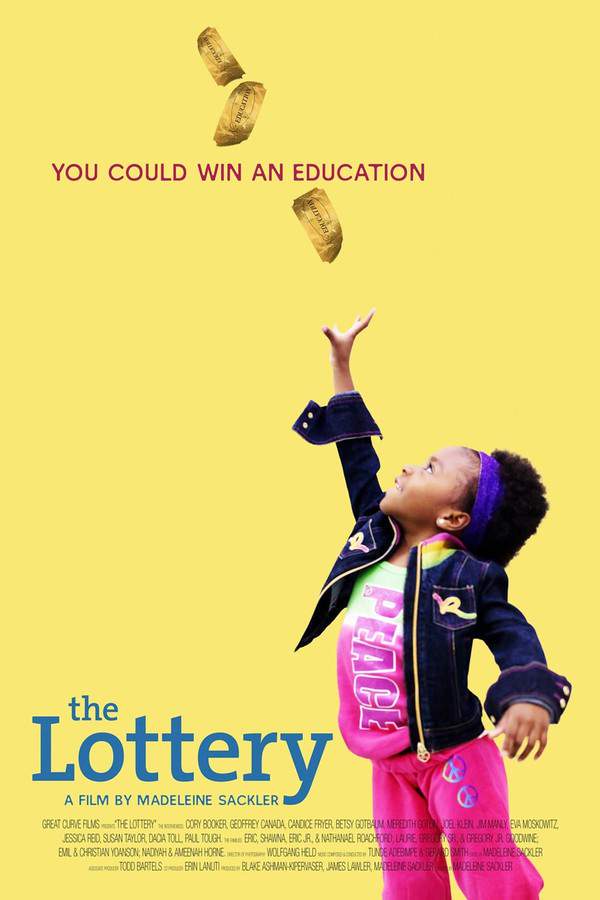
The Lottery (2010) movie poster

Timeline

The Lottery (2010) Timeline Explained – Every Event in Order

Release, runtime and language
2010 · 81 min · English
Directed by
Madeleine Sackler

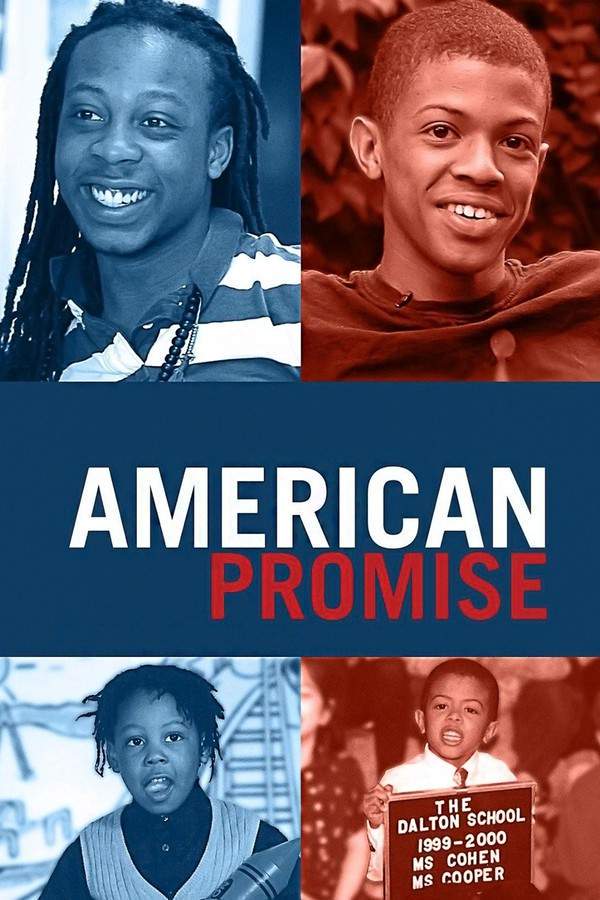
In a nation grappling with low literacy rates among African American fourth graders, this film explores the struggles faced by families striving for a better future. Set in Harlem and the Bronx, it follows four families who risk everything by entering a charter school lottery. The highly competitive process offers a chance for a select few children to escape the cycle of underachievement and access a higher quality education, sparking hope and highlighting the challenges within the public school system.

On this page (6)
  1. 1 Where to watch
  2. 2 Events in order (12)
  3. 3 Timeline questions answered
  4. 4 Movie threads
  5. 5 Movies like The Lottery
  6. 6 Every angle

Where to watch

Where to Watch The Lottery (2010)

Where can you watch The Lottery? Stream, rent or buy it in the US, including on Kanopy, Plex and Amazon Video: current JustWatch availability with up-to-date prices.

Streaming availability powered by JustWatch

12 events in order · contains spoilers

The Lottery Timeline: Events in Chronological Order

Every key event of The Lottery (2010) in order, scene by scene, with when and where it takes place. Use it to untangle flashbacks, time jumps and parallel storylines, to refresh your memory before the sequel or to find the exact scene you are thinking of.

  1. Preparation for the Lottery

    As June 27 approaches, the residents of the small town prepare for the annual lottery, filled with a mix of excitement and dread. Children gather stones while adults contribute to the event’s arrangements, highlighting the community's deep-rooted customs and traditions.

    When
    June 27
    Where
    Unnamed Village
  2. Gathering of Families

    Mr. Summers, the coal merchant, and Mr. Graves, the postmaster, work late into the night preparing for the lottery. They compile a list of all families in the village and create paper slips, each carefully folded to maintain anonymity.

    When
    Night before the lottery
    Where
    Mr. Summers' Office
  3. The Lottery Begins

    On the morning of the lottery, tension fills the air as families gather for the ritual. The age-worn black box, used for the lottery slips, is brought forth as the names of the families are about to be drawn.

    When
    Morning, June 27
    Where
    Village Square
  4. First Drawing: Family Selection

    The initial draw takes place to select one family from the town's population of about 300. There’s a collective sigh of relief among families as the first name is drawn, ensuring they are safe for another year.

    When
    Morning, June 27
    Where
    Village Square
  5. Bill Hutchinson's Draw

    As the draw progresses, Bill Hutchinson draws the marked slip, marking a turning point in the ceremony. Tessie, his wife, protests loudly, accusing the others of pressuring Bill into drawing, which ignites concern among the villagers.

    When
    Morning, June 27
    Where
    Village Square
  6. Hutchinson Family Draw

    The tradition dictates that the entire Hutchinson family must now participate in the final draw. Each family member, including Bill, Tessie, and their three children, places their slip into the black box, increasing the stakes dramatically.

    When
    Morning, June 27
    Where
    Village Square
  7. Tension Peaks

    As the Hutchinson family draws their slips one by one, the atmosphere becomes electric with tension and fear. The villagers watch intently, knowing the fate that a marked slip holds, while Tessie becomes increasingly worried for her family.

    When
    Morning, June 27
    Where
    Village Square
  8. Tessie Draws the Marked Slip

    In a chilling moment, Tessie draws the slip marked with an ominous symbol, leaving her in disbelief. She protests vehemently, claiming that this lottery is unfair, bringing attention to the harsh reality of the tradition.

    When
    Morning, June 27
    Where
    Village Square
  9. Reaction of the Townsfolk

    The mood shifts dramatically as the townsfolk, including Tessie's young son Davy, prepare to carry out the dreadful fate that awaits Tessie. This reveals the dark underpinnings of community loyalty and blind adherence to tradition.

    When
    Morning, June 27
    Where
    Village Square
  10. The Stoning of Tessie

    In a horrifying culmination of the tradition, the townspeople begin to gather the stones they had collected earlier. Amidst Tessie's desperate cries for justice, the villagers hurl stones at her, showcasing the grim reality of societal conformity and the loss of humanity.

    When
    Morning, June 27
    Where
    Village Square
  11. Whispers of Change

    As the stoning occurs, some villagers reflect secretly on the whispers of other towns abandoning this brutal custom. The contrast between the horrific event and the desire for change highlights the internal conflict within the community.

  12. Old Man Warner's Loyalty

    Old Man Warner, a staunch supporter of the lottery, dismisses the idea of abandoning the tradition. He voices his unwavering belief in its necessity for a bountiful harvest, representing the generational divide in ideas about tradition.

Last updated: November 15, 2024 at 16:51

Was this helpful?

Timeline questions answered

The Lottery Timeline Explained: Your Questions Answered

When does it happen, and why in that order? The questions people ask about the chronology of The Lottery (2010): time jumps, flashbacks, cause and effect between scenes and the correct order of events, each answered with spoilers.

Q1

Why does the village continue to hold the lottery despite its brutal outcome?

The village maintains the lottery as a tradition believed to ensure a bountiful harvest. Old Man Warner quotes an old saying: 'Lottery in June, corn be heavy soon.' The villagers view it as a necessary ritual passed down through generations, and many resist change simply because it has always been done. Some quietly wonder about other villages abandoning the practice, but none actively challenge the tradition.

Foreshadowing: The opening scenes establish the lottery as a revered annual event that the entire community participates in without question.

  • tradition
  • harvest ritual
  • old man warner
  • community customs
  • village beliefs
Q2

Why does Tessie Hutchinson become the one chosen in the lottery?

Tessie draws the marked slip during the final family drawing. While each family member has an equal chance, her selection appears random, the slips are carefully folded to ensure anonymity. However, her protests and accusations that her husband was 'in a hurry' to draw may have contributed to the villagers' willingness to carry out the execution, as her resistance highlights the unfairness they all prefer to ignore.

Foreshadowing: Tessie's early complaint about the procedure signals her unwillingness to accept the lottery's outcome, making her a logical target when she draws the marked slip.

  • tessie hutchinson
  • lottery drawing
  • marked slip
  • family selection
  • victim
Q3

What is the significance of the black box in the lottery?

The black box is described as age-worn and represents the ancient, unchanging nature of the lottery ritual. It has been used for generations and is kept in Mr. Summers' office between drawings. The box itself symbolizes tradition and the community's commitment to preserving the ceremony, even as parts of it have been modified over time. Its worn, old appearance reinforces the idea that this ritual has existed for generations.

Foreshadowing: Mr. Summers and Mr. Graves prepare the box the night before, treating it with reverence despite its deteriorating condition.

  • black box
  • ritual object
  • tradition
  • mr summers
  • mr graves
Q4

Why do the villagers, including Tessie's own family, participate in stoning her?

The villagers participate because the lottery is presented as a communal duty rather than an individual act of violence. The stones were gathered earlier by the children, innocently prepped for this exact purpose. The crowd acts as a unified group, which diffuses individual responsibility. Even Tessie's husband Bill and her children participate, Davy is given a few stones to throw, demonstrating how blind conformity to tradition overrides personal relationships and morality.

Foreshadowing: Children gathering stones in the opening scenes establishes this as a community activity where everyone plays a role.

  • stoning
  • community
  • davy hutchinson
  • conformity
  • villagers
  • blind obedience
Q5

What happens to Davy Hutchinson during the lottery?

Davy Hutchinson, Tessie's young son, participates in the stoning of his own mother. After Tessie draws the marked slip, Davy is given a few stones to throw at her, joining the rest of the villagers in the execution. His involvement demonstrates how the tradition is perpetuated through generations, children are conditioned from a young age to participate in the violence without question.

Foreshadowing: The opening scene shows children gathering stones, establishing that even the youngest members are involved in the ritual.

  • davy hutchinson
  • children
  • stoning
  • violence
  • family participation
Q6

Why do some villagers whisper about giving up the lottery?

Some villagers have heard that nearby villages have abandoned the lottery, and there are whispers that other towns may follow suit. This suggests a growing awareness that the tradition is cruel and unnecessary. However, these concerns remain private whispers, none of the villagers publicly challenge the tradition. Old Man Warner actively dismisses these ideas, insisting the lottery must continue for a successful harvest.

Foreshadowing: Old Man Warner's dialogue about other villages abandoning the lottery confirms these whispers exist but have not yet influenced the village.

  • neighboring villages
  • change
  • tradition abandonment
  • whispers
Q7

How does the first drawing in the lottery work?

The lottery proceeds in two stages. First, each family draws one slip from the black box to determine which family will be selected. The Hutchinsons are chosen when Bill draws the marked slip. Since the Hutchinsons are a single household, they bypass the family-level drawing and proceed directly to the second stage. In the final draw, every member of the Hutchinson family, Bill, Tessie, and their three children, each draws a slip. The one who draws the marked slip becomes the victim.

Foreshadowing: Mr. Summers and Mr. Graves prepare slips for each family and then for each family member, explaining the two-stage process.

  • family drawing
  • slips
  • procedure
  • selection process
  • bill hutchinson
Q8

What is Old Man Warner's attitude toward the lottery?

Old Man Warner is the oldest villager and a staunch defender of the lottery tradition. He represents the older generation's unwavering commitment to the ritual, quoting the old saying about the lottery ensuring a heavy corn harvest. He actively dismisses the idea of abandoning the tradition, arguing that it has always existed for good reason. His character embodies how traditions persist through generational influence and resistance to change.

Foreshadowing: Old Man Warner's presence and dialogue appear throughout the lottery, consistently reinforcing the necessity of the tradition.

  • old man warner
  • tradition
  • elder
  • generation
  • harvest belief
Q9

Why does Tessie protest and call the lottery unfair?

Tessie protests the lottery only after she becomes the victim. When Bill draws the marked slip in the family selection, Tessie accuses the other villagers of pressuring him to draw quickly. Later, after she herself draws the marked slip, Tessie cries out that the lottery is unfair, highlighting her hypocrisy and the reality that the ritual's injustice becomes apparent only when it affects oneself. Her protests fall on deaf ears, demonstrating how easily the community accepts violence when it is someone else who suffers.

Foreshadowing: Tessie's earlier complaints about her husband being rushed foreshadowing her own protests when she becomes the target.

  • tessie protest
  • unfairness
  • hypocrisy
  • accusation
  • bill hutchinson
Q10

What happens to the Hutchinson family after Bill draws the marked slip?

When Bill Hutchinson draws the marked slip in the family selection, his wife Tessie immediately protests, claiming Bill was hurried into making his selection. Because the Hutchinsons are a single household (not an extended family), they bypass the usual second drawing for individual households. Instead, all five members of the Hutchinson family, Bill, Tessie, and their three children, must draw individually from the box. This dramatically increases the odds of someone in the family being selected.

Foreshadowing: Tessie's loud protest when Bill draws signals her awareness of the stakes but also her denial of the family's changed fate.

  • bill hutchinson
  • hutchinson family
  • family selection
  • second drawing
  • odds

Movie threads

More Movies Like The Lottery, by Mood & Story

Curated lists built around what makes The Lottery tick: the same mood, the same kind of story or the same emotional payoff. Each list explains why these movies belong together.

Movies about unsettling rituals and systemic oppression like The Lottery

Stories where community traditions and systems hide a terrifying, inevitable cruelty. Find more movies like The Lottery that delve into the dark side of tradition and systems. These films share an anxious mood and a steady build-up to a bleak conclusion, often highlighting the terrifying mechanics of conformity and mob mentality within a community or institution.

  • anxious
  • ritualistic
  • oppressive
  • ominous
  • grim
  • desperate
  • Tone: tense, bleak
  • Pacing: steady, methodical
Why these movies?

The story pattern: These narratives often follow a steady, methodical progression toward a pre-ordained, devastating outcome. Characters are typically caught within a system they cannot change, with the plot building a sense of dread as the ritual's true nature is revealed, culminating in a bleak and shocking climax.

Why they belong together: They are grouped by their shared exploration of ritualistic violence, societal pressure, and the grim consequences of blind conformity. The experience is defined by a tense, oppressive tone, heavy emotional weight, and a feeling of dreadful inevitability.
Slow burn social realism movies with bleak outcomes like The Lottery

Documentary-style dramas that follow ordinary people crushed by an unforgiving system. If you liked The Lottery's realistic portrayal of a broken system, explore these similar movies. They are dramas and documentaries that use a steady pace to build tension and deliver a powerful, often bleak, commentary on social injustice and human struggle.

  • gritty
  • desperate
  • oppressive
  • realistic
  • somber
  • heavy
  • Tone: grim, tense
  • Pacing: steady, deliberate
Why these movies?

The story pattern: The narrative pattern is straightforward and observational, following characters as they navigate a flawed or hostile system. There is little room for triumph; the journey typically leads to a stark realization of powerlessness and a conclusion that reinforces the system's grim reality.

Why they belong together: These films are connected by their grounded, realistic approach to heavy social themes, a steady pacing that builds tension through authenticity, and an unflinching commitment to a bleak and emotionally resonant ending.

If you liked this

Movies Like The Lottery

Similar movies to The Lottery: the same genre, themes or kind of story. Each one comes with its own plot summary, timeline and ending explained.

Browse all movie summaries

Every angle

The Lottery (2010) Explained: Plot, Timeline & Characters

Everything about The Lottery in one place: what happens in the plot summary, the timeline in chronological order, the characters and meaning and a spoiler-free summary. What's After the Movie adds the cast, box office and post-credit scenes.

Coming soon on iOS and Android

The Plot Explained Movie Summary App

Plot summaries, endings explained and timelines on your phone. Catch up on any movie in minutes, save your favorites and never miss a twist again.

Be the first to know when we launch. Your email stays private, always.

Learn more about the app