Plot Explained Spoilers guaranteed!
Plot Explained

Browse by genre

The Lost Moment (1947) movie poster

Characters & Themes

The Lost Moment (1947) Characters, Setting & Themes Explained

Release, runtime and language
1947 · 89 mins · English
Directed by
Martin Gabel
Starring
Agnes Moorehead, Robert Cummings, John Archer, Susan Hayward, Eduardo Ciannelli, William Edmunds

A New York publisher, under an assumed name, travels to Venice to track down the lost love letters of early‑19th‑century poet Jeffrey Ashton, who vanished mysteriously. He rents a room from Juliana Bordereau, the poet’s former lover now a reclusive elder, and meets her severe niece, Tina, who distrusts him from the start. When he finds Tina, hair unpinned, playing the piano and calling him Jeffrey, a family priest warns that his obsession could endanger her sanity, yet he pursues the letters at any cost.

On this page (7)
  1. 1 Characters explained (4)
  2. 2 Where & when it takes place
  3. 3 Themes & meaning (4)
  4. 4 Character & meaning questions
  5. 5 Movie threads
  6. 6 Movies like The Lost Moment
  7. 7 Every angle

4 main characters · contains spoilers

The Lost Moment Characters Explained: Who Is Who

The main characters of The Lost Moment (1947), heroes and villains: what drives them, how they change over the course of the story and what each of them reveals about the film's bigger ideas.

  • Juliana Bordereau (Agnes Moorehead)

    An elderly, cultured heiress guarding a cache of Jeffrey Ashton’s letters. At 105, she presents a refined exterior while facing financial desperation that pushes her to consider selling valuable belongings. Her past and the letters create the central tension, and she dies in a house fire, leaving the past unresolved but emotionally altered for others.

    • 🏛 Aristocrat
    • 🧠 Wise
    • 💌 Keeper of secrets
  • Lewis Venable (Robert Cummings)

    A publisher from New York who travels to Venice under a false identity to obtain the letters. He is calculating, ambitious, and morally flexible, willing to manipulate others for personal gain. His plan hinges on seizing the legacy of Ashton, even as it entangles him in danger and moral compromise.

    • 💼 Greed
    • 🔎 Deception
    • 🧭 Ambition
  • Charles Russell (John Archer)

    A living poet who provides crucial information and acts as a catalyst in the plot. He uses leverage to threaten Lewis, showing a willingness to manipulate the situation to protect or profit from the letters. His presence amplifies the theme of art’s vulnerability to personal agendas.

    • 📜 Poet
    • 🕵️‍♂️ Manipulation
  • Tina Bordereau (Susan Hayward)

    Juliana’s great-niece and a pianist who suffers from dissociative identity disorder, sometimes believing she is Juliana and the object of Ashton’s letters. Her condition is central to the plot’s tension, blurring lines between present and past and unlocking dangerous secrets.

    • 🎹 Musician
    • 🧠 Dissociation
    • 🗝️ Identity

Last updated: February 19, 2026 at 09:46

Was this helpful?

Setting

Where and When Does The Lost Moment Take Place?

The setting of The Lost Moment (1947): the year and time period, the places and locations, and how they shape the characters, the mood and the tension of the story.

Time period

Location

New York, Venice

New York serves as the bustling origin for the publisher’s quest and the commercial backdrop of the story. Venice provides the primary setting, with its grand palazzos and enigmatic canals that frame the drama. The contrast between the modern publishing world and the old-world atmosphere of Juliana’s residence adds a mood of secrecy and decay.

  • 🌆 Urban hub
  • 🛶 Canals
  • 🏛 Historic cities

Last updated: February 19, 2026 at 09:46

Was this helpful?

4 major themes

The Lost Moment Meaning: Themes & Message Explained

What is The Lost Moment (1947) really about? The emotional, social and philosophical themes the film keeps returning to, its symbolism and the message beneath the surface.

  • Memory

    The plot centers on artifacts from the past—the letters and the poet’s legacy—driving the actions of the living characters. Memory blurs with desire as truth becomes negotiable in the pursuit of wealth. The story shows how memories can be weaponized or used to manipulate present choices.

  • Identity

    Characters assume misleading identities to advance their goals, revealing how identity can be fractured or reconstructed under pressure. Tina’s dissociative experience of past and present foregrounds questions about who we are when memory shifts. The interplay between who a person is and whom others think they are drives the drama.

  • Greed

    The pursuit of the letters and the painting exposes mercantile motives beneath refined surfaces. Wealth and bargaining power clash with personal loyalties, highlighting the corrupting pull of valuable artifacts. The story cautions against letting material gain erase moral boundaries.

  • Destruction

    The climactic fire consumes the past and the letters, symbolizing the irreversible ruin that greed and secrets can cause. In the end, a rescue comes at the cost of life, and the emotional dynamics are rekindled in the aftermath. The conflagration acts as a painful severing of old bonds and forgotten truths.

Last updated: February 19, 2026 at 09:46

Was this helpful?

Character & theme questions

The Lost Moment Characters & Meaning: Your Questions Answered

The questions people ask about The Lost Moment (1947): who the characters really are, their relationships, what the symbols mean, where it takes place and what the movie is really about. Each answer contains spoilers.

Q1

Why is Venice the main setting for the movie?

Venice serves as the primary backdrop because it houses the historic palazzo where the poet Jeffrey Ashton left his lost love letters. The city's mysterious canals and aged grandeur create an atmosphere of secrecy and decay that mirrors the film's themes of hidden pasts and lost memories. The contrast between modern New York publishing and the timeless Venetian setting emphasizes the tension between present-day greed and romantic history.

  • venice setting
  • italian location
  • historical romance
  • atmospheric setting
Q2

What does the Identity theme mean in the film?

The Identity theme explores how characters conceal their true selves. Lewis Venable poses under a false name to infiltrate Juliana's home, while Tina's dissociative disorder causes her to sometimes believe she is Juliana herself. The film questions whether our identity is fixed or shifts based on memory and circumstance, especially as Tina blurs the line between past and present.

  • identity theme
  • false identity
  • dissociative identity
  • tina bordereau
  • psychological thriller
Q3

How does Memory drive the story's conflict?

Memory serves as both motivation and weapon in the film. The lost letters represent Jeffrey Ashton's preserved memories, and characters manipulate these artifacts to control the narrative. Lewis pursues the letters for financial gain, while Tina's fragmented memories of the past threaten her sanity. The story shows how memories can be exploited to reshape present circumstances.

  • memory theme
  • jeffrey ashton letters
  • historical artifacts
  • psychological manipulation
Q4

What does Greed represent in the movie?

Greed manifests through Lewis's pursuit of valuable letters and Juliana's desperate financial situation. Both characters are willing to compromise morality for material gain, the publisher through deception, the heiress through considering sale of precious belongings. The film warns that obsession with valuable artifacts can erase ethical boundaries and destroy lives.

  • greed theme
  • money obsession
  • artifacts value
  • corruption
  • moral compromise
Q5

Who is Tina Bordereau in the story?

Tina Bordereau is Juliana's great-niece and a talented pianist who suffers from dissociative identity disorder. Her condition causes her to sometimes believe she is Juliana, the poet's former lover referenced in the letters. This psychological disorder is central to the plot, as her episodes blur reality with historical memory, making her both vulnerable and dangerous.

  • tina bordereau
  • character role
  • dissociative disorder
  • pianist
  • susan hayward
Q6

What is Juliana Bordereau's significance to the story?

Juliana Bordereau is the elderly reclusive heiress who possesses Jeffrey Ashton's lost love letters. At 105 years old, she guards a cache of historical correspondence that could be worth a fortune. Her past with the poet creates the central tension of the film, and her financial desperation drives the plot's conflict as she considers selling the letters.

  • juliana bordereau
  • heiress
  • poet letters
  • agnes moorehead
  • age character
Q7

What motivates Lewis Venable's actions?

Lewis Venable is a New York publisher who travels to Venice under an assumed identity to obtain Jeffrey Ashton's letters for profit. His primary motivation is financial gain and professional ambition. He is calculating and morally flexible, willing to manipulate others, including the vulnerable Tina, to achieve his goal of acquiring the valuable literary artifacts.

  • lewis venable
  • publisher
  • motivation
  • deception
  • false identity
  • robert cummings
Q8

How does the Destruction theme conclude the film?

The Destruction theme reaches its climax in a fire that consumes the past, both the letters and Juliana herself. This catastrophic ending represents how greed and hidden secrets lead to irreversible ruin. While the letters are destroyed and Juliana dies, Tina is symbolically freed from the past's hold on her, creating a bittersweet conclusion of loss paired with potential liberation.

  • destruction theme
  • fire ending
  • house fire
  • letter destruction
  • bittersweet ending
Q9

What does the contrast between New York and Venice represent?

The contrast between New York and Venice represents the clash between modern commercialism and old-world romance. New York embodies the bustling, profit-driven publishing world that sends Lewis on his quest. Venice provides the atmospheric, decaying grandeur where the poet's legacy remains hidden. This setting contrast emphasizes how present-day greed threatens to consume historical treasures.

  • new york
  • venice contrast
  • setting contrast
  • modern vs historical
  • two cities
Q10

Who is Charles Russell in the movie?

Charles Russell is a living poet who provides crucial information about Jeffrey Ashton's letters. He acts as a catalyst in the plot by using knowledge as leverage, threatening Lewis and attempting to manipulate the situation for his own benefit. His presence highlights the theme of art's vulnerability to personal agendas and the exploitation of literary legacy.

  • charles russell
  • poet character
  • john archer
  • literary figure
  • information catalyst
Q11

When is The Lost Moment set?

While the film was released in 1947 and the story references the early 19th-century poet Jeffrey Ashton, the precise contemporary setting is not explicitly stated. The film appears to take place in the mid-20th century, with its post-war atmosphere and modern New York publishing industry, though the focus remains on the historical letters from the 1800s.

  • time period
  • 1940s setting
  • historical context
  • early 19th century
  • film era
Q12

Does the film have supernatural elements?

The film blends psychological thriller with supernatural undertones through Tina's dissociative identity disorder, which causes her to embody a dead woman from the past. While not strictly supernatural, the gothic atmosphere, decaying Venetian palazzo, mysterious canals, and a 105-year-old heiress, creates an eerie tone that borders on haunted house mystery, enhanced by the blurred reality between past and present.

  • supernatural elements
  • gothic atmosphere
  • psychological thriller
  • haunted setting
  • supernatural horror

Movie threads

More Movies Like The Lost Moment, by Mood & Story

Curated lists built around what makes The Lost Moment tick: the same mood, the same kind of story or the same emotional payoff. Each list explains why these movies belong together.

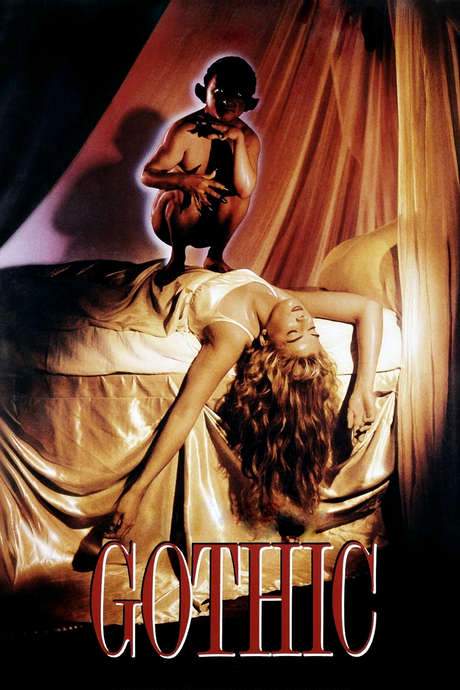
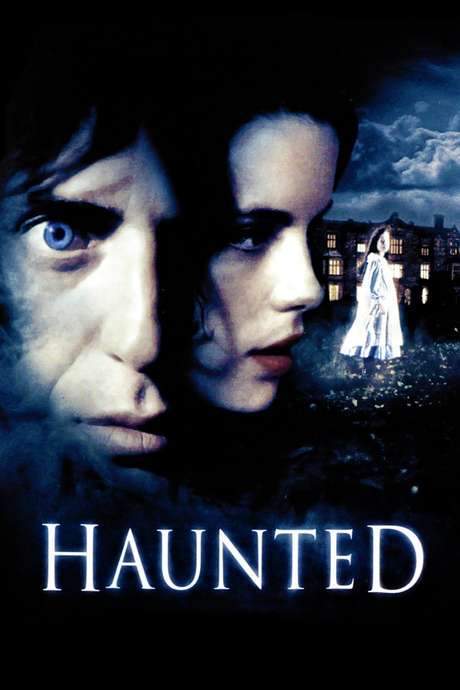
Gothic Psychological Thrillers like The Lost Moment

Atmospheric tales of obsession and madness in decaying, haunted settings. If you enjoyed the gothic mystery and psychological tension of The Lost Moment, you'll find more movies like it here. These films share a moody atmosphere, themes of obsession, and a slow-building sense of dread in hauntingly beautiful settings.

  • gothic
  • haunted
  • obsessive
  • claustrophobic
  • suspenseful
  • melancholic
  • Tone: dark, suspenseful, melancholic
  • Pacing: steady, atmospheric build
Why these movies?

The story pattern: Stories typically follow an outsider's descent into a mysterious and often decaying world. Driven by obsession, they uncover a dark secret or tragic past, which unravels the sanity of those involved, culminating in a fiery or bittersweet resolution.

Why they belong together: These films are grouped by their shared foundation in gothic literature tropes: a brooding atmosphere, a central mystery tied to the past, and characters consumed by psychological turmoil, creating a potent mix of suspense and melodrama.
Movies about obsession with a tragic past like The Lost Moment

Characters whose search for truth unravels a dark history and endangers the present. Discover movies similar to The Lost Moment where a character's relentless pursuit of a lost truth leads to psychological danger. These stories explore the fine line between determination and destructive obsession, often with bittersweet consequences.

  • obsessive
  • tragic
  • psychological
  • deception
  • melancholic
  • suspenseful
  • Tone: dark, bittersweet, tense
  • Pacing: steady, methodical
Why these movies?

The story pattern: A protagonist, often a writer or investigator, becomes consumed with verifying a historical event or obtaining a specific artifact. Their journey reveals a painful truth and forces a confrontation with the past's lingering ghosts, ultimately leading to a resolution that is more tragic than triumphant.

Why they belong together: They share a core narrative engine: an obsessive quest that serves as a catalyst for exploring themes of memory, loss, and the psychological damage of clinging to the past, creating a consistently tense and emotionally resonant experience.

If you liked this

Movies Like The Lost Moment

Similar movies to The Lost Moment: the same genre, themes or kind of story. Each one comes with its own plot summary, timeline and ending explained.

Browse all movie summaries

Every angle

The Lost Moment (1947) Explained: Plot, Timeline & Characters

Everything about The Lost Moment in one place: what happens in the plot summary, the timeline in chronological order, the characters and meaning and a spoiler-free summary. What's After the Movie adds the cast, box office and post-credit scenes.

Coming soon on iOS and Android

The Plot Explained Movie Summary App

Plot summaries, endings explained and timelines on your phone. Catch up on any movie in minutes, save your favorites and never miss a twist again.

Be the first to know when we launch. Your email stays private, always.

Learn more about the app