
The Magic Garden of Stanley Sweetheart
Year: 1970
Runtime: 117 mins
Language: English
Director: Leonard Horn
Stanley Sweetheart needs a new head and he’s growing one in his magic garden A 23-year-old Columbia University dropout seeks his identity during the sexual revolution.
Warning: spoilers below!
Haven’t seen The Magic Garden of Stanley Sweetheart yet? This summary contains major spoilers. Bookmark the page, watch the movie, and come back for the full breakdown. If you're ready, scroll on and relive the story!
The Magic Garden of Stanley Sweetheart (1970) – Full Plot Summary & Ending Explained
Read the complete plot breakdown of The Magic Garden of Stanley Sweetheart (1970), including all key story events, major twists, and the ending explained in detail. Discover what really happened, and what it all means.
Stanley Sweetheart is an aspiring filmmaker and a junior at Columbia University who recently moved to New York City from a wealthy California background. His father is dead, his relationship with his mother is distant, and his family is running short on money. He lives alone in a cramped Manhattan apartment on the Upper West Side, right across from a noisy construction site, with what feels like no real friends to lean on. Bored with lectures and hungry for a sexual outlet, he drifts into fantasies about a beautiful blonde classmate and, one night, stumbles into a local bar where a talkative hippie named Barbara has just reinvented herself as Shayne. A one-night stand with Barbara sparks a complication-filled connection, and Stanley’s eyes soon drift toward Barbara’s striking roommate, Andrea.
On campus, he eventually meets the classmate who has haunted his thoughts and begins to date Cathy. Cathy is sweet, earnest, and a virgin, and she initially rebuffs Stanley’s advances, leaving him frustrated. Over time, they fall in love and settle into a seemingly ordinary domestic rhythm, but Stanley’s restlessness returns. He finds himself fantasizing about Andrea again, even as Cathy’s concerns grow about the promiscuity surrounding her own living situation with her roommate Fran. To test the boundaries of his film-soaked world, Stanley invites Fran over under the guise of creating an underground movie called Masturbation. He drugs Fran slightly, films her in various sexual positions, and she masturbates in a bathtub—an act that culminates in Stanley and Fran having sex. The moment is fraught with guilt, yet Fran soon shows up when Cathy is away, pulling Stanley into an affair that he doesn’t know how to resist.
As the plot unfolds, Stanley drops out of college and accompanies Danny—an older, more sophisticated underground musician with a big appetite for this restless, creative life—to a psychedelic rock concert in a loft space. Danny and his circle, including Barbara and Andrea, drift into Stanley’s apartment, and the group’s hazy energy intensifies as they all smoke pot. The night becomes a turning point: Stanley finally speaks with Andrea, and the attraction he felt before intensifies. Cathy, meanwhile, finds herself drawn to Danny, creating a tangle of competing desires that strains every relationship.
Cathy ultimately ends the relationship, telling Stanley that they have not loved each other for a long time and that she wants to explore life with Danny instead. He drives her out of his life in a moment of anger, yet the absence of Cathy gnaws at him, and he searches for her in a way that reveals how deeply he’s entangled in the chaotic world he’s created. When he confronts Danny about Cathy, Danny admits he doesn’t truly care about Cathy, but he offers no real guidance or reassurance about stopping the drama.
The turn of events pushes Stanley toward Andrea’s apartment, where the mood remains electric and drug-fueled. They smoke together and, as the night deepens, Stanley and Andrea make love, joined later by Barbara. The trio shifts into a makeshift family dynamic, with Stanley playing “big daddy,” Andrea as “mama,” and Barbara as “little sister.” They inhabit this Greenwich Village micro-sphere of shared space, getting high, engaging in group sex, and exploring the margins of their unconventional bond. For a while, Stanley experiences a rare, intense happiness, but the thrill fades and his attention wanes again. When he encounters Cathy at another psychedelic event, he’s so high that he cannot respond to her attempts to reach him, leaving the audience with a haunting sense of the consequences of his lifestyle.
Tragically, Danny shoots himself behind his mother’s house, a stark and brutal consequence of the tangled web of desire and dependence. The morning after, Stanley wakes up at Andrea and Barbara’s apartment, choosing to go uptown to change his clothes. Andrea pleads with him to come back, insisting that she needs him. He promises he will return, but as he walks away, the ending remains deliberately unresolved: it’s unclear whether he will keep that promise or follow a different path, mirroring the uncertainty that has threaded through his entire journey.
Last updated: October 05, 2025 at 11:08
The Magic Garden of Stanley Sweetheart (1970) Plot Questions Answered – Summary FAQ
Explore frequently asked questions about The Magic Garden of Stanley Sweetheart (1970) with spoiler-rich answers covering the full plot summary, major story beats, character motivations, hidden details, and ending meaning. This movie summary FAQ helps explain confusing scenes, plot twists, and narrative decisions in clear, searchable detail.
Why does Stanley cheat on Cathy with Fran?
Stanley cheats on Cathy because he's restless and bored with their domestic life. After Cathy finally agrees to sleep with him, Stanley's desire for novelty pulls him toward other women. He uses the pretense of making an underground film called 'Masturbation' to lure Fran over, drugs her slightly, films her in sexual positions, and then has sex with her. The moment is driven by his need for excitement and his inability to commit, rather than any specific attraction to Fran.
Earlier in the film, Stanley is shown fantasizing about Andrea while with Cathy, establishing his pattern of longing for what he doesn't have.
Why does Cathy break up with Stanley?
Cathy breaks up with Stanley because she sees he's emotionally detached and uninterested in their relationship. She tells Stanley directly that they haven't loved each other for a long time. She chooses to leave with Danny instead, feeling that Danny offers her something Stanley no longer can. Stanley reacts with anger, throwing her out, but the breakup reflects his own emotional unavailability and inability to truly connect despite having partners.
Cathy previously expressed concerns about the promiscuous environment around her roommate Fran, hinting at her growing discomfort with Stanley's behavior.
Why does Danny commit suicide?
Danny shoots himself behind his mother's house as a desperate act that reflects the emotional emptiness and chaos of the lifestyle he and Stanley have been living. Though the film doesn't fully explain his motivations, Danny's apathy toward Cathy when Stanley confronts him, admitting he doesn't truly care about her, suggests a deeper emptiness. His suicide represents the tragic consequence of the hedonistic, drug-fueled world they've inhabited, where genuine connection has been replaced by surface-level pleasure.
Danny's casual dismissal of Cathy's feelings and his general lack of emotional depth foreshadow his inability to cope with the emptiness around him.
Why does Stanley leave Andrea at the end?
Stanley leaves Andrea despite her pleas for him to stay because he's unable to commit to any relationship or lifestyle. Even when he finally achieves the polyamorous arrangement he seemed to want, living with Andrea and Barbara as a makeshift family, he grows bored and restless again. His decision to go uptown to change clothes is an excuse to escape, and the ambiguous ending suggests he may not return, continuing his pattern of running from commitment.
The film establishes Stanley's persistent restlessness early on; he's never satisfied with any relationship or situation for long.
What does the 'magic garden' refer to in the title?
The 'magic garden' refers metaphorically to Stanley's search for identity and meaning in the counterculture world of 1960s New York. Unlike a literal garden where he'd grow a new head as the description suggests, the magic garden represents his experimental lifestyle in Greenwich Village, where he cultivates relationships, experiences, and a new version of himself through drugs, sexuality, and creative exploration. It reflects his attempt to 'grow' a new identity after dropping out of Columbia and leaving his old life behind.
The title hints at the film's focus on personal growth and transformation, though the 'magic' ultimately proves hollow.
Why is Stanley so restless despite being in relationships?
Stanley is restless because he's searching for identity and purpose, not just sexual satisfaction. As a Columbia dropout from a wealthy but emotionally distant family, he's adrift in New York City. He has no real friends, feels disconnected from his mother, and lacks a clear direction. His restlessness drives him from Cathy to Andrea to Barbara, but none of these relationships fill the void because the problem is internal, his inability to know what he actually wants from life.
The film opens with Stanley bored in lectures and seeking 'sexual outlets,' establishing his pattern of looking externally for internal fulfillment.
What was the Masturbation film project about?
The Masturbation project was Stanley's excuse to get Fran alone and film her sexually. He convinced her it was an underground art film, drugged her slightly with alcohol or substances, filmed her in various sexual positions, and filmed her masturbating in a bathtub. After filming, he had sex with her. While framed as artistic exploration, the project reveals Stanley's manipulative side and his use of creativity as a tool for exploitation rather than genuine art.
Stanley is established as an aspiring filmmaker, making the film project seem plausible as a creative endeavor.
Why does Stanley choose Andrea over Cathy?
Stanley doesn't actively 'choose' Andrea so much as he's drawn to what he doesn't have. He had Cathy, a sweet, earnest girlfriend who loved him, but his fantasies always fixated on Andrea, the woman he found compelling from the moment he saw her at the bar. When Cathy leaves for Danny, Stanley pursues Andrea partly from desire and partly from the void left by Cathy's departure. However, his pattern suggests he doesn't truly choose anyone long-term.
From the bar scene, Stanley is immediately attracted to Andrea, foreshadowing his eventual pursuit of her.
What happens at the loft concert with Danny?
At the loft concert, Stanley accompanies Danny, an older underground musician, to a psychedelic rock show in a loft space. This event marks Stanley's full entry into the counterculture world. After the show, Danny, Barbara, and Andrea come to Stanley's apartment, they all smoke pot together, and crucially, Stanley finally connects with Andrea emotionally and physically. The concert serves as a turning point that accelerates the polyamorous dynamics and deepens Stanley's entanglement with this group.
Earlier, Stanley meets Danny and is drawn to his sophisticated, creative lifestyle, suggesting this association would lead to significant changes.
Why can't Stanley respond to Cathy at the psychedelic event?
Stanley cannot respond to Cathy when they meet at another psychedelic event because he's too high to engage meaningfully. His drug-fueled euphoria renders him unresponsive to her attempts at conversation, leaving her reaching out to someone who's mentally absent. This moment underscores how far Stanley has drifted from genuine connection despite surrounded by people and experiences.
The pattern of heavy drug use throughout the film, especially at gatherings, builds to this moment of lost connection.

Explore Movie Threads
Discover curated groups of movies connected by mood, themes, and story style. Browse collections built around emotion, atmosphere, and narrative focus to easily find films that match what you feel like watching right now.
Counterculture Melancholy Movies like The Magic Garden of Stanley Sweetheart
Stories of self-discovery that find sadness within the sexual revolution.If you liked the introspective and melancholic vibe of The Magic Garden of Stanley Sweetheart, explore more films about the 1960s and 70s counterculture that balance hedonism with a deep sense of personal loss and unresolved search for identity.
The Magic Garden of Stanley Sweetheart
1970

September 30, 1955
1977

Darling
1965

Welcome to L.A.
1976

The Promising Boy
1981

Ecstasy
1933
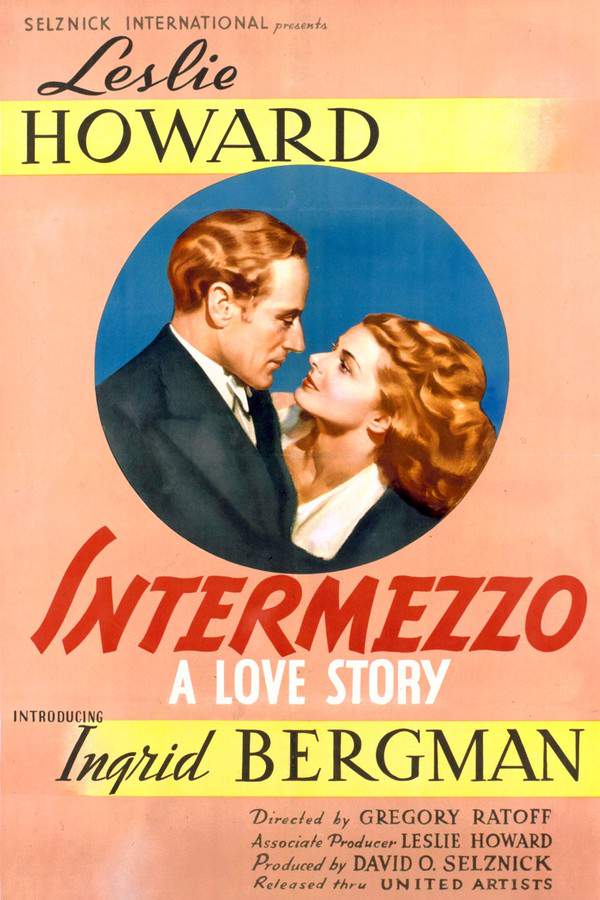
Intermezzo: A Love Story
1939

Bitter Harvest
1963

From the Terrace
1960
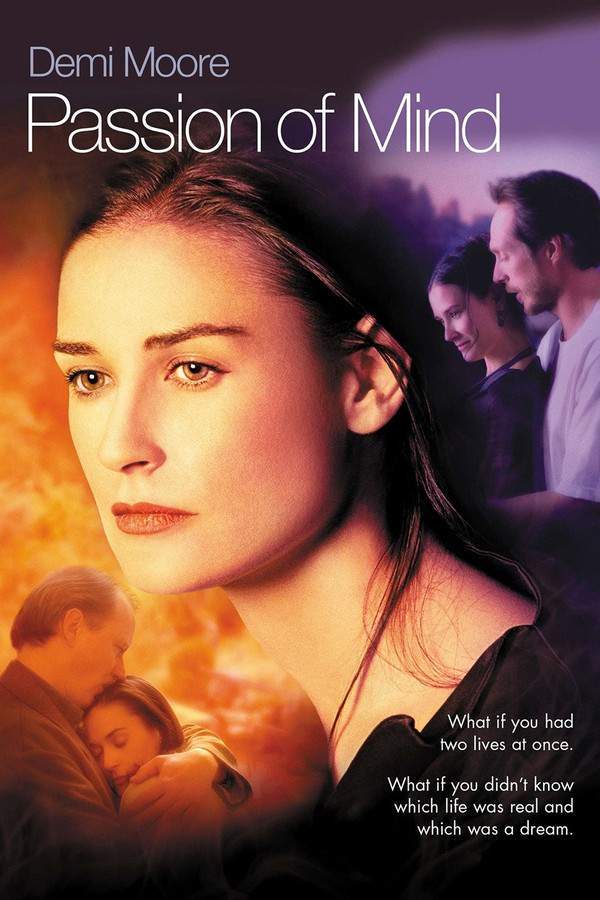
Passion of Mind
2000

Saturday Night and Sunday Morning
1960

Trouble with Sex
2005

Blank Generation
1980

Bare
2015
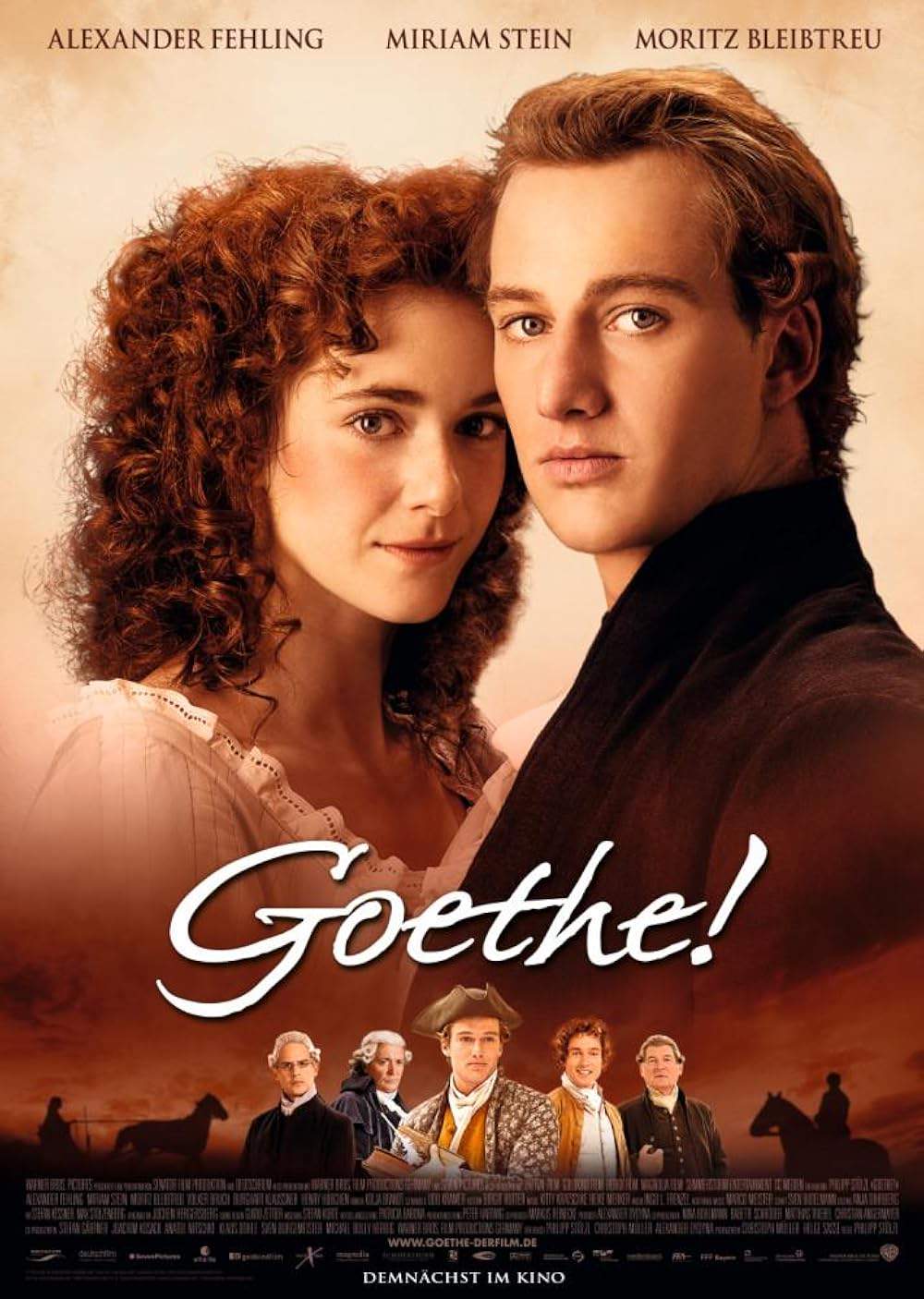
Young Goethe in Love
2011
Narrative Summary
These narratives typically follow a protagonist's journey through a world of drugs, sexual freedom, and anti-establishment ideals. The plot is character-driven, charting a personal descent or awakening where the initial thrill of liberation gives way to a more profound sense of emptiness, confusion, or tragic consequence.
Why These Movies?
Movies are grouped here for their shared atmosphere: a blend of restless, chaotic energy with a deeply melancholic core. They share a steady, observational pace that allows the emotional weight of the characters' choices to settle, often leading to ambiguous or bittersweet endings.
Ambiguous Coming-of-Age Stories like The Magic Garden of Stanley Sweetheart
Character studies where the search for identity doesn't end with easy answers.Discover movies similar to The Magic Garden of Stanley Sweetheart that focus on a young adult's chaotic and introspective journey. These stories feature a steady pace, medium emotional intensity, and an ambiguous ending that mirrors the ongoing struggle for self-identity.

Flights in Dreams and in Reality
1982

C.O.G.
2013
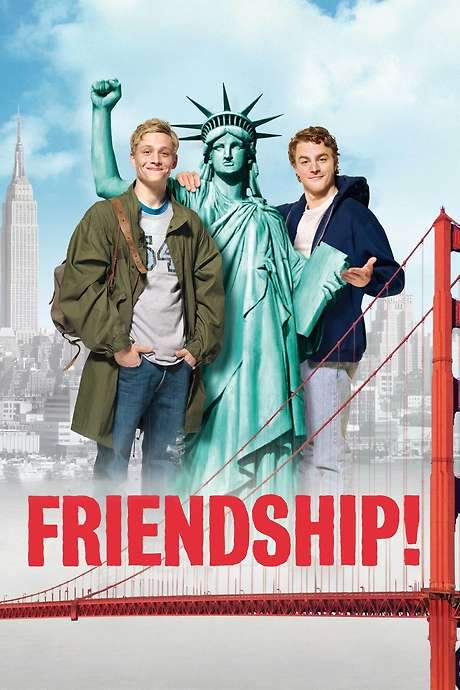
Friendship!
2010

Complete Unknown
2016
Brand: A Second Coming
2015
Film School Confidential
2006
Solitary Man
2010

All the Wilderness
2015

Happythankyoumoreplease
2011

Film Geek
2024

The Feeling That the Time for Doing Something Has Passed
2024

James' Journey to Jerusalem
2004

The Toilers and the Wayfarers
1997

My Happy Family
2017

The Awakening of Motti Wolkenbruch
2019
Narrative Summary
The narrative pattern involves a protagonist, often disillusioned with conventional paths, who experiments with different lifestyles and relationships in an attempt to 'find themselves.' The plot is less about external goals and more about internal turmoil, culminating in an ending that acknowledges the search is never truly over.
Why These Movies?
These films are linked by their shared focus on the complex, often messy process of forging an identity. They prioritize emotional authenticity over plot convenience, resulting in a viewing experience that is introspective and relatable, characterized by a moderate complexity and a tone that balances hope with melancholy.
Unlock the Full Story of The Magic Garden of Stanley Sweetheart
Don't stop at just watching - explore The Magic Garden of Stanley Sweetheart in full detail. From the complete plot summary and scene-by-scene timeline to character breakdowns, thematic analysis, and a deep dive into the ending - every page helps you truly understand what The Magic Garden of Stanley Sweetheart is all about. Plus, discover what's next after the movie.
The Magic Garden of Stanley Sweetheart Timeline
Track the full timeline of The Magic Garden of Stanley Sweetheart with every major event arranged chronologically. Perfect for decoding non-linear storytelling, flashbacks, or parallel narratives with a clear scene-by-scene breakdown.

Characters, Settings & Themes in The Magic Garden of Stanley Sweetheart
Discover the characters, locations, and core themes that shape The Magic Garden of Stanley Sweetheart. Get insights into symbolic elements, setting significance, and deeper narrative meaning - ideal for thematic analysis and movie breakdowns.

The Magic Garden of Stanley Sweetheart Spoiler-Free Summary
Get a quick, spoiler-free overview of The Magic Garden of Stanley Sweetheart that covers the main plot points and key details without revealing any major twists or spoilers. Perfect for those who want to know what to expect before diving in.


Similar Movies to The Magic Garden of Stanley Sweetheart
Discover movies like The Magic Garden of Stanley Sweetheart that share similar genres, themes, and storytelling elements. Whether you’re drawn to the atmosphere, character arcs, or plot structure, these curated recommendations will help you explore more films you’ll love.

The Garden
1991
Garden Party
2008

Sex of Magic
2002

The Garden of Eden
1980

Man of Flowers
1983

Sweet Liberty
1986

Crazy Love
1987

Some Like It Sexy
1969

Alex in Wonderland
1970

The Pleasure Garden
1953

American Sweethearts
1993

The Garden of Torment
1976

Sweet Movie
1974

Garden of Eden
1954

Garden of Eden
2008
Explore More About Movie The Magic Garden of Stanley Sweetheart
The Magic Garden of Stanley Sweetheart (1970) Scene-by-Scene Movie Timeline
The Magic Garden of Stanley Sweetheart (1970) Movie Characters, Themes & Settings
The Magic Garden of Stanley Sweetheart (1970) Spoiler-Free Summary & Key Flow
Movies Like The Magic Garden of Stanley Sweetheart – Similar Titles You’ll Enjoy
The Garden (1991) Full Summary & Key Details
Garden Party (2008) Full Summary & Key Details
Sex of Magic (2002) Detailed Story Recap
The Garden of Eden (1980) Full Summary & Key Details
Man of Flowers (1983) Film Overview & Timeline
Sweet Liberty (1986) Plot Summary & Ending Explained
Crazy Love (1987) Spoiler-Packed Plot Recap
Some Like It Sexy (1969) Full Summary & Key Details
Alex in Wonderland (1970) Story Summary & Characters
The Pleasure Garden (1953) Story Summary & Characters
American Sweethearts (1993) Film Overview & Timeline
The Garden of Torment (1976) Plot Summary & Ending Explained
Sweet Movie (1974) Movie Recap & Themes
Garden of Eden (1954) Complete Plot Breakdown
Garden of Eden (2008) Full Movie Breakdown