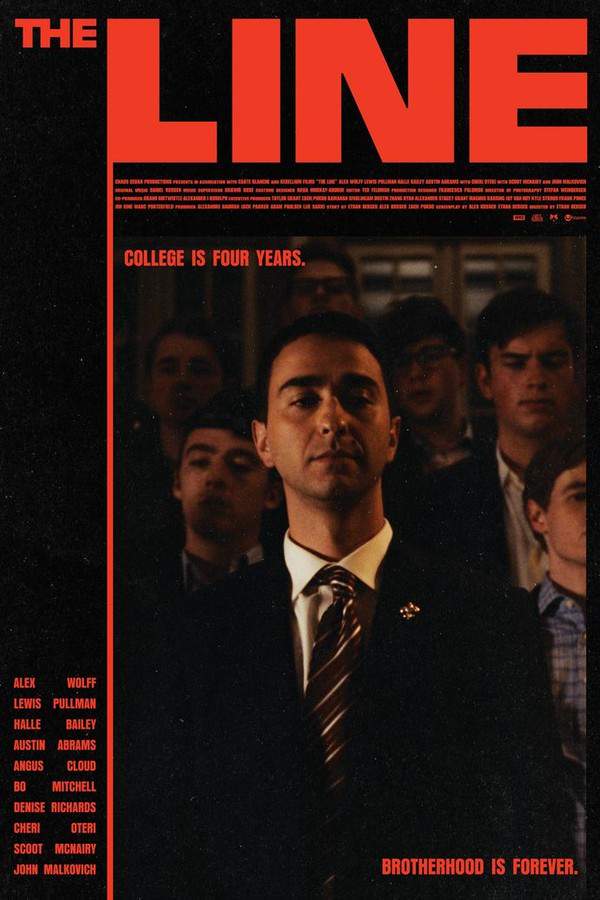
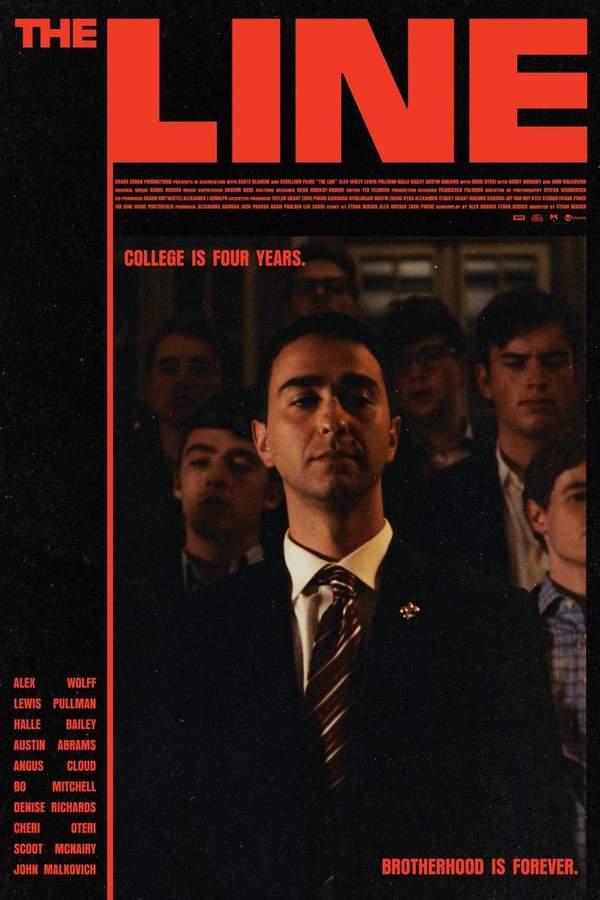
Tom Backster arrives back on campus with plans to reclaim his place at the fraternity, hoping the summer’s end will bring him back to the familiar routine of late nights, fast friendships, and a college life he’s been inching toward since sophomore year began. He’s drawn to the energy of Kappa Nu Alpha (KNA), a house that thrives on grit, tradition, and a certain swagger that makes the risk feel worth it. But the frathouse is not a simple playground; it’s a pressure cooker where personalities clash, ambitions collide, and the line between camaraderie and cruelty can blur in an instant.
The crowd around Tom is a study in contrasts. His best friend and roommate, Mitch, embodies a polished self-assurance that comes from money and influence. He can charm people into almost anything, yet his charm masks a volatile temper and a readiness to bend rules when it suits him. Among the pledges in the incoming class is Gettys O’Brien, a sharp, stubborn voice who immediately grids himself against Mitch. The fray isn’t just about initiation rituals; it’s a contest of leadership and loyalty, with Todd, the fraternal president, leaning toward embracing Gettys into the fold while Mitch resists, arguing that Gettys disrupts the fragile balance of their world.
Tom’s path toward Annabelle, a quiet, studious presence in his classes, offers a counterpoint to the boisterous energy of the frat. He sees in her someone different, and their casual relationship becomes a lifeline that hints at a future beyond hazing and house politics. The Dean of Student Affairs enters the scene with a blunt, professional warning: the university will not tolerate hazing or off-campus retreats that blur the lines of safety and consent. The message lands with heavy gravity, already shaping decisions and tightening the tension inside the house. Todd urges Tom to step into a more conspicuous leadership role, nudging him to steer the group away from reckless acts—an order that Tom, torn between loyalty and the desire to do the right thing, struggles to fully embrace.
Yet the pull of tradition proves stronger than the weight of warnings. Mitch announces a lake retreat, a setting that invites secrecy, ritual, and a rehearsed display of power. With Todd unavailable, Tom steps into a caretaker role, balancing the expectations of the brothers with the looming threat of external scrutiny. When the party can’t secure the spectacle of hired strippers, the group improvises, leaning into the old, dangerous playbook of hazing to prove something to themselves—and to Gettys, who refuses to submit to the same rituals that others endure.
The night escalates from reckless to brutal as Gettys becomes the focal point of a cruel, performative test. The atmosphere tightens as insults fly and the room grows tense with fear, bravado, and a desperate bid for dominance. The confrontation becomes physical, and the moment of violence arrives with shocking speed. Mitch delivers a blow that knocks Gettys to the ground, and the reality of what just happened lands in the sick hush that follows. Gettys’ life ends in an instant, and the house’s echoing sense of bravado fractures into something heavier, something that cannot be undone.
In the aftermath, the group tries to erase the consequences. They devise a plan to dispose of Gettys’ body, moving him into a scenario that complicates responsibility and confuses the boundaries between accident and intent. The pledges are loaded onto a pontoon boat with bags over their heads, a ritualized chaos that mirrors the detachment with which they’ve started to view danger. The body is dumped into the lake, and the scene is framed as an unfortunate accident. The search for Gettys’ body proves fruitless, leaving a chilling vacuum that will haunt all involved.
The investigation narrows its gaze on Tom, who faces questions with a careful reluctance to reveal, protecting the group as best he can. He refuses to expose details that might unravel each person’s own sense of self-preservation. A fragile intimacy develops with Annabelle, and Tom confesses in a moment of fear and desperation that Gettys was dead before the boat ride began. He seeks comfort in her judgment and honesty, but Annabelle’s response is not the reassurance he seeks—she rejects the confession, and Tom’s world closes in on him, his guilt crystallizing into a decision that cannot be reversed. The fallout is swift: all the sophomores involved in the plan are expelled, and Tom’s own future at the fraternity is severed as well.
Two years pass, and Tom’s life takes on a quieter cadence. He makes progress at a community college in his hometown, working at a local bar and trying to put the past behind him. Mitch resurfaces, a familiar silhouette at the edge of the doorway, attempting to rekindle their old rapport. Tom declines, recognizing that Mitch has not changed in the ways that would make amends possible. The film closes on a scene of domestic normalcy—Tom eating pasta with his mother—while a TV in the background broadcasts a news report that ties the past to the present: another pledge has died as a result of hazing, continuing a grim pattern that stretches back to 1969. The news lands with a quiet, inexorable weight, suggesting that the memories of that summer and the choices made in its wake remain with Tom, shaping his view of home, loyalty, and responsibility.
This is a story rooted in the tension between belonging and accountability, where the pursuit of tradition collides with the reality of harm, and where a single night’s tragedy echoes through years of quiet consequence. It examines how quickly a group’s camaraderie can tilt toward coercion, how easily bystanders become complicit, and how one young man must navigate the ache of having survived a moment that forever changes the course of his life.