








Plot Explained Spoilers guaranteed!
Plot Explained

Browse by genre

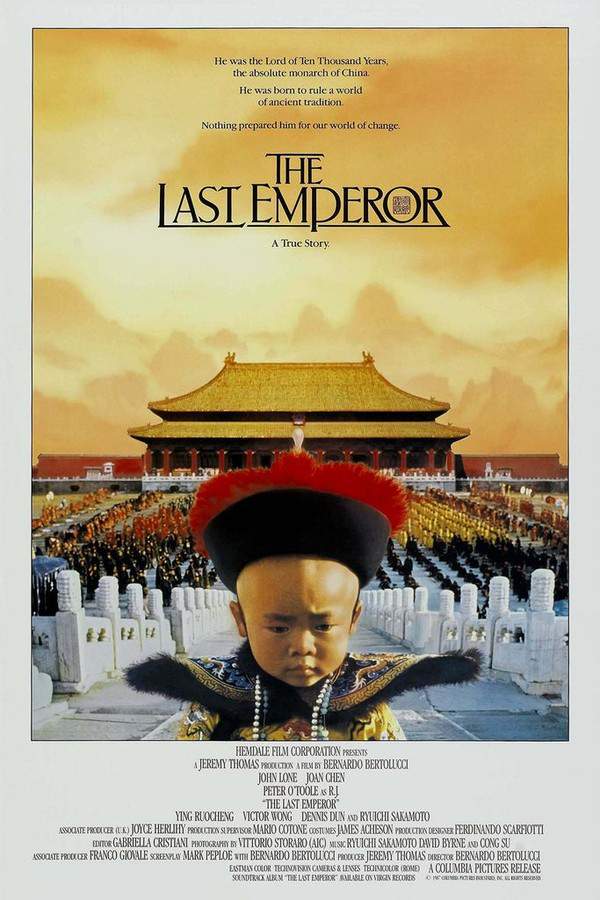
The Last Emperor (1987) movie poster

Spoiler-Free Summary

The Last Emperor (1987) Spoiler-Free Summary – What It's About

Release, runtime and language
1987 · 163 min · English
JustWatch #5,708 2
Directed by
Bernardo Bertolucci
Starring
Peter O'Toole, Joan Chen, John Lone

This epic biographical drama chronicles the life of China's last emperor, Pu Yi, portrayed by John Lone. The film explores his privileged upbringing within the Forbidden City, showcasing the opulence and grandeur of imperial life. It follows his journey through the dramatic changes in China, from the fall of the Qing Dynasty to his imprisonment and subsequent rehabilitation as a war criminal in 1950. Through Pu Yi’s experiences, the film offers a poignant look at the collapse of an empire and the shifting dynamics of power.

On this page (7)
  1. 1 Where to watch
  2. 2 What it is about
  3. 3 Is it worth watching?
  4. 4 After you watch
  5. 5 Movie threads
  6. 6 Movies like The Last Emperor
  7. 7 Every angle

Where to watch

Where to Watch The Last Emperor (1987)

Where can you watch The Last Emperor? Stream, rent or buy it in the US, including on HBO Max, Amazon Video and Apple TV Store: current JustWatch availability with up-to-date prices.

Streaming availability powered by JustWatch

Spoiler-free summary · safe to read

What Is The Last Emperor About? (No Spoilers)

The plot of The Last Emperor (1987) without spoilers: what it is about, who it follows and where it takes place, told without the twists or the ending. Enough to decide whether it is your next watch, not enough to ruin it.

In the waning days of imperial China, the camera drifts through the silken corridors of the Forbidden City, capturing a world of lacquered thrones, echoing footfalls, and the weight of ancient ceremony that still clings to every marble column. The film’s visual palette is lush yet restrained, allowing the grandeur of the palace to sit beside the quiet stir of a nation on the brink of transformation. A measured, contemplative score underscores a tone that feels both intimate and epic, inviting the audience to breathe in the scent of incense and the distant rumble of change.

At the heart of this tableau is Pu Yi, a child thrust onto the Dragon Throne by destiny and decree. Even as a toddler, his eyes flicker between wonder and bewilderment, reflecting the paradox of a life lived behind gilded walls yet forever isolated from the world outside. Served by a steady stream of eunuchs, tutors, and caretakers, he is taught the rituals of rulership while yearning for the simple comforts of a normal childhood—a longing that quietly drives his inner conflict throughout the story.

The palace’s timeless rituals are juxtaposed with a China that is rapidly shedding its old skin. Against this backdrop, Pu Yi encounters figures who whisper of a world beyond the throne—most notably a cultured foreign tutor whose presence hints at ideas of modernity, education, and personal agency. Their interactions are gentle probes that illuminate the emperor’s yearning to understand a realm far removed from the rigid hierarchy that defines his existence.

As the narrative unfolds, the film balances the dazzling spectacle of imperial splendor with the subtle, often painful, emergence of a man forced to reconcile his inherited identity with the shifting tides of history. The mood remains contemplative, inviting viewers to sense the quiet tension between past and future, power and vulnerability, as Pu Yi begins his quiet, inexorable journey toward self‑discovery.

Last updated: August 10, 2025 at 13:39

Was this helpful?

What to expect

Is The Last Emperor Worth Watching? What It Feels Like

Is it dark, sad, slow, intense or confusing? The mood of The Last Emperor (1987) in a few tags, without a word about how it ends. Each tag opens a list of movies that feel the same.

After you watch

Seen The Last Emperor? Now Read the Spoilers

Once you have watched The Last Emperor (1987), come back for the full story: the plot summary with spoilers, the timeline in chronological order, the characters and meaning.

Movie threads

More Movies Like The Last Emperor, by Mood & Story

Curated lists built around what makes The Last Emperor tick: the same mood, the same kind of story or the same emotional payoff. Each list explains why these movies belong together.

Historical Epics about the Fall of an Empire like The Last Emperor

Epic historical dramas about the personal cost of a dynasty's end. If you were captivated by the grand scale and personal tragedy of The Last Emperor, explore these movies like it. This collection features similar historical dramas and biographical stories about the collapse of empires, the loss of power, and the poignant human stories at the center of world-changing events.

  • epic
  • historical
  • somber
  • reflective
  • opulent
  • tragic
  • Tone: melancholic, somber, reflective
  • Pacing: variable, epic scope
Why these movies?

The story pattern: Stories in this thread typically follow a linear or nonlinear path tracing the zenith and nadir of a powerful figure or institution. The narrative juxtaposes opulent heights with profound loss, often using a character's personal journey to symbolize the fate of an entire nation or era.

Why they belong together: Movies are grouped here for their shared focus on monumental historical change, their epic scope, and their melancholic tone. They all explore the heavy emotional weight of witnessing a world disappear, often through the eyes of someone who once ruled it.

Movies about Imprisonment and Identity like The Last Emperor

Stories of personal transformation and self-discovery through imprisonment. If you liked The Last Emperor's focus on Pu Yi's transformation, discover these movies about imprisonment and identity. This collection features similar stories of characters stripped of power who must rebuild their sense of self, often with a bittersweet ending and a heavy emotional journey.

  • somber
  • reflective
  • lonely
  • hopeful
  • psychological
  • redemptive
  • Tone: somber, reflective, bittersweet
  • Pacing: slow, character-driven
Why these movies?

The story pattern: The narrative arc hinges on a forced isolation that catalyzes a deep identity crisis. The story contrasts a character's life before and during confinement, focusing on their internal struggle and eventual, hard-won acceptance or redefinition of self, rather than a conventional escape.

Why they belong together: These films share a core theme of identity reconstruction amid constraint. They are united by a somber, reflective mood, a focus on internal psychological change over external action, and an ending that acknowledges loss while offering a glimpse of peace or understanding.

If you liked this

Movies Like The Last Emperor

Similar movies to The Last Emperor: the same genre, themes or kind of story. Each one comes with its own plot summary, timeline and ending explained.

Browse all movie summaries

Every angle

The Last Emperor (1987) Explained: Plot, Timeline & Characters

Everything about The Last Emperor in one place: what happens in the plot summary, the timeline in chronological order, the characters and meaning and a spoiler-free summary. What's After the Movie adds the cast, box office and post-credit scenes.

Coming soon on iOS and Android

The Plot Explained Movie Summary App

Plot summaries, endings explained and timelines on your phone. Catch up on any movie in minutes, save your favorites and never miss a twist again.

Be the first to know when we launch. Your email stays private, always.

Learn more about the app