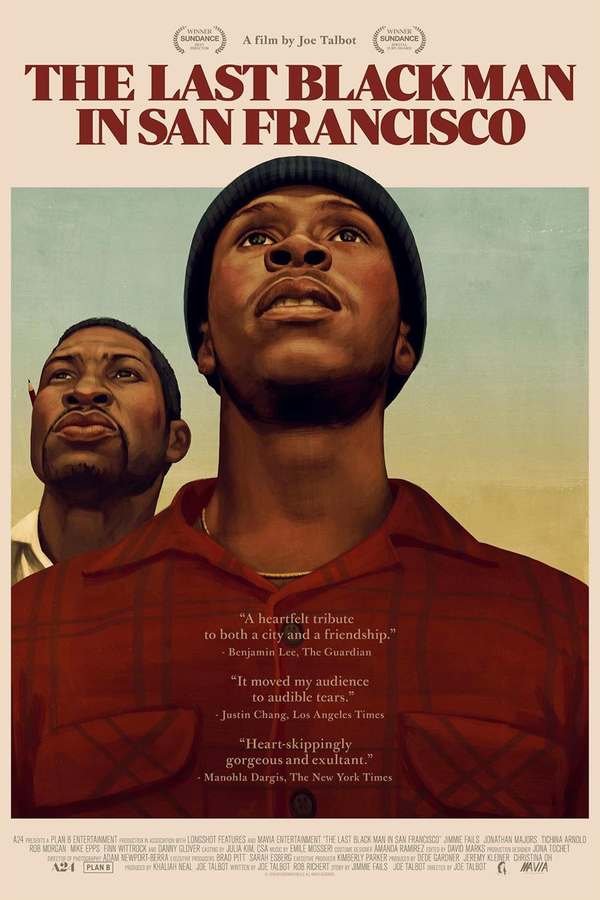
The Last Black Man in San Francisco

The Last Black Man in San Francisco

Year: 2019

Runtime: 121 min

Language: English

Director: Joe Talbot

Echo Score: 83
Drama

Amidst the changing landscape of San Francisco, Jimmie Fails grapples with his family's history and a disappearing community. He and his friend Mont are drawn to a grand Victorian house that once belonged to Jimmie’s grandfather, a celebrated writer. As they attempt to reclaim the house, they confront themes of displacement, memory, and the struggle to preserve identity in a rapidly evolving city, reflecting on what it means to belong.

Where to Watch The Last Black Man in San Francisco?

Find where to stream, rent, or buy The Last Black Man in San Francisco (2019) in the US with current JustWatch availability, up-to-date pricing, and platform listings for subscription, rental, and digital purchase options.

Warning: spoilers below!

Haven’t seen The Last Black Man in San Francisco yet? This summary contains major spoilers. Bookmark the page, watch the movie, and come back for the full breakdown. If you're ready, scroll on and relive the story!

Timeline & Setting – The Last Black Man in San Francisco (2019)

Explore the full timeline and setting of The Last Black Man in San Francisco (2019). Follow every major event in chronological order and see how the environment shapes the story, characters, and dramatic tension.

Time period

21st century

The movie is set in the 21st century, a period marked by rapid urban development and social change in cities across America. This era witnesses movements against gentrification, highlighting the struggles of marginalized communities and their fight for preservation of cultural identity.

Location

San Francisco, Bayview–Hunters Point, Fillmore District

San Francisco is a vibrant city known for its iconic landmarks and rich history. Bayview–Hunters Point is a neighborhood within the city, characterized by its community spirit and ongoing changes due to gentrification. The Fillmore District, historically significant for its African American culture, is home to Victorian houses and has witnessed substantial transformations over the years.

🏙️ City 🏡 Neighborhood

Last updated: December 12, 2024 at 23:08

Was this helpful?

Main Characters – The Last Black Man in San Francisco (2019)

Meet the key characters of The Last Black Man in San Francisco (2019), with detailed profiles, motivations, and roles in the plot. Understand their emotional journeys and what they reveal about the film’s deeper themes.

Jimmie Fails

Jimmie is a young man searching for identity and belonging within his evolving city. He often reflects on his family's past and grapples with feelings of loss associated with gentrification. His deep bond with Mont and introspective nature drive his journey as he navigates personal and communal struggles.

👤 Protagonist 🏘️ Identity

Montgomery Allen

Montgomery, known as Mont, is Jimmie's supportive best friend, embodying loyalty and creativity. He serves as Jimmie's anchor amidst chaos, and his artistic talent is showcased through the play he writes. Mont's character illustrates the complexities of friendship and the pursuit of understanding in the face of adversity.

👫 Friendship 🎭 Creativity

Grandpa Allen

Grandpa Allen provides wisdom and a sense of familial connection within Mont's life, often reflecting on the past. His character represents the generational struggles and the significance of history in shaping identity. He is a comforting figure amid the challenges faced by the younger characters.

👴 Family 🌳 Heritage

Kofi

Kofi is a childhood friend of Jimmie and Mont, whose tragic fate serves as a catalyst for key events in the story. His character highlights issues of violence and acceptance within their community. Kofi's interactions reveal the struggles of young men seeking their place in a changing society.

🕊️ Tragedy ⚔️ Conflict

Last updated: December 12, 2024 at 23:08

Was this helpful?

Major Themes – The Last Black Man in San Francisco (2019)

Explore the central themes of The Last Black Man in San Francisco (2019), from psychological, social, and emotional dimensions to philosophical messages. Understand what the film is really saying beneath the surface.

🌆 Gentrification

The theme of gentrification is central to the movie, reflecting the tension between long-time residents and newer, often wealthier, inhabitants. The characters navigate a city that is changing around them, grappling with feelings of loss and the erosion of community. Their experiences underscore the impact of urban development on personal histories and cultural heritage.

💔 Friendship

Friendship serves as a pivotal theme, particularly between Jimmie and Mont. Their bond is tested through trials and misunderstandings, yet it highlights the importance of connection and support in times of crisis. As they face the challenges of grief and identity, their friendship becomes a source of strength, even amid tumultuous circumstances.

🏡 Identity

Identity is explored through Jimmie's connection to the Victorian house and his family's history. The narrative delves into themes of belonging and the quest for self-discovery, as Jimmie confronts the myths of his past. This theme resonates through his interactions with other characters and the city itself, prompting reflections on heritage and personal narratives.

Last updated: December 12, 2024 at 23:08

Was this helpful?

The Last Black Man in San Francisco (2019) Character & Theme Questions Answered – Info FAQ

Browse frequently asked questions about The Last Black Man in San Francisco (2019) focused on characters, relationships, themes, symbols, setting, and story context. This movie info FAQ gives spoiler-aware explanations for character arcs, world details, and thematic interpretation so readers can better understand what the film is really about.

Q1

Where is The Last Black Man in San Francisco set?

A.

The movie takes place in San Francisco, primarily focusing on the Bayview-Hunters Point and Fillmore District neighborhoods. These areas are depicted as communities with deep African American cultural roots that are undergoing significant transformation due to gentrification.

san franciscobayview-hunters pointfillmore districtsettingneighborhoods
Q2

What does the movie say about gentrification?

A.

The film directly addresses gentrification by showing how long-time residents are being displaced by wealthier newcomers. Jimmie and Mont navigate a city that is literally changing around them, experiencing feelings of loss and the erosion of community. The story highlights how urban development impacts personal histories and cultural heritage.

gentrificationdisplacementurban developmentcommunitysan francisco
Q3

Who is Jimmie Fails in the movie?

A.

Jimmie Fails is the protagonist, a young Black man searching for identity and belonging in his rapidly changing city. He is deeply connected to his family's past and haunted by feelings of loss associated with gentrification. His introspective nature drives his journey as he navigates both personal and communal struggles.

jimmie failsprotagonistidentitybelongingprotagonist
Q4

Who is Mont and what role does he play?

A.

Montgomery (Mont) Allen is Jimmie's best friend and primary support system throughout the film. He embodies loyalty and creativity, serving as Jimmie's anchor amid chaos. An aspiring playwright, Mont's artistic talent is showcased through a play he writes, and his character illustrates the complexities of friendship during hardship.

montgomery allenmontbest friendloyaltysupporting character
Q5

What is the significance of the Victorian house in the story?

A.

The Victorian house represents Jimmie's connection to his family's history and his quest for belonging. The grand house once belonged to Jimmie's grandfather, a celebrated writer, and serves as a symbol of heritage and identity. Jimmie's attempts to reclaim the house drive much of the film's emotional core.

victorian housegrandfatherfamily historyheritagereclamation
Q6

What themes of identity are explored in the film?

A.

The movie explores identity through Jimmie's connection to the Victorian house and his family's history. The narrative delves into belonging and self-discovery as Jimmie confronts the myths of his past. This theme resonates through his interactions with other characters and the city itself, prompting reflections on heritage and personal narratives.

identitybelongingheritageself-discoveryfamily history
Q7

What is the Fillmore District's significance in the movie?

A.

The Fillmore District is depicted as a historically significant neighborhood for San Francisco's African American culture, home to Victorian houses. The film shows it has witnessed substantial transformations over the years, reflecting the broader theme of cultural displacement and loss of community spaces.

fillmore districtafrican american culturevictorian houseshistorical significance
Q8

Who is Kofi in The Last Black Man in San Francisco?

A.

Kofi is a childhood friend of Jimmie and Mont whose tragic fate serves as a catalyst for key events in the story. His character highlights issues of violence and acceptance within their community, representing the struggles of young Black men seeking their place in a changing society.

kofichildhood friendtragedycommunity struggles
Q9

Who is Grandpa Allen in the film?

A.

Grandpa Allen is Mont's grandfather and provides wisdom and a sense of familial connection. Played by Danny Glover, he often reflects on the past and represents generational struggles. His character emphasizes the significance of history in shaping identity, serving as a comforting figure amid the challenges faced by the younger characters.

grandpa allendanny gloverwisdomgenerational strugglesfamily
Q10

How is friendship portrayed in the movie?

A.

Friendship is a pivotal theme, particularly between Jimmie and Mont. Their bond is tested through trials and misunderstandings, yet it highlights the importance of connection and support during crisis. As they face grief and identity struggles, their friendship becomes a source of strength, even amid tumultuous circumstances.

friendshipjimmie and montloyaltysupportbond
Q11

When does the movie take place?

A.

The film is set in the 21st century, during a period marked by rapid urban development and social change in American cities. This era specifically witnesses heightened movements against gentrification, highlighting the struggles of marginalized communities fighting to preserve their cultural identity.

21st centurymodern eragentrification eratime period
Q12

What does the movie say about belonging?

A.

The film examines what it means to belong in a rapidly evolving city. Through Jimmie's journey of attempting to reclaim his grandfather's house, the movie explores the painful process of redefining one's identity and connection to place. The ending is bittersweet, Jimmie leaves the city but finds personal closure and carries his profound friendship with him.

belongingdisplacementidentitypersonal closureemotional journey
Mobile App Preview

Coming soon on iOS and Android

The Plot Explained Mobile App

From blockbusters to hidden gems - dive into movie stories anytime, anywhere. Save your favorites, discover plots faster, and never miss a twist again.

Sign up to be the first to know when we launch. Your email stays private, always.

Explore Movie Threads

Discover curated groups of movies connected by mood, themes, and story style. Browse collections built around emotion, atmosphere, and narrative focus to easily find films that match what you feel like watching right now.

Urban melancholia and the search for home like in The Last Black Man in San Francisco

Character-driven stories exploring identity and belonging in changing cityscapes.If you were moved by the contemplative exploration of place and identity in The Last Black Man in San Francisco, this thread features other movies like it. Discover similar character-driven dramas that use changing urban landscapes to tell bittersweet stories about grief, legacy, and the meaning of home.

melancholicnostalgicatmosphericcontemplativewistfulautobiographicalpoignantlonely

Narrative Summary

Narratives in this thread often follow a protagonist's quiet, introspective journey to reclaim or understand their past within a city that no longer resembles their memories. The central conflict is less about external action and more about an internal struggle with displacement and the painful redefinition of self in relation to a vanishing world.

Why These Movies?

These films are grouped by their shared melancholic tone, deliberate pacing, and heavy emotional weight derived from themes of urban change and personal loss. They create a specific, wistful mood through atmospheric cinematography and a focus on character introspection over plot.
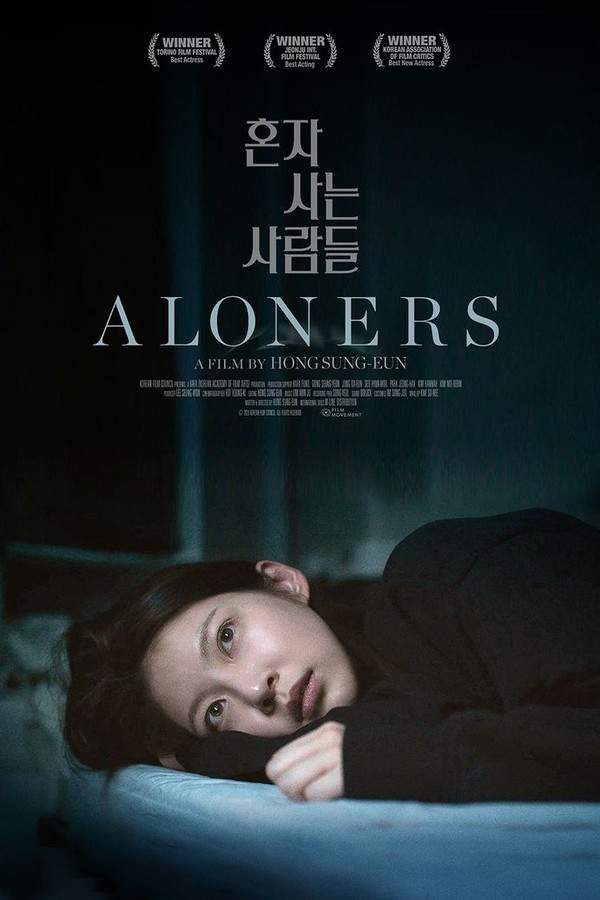

Bittersweet journeys of disillusionment like in The Last Black Man in San Francisco

Stories where characters confront painful truths to find a new kind of peace.Fans of the poignant and bittersweet ending of The Last Black Man in San Francisco will find more movies like it here. This thread features stories where characters undergo a painful process of disillusionment, leading to a resolution that mixes sadness with a hard-won sense of acceptance and closure.

bittersweetpoignantreflectiveheartbreakingacceptancedisillusionmentintrospectiveemotional

Narrative Summary

The pattern involves a protagonist clinging to an idealized version of their past or identity. A key revelation or series of events forces them to confront a painful truth, dismantling their foundational narrative. The story concludes not with a clear victory, but with a poignant mix of loss for what was imagined and a quiet acceptance of a new, more complex reality.

Why These Movies?

Movies in this thread share a specific emotional trajectory: a heavy emotional weight built on grief or loss, a moderate narrative complexity often involving a pivotal truth, and a consistently bittersweet ending feel. The pacing is often slow to allow for deep character introspection throughout this difficult emotional process.

Unlock the Full Story of The Last Black Man in San Francisco

Don't stop at just watching - explore The Last Black Man in San Francisco in full detail. From the complete plot summary and scene-by-scene timeline to character breakdowns, thematic analysis, and a deep dive into the ending - every page helps you truly understand what The Last Black Man in San Francisco is all about. Plus, discover what's next after the movie.

The Last Black Man in San Francisco Summary

Read a complete plot summary of The Last Black Man in San Francisco, including all key story points, character arcs, and turning points. This in-depth recap is ideal for understanding the narrative structure or reviewing what happened in the movie.

The Last Black Man in San Francisco Summary

The Last Black Man in San Francisco Timeline

Track the full timeline of The Last Black Man in San Francisco with every major event arranged chronologically. Perfect for decoding non-linear storytelling, flashbacks, or parallel narratives with a clear scene-by-scene breakdown.

The Last Black Man in San Francisco Timeline

The Last Black Man in San Francisco Spoiler-Free Summary

Get a quick, spoiler-free overview of The Last Black Man in San Francisco that covers the main plot points and key details without revealing any major twists or spoilers. Perfect for those who want to know what to expect before diving in.

The Last Black Man in San Francisco Spoiler-Free Summary

More About The Last Black Man in San Francisco

Visit What's After the Movie to explore more about The Last Black Man in San Francisco: box office results, cast and crew info, production details, post-credit scenes, and external links - all in one place for movie fans and researchers.

More About The Last Black Man in San Francisco

Similar Movies to The Last Black Man in San Francisco

Discover movies like The Last Black Man in San Francisco that share similar genres, themes, and storytelling elements. Whether you’re drawn to the atmosphere, character arcs, or plot structure, these curated recommendations will help you explore more films you’ll love.