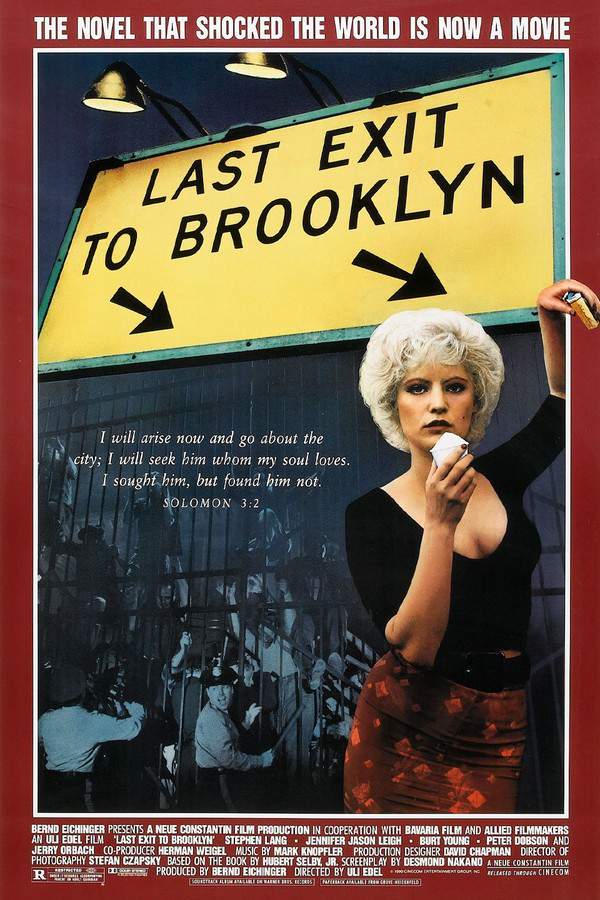
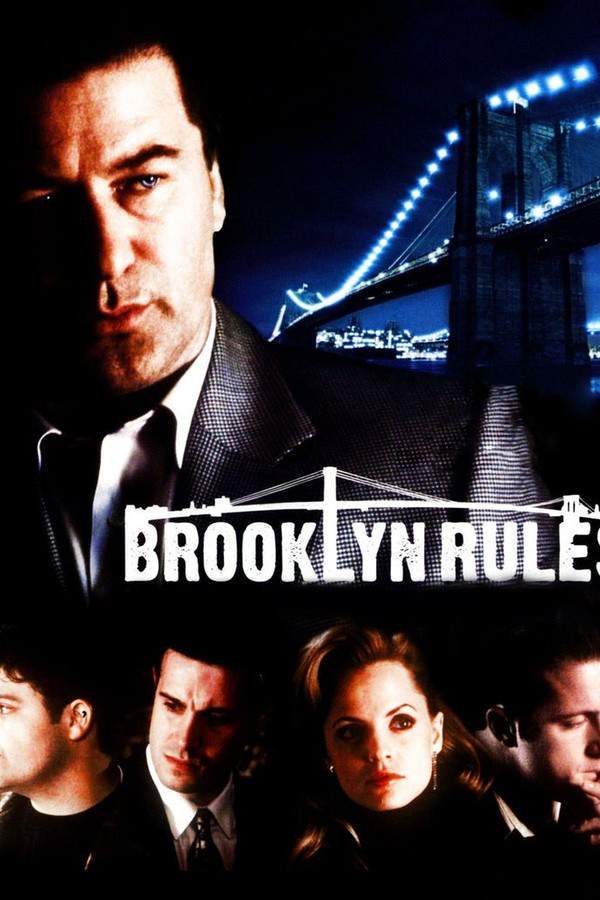
In 1952 Brooklyn, the local factory strike has stretched into its sixth month, casting a long shadow over the workplace and the lives intertwined with it. At the center of the action is Harry Black, a shop steward who relishes his new role as strike secretary. The position is financially more rewarding than his old job, and it gives him an excuse to step out of the house, where his wife remains unaware that Harry is gay. Across the picket line, Boyce, the union’s steadfast leader, tries to broker a path between management and the workers, navigating stubborn pride, nerves, and the pressure of keeping the strike alive.
Meanwhile, the world outside the factory gates is teeming with danger and desire. Tralala moves through the streets as a prostitute who lures sailors to a vacant lot only to be robbed by her pimp, Vinnie. Her life intersects with Georgette, a young transgender woman who carries a quiet crush on Vinnie, adding a layer of unspoken longing to the tense atmosphere of the strike. Among the workers, Big Joe discovers that his daughter is pregnant out of wedlock by Tommy, a charismatic factory worker known for riding a motorcycle. This revelation erupts into a confrontation at the strike office, igniting a heated fight that highlights the fault lines between loyalty, tradition, and the fragility of family bonds.
Amid the personal turmoil, Tommy proposes marriage to Joe’s daughter, but the baby is born before the ceremony, complicating everyone’s plans. At the wedding party, Joe’s temper resurfaces, and another clash nearly threatens the fragile new life they hope to build together. In a parallel thread, Harry crosses paths with Regina, another transgender woman, and a genuine romance begins to bloom. The union is tested by the realities of a strike that stops trucks from leaving the facility; when a riot erupts, the police deploy water cannons and tear gas to disperse the crowd. Harry sustains injuries in a fight with one of the strikebreaking drivers, a moment that turns him into something of a hero in the eyes of the strikers, even as the emotional costs of the conflict accumulate.
As the strike intensifies, Harry introduces Vinnie to Boyce, who agrees to a drastic plan to destroy the trucks of the contractor responsible for the disruption. This agreement marks a turning point, as Boyce later fires Harry after uncovering an abuse of expenses and Harry’s absence on the morning the trucks arrived. The personal fallout continues with Harry’s return to Regina, only to be cast out once more, leaving him heartbroken. The cycle of violence deepens when Harry is badly beaten by Vinnie and his associates, with Georgette drawn into the aftermath, highlighting how anger and coercion ripple through every relationship touched by the strike.
On a separate strand of Tralala’s life, she encounters a kind sailor in Manhattan who seems to love her and invites her to move in. When he's sent away to war, he leaves her a hopeful note that he might return to rekindle their relationship. But despair overtakes her: she drifts back to one of her old haunts, where she drunkenly shows herself to a mixed crowd of locals and sailors, and then urges the men to have sex with her. The sequence escalates into a gang rape, leaving Tralala catatonic on a mattress, eventually found by Joe’s son, a grim reminder of how exploitation and violence can shadow love and longing.
As Tommy’s wedding approaches, the mood brightens briefly when Boyce announces that management has caved and the factory will reopen on Monday, a victory that promises a return to work and a sense of normalcy. The story closes with that moment of tentative optimism: on Monday, as the workers reclaim their roles, Joe welcomes Tommy into the family and offers him practical marital advice, suggesting that, even in the midst of upheaval, there is a path toward a peaceful life together.






























-BWLBvsOkcVv1og.jpg)


