Plot Explained Spoilers guaranteed!
Plot Explained

Browse by genre

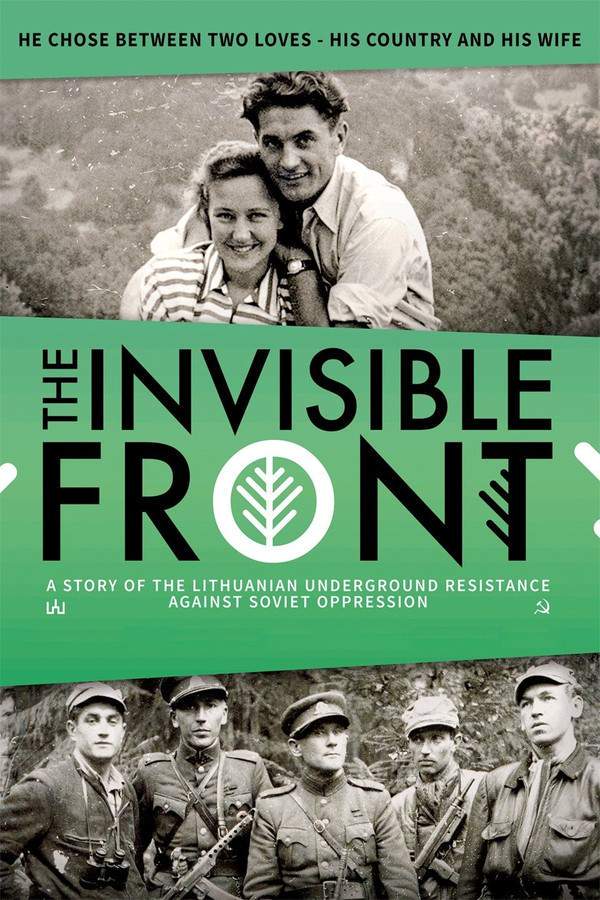
The Invisible Front (2014) movie poster

Plot Summary

The Invisible Front (2014) Plot Summary Explained

Release, runtime and language
2014 · 76 min · English
Loading streaming availability…
Directed by
Jonas Ohman, Vincas Sruoginis

During the Soviet occupation of Lithuania in 1944, a group of young people formed the Forest Brothers, a guerrilla army resisting the invaders. Juozas Luksa, a charismatic leader and writer, initially found love and documented his experiences in Paris before being air-dropped back to lead the liberation effort. Alongside his brothers, he faced immense danger, their struggle and sacrifices revealed through his personal writings and heartfelt letters to Nijole, offering a glimpse into a nation’s fight for freedom.

On this page (5)
  1. 1 Where to watch
  2. 2 What happens: full plot
  3. 3 Plot questions answered
  4. 4 Movie threads
  5. 5 Every angle
Loading streaming availability…

Full plot summary · contains spoilers

What Happens in The Invisible Front: Full Plot Summary

The whole story of The Invisible Front (2014) explained, from the opening scene to the final frame: every key event, every twist and what it all adds up to. Read it as a quick recap before the sequel, to check a scene you missed, or to finally understand what really happened.

The Invisible Front serves as the covert title assigned by the Soviet Interior Forces to the armed resistance that emerged in the occupied territories of the former Soviet Union. This movement began to take shape almost spontaneously in 1940 and reemerged in 1944, persisting in various capacities—both armed and unarmed—until the collapse of the Soviet Union in 1991. At the heart of this compelling narrative is the journey of Juozas Luksa, along with his comrades, the Forest Brothers, as they fought against oppression.

This documentary aims to illuminate the complexities of the underground resistance through powerful interviews and access to never-before-seen archival footage. It stands as a groundbreaking tribute to a fading legacy. Over the course of four years, a dedicated team, including Mark Ryan, Mark Johnston, Jonas Ohman, and Vincas Sruoginis, has captured the essence of this struggle on location in New York, Washington DC, Estonia, Latvia, and Lithuania.

With over 50 interviews under their belt, they have spoken with dignitaries such as President Adamkus of Lithuania and President Zatlers of Latvia, as well as CIA operatives and US government officials, uncovering the stories of those from the Baltic Nations who not only resisted Stalin and his regime but also those who supported Moscow.

Through the lens of these diverse perspectives, the documentary seeks to paint a nuanced picture of a conflict that played a crucial role in the eventual demise of the Soviet Union, which transpired 50 years after its ignition. It provocatively examines the personal choices faced during times of adversity and repression.

Utilizing reenactments, historic footage from LTV and the National Archives in Washington DC, interviews with actual participants, and firsthand access to documents and photographs through the KGB museum, the film presents an authentic portrayal of Lithuanian armed resistance and its tragic consequences. The voice of Juozas Luksa, narrated by Andrius Mamantovas, harmonizes the compelling accounts of individuals who either observed the turmoil or actively participated in the underground movement. Many of these interviewees are among the very few individuals who lived through this era and witnessed the fall of the Soviet Union—their insights contributing to a broader western understanding of this pivotal historical chapter.

Last updated: October 25, 2024 at 10:50

Was this helpful?

Plot questions answered

The Invisible Front Plot Explained: Your Questions Answered

The questions people ask most about The Invisible Front (2014): what happens in the confusing scenes, why the characters do what they do, the twists, hidden details and what the ending means. Each answer contains spoilers.

Q1

Why was Juozas Luksa air-dropped back to Lithuania?

Juozas Luksa was air-dropped back to Lithuania by Allied forces because he was chosen to lead the armed resistance against the Soviet occupation. After experiencing life in Paris and documenting his experiences as a writer, he was selected for this dangerous mission due to his leadership abilities and commitment to Lithuanian independence. His training and Western connections made him an ideal candidate to coordinate the guerrilla efforts of the Forest Brothers.

Foreshadowing: Earlier scenes establish Luksa as a charismatic figure with writing skills and military experience.

  • juozas luksa
  • air drop
  • forest brothers
  • leadership
  • mission
Q2

What was the Invisible Front?

The Invisible Front was the codename given by Soviet Interior Forces to describe the armed resistance movement that emerged in the occupied Baltic territories. This name reflected the clandestine nature of the partisan operations against Soviet rule. The movement began almost spontaneously in 1940 and reemerged strongly in 1944, continuing in various forms until the Soviet Union collapsed in 1991.

  • invisible front
  • soviet resistance
  • partisans
  • baltic states
Q3

Who were the Forest Brothers?

The Forest Brothers were guerrilla fighters who formed an armed resistance movement against Soviet occupation in Lithuania, Latvia, and Estonia. These partisans operated in dense forests, using guerrilla tactics to evade Soviet forces. They included veterans from earlier conflicts and young volunteers committed to fighting for Baltic independence.

  • forest brothers
  • guerrilla
  • lithuania
  • partisans
  • resistance
Q4

What happened to Juozas Luksa at the end of the documentary?

Juozas Luksa's story ends in sacrifice, reflecting the tragic fate of many resistance fighters. The documentary indicates that he was killed during the resistance effort, though specific details of his death are presented within the broader context of the Forest Brothers' struggle. His letters to Nijole provide personal insight into his motivations and the emotional toll of his mission.

Foreshadowing: The documentary's tone and earlier references to tragic consequences foreshadow the ultimate outcome.

  • juozas luksa death
  • sacrifice
  • tragic ending
  • forest brothers
Q5

Why did the Baltic resistance persist until 1991?

The Baltic resistance persisted for nearly five decades because Soviet occupation remained in place despite continuous partisan activity. The Forest Brothers and their supporters maintained hope and conducted both armed and unarmed resistance operations throughout the post-war period. The movement only ended when the Soviet Union finally collapsed in 1991, allowing Lithuania, Latvia, and Estonia to regain independence.

  • 1991
  • soviet collapse
  • baltic independence
  • lithuania liberation
  • persistence
Q6

How did the KGB target resistance fighters?

The KGB conducted extensive surveillance and repression against suspected resistance fighters and their families. The documentary gained access to KGB museum documents and photographs that reveal the extent of this surveillance. Families of partisans were often persecuted, and the KGB employed informants, raids, and infiltrators to dismantle the underground movement.

  • kgb
  • surveillance
  • repression
  • soviet secret police
  • informants
Q7

What role did the CIA play in supporting the resistance?

The CIA provided support and coordination to the Baltic resistance fighters, including the air-drop of trained operatives like Juozas Luksa. The documentary includes interviews with CIA operatives and US government officials who reveal the extent of American involvement. This international support provided weapons, training, and strategic coordination to the Forest Brothers.

  • cia
  • usa support
  • air drop
  • american involvement
  • cold war
Q8

Why were Juozas Luksa's letters to Nijole significant?

Luksa's letters to Nijole provided a personal, emotional dimension to the resistance narrative. These heartfelt communications revealed his inner thoughts, motivations, and the psychological toll of guerrilla warfare. The letters served as both personal documents and historical records of the resistance movement's human cost.

  • nijole
  • letters
  • love
  • personal account
  • emotional toll
Q9

How did the Baltic resistance contribute to the fall of the Soviet Union?

The persistent resistance in the Baltic states demonstrated the Soviet Union's inability to fully control its occupied territories. This ongoing challenge, along with similar movements in other regions, contributed to the eventual demise of the Soviet system. The documentary examines how these resistance efforts played a crucial role in the eventual collapse 50 years after the movement began.

  • soviet collapse
  • ussr fall
  • baltic states
  • legacy
  • cold war ending
Q10

What archival sources were used in the documentary?

The documentary utilized extensive archival sources including historic footage from LTV and the National Archives in Washington DC, never-before-seen archival footage, documents from the KGB museum, and personal photographs. These materials provided authentic visual documentation of the armed resistance and the harsh realities of Soviet occupation.

  • archival footage
  • kgb documents
  • national archives
  • historical evidence
Q11

Why did many resistance fighters choose sacrifice over surrender?

Resistance fighters chose sacrifice because surrender meant not only personal defeat but also the suppression of Lithuanian national identity and freedom. The documentary explores these personal choices faced during times of adversity, showing how the fighters viewed their struggle as essential to preserving their nation's culture and independence for future generations.

  • sacrifice
  • patriotism
  • freedom
  • choice
  • national identity

Movie threads

More Movies Like The Invisible Front, by Mood & Story

Curated lists built around what makes The Invisible Front tick: the same mood, the same kind of story or the same emotional payoff. Each list explains why these movies belong together.

Documentaries of Lost Resistance like The Invisible Front

Gripping archival documentaries chronicling tragic but necessary resistance. For viewers who appreciated the historical weight and archival approach of The Invisible Front, this section features movies like it that chronicle real-world resistance movements. Explore similar documentaries, historical dramas, and biographical films focused on political oppression and the personal cost of freedom.

  • historical
  • somber
  • resigned
  • hopeful
  • tense
  • melancholic
  • Tone: dark, somber, reflective
  • Pacing: steady, chronological
Why these movies?

The story pattern: Stories in this thread typically unfold through a combination of firsthand accounts, letters, and historical footage, presenting a chronological or thematic exploration of a resistance effort. The narrative often focuses on individual figures within a larger movement, building towards an inevitable yet profound sense of loss and remembrance.

Why they belong together: These movies are grouped by their shared commitment to documenting tragic historical events with emotional gravity. They balance a dark, somber tone with elements of hope found in human resilience, using a steady, reflective pace to let the weight of history and personal sacrifice fully resonate with the viewer.

Intimate War Stories of Sacrifice like The Invisible Front

Stories where the brutality of war is measured in personal letters and love. If you were moved by the personal letters and tragic journey of Juozas Luksa in The Invisible Front, discover other movies like it. This collection features intimate war dramas and biographies where the focus is on personal sacrifice, romantic undertones, and the heavy emotional toll of resistance.

  • tense
  • melancholic
  • heartfelt
  • brave
  • tragic
  • hopeful
  • Tone: dark, melancholic, heartfelt
  • Pacing: steady, character-driven
Why these movies?

The story pattern: The narrative pattern centers on a protagonist whose idealism and personal relationships are tested by the immense pressures of armed conflict. The journey often involves a cycle of hope, struggle, and profound loss, with the emotional core derived from personal writings, memories, and the contrast between love and duty.

Why they belong together: These films share a common thread of exploring war not just as a geopolitical event, but as a deeply personal tragedy. They combine high tension and disturbing themes with moments of poignant humanity, resulting in a heavy, emotionally resonant experience focused on the individuals behind the history.

Every angle

The Invisible Front (2014) Explained: Plot, Timeline & Characters

Everything about The Invisible Front in one place: what happens in the plot summary, the timeline in chronological order, the characters and meaning and a spoiler-free summary. What's After the Movie adds the cast, box office and post-credit scenes.

Coming soon on iOS and Android

The Plot Explained Movie Summary App

Plot summaries, endings explained and timelines on your phone. Catch up on any movie in minutes, save your favorites and never miss a twist again.

Be the first to know when we launch. Your email stays private, always.

Learn more about the app