Plot Explained Spoilers guaranteed!
Plot Explained

Browse by genre

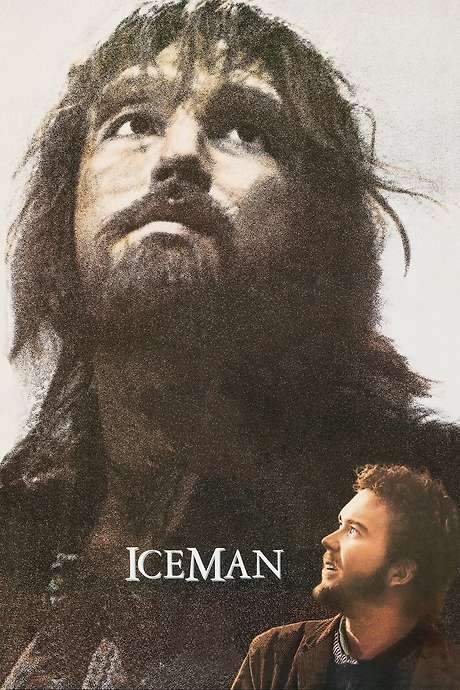
The Iceman Cometh (1989) movie poster

Plot Summary

The Iceman Cometh (1989) Plot Summary Explained

Release, runtime and language
1989 · 114 mins · Cantonese
Loading streaming availability…
Directed by
Clarence Ford
Starring
Maggie Cheung, Wong Jing, Yuen Biao, Yuen Wah, Corey Yuen Kwai, Cheung Wing-Cheung

Centuries apart, the battle between good and evil endures. In the 16th century, Ming guard Fong Sau‑ching pursues the rapist Feng San, only for both to plunge into a glacier and be frozen. Over three hundred years later, scientists thaw them; a bewildered Fong must adapt to the modern world while resuming his quest to defeat his foe.

On this page (6)
  1. 1 Where to watch
  2. 2 What happens: full plot
  3. 3 Plot questions answered
  4. 4 Movie threads
  5. 5 Movies like The Iceman Cometh
  6. 6 Every angle
Loading streaming availability…

Full plot summary · contains spoilers

What Happens in The Iceman Cometh: Full Plot Summary

The whole story of The Iceman Cometh (1989) explained, from the opening scene to the final frame: every key event, every twist and what it all adds up to. Read it as a quick recap before the sequel, to check a scene you missed, or to finally understand what really happened.

In 16th‑century China, courage meets cruelty as Ming guard Fong Sau-ching Yuen Biao relentlessly pursues the brutal Feng San Yuen Wah, a villain infamous for raping and killing women. When Feng San murders the princess, the enraged emperor Anthony Wong Yiu-Ming gives Fong one last chance to bring the killer to justice within 20 days. The chase takes a shocking turn when Feng San steals the priceless Black Jade Buddha, a magical artifact that grants time travel, and the two men are whisked three centuries into the future.

On a windswept cliff, a titanic clash of martial arts erupts between the two rivals, a battle that ends only when both men tumble into a glacier and are frozen in time. They are later thawed out by scientists, and Fong—no longer merely a guard—must navigate life in 1980s Kowloon. The modern world—with its electricity, televisions, and strange comforts like toilets—presents a daunting new terrain. Enter Polly Maggie Cheung, a femme fatale who knows of Fong’s martial prowess and offers him a way to survive: she hires him as her servant and bodyguard in exchange for helping him obtain an ID card. Yet Fong feels a twinge of shame at becoming a servant to a woman, a stark reversal of his royal‑guard duties.

Meanwhile, Feng San continues to operate as a thief for a local crime boss, escalating his brutality. He murders his boss after a failed attempt to rape the boss’s girlfriend, and the fate of the girlfriend is left even more brutal in his wake. As Fong learns of Polly’s past and the cruel truth of Feng San’s escapes, he vows to resist becoming merely a tool for hire. A newspaper report about a woman murdered in the same grisly way Feng San favors jolts him—he realizes the killer remains at large.

The villain’s thirst for power intensifies when he discovers the Black Jade’s wheel has been moved to a Hong Kong exhibit. He loots firearms from an arms dealer, planning to return to the past armed with modern weaponry to seize the dynasty. Fong, intent on completing his duty, trains relentlessly and crafts a sword suited to the coming confrontation. He reluctantly leaves Polly behind, not wishing to drag her into the perilous mission.

At the exhibit, Feng San finds a note on the wheel written by Fong, summoning him to the roof for the Black Jade. On the roof, the two survivors face off one final time: Fong asserts that he will arrest Feng San and return him to justice for his crimes, fulfilling his duty to the emperor. The battle is brutal, and Fong emerges victorious, impaling Feng San on shards of broken glass. He activates the Buddha’s wheel, sealing the time‑travel device’s next arc. Polly arrives too late to stop him, her heart heavy as she witnesses the climactic moment.

In the aftermath, Polly quits the underworld and starts a new life running a corner store. As she takes out the trash, she encounters a man who resembles Fong, hinting at a possible reincarnation. She shouts with joy that Fong may still be alive and, despite the man’s confusion, she leaps toward him, clinging to a hope that love—and justice—endure beyond time.

Last updated: October 09, 2025 at 14:18

Was this helpful?

Plot questions answered

The Iceman Cometh Plot Explained: Your Questions Answered

The questions people ask most about The Iceman Cometh (1989): what happens in the confusing scenes, why the characters do what they do, the twists, hidden details and what the ending means. Each answer contains spoilers.

Q1

Why does Feng San steal the Black Jade Buddha?

Feng San steals the Black Jade Buddha because it is a magical artifact that grants the power of time travel. After murdering the princess and incurring the emperor's wrath, he uses the artifact to escape Fong's pursuit by jumping forward three centuries, hoping to evade justice forever and start fresh in a new era.

Foreshadowing: The theft is foreshadowed by Feng San's ruthless nature and his history of using any means necessary to escape consequences.

  • feng san
  • black jade buddha
  • time travel
  • artifact
  • theft
Q2

How does Fong end up in 1980s Hong Kong?

During their climactic battle on a cliff edge, Fong and Feng San both fall into a glacier while fighting over the Black Jade Buddha. They remain frozen for over three centuries until scientists in the 1980s thaw them out. The time travel artifact transported them through time, landing Fong in modern-day Kowloon.

Foreshadowing: The cliffside battle and the mention of the glacier in the timeline set up this frozen fate.

  • fong
  • time travel
  • glacier
  • frozen
  • 1980s hong kong
  • thaw
Q3

Why does Fong agree to work for Polly as her servant?

Fong agrees to become Polly's servant and bodyguard because he has no identity, money, or understanding of the modern world in 1980s Hong Kong. In exchange for his services, Polly promises to help him obtain an ID card, which is essential for survival in the modern city. Despite feeling shame at serving a woman, he accepts pragmatically to stay alive and continue his pursuit of Feng San.

Foreshadowing: Fong's initial struggles adapting to modern technology like toilets and televisions establish his vulnerability.

  • polly
  • fong
  • servant
  • id card
  • survival
  • modern world
Q4

What does Fong discover about Polly's true nature?

Fong discovers that Polly has been using him as a prostitute and liaison for her criminal underworld work, rather than treating him as a genuine ally. He realizes he has been merely a tool for her business, not a partner. This revelation motivates him to reclaim his autonomy and refuse further servitude.

Foreshadowing: Polly's description as a 'femme fatale' and her manipulations hint at this deception from the start.

  • polly
  • deception
  • prostitute
  • underworld
  • fong
  • truth
Q5

How does Fong defeat Feng San in the final battle?

On the exhibit rooftop, Fong and Feng San engage in their final martial arts confrontation. Fong successfully impales Feng San on shards of broken glass during the fight, killing him. After victory, Fong activates the Black Jade Buddha's wheel to return to his own time, fulfilling his duty to the emperor.

Foreshadowing: Earlier scenes show Fong training and crafting a sword specifically for this confrontation.

  • feng san
  • fong
  • final battle
  • rooftop
  • defeated
  • glass
Q6

Why does Fong leave Polly behind when he returns to his time?

Fong leaves Polly behind because he feels obligated to complete his original mission, returning Feng San to justice for the emperor. He does not want to drag her into the dangerous final confrontation and prioritizes his duty over their romantic connection. He activates the time travel device immediately after defeating Feng San, departing before Polly can stop him.

Foreshadowing: Fong's earlier reluctance to involve Polly in his mission and his statement about not wishing to drag her into peril foreshadow this departure.

  • fong
  • polly
  • leaves
  • returns
  • duty
  • emperor
  • time travel
Q7

What happens to the Black Jade Buddha at the end of the movie?

After defeating Feng San on the rooftop, Fong activates the Buddha's wheel to depart through time. The device is shown sealing its next arc, implying Fong has used it to return to the 16th century. The artifact's ultimate location after Fong's departure remains unclear, but the time-travel function has been fulfilled.

Foreshadowing: The Buddha's wheel was moved to a Hong Kong exhibit earlier in the story, setting up this final confrontation location.

  • black jade buddha
  • wheel
  • time travel
  • ends
  • fong
  • returns
Q8

Why does Feng San kill his crime boss and the girlfriend?

Feng San attempts to rape the crime boss's girlfriend during a botched job. When the boss discovers this, Feng San murders both the girlfriend and the boss to eliminate witnesses and remove obstacles to his criminal ascent. This act demonstrates his escalating brutality and establishes him as a truly ruthless villain with no loyalty or morality.

Foreshadowing: Feng San's history of killing women and his ruthless nature were established from the beginning of the pursuit.

  • feng san
  • boss
  • girlfriend
  • kills
  • crime
  • underworld
Q9

What does the ending imply about Fong's possible reincarnation?

The ending shows Polly, now running a corner store after leaving the underworld, encountering a man who resembles Fong. She joyfully shouts that Fong may still be alive and embraces him. This suggests either reincarnation across time or a hopeful开放式 ending where love transcends centuries, leaving the audience with a bittersweet sense that their connection might continue beyond the original story.

Foreshadowing: The theme of time travel and the enduring nature of their relationship set up this hopeful ambiguity.

  • reincarnation
  • ending
  • fong
  • polly
  • alive
  • hope
  • future

Movie threads

More Movies Like The Iceman Cometh, by Mood & Story

Curated lists built around what makes The Iceman Cometh tick: the same mood, the same kind of story or the same emotional payoff. Each list explains why these movies belong together.

Time-Trapped Chase Movies Like The Iceman Cometh

A high-stakes hunt for justice, propelled across centuries by frozen vengeance. If you liked the relentless, cross-century pursuit in The Iceman Cometh, explore these movies where heroes and villains are thrust through time, forcing a final, violent showdown in an unfamiliar world. These stories blend intense action with the disorienting clash of past and present.

  • tense
  • brutal
  • disorienting
  • urgent
  • violent
  • relentless
  • Tone: tense, brutal
  • Pacing: fast, urgent
Why these movies?

The story pattern: The narrative is driven by an unfinished mission that transcends time itself. A hero, often from the past, is resurrected or transported to a modern setting, where they must immediately resume a violent, personal quest against a timeless evil, leading to a chaotic and conclusive final battle.

Why they belong together: These films are grouped by their core engine: a high-intensity cat-and-mouse game amplified by a 'man out of time' premise. They share a fast pace, brutal action, and a tense tone, focusing on the psychological and physical strain of a duty that will not die.

Movies About Sacrificial Duty Like The Iceman Cometh

Completing a heavy使命 comes at the cost of personal happiness in a new world. For viewers moved by the sacrificial duty in The Iceman Cometh, this collection features films where heroes achieve their goal but lose a chance at personal happiness. These stories explore the heavy cost of honor, ending on a bittersweet note of victory tinged with loneliness.

  • melancholic
  • hopeful
  • nostalgic
  • anxious
  • heavy
  • bittersweet
  • Tone: melancholic, bittersweet
  • Pacing: steady, character-driven
Why these movies?

The story pattern: The protagonist's journey is defined by a rigid code or a vow that supersedes all personal wants. The narrative conflict arises when their duty clashes with newfound relationships or a chance at a different life. The resolution is typically bittersweet: mission accomplished, but personal fulfillment is left behind.

Why they belong together: This thread connects films that balance heavy emotional weight with a bittersweet conclusion. They share a focus on themes of honor, sacrifice, and the psychological toll of a life dedicated to a cause, creating a melancholic yet hopeful mood through the protagonist's ultimate choice.

If you liked this

Movies Like The Iceman Cometh

Similar movies to The Iceman Cometh: the same genre, themes or kind of story. Each one comes with its own plot summary, timeline and ending explained.

Browse all movie summaries

Every angle

The Iceman Cometh (1989) Explained: Plot, Timeline & Characters

Everything about The Iceman Cometh in one place: what happens in the plot summary, the timeline in chronological order, the characters and meaning and a spoiler-free summary. What's After the Movie adds the cast, box office and post-credit scenes.

Coming soon on iOS and Android

The Plot Explained Movie Summary App

Plot summaries, endings explained and timelines on your phone. Catch up on any movie in minutes, save your favorites and never miss a twist again.

Be the first to know when we launch. Your email stays private, always.

Learn more about the app