Plot Explained Spoilers guaranteed!
Plot Explained

Browse by genre

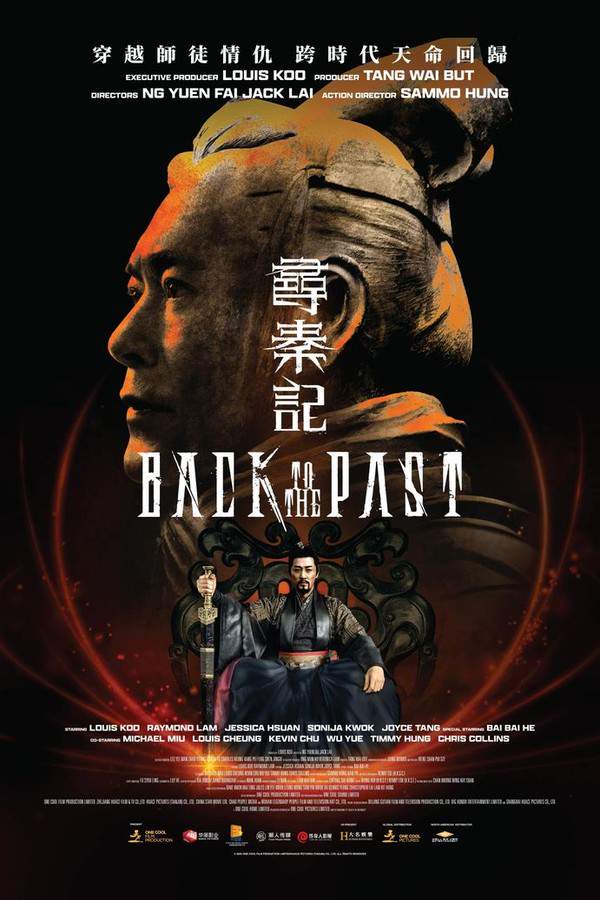
Back to the Past (2026) movie poster

Plot Summary

Back to the Past (2026) Plot Summary & Ending Explained

Release, runtime and language
2026 · 1 h 47 m · Chinese
Directed by
Jack Lai, Yuen Fai Ng
Starring
Louis Koo, Chris Collins, Timmy Hung, Baihe Bai, Jessica Hester Hsuan, Fish Liew
Budget
$45M

In the Qin Dynasty, time‑traveler Hong Siu‑lung has hidden with his family for twenty years, while his former disciple now sits on the throne as the Qin Emperor, watching him. As the emperor nears unification of the six warring states, a mysterious squad from Hong’s era attacks with futuristic weapons. Drawn together by fate, Hong and the emperor must finally resolve their buried conflict, because the future hinges on their peace.

On this page (5)
  1. 1 What happens: full plot
  2. 2 Plot questions answered
  3. 3 How it ends
  4. 4 Movie threads
  5. 5 Every angle

Full plot summary · contains spoilers

What Happens in Back to the Past: Full Plot Summary

The whole story of Back to the Past (2026) explained, from the opening scene to the final frame: every key event, every twist and what it all adds up to. Read it as a quick recap before the sequel, to check a scene you missed, or to finally understand what really happened.

Nineteen years after the events of the TV series, Hong Siu-lung has retired to the countryside with his wife and children, enjoying a peaceful life away from the intrigues of power. But at the height of Ying Ching's rule, after unifying the six states and dominating the realm, a new threat surfaces: a modern man named Ken who leads a group traveling through time.

Ken, who was wrongfully imprisoned in his early years, vows to rewrite history. He sets his sights on seizing the throne and proclaiming himself emperor, hoping to compensate for the regrets that haunt his life. His bold plan ignites a dangerous conspiracy that could reshape the course of the dynasty and forever alter the fates of those who inhabit it.

With crisis looming, Ying Ching turns to his long-lost master, seeking aid after nearly twenty years apart. The reunion of master and disciple rekindles a fragile alliance, and together they confront Ken and the faction backing his bid for power. The stakes are high, and the danger is personal: century-old grievances and present-day threats collide as Ken’s followers push forward.

As the plot thickens, [Hong Siu-lung] is pulled back into the turbulent currents of the Qin dynasty. He confronts threats to his family and the lingering resentments that have never fully healed, forcing him to blend two worlds—the practical knowledge of the modern era and the timeless wisdom of ancient tradition. This balancing act becomes crucial as he works to defuse the crisis, protect those he loves, and seek a rightful sense of belonging amid shifting loyalties and visions of what history can become.

The story weaves a dense fabric of political ambition, time-bent conflict, and personal reckonings. It asks how a man can navigate the pull of past grievances while shoulders the weight of present-day choices, and whether true belonging can be found when eras collide.

Last updated: February 03, 2026 at 07:41

Was this helpful?

Plot questions answered

Back to the Past Plot Explained: Your Questions Answered

The questions people ask most about Back to the Past (2026): what happens in the confusing scenes, why the characters do what they do, the twists, hidden details and what the ending means. Each answer contains spoilers.

Q1

Why does Ken want to become emperor and rewrite history?

Ken was wrongfully imprisoned in his early years, which left him with deep regrets. He believes that if he seizes the throne and becomes emperor, he can change history itself and erase the injustice that shaped his life. His motivation combines personal grievance with political ambition, using the time travel opportunity to attempt a complete reset of his fate.

Foreshadowing: Ken recalls his wrongful imprisonment as the driving force behind his plan, establishing his emotional stakes from the beginning.

  • ken
  • emperor
  • time travel
  • rewrite history
  • wrongful imprisonment
  • ambition
Q2

Why does Ying Ching seek help from his former master after nearly 20 years?

With Ken's attack threatening the Qin dynasty and the emperor's hold on power, Ying Ching has no choice but to turn to the only person he trusts, his long-lost master Hong Siu-lung. The crisis is urgent and personal, requiring Hong Siu-lung's unique blend of ancient wisdom and modern knowledge to counter the time-traveling threat.

Foreshadowing: Ying Ching's desperate search for aid highlights how severe Ken's intervention truly is.

  • ying ching
  • master
  • help
  • reunion
  • qin emperor
  • crisis
Q3

Why is Hong Siu-lung's family in danger after his retirement?

Ken and his time-traveling faction pose a direct threat not only to the throne but also to anyone who stands in their way. Hong Siu-lung's family becomes a vulnerability because Ken views them as potential obstacles or leverage. Additionally, Hong Siu-lung's decision to return to the Qin turmoil brings old enemies and new threats back into his family's orbit.

Foreshadowing: The summary notes that Hong Siu-lung's return to the Qin turmoil raises stakes for his family.

  • family
  • protection
  • retirement
  • threat
  • danger
  • wife children
Q4

What caused the rift between Hong Siu-lung and Ying Ching after all these years?

The rift stems from unresolved grievances that were never fully addressed during their twenty years apart. While the exact nature of their conflict isn't detailed, the summary mentions "century-old grievances" and "old grudges" that resurface during the crisis. Their separation allowed resentments to fester, making cooperation difficult even when necessary.

Foreshadowing: Old grudges and past conflicts threaten to derail their cooperation as the crisis deepens.

  • master
  • disciple
  • rift
  • conflict
  • grievances
  • separation
Q5

How does Ken travel through time and attack with futuristic weapons?

Ken leads a group that has developed the technology to travel through time, arriving in the Qin Dynasty era. They carry futuristic weapons that shock the ancient world, a significant advantage over the conventional forces of the Qin empire. This technological leap creates a major power imbalance that Hong Siu-lung and Ying Ching must overcome.

Foreshadowing: The attack occurs suddenly, using technology completely foreign to the era.

  • ken
  • time travel
  • futuristic weapons
  • technology
  • attack
  • qin dynasty
Q6

How does Hong Siu-lung combine modern knowledge with ancient wisdom?

As a time-traveler who has lived in both eras, Hong Siu-lung possesses practical knowledge of the modern era alongside timeless wisdom from ancient tradition. He uses this unique perspective to develop strategies that anticipate Ken's moves, blending contemporary insight with time-tested methods to outmaneuver the time-traveler and protect the throne.

Foreshadowing: His ability to balance two worlds becomes crucial in defusing the crisis.

  • modern
  • ancient
  • wisdom
  • strategy
  • knowledge
  • time traveler
Q7

What happens to Ken and his followers at the end?

Ken and his followers are ultimately thwarted in their conspiracy. The master-disciple alliance successfully confronts and defeats Ken's faction, stabilizing the timeline and restoring order to the Qin dynasty. The crisis is defused, and the realm returns to peace under Ying Ching's rule.

Foreshadowing: The confrontation represents the peak of the conflict, testing the resolve of both Hong Siu-lung and Ying Ching.

  • ken
  • defeat
  • followers
  • confrontation
  • conspiracy
  • restored order
Q8

What does Hong Siu-lung's ending say about his sense of belonging?

At the ending, Hong Siu-lung reflects on where he truly belongs. He recognizes his role as a bridge between eras, not just a warrior, but someone who bridges modern and ancient worlds. This realization brings him peace, allowing him to balance duty, family, and his unique identity as a time-traveler who has found his rightful place.

Foreshadowing: The resolution emphasizes that his journey was about finding identity across time periods.

  • belonging
  • identity
  • legacy
  • resolution
  • bridge between eras
  • self discovery
Q9

Why is Ken's attack particularly threatening to Ying Ching's rule?

Ken launches his attack at the height of Ying Ching's power, after he has unified the six states and established firm rule over the realm. This makes Ken's threat especially dangerous because the dynasty is still consolidating its dominance. A successful attack could unravel all of Ying Ching's achievements and plunge the realm back into chaos.

Foreshadowing: The timeline notes this occurs during the peak of Ying Ching's rule, when he has the most to lose.

  • qin unification
  • six states
  • ying ching rule
  • threat
  • chaos
  • power
Q10

Why does Ken specifically want the throne rather than just leaving the era?

Ken doesn't simply want to escape his past, he wants to control it. By seizing the throne, Ken believes he can reshape history itself and compensate for the regrets that haunt his life. The throne represents ultimate power and the ability to rewrite his entire narrative, making it a deeply personal goal beyond just survival or wealth.

Foreshadowing: His wrongful imprisonment drives him to seek the ultimate form of control over his destiny.

  • throne
  • power
  • regrets
  • personal goal
  • destiny
  • rewrite fate

Ending explained

What Happens at the End of Back to the Past?

How Back to the Past (2026) ends, in short: the final scene, the last twist and what it means for the characters. The full ending explained, with every spoiler, lives on its own page.

Read the full ending explained

The conclusion of Back to the Past brings Hong Siu-lung's decades-long journey full circle, resolving his complicated relationship with the Emperor he once trained. After Ken's failed attempt to usurp the Qin throne, the film reaches an unexpectedly poignant moment of mutual respect between master and apprentice. Ken, mortally wounded after his schemes collapse, delivers a final cruel twist by revealing that Hong's own son, Bowie—whose real name is Hong Yu—will one day bring about the Emperor's downfall. This prophecy shakes the tyrant to his core, but Hong remains unfazed, explaining that countless people share his son's name, a simple dismissal that speaks to his pragmatic worldview.

When Hong holds the Emperor at swordpoint, he has every opportunity for revenge after years of exile and fear. Instead, he negotiates passage for his family, and the Emperor finally addresses him as "Master," acknowledging the debt he owes the man who raised him from nothing to ruler of an empire. The Emperor agrees to let Hong leave peacefully, even asking Chancellor Li to rewrite history to claim he sent his beloved teacher in search of the immortality elixir—the very obsession that defined his reign. It's a surprisingly noble gesture, preserving Hong's legacy while maintaining the Emperor's own myth.

Continue reading the ending (1 more paragraphs)

The film also offers an intriguing alternative ending that takes a sharp detour into science fiction territory. In this version, the receiver transports Hong's family, the Emperor, and the Chancellor to the present day, where the ancient ruler marvels at modern technology and immediately assumes humanity must have discovered immortality by now. Hong encounters a woman named Maggie who bears an uncanny resemblance to a lost love from his past, and she reveals she's experienced visions of that era throughout her life. This version suggests that everyone Hong touched must return to the past to correct the ripple effects of his presence—a setup that leaves the door open for further adventures while providing a warm, reunion-style conclusion for audiences seeking a lighter payoff.

Back to the Past ending explained in full

Movie threads

More Movies Like Back to the Past, by Mood & Story

Curated lists built around what makes Back to the Past tick: the same mood, the same kind of story or the same emotional payoff. Each list explains why these movies belong together.

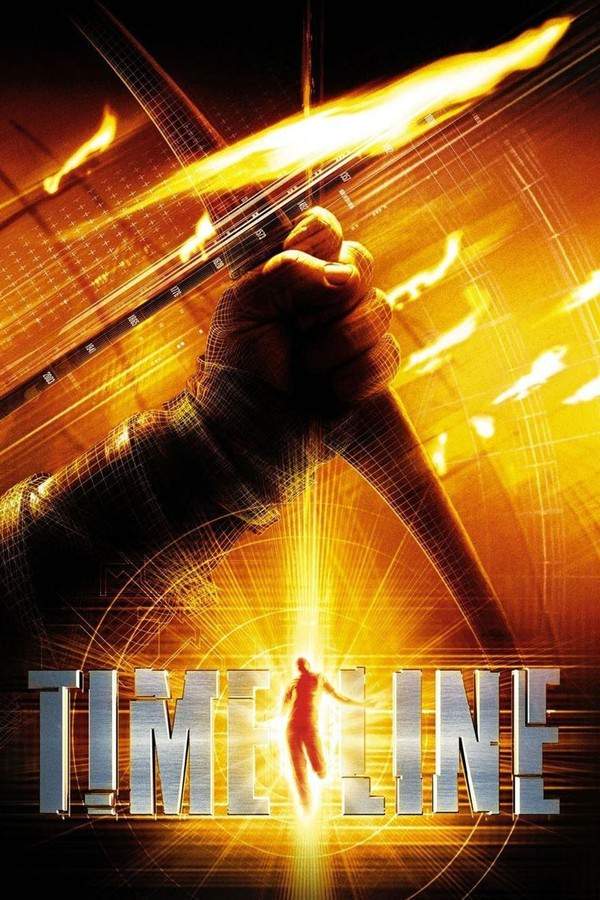
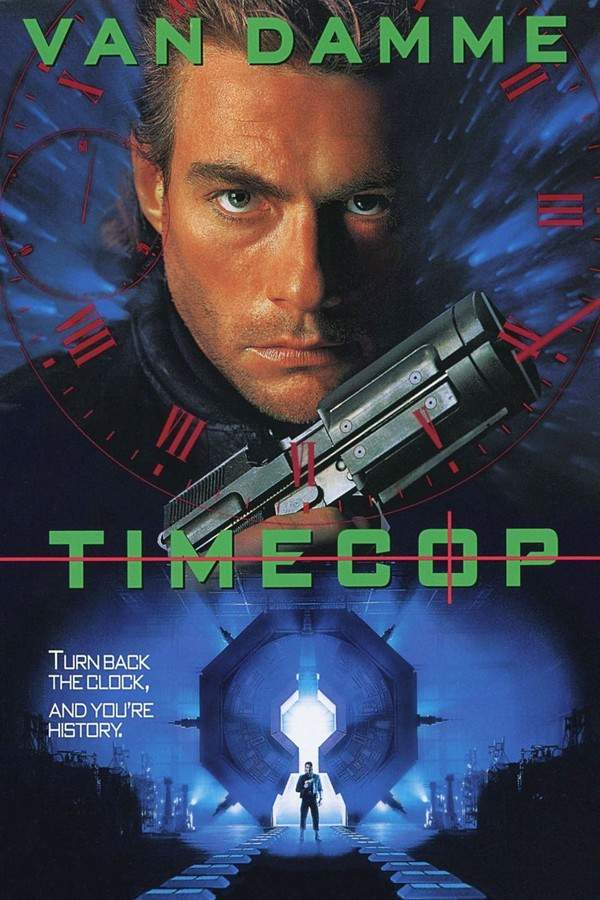
Anachronistic historical action movies like Back to the Past

Where ancient eras collide with futuristic technology in high-stakes conflict. If you enjoyed the clash of futuristic weapons and ancient empires in Back to the Past, explore these movies where historical settings collide with advanced tech. These stories feature high-stakes action, time-travel paradoxes, and the dramatic rewriting of history.

  • futuristic warfare
  • historical conflict
  • time travel
  • high-stakes
  • action-packed
  • anachronistic
  • Tone: tense, high-stakes
  • Pacing: fast, urgent
Why these movies?

The story pattern: The narrative typically follows a displaced individual or group who introduces futuristic elements into a historical period, upsetting the balance of power. This creates a race against time to either restore order or prevent a catastrophic alteration of the timeline, often involving alliances with historical figures.

Why they belong together: They are grouped by their unique blend of historical drama and sci-fi action, a fast-paced tone, and the central theme of temporal disruption. The experience is defined by spectacular visuals, high-concept plots, and the thrill of seeing history reimagined.
Movies with fateful reunions like Back to the Past

Former adversaries must join forces to face a greater, external threat. Fans of the master-and-disciple reunion in Back to the Past will enjoy these films about former rivals forced to ally against a common enemy. These stories focus on unresolved grudges, necessary teamwork, and the tension of fighting alongside a past adversary.

  • unresolved grudges
  • uneasy alliance
  • fateful
  • protective
  • high-stakes
  • reunited
  • Tone: tense, fateful, nostalgic
  • Pacing: fast, driven
Why these movies?

The story pattern: The plot centers on a pivotal reunion between characters with a complicated history, often involving betrayal or conflict. A sudden, external crisis forces them to cooperate, leading to a journey of tense collaboration, reluctant respect, and often, a poignant resolution of their original dispute.

Why they belong together: Movies in this thread share a core narrative of reconciliation under pressure. They balance tense personal drama with large-scale action, creating a compelling emotional arc where saving the world also means mending a broken relationship.

Every angle

Back to the Past (2026) Explained: Plot, Ending, Timeline & Characters

Everything about Back to the Past in one place: what happens in the plot summary, the timeline in chronological order, the characters and meaning, the ending explained and a spoiler-free summary. What's After the Movie adds the cast, box office and post-credit scenes.

Coming soon on iOS and Android

The Plot Explained Movie Summary App

Plot summaries, endings explained and timelines on your phone. Catch up on any movie in minutes, save your favorites and never miss a twist again.

Be the first to know when we launch. Your email stays private, always.

Learn more about the app