Year: 1978
Runtime: 80 mins
Language: English
Director: Sharron Miller
An unfaithful husband becomes hopelessly lost in a storm and seeks shelter at a remote funeral home, where an elderly mortician reluctantly takes him in. As night falls, he is compelled to confront the chilling backstories of four newly delivered corpses, uncovering their horrific origins.
Warning: spoilers below!
Haven’t seen The House of the Dead yet? This summary contains major spoilers. Bookmark the page, watch the movie, and come back for the full breakdown. If you're ready, scroll on and relive the story!
Explore the full timeline and setting of The House of the Dead (1978). Follow every major event in chronological order and see how the environment shapes the story, characters, and dramatic tension.
Last updated: October 04, 2025 at 18:07
Meet the key characters of The House of the Dead (1978), with detailed profiles, motivations, and roles in the plot. Understand their emotional journeys and what they reveal about the film’s deeper themes.
Last updated: October 04, 2025 at 18:07
Explore the central themes of The House of the Dead (1978), from psychological, social, and emotional dimensions to philosophical messages. Understand what the film is really saying beneath the surface.
Last updated: October 04, 2025 at 18:07
Browse frequently asked questions about The House of the Dead (1978) focused on characters, relationships, themes, symbols, setting, and story context. This movie info FAQ gives spoiler-aware explanations for character arcs, world details, and thematic interpretation so readers can better understand what the film is really about.
The film centers around a remote mortician's workshop where the main character seeks shelter during a storm. This gothic setting serves as the frame for a series of deadly tales, with additional locations including Miss Sibiler's home, Growski's photography-filled residence, Cantwell's empty store, and the detectives' homes. The settings emphasize moody, claustrophobic atmospheres with rain and secrecy.
Death frames every story in The House of the Dead, turning ordinary lives into final moral reckonings. The mortician presents each fate as a verdict on those who flirt with danger, secrecy, or cruelty. The tales underscore how mortality binds disparate characters through inevitable endings and the fragility of human lives.
The presence of cameras and watching eyes drives much of the violence, especially in Growski's selectively recorded encounters. The mortician's storytelling capitalizes on the audience's gaze, turning private moments into public spectacles of death. This theme probes how curiosity and exploitation can cross ethical boundaries into murder.
The adulterous Talmudge becomes a catalyst for cascading violence and retribution. Infidelity is shown not just as a personal failing but as a force that unleashes dangerous consequences on multiple lives. The final consequence, death at the hands of a betrayed spouse, ties the tales together in a grim moral arc.
The Mortician, played by Ivor Francis, hosts the macabre anthology, selecting and explaining the fates of his clients. He asserts control over the narrative, revealing the dark logic behind each death. His calm, clinical demeanor contrasts sharply with the brutal content of the stories, amplifying a sense of detached, inevitable doom.
Toliver and McDowal embody a contest of pride and method as they pursue a case that seems to expose their own flaws. Their egos propel clever deductions and dangerous traps, culminating in a staged revelation and a deadly payoff. The narrative casts investigative prowess as a perilous vanity project.
Talmudge is an adulterous man who gets caught in a rainstorm and seeks shelter at the mortuary, only to be drawn into the mortician's world of fateful tales. His infidelity and reckless behavior propel the plot toward a deadly payoff orchestrated by others. He becomes a target as his secret actions come back to threaten him.
The film uses a framed anthology (portmanteau) structure, where multiple distinct stories are connected through the mortician's workshop. The protagonist Talmudge arrives at the mortuary and is forced to confront the chilling backstories of four newly delivered corpses, each tale revealing horrific origins that tie into themes of death and moral judgment.
Growski is a man obsessed with cameras and capturing moments, using his recordings to manipulate and victimize others. His voyeuristic tendencies lead to a sequence of deadly acts, culminating in his execution a year later. His story explores the dark side of surveillance and exploitation.
Miss Sibiler is a schoolteacher who harbors a disdain for children. In her home, she encounters a haunting sequence as masked children invade her space, culminating in a brutal death. Her story critiques complacency and the darkness hidden within seemingly ordinary lives.
The tone is consistently dark, driven by themes of murder, betrayal, and cruel punishment with no levity or relief. The narrative presents a bleak worldview where transgression leads to inevitable, gruesome ends. The pacing shifts between slow, atmospheric setup at the mortuary and fast-paced, violent events within each flashback story.
Discover curated groups of movies connected by mood, themes, and story style. Browse collections built around emotion, atmosphere, and narrative focus to easily find films that match what you feel like watching right now.
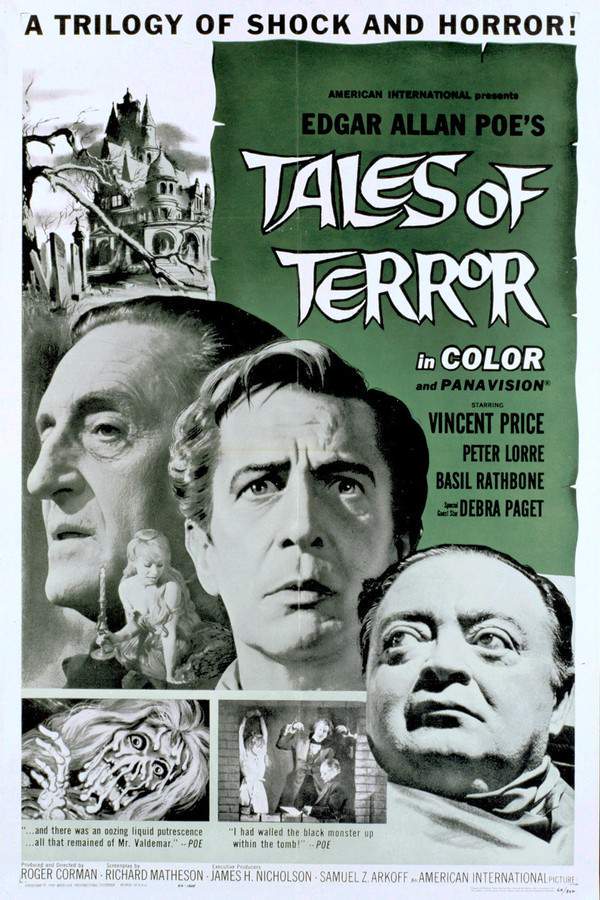
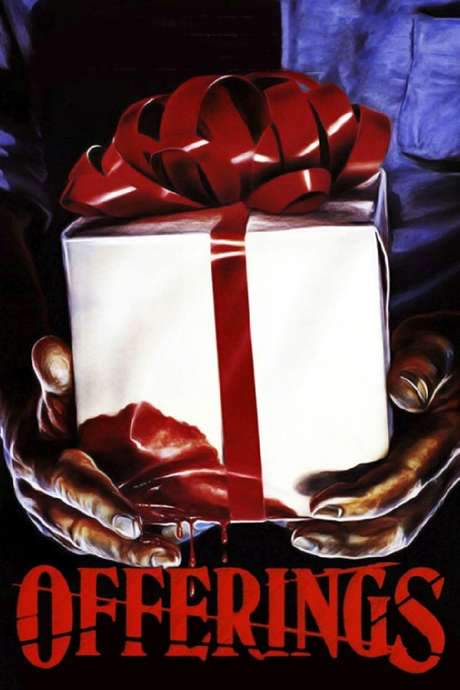
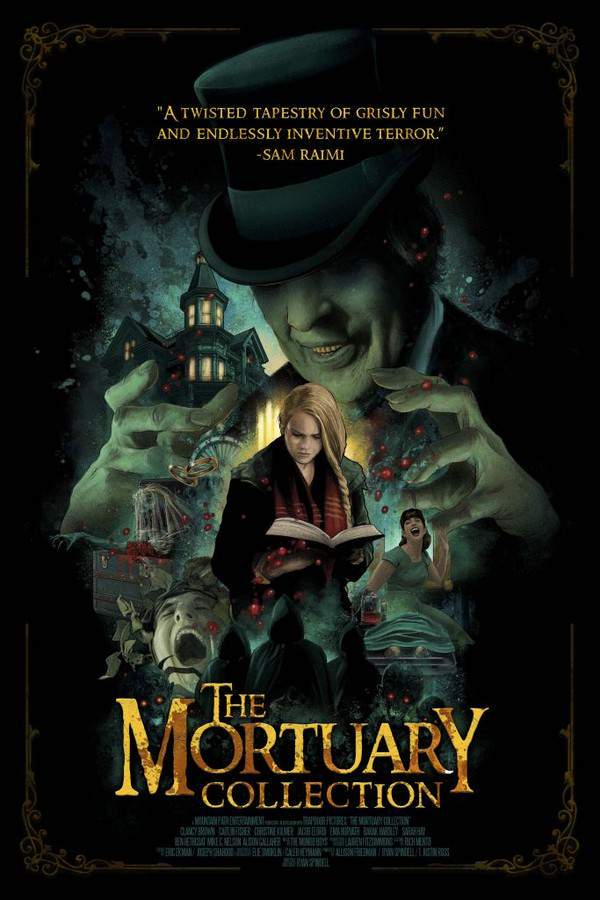
Anthology horror films where a framing story reveals grim consequences for the wicked.If you liked the narrative structure of The House of the Dead, explore other movies where a framing device introduces multiple tales of terror and retribution. These films share a dark tone, heavy emotional weight, and a focus on the grim consequences of immoral actions, creating a similar vibe of inescapable fate.
Stories in this thread typically feature a protagonist entering a strange situation that serves as a frame for multiple flashback tales. These tales are united by a common theme, such as punishment for transgression. The framing story often culminates with the protagonist discovering they are the next subject of the same cruel fate they just observed, reinforcing a cycle of retribution.
Movies are grouped here for their shared narrative architecture and thematic focus. They blend a chilling, atmospheric frame with intense, contained stories of horror, all driving toward a bleak, morally uneasy conclusion about the inevitability of punishment.
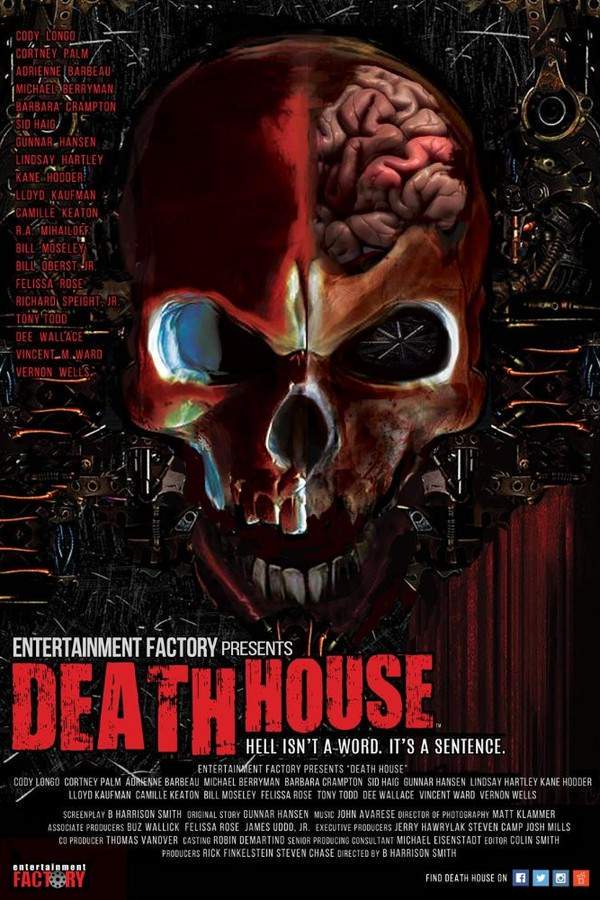
Stories where a single location becomes a trap for confronting horrific truths.Fans of the tense, confined setting of The House of the Dead will enjoy these films that trap characters in isolated locations. These movies share a high intensity, dark tone, and focus on psychological unraveling, creating a similar feeling of relentless, inescapable dread within a single haunting environment.
The narrative follows a character, typically with some moral failing, who becomes trapped in an isolated location like a mortuary, a basement, or a remote building. A host or circumstance forces them to confront a series of disturbing revelations or stories, often through flashbacks or direct psychological pressure. The journey is one of escalating fear and moral reckoning within the tight confines of the space.
These films are grouped by their powerful use of a single, oppressive setting to generate tension and explore themes of consequence. They share a high-intensity, dark vibe where the environment itself becomes an antagonist, pressing down on the protagonist until they break.
Don't stop at just watching - explore The House of the Dead in full detail. From the complete plot summary and scene-by-scene timeline to character breakdowns, thematic analysis, and a deep dive into the ending - every page helps you truly understand what The House of the Dead is all about. Plus, discover what's next after the movie.
Read a complete plot summary of The House of the Dead, including all key story points, character arcs, and turning points. This in-depth recap is ideal for understanding the narrative structure or reviewing what happened in the movie.
Track the full timeline of The House of the Dead with every major event arranged chronologically. Perfect for decoding non-linear storytelling, flashbacks, or parallel narratives with a clear scene-by-scene breakdown.
Discover movies like The House of the Dead that share similar genres, themes, and storytelling elements. Whether you’re drawn to the atmosphere, character arcs, or plot structure, these curated recommendations will help you explore more films you’ll love.
The House of the Dead (1978) Plot Summary & Movie Recap
The House of the Dead (1978) Scene-by-Scene Movie Timeline
The House of the Dead (1978) Spoiler-Free Summary & Key Flow
Movies Like The House of the Dead – Similar Titles You’ll Enjoy
House (1986) Full Summary & Key Details
House of Fears (2007) Spoiler-Packed Plot Recap
The House by the Cemetery (1981) Detailed Story Recap
Boardinghouse (1982) Detailed Story Recap
The Dead Come Home (1989) Story Summary & Characters
The Fun House (1973) Ending Explained & Film Insights
House of Horrors (1946) Plot Summary & Ending Explained
House of Terror (1960) Full Movie Breakdown
The Haunted House of Horror (1969) Film Overview & Timeline
House (1977) Full Summary & Key Details
Dark House (2009) Full Movie Breakdown
House of Dark Shadows (1970) Full Movie Breakdown
House of Mortal Sin (1976) Full Summary & Key Details
House on Haunted Hill (1959) Full Movie Breakdown
House of the Damned (1963) Plot Summary & Ending Explained