Plot Explained Spoilers guaranteed!
Plot Explained

Browse by genre

The Hour of the Pig (1993) movie poster

Timeline

The Hour of the Pig (1993) Timeline Explained – Every Event in Order

Release, runtime and language
1993 · 112 mins · English
Directed by
Leslie Megahey
Starring
Ian Holm, Sami Bouajila, Donald Pleasence, Colin Firth, Dave Atkins, Harriet Walter

In medieval France, idealistic lawyer Richard Courtois abandons Paris for a quieter life in the countryside, only to become entangled in romantic and political schemings. He is reluctantly assigned to defend a pig, owned by the enigmatic gypsy Samira, accused of murdering a young boy, while the justice system proves as absurd as the case itself.

On this page (6)
  1. 1 Events in order (15)
  2. 2 Timeline questions answered
  3. 3 Movie threads
  4. 4 Movies like The Hour of the Pig
  5. 5 Categories
  6. 6 Every angle

15 events in order · contains spoilers

The Hour of the Pig Timeline: Events in Chronological Order

Every key event of The Hour of the Pig (1993) in order, scene by scene, with when and where it takes place. Use it to untangle flashbacks, time jumps and parallel storylines, to refresh your memory before the sequel or to find the exact scene you are thinking of.

  1. Arrival in Abbeville

    Richard Courtois and his clerk Mathieu leave Paris to practice law in Abbeville, seeking a quieter life. They expect to tackle back-logged cases in a rural setting, away from the capital's pressures. This move sets up the film's courtroom-focused journey.

    When
    Early 15th century
    Where
    Abbeville, Ponthieu (Burgundy region)
  2. Farmer acquittal

    Courtois defends a farmer accused of killing his wife's lover. Through careful argument, he secures an acquittal, though the farmer mutters that he should have acted sooner. The result reinforces Courtois's reputation in the village.

    When
    Early stay in Abbeville
    Where
    Abbeville courtroom
  3. Witchcraft accusation

    Jeannine is accused of witchcraft in a case that tests the boundaries between Roman law and local custom. Courtois calls for rats to testify that she did not bribe them to infect her neighbor, but the rats fail to appear. The charge is struck off, yet the witch is still condemned under local practice.

    When
    During the witchcraft case
    Where
    Abbeville courtroom
  4. Execution and prophecy

    Jeannine is led to the gallows; as she goes, she tells Courtois darkness surrounds him and urges him to look to the boy. She foretells a knight will arrive to deliver them from deceit. The execution marks a turning point in Courtois's experience of the town.

    When
    During the execution
    Where
    Abbeville
  5. The pig case begins

    Courtois takes on the case of a pig accused of killing a young Jewish boy. The pig belongs to a band of Moors passing through town; Mahmoud and his sister Samira plead it is their only food for the coming winter. The case widens the social tensions at the heart of the village.

    When
    During the pig case
    Where
    Abbeville
  6. Samira's advance

    Samira enters Courtois's room at night, offering her body in exchange for favor; he refuses. The next day he offers money to buy two pigs, but she does not accept. The encounter colours Courtois's involvement with the Moors and the case.

    When
    During the pig case
    Where
    Courtois's room
  7. Seigneur's intrigue

    Courtois's work draws the attention of Seigneur Jehan d'Auferre, who tries to use him for his own ends, offering bribes and marriage to his daughter Filette. The Seigneur's eccentric children add a layer of menace to the town's politics.

    When
    As cases unfold
    Where
    Seigneur's chateau
  8. Advent festival and pressure

    As the Advent festival begins, the pig case is adjourned and Courtois faces pressure from the Seigneur to let the pig be executed. The social and religious celebration disguises the town's underlying corruption.

    When
    Advent festival
    Where
    Abbeville (Advent festival)
  9. Pincheon's admonition

    Prosecutor Pincheon reveals he moved from Paris to shine in Ponthieu and urges Courtois to return to Paris and abandon village superstition. The temptation to abandon the case and return to prestige looms over Courtois.

    When
    Following Advent
    Where
    Courtois's office / courtroom
  10. Skeleton and suspicion

    The skeleton of another missing Jewish boy is found during the rebuilding of Courtois's house. Courtois suspects a human serial killer is at large and that the pig has been framed for the crime. This deepens the mystery beyond a single animal case.

    When
    After Advent
    Where
    Courtois's house
  11. Advent performance and danger

    During the Advent festival, Samira performs for a gathering of notables at the Seigneur's chateau. She is nearly arrested for drawing a knife on the Seigneur's son, but Courtois intervenes and leads her away. The performance highlights the town's volatile cultural politics.

    When
    During Advent festival
    Where
    Seigneur's chateau
  12. Night rescue

    That night Courtois rescues a boy from a masked horseman wielding an axe. The incident confirms that danger and violence lurk beneath Abbeville's surface, affecting the confidence of all involved in the pig case.

    When
    Night after Advent festival
    Where
    Abbeville streets
  13. Confrontation with the Seigneur

    Courtois confronts the Seigneur, accusing his son of the killer. The Seigneur does not deny and reveals that his son has left for England to be treated, intensifying the political stakes surrounding the trial.

    When
    Before trial
    Where
    Seigneur's chateau / court
  14. Replicas and acquittal

    At the pig's trial, the animal is acquitted when Valliere arrives with a replica pig, claiming the original pig absconded at the time of the killing. The courtroom scene reframes the evidence and questions the town's certainty.

    When
    During trial
    Where
    Abbeville courtroom
  15. Knight and the Black Death

    As Courtois leaves, a knight arrives just as Jeannine had foretold. The knight removes his armor to reveal buboes of the Black Death, signaling a looming plague and the larger horror behind the town's trials.

    When
    End of the film
    Where
    Abbeville (town outskirts)

Last updated: October 09, 2025 at 10:43

Was this helpful?

Timeline questions answered

The Hour of the Pig Timeline Explained: Your Questions Answered

When does it happen, and why in that order? The questions people ask about the chronology of The Hour of the Pig (1993): time jumps, flashbacks, cause and effect between scenes and the correct order of events, each answered with spoilers.

Q1

Why is a pig put on trial for murder in this movie?

In 15th-century France, animals were actually subject to criminal trials under both civil and ecclesiastical law. The film is based on the real historical figure Bartholomew Chassenee, who famously defended animals in court. The pig is accused of killing a young Jewish boy, and the trial follows the same legal procedures as human cases, reflecting how medieval society applied formal justice to all creatures.

Foreshadowing: The film's opening establishes that animal trials are a serious matter in this society, setting up the central case.

  • animal trial
  • medieval france
  • bartholomew chassenee
  • historical court
  • pig murder case
Q2

Why does Samira offer herself to Courtois?

Samira and her brother Mahmoud own the accused pig, which is their primary food source as winter approaches. Desperate to save their only means of survival, Samira visits Courtois at night and offers herself in exchange for his legal help. It's a combination of desperation, cultural differences in how women could negotiate, and her recognition that Courtois holds her family's fate in his hands.

  • samira
  • courtois
  • offer
  • desperation
  • moor
  • pig case
Q3

What does Jeannine's prophecy about the boy and the knight mean?

Jeannine tells Courtois there is darkness around him and urges him to 'look to the boy' before her execution. This foreshadows two events: the discovery of another missing Jewish boy's skeleton, confirming a human serial killer is at large, and the arrival of a knight at the film's end who reveals the Black Death is approaching. Both prophecies connect to the theme that the true dangers in Abbeville are human evil and plague, not witchcraft or animal malevolence.

Foreshadowing: Jeannine's execution scene directly sets up the later revelations about the serial killer and the plague.

  • jeannine
  • prophecy
  • witch
  • boy
  • knight
  • black death
  • execution
Q4

Who is actually responsible for killing the Jewish boys?

Courtois discovers the pig has been framed when another skeleton is found during construction of his house. He confronts the Seigneur d'Auferre, accusing his son of the murders. The Seigneur doesn't deny it but reveals his son has fled to England for 'treatment,' escaping justice. The film implies the son's actions were motivated by the same anti-Semitic prejudice that led to the pig's indictment in the first place.

Foreshadowing: The discovery of the second skeleton during construction is the turning point where Courtois realizes a human killer is at work.

  • serial killer
  • jewish boys
  • seigneur
  • son
  • frame
  • pig accused
Q5

How does a replica pig prove the accused pig's innocence?

At the trial, a farmer named Valliere (whom Courtois had defended in an earlier case) arrives with a replica pig. He testifies that the original pig couldn't have committed the crime because it was actually in his possession at the time of the killing, his pig had wandered off. This reasonable doubt leads to the pig's acquittal, though it raises questions about whether justice was truly served or if the case was simply too absurd to sustain.

  • acquittal
  • replica pig
  • valliere
  • trial
  • evidence
  • doubt
Q6

What does the ending with the Black Death knight signify?

As Courtois prepares to leave Abbeville, a knight arrives, just as Jeannine foretold. When the knight removes his armor, he reveals the buboes (swollen lymph nodes) characteristic of the Black Death. This ominous ending suggests that while the pig case is resolved, a far greater catastrophe looms. The plague serves as a metaphor for the true nature of this society: one built on superstition, prejudice, and violence that will ultimately consume itself.

Foreshadowing: Jeannine's prophecy specifically mentioned a knight would come to deliver them from deceit, though the deception continues in the form of the escaped killer and the approaching plague.

  • black death
  • plague
  • knight
  • ending
  • buboes
  • prophecy
  • omen
Q7

What is the Seigneur d'Auferre's role in the pig case?

Seigneur Jehan d'Auferre is the powerful local lord who manipulates events from behind the scenes. He attempts to bribe Courtois and uses marriage to his daughter Filette as a bargaining chip. His son is revealed to be the actual serial killer targeting Jewish boys, but the Seigneur protects him by sending him to England. The pig case is merely a pawn in his larger political game of maintaining power and covering up his family's crimes.

  • seigneur
  • d'auferre
  • corruption
  • manipulation
  • son
  • serial killer
  • power
Q8

Why does Richard Courtois agree to defend the pig?

Courtois initially refuses the case, but he's drawn into it by the social dynamics at play, the Moors are outsiders being blamed for a crime that likely has a human culprit. As an idealistic lawyer who left Paris seeking a quieter practice, he finds the case challenges his principles. The political pressure from the Seigneur, combined with his growing understanding that prejudice is driving the prosecution, ultimately compels him to take action.

  • courtois
  • lawyer
  • defend pig
  • idealism
  • moor
  • prejudice
Q9

What is the significance of the title 'The Hour of the Pig'?

The title refers both to the literal animal trial at the film's center and to the medieval concept of the 'hour of the pig', the time when animals could be held accountable in court. More symbolically, it represents a moment in history when superstition and prejudice dominated justice, and when the most vulnerable (animals, minorities, outsiders) could be blamed for society's problems. The title captures the film's theme of a justice system run amok.

  • title
  • hour of the pig
  • animal trial
  • meaning
  • symbolism
  • justice system
Q10

Why does Courtois call for rats to testify in the witchcraft case?

In Jeannine's witchcraft trial, Courtois argues she cannot be guilty of bribing rats to poison her neighbor because she didn't pay them, which he proves by requesting the rats testify. When the rats fail to appear, the charge is dismissed under Roman law. However, the local authorities simply condemn her under local custom instead, demonstrating how the system finds ways to achieve predetermined outcomes regardless of legal technicalities.

  • rats
  • testimony
  • witchcraft
  • jeannine
  • roman law
  • local custom
  • absurd justice
Q11

Why did prosecutor Pincheon leave Paris for Ponthieu?

Pincheon reveals he moved from Paris to Ponthieu seeking the prominence he couldn't achieve in the capital. He tells Courtois that village life would allow him to 'shine' in ways Paris never did. His jealousy and劝告 that Courtois return to Paris stem from his own failed ambitions, he sees Courtois's growing reputation as a threat to the standing Pincheon has built in the provinces.

  • pincheon
  • prosecutor
  • paris
  • ponthieu
  • ambition
  • jealousy
  • backstory
Q12

Why does Courtois rescue a boy from the masked horseman?

During the Advent festival, Courtois saves a boy from a masked horseman wielding an axe. This violent incident confirms that danger in Abbeville isn't limited to the courtroom, there's an actual threat roaming the streets. The attack reinforces Courtois's suspicion that a human killer is responsible for the crimes, not the pig, and demonstrates the pervasive violence lurking beneath the town's surface.

  • axe
  • horseman
  • rescue
  • boy
  • violence
  • advent festival
  • attack

Movie threads

More Movies Like The Hour of the Pig, by Mood & Story

Curated lists built around what makes The Hour of the Pig tick: the same mood, the same kind of story or the same emotional payoff. Each list explains why these movies belong together.

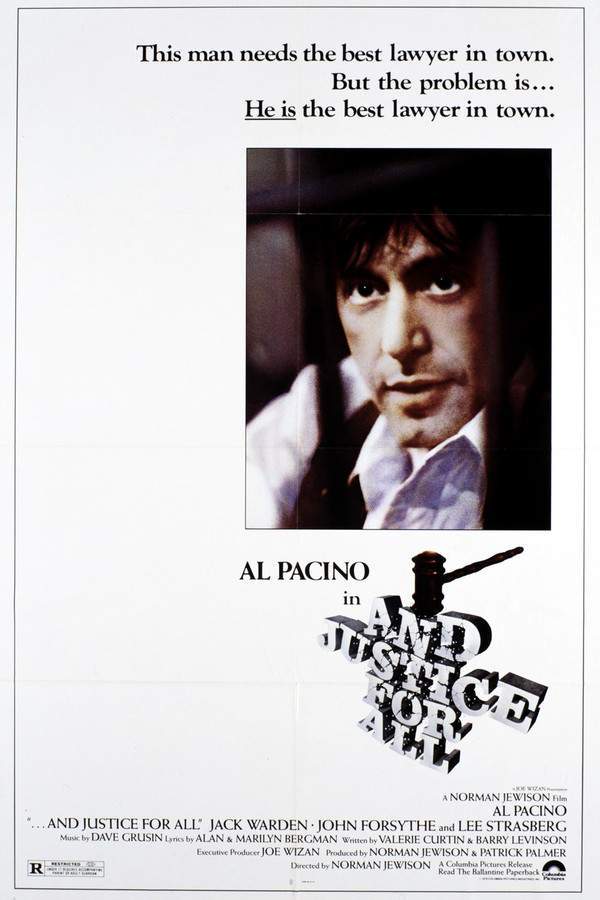
Legal absurdity films like The Hour of the Pig

Stories where legal absurdity exposes deeper societal corruption and prejudice. Discover movies like The Hour of the Pig that use bizarre legal proceedings to critique society. If you enjoyed the satirical trial exposing medieval prejudice, you'll find similar films where the courtroom becomes a stage for exploring political corruption and moral decay.

  • satirical
  • unsettling
  • intellectual
  • critical
  • tense
  • thought-provoking
  • Tone: dark, satirical, intellectually tense
  • Pacing: steady, procedural
Why these movies?

The story pattern: The narrative follows a protagonist, often an outsider or idealist, who is drawn into a legal proceeding that defies common sense. As they navigate the convoluted rules and vested interests, the case unravels to expose a much larger and more disturbing truth about the power structures at play. The journey is less about winning and more about revealing uncomfortable realities.

Why they belong together: These films are grouped by their shared use of a legal or bureaucratic absurdity as a central plot device to drive thematic exploration. They share a darkly intellectual tone, a focus on systemic critique over individual justice, and a sense of moral unease.
Dark historical thrillers like The Hour of the Pig

Period pieces where a personal crisis exposes the dark underbelly of an era. Explore films similar to The Hour of the Pig that blend historical settings with tense moral thrillers. If you enjoyed the film's oppressive medieval atmosphere and complex ethical dilemmas, this section highlights other movies where the past is a prison of injustice and foreboding.

  • atmospheric
  • oppressive
  • foreboding
  • melancholic
  • tense
  • morally complex
  • Tone: dark, oppressive, foreboding
  • Pacing: steady, atmospheric build
Why these movies?

The story pattern: The narrative unfolds as an intelligent protagonist is pulled from their ordinary life into a web of intrigue, often starting with a specific crime or accusation. Their investigation leads them through a world rife with corruption, class conflict, and unspoken rules. The pacing is steady, building tension not through action but through the gradual accumulation of dread and the clash between personal ethics and societal decay.

Why they belong together: This thread connects films through their shared combination of a meticulously crafted historical setting, a dark and heavy tone, and a plot centered on a morally complex investigation. The experience is defined by a feeling of intellectual unease and atmospheric oppression.

If you liked this

Movies Like The Hour of the Pig

Similar movies to The Hour of the Pig: the same genre, themes or kind of story. Each one comes with its own plot summary, timeline and ending explained.

Browse all movie summaries

Categories

Movie Lists Featuring The Hour of the Pig

The Hour of the Pig appears in these hand-built movie categories. Each one groups movies by a specific mood, theme or story type, with their plot summaries and endings explained.

View all movie categories

Every angle

The Hour of the Pig (1993) Explained: Plot, Timeline & Characters

Everything about The Hour of the Pig in one place: what happens in the plot summary, the timeline in chronological order, the characters and meaning and a spoiler-free summary. What's After the Movie adds the cast, box office and post-credit scenes.

Coming soon on iOS and Android

The Plot Explained Movie Summary App

Plot summaries, endings explained and timelines on your phone. Catch up on any movie in minutes, save your favorites and never miss a twist again.

Be the first to know when we launch. Your email stays private, always.

Learn more about the app