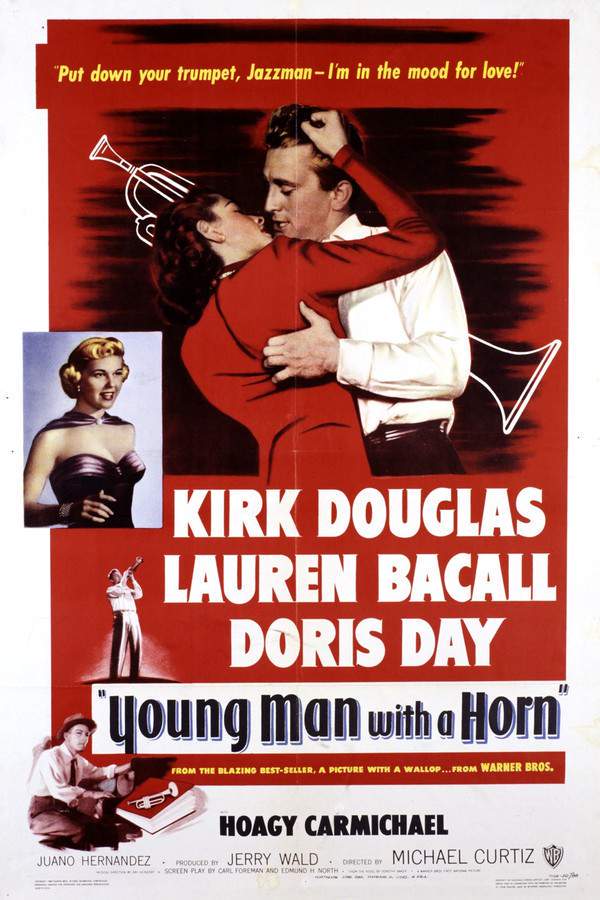
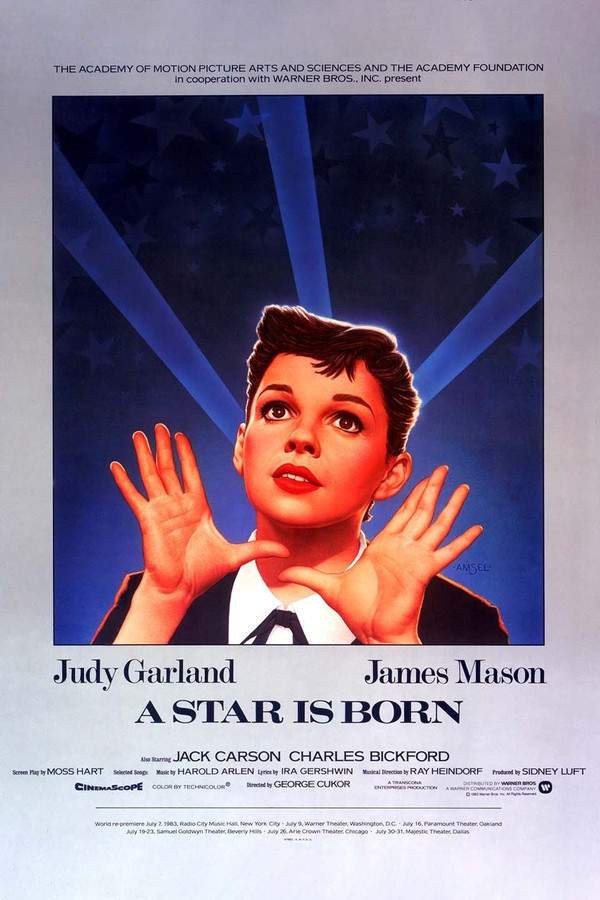
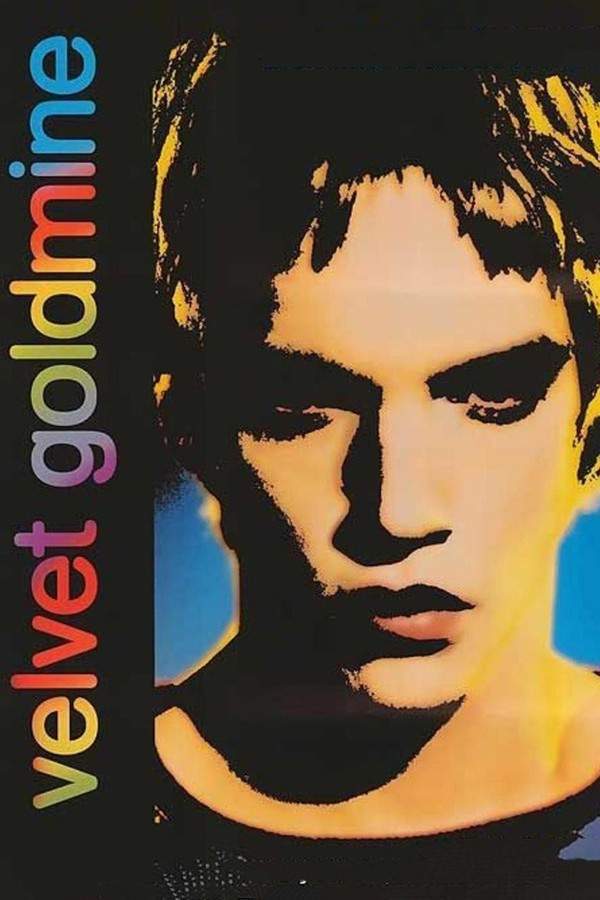
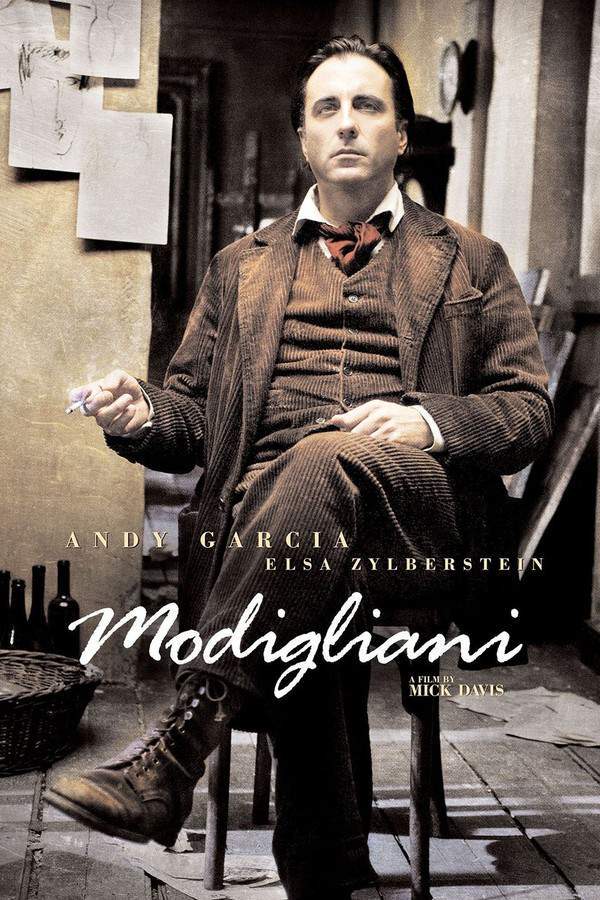
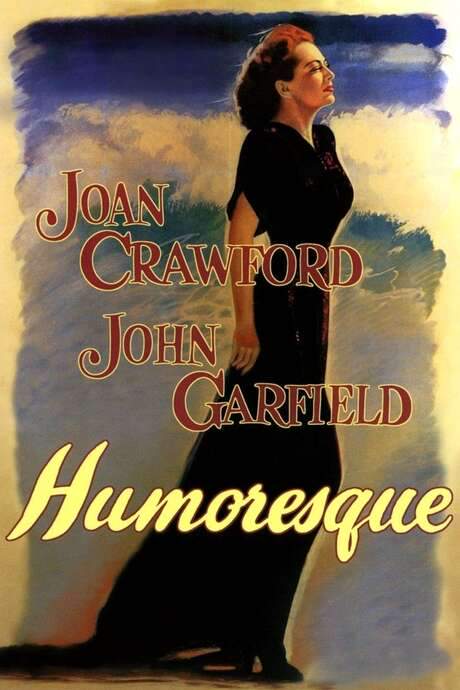
Helen Morgan begins her career as a Chicago carnival dancer, the kind of rise that glittered with the promise of nightlife and applause. She catches the eye of the fast-talking, double-dealing promoter Larry Maddux, whose shrewd schemes launch her from small-time stages to Broadway stardom in Show Boat and later as a headliner in her own nightclub. The film charts a mesmerizing climb through smoky clubs, bright spotlights, and the intoxicating thrill of success, all painted with a glossy, mid‑century gloss that captures the era’s mix of excess and ambition.
Her world becomes a maze of love and conflict, as she becomes tangled in two romantic relationships that bring equal parts solace and pain. One is with the promoter who propelled her upward, the other with the wealthy attorney Russell Wade, a man who loves her but is already bound by a marriage that cannot be dissolved easily. The union with Maddux grows increasingly hollow as she comes to see that his affection exists to maintain a lavish lifestyle rather than to honor her as a person. The emotional strain pushes her toward alcohol, a retreat that feels like both escape and a cruel reminder of how the glittering exterior masks a fragile inner life.
The tragedy deepens as money—the fuel of her ascent—slips away under the weight of the Bureau of Internal Revenue and the brutal blow of the 1929 Wall Street crash. The film does not shy from the harsh realities of the era, showing how the financial collapse reduces a celebrated performer to a vulnerable figure fighting to hold on to dignity. The downward spiral culminates in a hospital stay at Bellevue, where the weight of loss, alcoholism, and shattered hopes presses in and reshapes the narrative from one of glamorous ascent to one of stark vulnerability.
In a moment of possible renewal, the man who once used her for his own ends, Maddux, undergoes a redemptive shift. He curates a gala dinner in her honor, a shimmering event hosted by the famous broadcaster Walter Winchell and the legendary impresario Florenz Ziegfeld. The scene is staged with a sense of old‑world spectacle, a last, glittering beacon that suggests a path toward recovery and a brighter future. Yet the film’s closing note carries a sobering reminder: this hopeful arc reflects only a hopeful veneer of Helen Morgan’s real life, which did not culminate in lasting happiness or lasting triumph.
Overall, the story unfolds as a poignant portrait of talent and vulnerability set against the roaring 1920s and the devastating crash that reshaped a generation. It captures the allure of show business—its magnetic pull, its perilous temptations, and the way fame can become both a lifeline and a trap. The film does not shy away from the gritty reality behind the spotlight, offering a nuanced, humanizing look at a woman who rose to stardom only to be tested by love, loss, and the relentless passage of time.